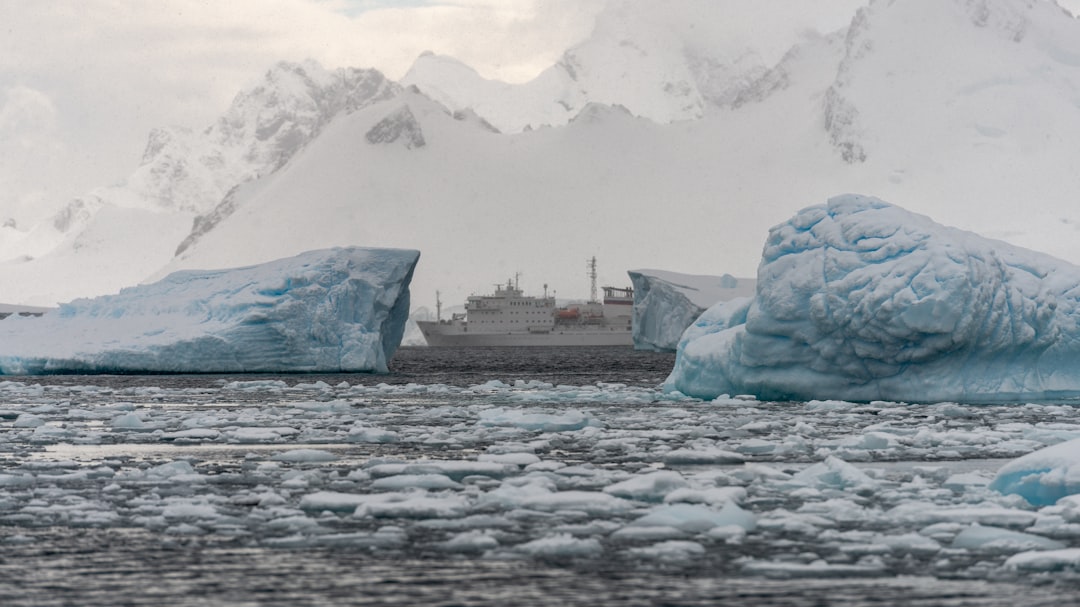
Antarctica serves as Earth’s southernmost continent and remains one of the most isolated regions on the planet. The continent spans approximately 14 million square kilometers and is covered by ice sheets averaging 1.9 kilometers in thickness. Under the Antarctic Treaty System, established in 1959, the continent is designated for peaceful purposes and scientific cooperation among signatory nations.
Recent reports indicate communication disruptions affecting military and research operations in Antarctica. These disruptions have impacted various communication networks used by research stations and support operations across the continent. The Antarctic Treaty System, which currently includes 54 parties, prohibits military activities except for scientific research support or peaceful purposes.
Communication systems in Antarctica rely on satellite networks, high-frequency radio, and internet connections to maintain contact with the outside world. Research stations from multiple countries depend on these systems for operational coordination, emergency communications, and data transmission. Any significant disruption to these networks affects both scientific research activities and logistical operations necessary for maintaining human presence on the continent.
The Antarctic Treaty System establishes Antarctica as a scientific preserve and bans military activity on the continent. Article I of the treaty specifically prohibits military bases, weapons testing, and military maneuvers. However, military personnel and equipment may be used for scientific research or peaceful purposes.
This framework has governed international activities in Antarctica for over six decades, making any military-related incidents subject to international scrutiny and treaty obligations.
Key Takeaways
- Antarctica has experienced a recent military communication blackout, raising global concern.
- The continent has a history of limited military presence primarily for research and treaty enforcement.
- Speculations and conspiracy theories have emerged regarding the reasons behind the blackout.
- The blackout has impacted scientific research and international cooperation in Antarctica.
- Efforts are underway to restore communication and reassess the future military role on the continent.
History of Military Presence in Antarctica
The history of military presence in Antarctica is complex and multifaceted, dating back to the early 20th century when nations began to explore the continent for both scientific and strategic purposes.
The United States, for instance, set up Operation Highjump in 1946-1947, which involved a significant military expedition aimed at mapping the continent and asserting American interests in the region.
This marked a pivotal moment in the militarization of Antarctica, as it laid the groundwork for future military activities. Following the war, the geopolitical landscape shifted dramatically with the onset of the Cold War. The Antarctic Treaty, signed in 1959 and entering into force in 1961, sought to demilitarize the continent and promote peaceful scientific collaboration among nations.
Despite this treaty, various countries maintained a military presence under the guise of scientific research. Over the decades, nations like Argentina, Chile, and the United States have continued to operate research stations that often double as military outposts. This duality has created a complex relationship between scientific exploration and military strategy, setting the stage for contemporary tensions surrounding military activities in Antarctica.
Recent Reports of Communication Blackout
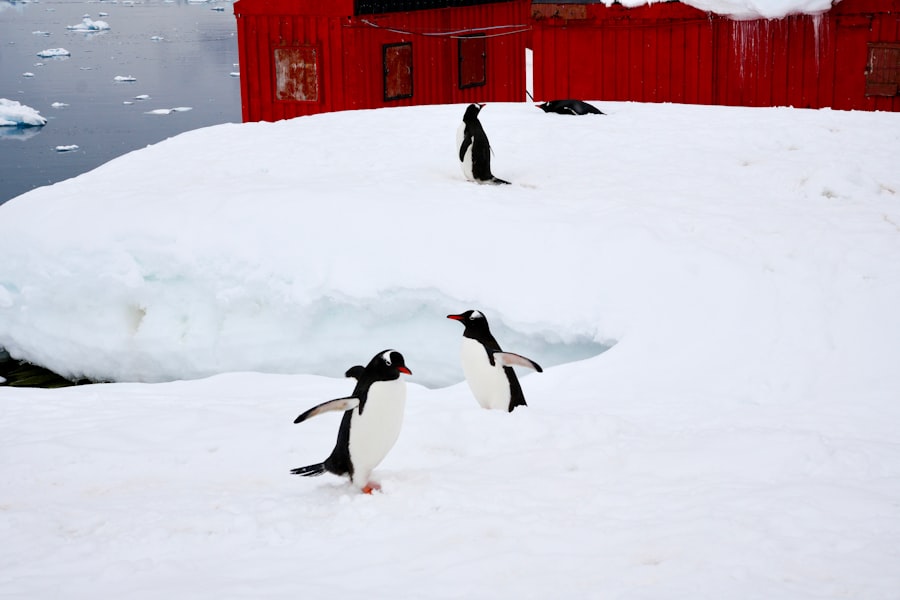
In recent months, reports have surfaced regarding a significant communication blackout affecting military operations in Antarctica. These disruptions have raised eyebrows among defense analysts and researchers alike, as they suggest a breakdown in established communication protocols that are vital for coordinating activities in such a remote environment. The blackout has reportedly impacted several military bases and research stations, leading to concerns about safety and operational efficiency.
The nature of these communication failures remains unclear, with some sources suggesting technical malfunctions while others point to potential external interference. The lack of reliable communication channels has hindered not only military operations but also scientific research efforts that depend on real-time data exchange. As researchers struggle to maintain contact with their home institutions, the implications of this blackout extend beyond mere inconvenience; they pose significant risks to ongoing projects and collaborations that rely on international cooperation.
Speculations and Conspiracy Theories
As news of the communication blackout spread, so too did a wave of speculation and conspiracy theories. Some individuals have posited that the blackout is indicative of a larger geopolitical maneuvering among nations vying for control over Antarctica’s resources. Given the continent’s untapped mineral wealth and potential oil reserves, theories abound that nations may be engaging in covert operations to assert dominance over these valuable assets.
Others have suggested more fantastical explanations, ranging from secret military experiments to extraterrestrial involvement. These theories often gain traction on social media platforms, where sensational narratives can spread rapidly. While many of these speculations lack credible evidence, they reflect a broader public fascination with secrecy and the unknown aspects of military operations in such an isolated region.
The combination of genuine concern over national security and a thirst for intrigue has fueled a narrative that complicates understanding the true nature of the blackout.
Potential Reasons for the Blackout
| Aspect | Details |
|---|---|
| Term | Military Blackout in Antarctica |
| Reason for Blackout | Prevention of military activities and weapons testing |
| Governing Treaty | Antarctic Treaty System (ATS) |
| Year of Treaty Enforcement | 1961 |
| Key Provisions | Prohibits military activity, nuclear explosions, and disposal of radioactive waste |
| Purpose of Military Blackout | Maintain Antarctica as a zone of peace and scientific research |
| Countries Involved | Multiple signatories including the USA, Russia, China, and others |
| Impact on Communications | Restrictions on military communications and operations |
| Scientific Research | Allowed and encouraged under treaty terms |
| Enforcement Mechanism | Inspections and mutual cooperation among treaty members |
Several potential reasons have been proposed to explain the recent communication blackout in Antarctica. One plausible explanation is technical failure due to harsh environmental conditions that can disrupt satellite communications and other forms of technology. The extreme cold, high winds, and unpredictable weather patterns characteristic of Antarctica can wreak havoc on equipment, leading to outages that may take time to resolve.
Another possibility involves geopolitical tensions among nations with interests in Antarctica. As countries continue to explore and exploit resources in the region, competition may lead to deliberate actions aimed at disrupting rivals’ operations. This could manifest as cyberattacks targeting communication systems or other forms of interference designed to undermine military capabilities.
While these scenarios remain speculative, they underscore the complex interplay between technology, environment, and international relations in one of the most remote places on Earth.
International Reaction and Involvement
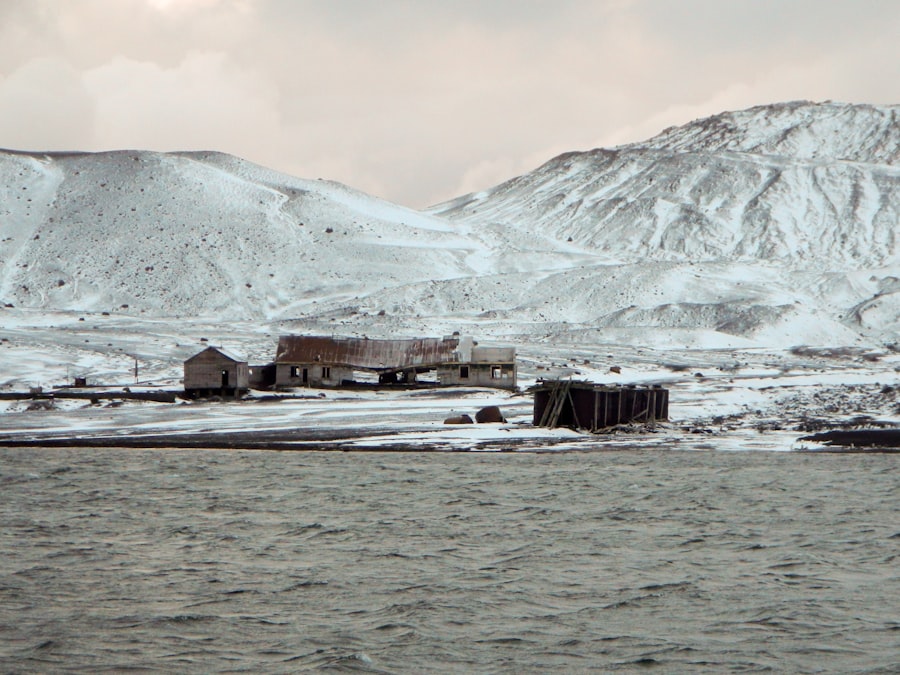
The international reaction to the communication blackout has been varied, reflecting differing national interests and perspectives on military presence in Antarctica. Some countries have expressed concern over the implications for safety and security in a region governed by treaties promoting peaceful cooperation. Nations like Australia and New Zealand have called for transparency regarding the situation, emphasizing the need for open dialogue among countries operating in Antarctica.
Conversely, other nations may view the blackout as an opportunity to assert their own interests or expand their influence in the region. The potential for increased competition over resources could lead to heightened tensions among nations with overlapping claims or interests in Antarctica. As discussions unfold on international platforms, it remains crucial for countries to navigate these complexities carefully to avoid escalating conflicts that could undermine decades of collaborative efforts in scientific research and environmental protection.
Impact on Scientific Research and Exploration
The communication blackout has had significant repercussions for scientific research and exploration in Antarctica. Many research projects rely on consistent data transmission to monitor environmental changes, conduct experiments, and collaborate with international teams. The disruption has hindered researchers’ ability to share findings or receive critical updates from their home institutions, potentially stalling important studies related to climate change, glaciology, and biodiversity.
Moreover, safety protocols for researchers working in such an extreme environment are heavily reliant on effective communication systems. The inability to maintain contact with support teams can pose serious risks during fieldwork or emergency situations. As scientists grapple with these challenges, there is growing concern about how prolonged communication issues could affect ongoing research initiatives and future exploration efforts in Antarctica.
Comparison to Previous Incidents
The recent communication blackout is not without precedent; there have been previous incidents that highlight vulnerabilities in Antarctic operations. For instance, during severe weather events or technical failures in past years, researchers have experienced temporary communication outages that disrupted their work. However, these incidents were typically resolved relatively quickly without significant long-term consequences.
In contrast, the current blackout appears more extensive and prolonged than previous occurrences. This raises questions about whether it is merely a technical issue or indicative of deeper systemic problems within military operations in Antarctica. By comparing this situation to past incidents, analysts can better understand potential patterns or trends that may inform future responses to similar challenges.
Efforts to Restore Communication
In light of the ongoing communication blackout, efforts are underway to restore reliable channels for both military operations and scientific research in Antarctica. Teams are working diligently to assess the extent of the disruption and identify potential solutions that can mitigate future risks. This may involve deploying additional satellite resources or enhancing existing infrastructure to ensure more robust communication capabilities.
Collaboration among nations operating in Antarctica will be crucial during this restoration process. By sharing information and resources, countries can work together to address technical challenges while reinforcing commitments to peaceful cooperation under the Antarctic Treaty System. As efforts continue to restore communication channels, there is hope that lessons learned from this experience will lead to improved resilience against future disruptions.
The Future of Military Presence in Antarctica
The future of military presence in Antarctica remains uncertain as nations navigate the complexities surrounding communication blackouts and geopolitical tensions. While the Antarctic Treaty emphasizes peaceful cooperation, ongoing competition for resources may challenge this framework as countries seek to assert their interests in an increasingly contested environment. As nations reassess their strategies regarding military operations in Antarctica, there may be calls for greater transparency and accountability to ensure compliance with international agreements.
The balance between national security interests and collaborative scientific exploration will be critical as countries move forward into an era where climate change and resource scarcity heighten stakes in this remote region.
Conclusion and Final Thoughts
The recent communication blackout in Antarctica serves as a stark reminder of the intricate relationship between military presence, international cooperation, and scientific research in one of Earth’s most isolated regions. As nations grapple with the implications of this disruption, it becomes essential to foster dialogue that prioritizes transparency and collaboration while addressing legitimate security concerns. Looking ahead, it is crucial for countries operating in Antarctica to navigate these challenges thoughtfully, ensuring that their actions align with commitments made under international treaties.
By doing so, they can help preserve not only the integrity of scientific exploration but also the delicate balance of peace that has characterized Antarctic governance for decades. Ultimately, how nations respond to this blackout will shape not only their future interactions in Antarctica but also set precedents for global cooperation in addressing shared challenges on our planet.
In recent discussions about military operations in Antarctica, the concept of a “military blackout” has garnered significant attention, particularly regarding the implications for research and environmental monitoring in the region. For a deeper understanding of the complexities surrounding military activities in this remote area, you can read more in the article available at XFile Findings. This resource provides insights into the intersection of military strategy and scientific exploration in one of the world’s most enigmatic landscapes.
FAQs
What is a military blackout in Antarctica?
A military blackout in Antarctica refers to the intentional restriction or cessation of military communications, operations, or activities in the region. This is often done to maintain secrecy, security, or compliance with international agreements.
Why are military blackouts implemented in Antarctica?
Military blackouts in Antarctica are typically implemented to ensure operational security, protect sensitive information, and comply with the Antarctic Treaty System, which prohibits military activity for hostile purposes on the continent.
Is military activity allowed in Antarctica?
The Antarctic Treaty, signed in 1959, prohibits any military activity, including the establishment of military bases or weapons testing, except for peaceful purposes such as scientific research and logistical support.
How does the Antarctic Treaty affect military operations?
The Antarctic Treaty restricts military operations to non-aggressive activities. Military personnel and equipment can be used for scientific research or logistical support but cannot be used for combat or defense purposes.
Are there any military bases in Antarctica?
There are no permanent military bases in Antarctica. However, some countries maintain research stations staffed by military personnel who support scientific missions, but these stations are not considered military bases.
What role do military forces play in Antarctica?
Military forces may assist with logistics, transportation, search and rescue, and emergency response in Antarctica, supporting scientific expeditions and ensuring safety, but they do not engage in combat or defense activities.
Why might communications be blacked out during military operations in Antarctica?
Communications may be blacked out to prevent interception by unauthorized parties, protect sensitive information, and maintain operational security during specific missions or exercises.
How is information about military activities in Antarctica monitored?
International cooperation and transparency under the Antarctic Treaty System help monitor activities. Satellite imagery, inspections, and reporting requirements ensure compliance with the treaty’s provisions.
Can military blackouts affect scientific research in Antarctica?
Military blackouts are generally coordinated to minimize impact on scientific research. However, temporary communication restrictions may occasionally affect data transmission or coordination during specific operations.
Who enforces the rules regarding military activity in Antarctica?
The Antarctic Treaty Consultative Parties collectively enforce the treaty’s rules through inspections, reporting, and diplomatic measures to ensure that Antarctica remains a demilitarized zone dedicated to peaceful purposes.