The Central Intelligence Agency (CIA) has long been at the forefront of national security and intelligence gathering. Its methodologies, often shrouded in secrecy, are periodically subjected to public scrutiny, particularly when they intersect with topics of widespread interest. One such intersection recently occurred concerning Unidentified Aerial Phenomena (UAP), a subject that has transitioned from fringe theory to legitimate scientific and governmental inquiry. Recent reports indicate that the CIA’s polygraph examinations have played a pivotal role in validating the accounts of individuals claiming to have detected UAP, adding a layer of credibility to previously unconfirmed observations. This development marks a significant shift in the discourse surrounding UAPs, moving it further into the realm of actionable intelligence.
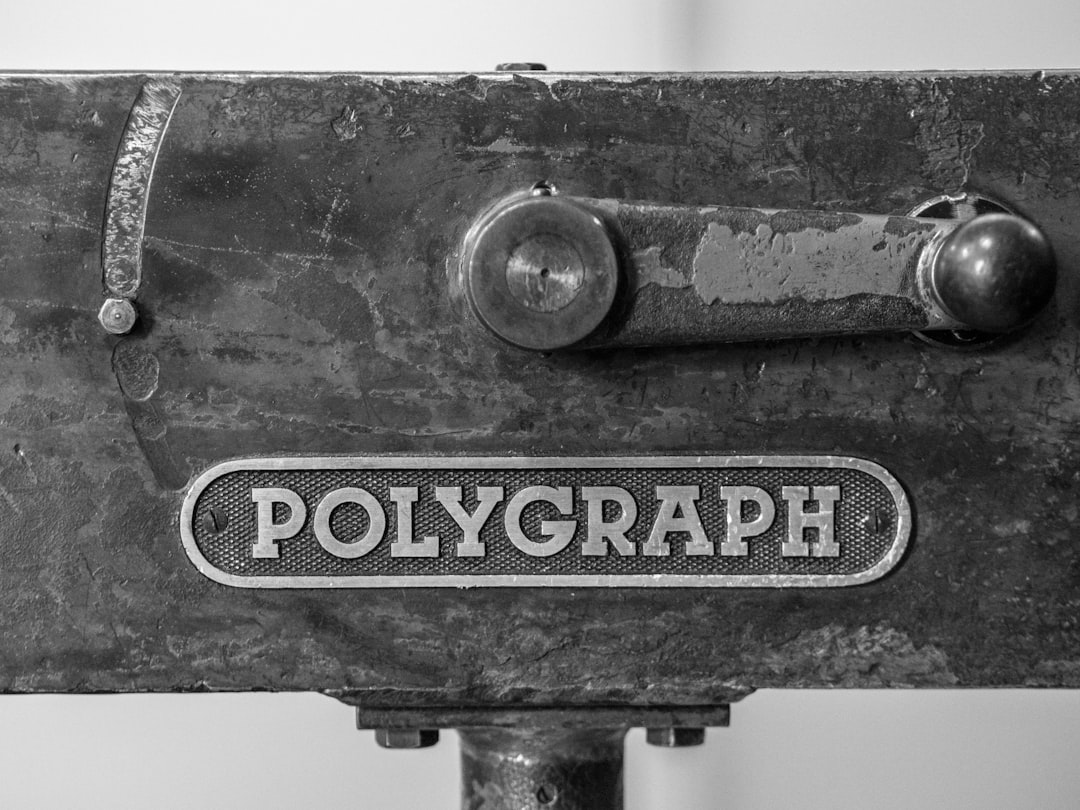
The polygraph, often termed a “lie detector,” is a controversial but enduring instrument in intelligence agency operations. Its use is based on the premise that physiological responses, such as heart rate, blood pressure, respiration, and galvanic skin response, change measurably when an individual experiences stress, particularly when engaged in deception. While not universally accepted as infallible, the CIA and other agencies have historically employed polygraph examinations for various purposes, including vetting personnel for sensitive positions, investigating security breaches, and, as in this case, assessing the veracity of witness testimony.
Historical Context of Polygraph Use at the CIA
The CIA’s reliance on polygraph technology dates back to the Cold War era. Initially adopted as a means to detect Soviet moles and ensure the loyalty of its operatives, its application expanded over time. Early polygraphs were cumbersome mechanical devices, but advancements in technology have led to more sophisticated computerized systems capable of capturing and analyzing physiological data with greater precision. However, the fundamental principle remains the same: an examiner poses a series of questions, some neutral, some critical, and observes the subject’s physiological reactions.
Methodological Criticisms and Agency Defense
Critics of the polygraph argue that it measures anxiety, not deception directly. A nervous but truthful individual might exhibit similar physiological responses to a calm liar, leading to false positives. Conversely, a practiced deceiver might learn to control their physiological reactions, thus “beating” the test. The American Psychological Association, for instance, notes that “there is no evidence that any pattern of physiological reactions is unique to deception.” Despite these criticisms, the CIA maintains that, when administered by trained and experienced polygraphers and interpreted within a broader context of intelligence gathering, it remains a valuable tool. The agency often emphasizes the importance of the examiner’s expertise in formulating questions and interpreting responses, asserting that a polygraph is only as good as the operator.
In recent discussions surrounding the CIA’s use of polygraph tests, particularly in relation to Unidentified Aerial Phenomena (UAP), an intriguing article sheds light on the implications of a “no deception detected” result. This outcome raises questions about the credibility of testimonies from individuals involved in UAP investigations. For further insights into this topic, you can read more in the related article found here: XFile Findings.
UAPs: From Fringe to Foreground
The modern era of UAP fascination can be traced back to Kenneth Arnold’s sighting in 1947, coining the term “flying saucer.” For decades, the subject was largely relegated to science fiction and tabloid headlines, often dismissed by official channels as misidentification, hoaxes, or psychological phenomena. However, recent years have witnessed a dramatic shift, primarily fueled by declassified government documents, statements from high-ranking officials, and the establishment of dedicated UAP investigation offices within the Department of Defense.
The Paradigm Shift in Official Stance
The turning point for official engagement with UAPs arguably occurred with the 2017 New York Times article detailing the Advanced Aerospace Threat Identification Program (AATIP). This disclosure, coupled with the release of authenticated Navy pilot videos depicting unexplained aerospace phenomena, forced a reevaluation of the subject. The subsequent establishment of the Unidentified Aerial Phenomena Task Force (UAPTF) and its successor, the All-domain Anomaly Resolution Office (AARO), signaled a serious commitment by the U.S. government to understand these observations, no longer viewing them as mere curiosities but as potential national security concerns.
The Role of Witness Testimony
Witness testimony has always been a cornerstone of UAP investigations. Thousands of individuals—pilots, military personnel, civilians—have reported encounters. Historically, validating these accounts posed a significant challenge. Without tangible evidence, such as wreckage or definitive photographs, investigators often relied on the credibility of the witness, which could be subjective and easily dismissed. The introduction of polygraph examinations in specific instances changes this dynamic, offering a standardized, if imperfect, mechanism to assess the sincerity and perceived truthfulness of a witness’s claims.
CIA Polygraph Examinations and UAP Detections
The integration of polygraph examinations into the UAP discussion represents a strategic move by intelligence agencies, particularly the CIA, to sift through a vast ocean of information. The agency is not simply interviewing individuals; it is subjecting their accounts to a rigorous, albeit debated, physiological assessment. This process aims to differentiate between genuine experiences and fabrications, misinformation, or psychological projections.
Protocols for Polygraphing UAP Witnesses
While specific protocols remain classified, general principles of polygraph administration would likely apply. Examiners would prepare a series of questions designed to elicit truthful responses about the UAP encounter. These questions would target crucial aspects of the purported detection: the location, time, nature of the phenomenon, and any associated sensory experiences. Baseline physiological data would be established during neutral questions, and deviations would be monitored when critical questions related to the UAP sighting are posed. The context of these examinations is crucial; they are not conducted in isolation but are likely part of a broader intelligence-gathering effort, potentially including cross-referencing with other intelligence streams.
Interpretation of Results in a Sensitive Context
Interpreting polygraph results, especially in a context as sensitive and speculative as UAP detection, requires immense caution. A “cleared” polygraph does not definitively prove the existence of an intelligent extraterrestrial craft, nor does it confirm the precise details of a sighting. Instead, it indicates that, within the parameters of the test, the individual is likely telling the truth as they perceive it. In other words, the individual genuinely believes they witnessed what they described and is not intentionally fabricating their account. This distinction is vital; it validates the witness’s sincerity and their firsthand experience, even if the underlying phenomenon remains unexplained. It’s like confirming the existence of a ripple in a pond, even if the stone that caused it remains unseen.
The Impact of Polygraph Validation on UAP Discourse
The explicit mention of CIA polygraphing validating UAP detections carries substantial weight, potentially reshaping both public perception and official approaches to the phenomenon. This shift is not merely academic; it has practical implications for national security, scientific inquiry, and global understanding.
Enhanced Credibility for Witnesses
For years, individuals reporting UAP sightings, especially those with military or sensitive government backgrounds, faced an uphill battle for credibility. Often ridiculed or dismissed as fantasists, their careers and reputations could be significantly impacted. The CIA’s use of polygraphs to validate their accounts acts as a powerful antidote to this skepticism. When a professional intelligence agency, known for its rigorous vetting, clears a witness, it sends a clear signal that the agency views the individual’s testimony as genuinely held. This validation can empower more witnesses to come forward, believing their experiences will be taken seriously rather than cast aside. It’s akin to finding an anchor in a tumultuous sea of speculation.
Implications for National Security and Threat Assessment
If individuals are genuinely detecting anomalous aerial phenomena that perform beyond known human capabilities, these detections could represent potential national security concerns. The source of these phenomena—be it foreign adversary technology, unknown natural occurrences, or something more exotic—needs to be understood. Polygraph-validated accounts provide cleaner, more reliable data points for intelligence analysts to work with. This data can inform threat assessments, guide sensor development, and even influence strategic defense planning. The agency’s confidence in the truthfulness of these accounts might prompt a more urgent and focused allocation of resources towards understanding UAP behavior and origins.
Recent discussions surrounding the CIA’s use of polygraphs in relation to Unidentified Aerial Phenomena (UAP) have sparked interest in the accuracy of these assessments, particularly when the results indicate “no deception detected.” This topic is further explored in a related article that delves into the implications of such findings and their impact on national security. For more insights on this intriguing subject, you can read the full article at XFile Findings.
Future Directions and Remaining Questions
| Metric | Value | Description |
|---|---|---|
| Subject | UAP Witness | Individual tested regarding Unidentified Aerial Phenomena (UAP) observations |
| Polygraph Result | No Deception Detected | Indicates the subject’s statements were consistent with truthfulness |
| Test Date | Varies | Date when the polygraph examination was conducted |
| Examiner | CIA Certified Polygraph Examiner | Official conducting the polygraph test |
| Test Duration | Approximately 1 hour | Typical length of a polygraph examination session |
| Physiological Metrics Monitored | Heart Rate, Respiration, Galvanic Skin Response, Blood Pressure | Indicators used to detect deception during the test |
| Reliability | Approximately 85% | Estimated accuracy rate of polygraph tests in detecting deception |
| Context | UAP Investigation | Purpose of the polygraph test related to unidentified aerial phenomena |
The integration of polygraph-validated UAP detections into the intelligence framework opens several avenues for future exploration and raises a new set of questions. The road ahead for understanding UAPs is complex, and this development is but one step in a long journey.
The Search for Hard Evidence Beyond Testimony
While witness testimony, even polygraph-validated, is crucial, the scientific and intelligence communities ultimately seek more tangible evidence. Analysts will continue to look for corroborating sensor data, radar tracks, photographic or video evidence, and, ideally, physical samples. The validated testimonies can serve as a guide, narrowing down areas of interest and informing where advanced sensors should be deployed. It creates a clearer picture of the puzzle, even if many pieces are still missing. The polygraph, while confirming the witness’s earnestness, does not replace the scientific imperative for empirical data.
The Role of International Cooperation
UAP reports are a global phenomenon. If legitimate detections are indeed occurring, their implications extend beyond any single nation’s borders. The validation of witness accounts by a powerful intelligence agency like the CIA could encourage greater international cooperation in data sharing and analysis. Other nations, witnessing the U.S. government’s serious engagement with the topic, might be more inclined to declassify their own UAP-related data and share insights, leading to a more comprehensive global understanding of these phenomena. This could unravel similar threads from different cultures and different perspectives, weaving a more complete tapestry of understanding.
Evolving Public Understanding and Scientific Inquiry
The public’s perception of UAPs has undergone a significant transformation. The CIA’s polygraph validation contributes to demystifying the subject and pushing it further into the realm of legitimate scientific inquiry. This increased credibility could encourage more scientists from diverse fields—astrophysics, aerospace engineering, atmospheric physics—to openly engage with the UAP topic without fear of professional stigma. It removes a layer of ridicule, opening gateways for serious academic investigation that could lead to new discoveries about our skies and potentially, our place in the universe. The lingering questions about the nature, origin, and intent of UAPs remain, but the path towards answering them now appears to be paved with a clearer sense of direction.

WATCH NOW ▶️ SHOCKING: Why the CIA’s Polygraph Didn’t Lie About 2026
FAQs
What does “No Deception Detected” mean in a CIA polygraph report?
“No Deception Detected” indicates that the polygraph examiner found no physiological signs of lying during the test. It suggests that the subject’s answers were consistent with truthfulness based on the polygraph’s measurements.
What is the CIA’s involvement with UAP (Unidentified Aerial Phenomena)?
The CIA has historically collected and analyzed information related to UAPs as part of its intelligence and national security responsibilities. This includes investigating sightings and reports to determine if they pose any threat or have foreign intelligence implications.
How reliable are polygraph tests in detecting deception about UAPs?
Polygraph tests measure physiological responses that may indicate stress or deception, but they are not infallible. Their reliability can vary depending on the examiner, the subject, and the context. Polygraphs are generally considered one tool among many in intelligence assessments.
Can a “No Deception Detected” result confirm the truthfulness of UAP-related statements?
While a “No Deception Detected” result suggests the subject was truthful during the polygraph, it does not guarantee absolute truth. Polygraph results are one piece of evidence and must be corroborated with other intelligence and investigative methods.
Are polygraph results about UAPs publicly available from the CIA?
Most polygraph results and related intelligence documents are classified and not publicly released. However, some information may be declassified or disclosed through Freedom of Information Act (FOIA) requests or official CIA releases, depending on the sensitivity of the material.