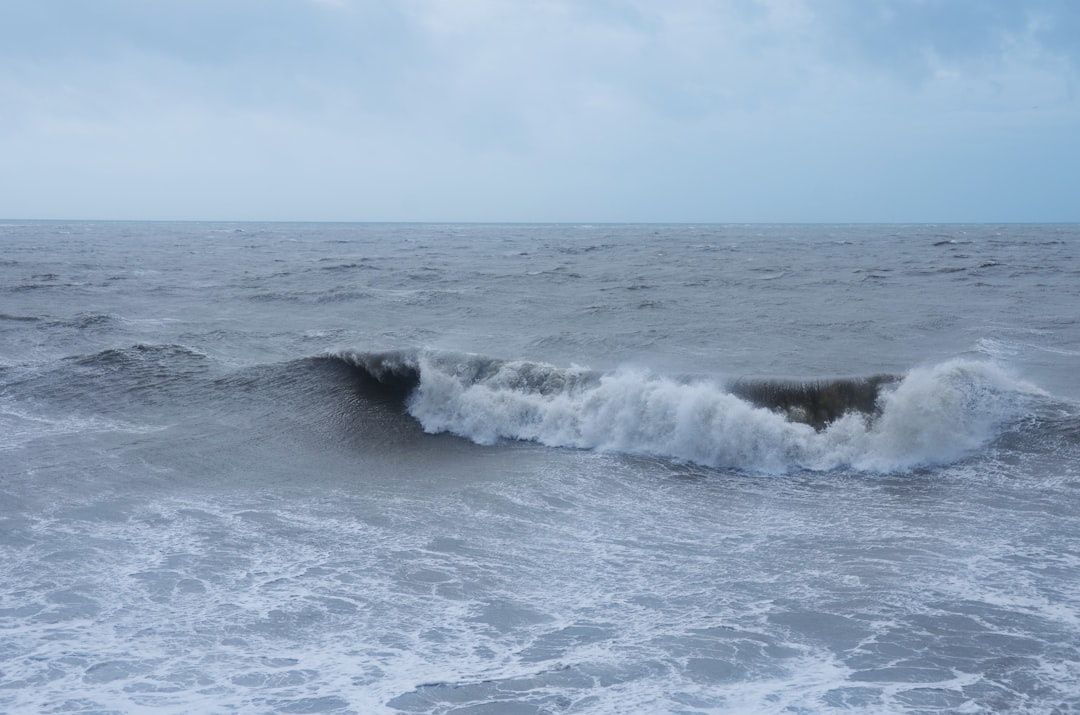
The Pacific Northwest coast experiences recurring natural disasters that significantly impact coastal communities. These events include tsunamis generated by offshore earthquakes, severe winter storms, and gradual sea level rise associated with climate change. Historical records document multiple instances of these phenomena causing substantial damage to infrastructure, ecosystems, and local economies throughout the region.
The most significant tsunami risk stems from the Cascadia Subduction Zone, a 600-mile fault line running from Northern California to British Columbia. Geological evidence indicates this fault has produced magnitude 9.0+ earthquakes approximately every 300-600 years, with the most recent occurring in 1700 CE. Such earthquakes generate tsunamis that can reach coastal areas within 15-30 minutes, with wave heights potentially exceeding 30 feet in some locations.
Winter storms regularly affect the Pacific Northwest coast, bringing high winds, heavy precipitation, and storm surge. These events cause coastal erosion, flooding, and damage to buildings and transportation networks. Sea level rise, currently measured at approximately 1-2 millimeters per year in the region, compounds these impacts by increasing baseline water levels and extending the reach of storm surge inland.
Research institutions, emergency management agencies, and coastal communities have developed various preparedness and mitigation strategies based on historical data and scientific modeling. These include early warning systems, evacuation route planning, building codes adapted for seismic and flood hazards, and ecosystem-based approaches to coastal protection. Understanding the frequency, magnitude, and impacts of these natural phenomena remains essential for effective disaster risk reduction and community resilience planning.
Key Takeaways
- The Pacific Northwest has a history of devastating coastal catastrophe waves impacting communities and ecosystems.
- Coastal communities faced severe damage, prompting extensive response and recovery efforts.
- Environmental consequences included habitat destruction and long-term ecological changes.
- Climate change is increasing the frequency and severity of such coastal catastrophes.
- Building community resilience and improving preparedness are crucial for future disaster mitigation.
Historical Context of Coastal Catastrophes in the Pacific Northwest
The history of coastal catastrophes in the Pacific Northwest is rich and complex, marked by a series of significant events that have shaped both the landscape and the lives of its inhabitants. Indigenous communities have long understood the rhythms of nature, often recounting stories of great floods and storms that predate European settlement. These narratives serve as a testament to the region’s vulnerability to natural disasters, a reality that has persisted through centuries.
The Great Cascadia Earthquake of 1700, for instance, is a pivotal event in this history, believed to have triggered a massive tsunami that devastated coastal villages and altered ecosystems. In more recent history, the Pacific Northwest has experienced a range of coastal catastrophes, including severe storms and rising sea levels exacerbated by climate change. The 1964 Alaska earthquake, which generated tsunamis that reached the shores of Washington and Oregon, serves as a stark reminder of how interconnected these coastal communities are with broader geological phenomena.
Each event has contributed to a growing awareness of the risks associated with living in such a dynamic environment, prompting both scientific inquiry and community action aimed at mitigating future disasters.
The Impact of the Catastrophe Wave on Coastal Communities
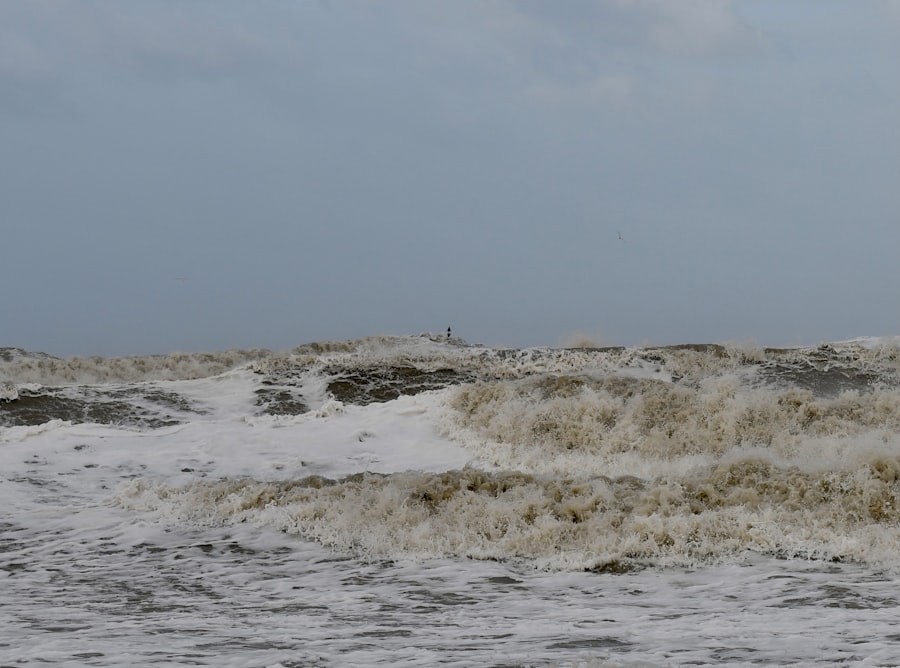
The impact of the Coastal Catastrophe Wave on coastal communities has been profound and multifaceted. In the immediate aftermath of such events, residents often face significant loss—of homes, livelihoods, and even lives. The emotional toll can be just as devastating as the physical destruction; communities are left grappling with grief and uncertainty as they attempt to rebuild their lives amidst the wreckage.
Moreover, the economic ramifications are equally severe. Local businesses often suffer from prolonged closures due to damage or loss of infrastructure, leading to job losses and decreased economic activity.
The fishing industry, a cornerstone of many coastal economies, can be particularly hard-hit by changes in marine ecosystems following a catastrophe. As communities strive to recover, they must also contend with the challenge of rebuilding not just their physical structures but also their social networks and economic foundations.
Environmental Consequences of the Catastrophe Wave
The environmental consequences of the Coastal Catastrophe Wave extend far beyond immediate destruction. Tsunamis and severe storms can lead to significant alterations in coastal ecosystems, affecting everything from marine habitats to terrestrial flora and fauna. The influx of saltwater into freshwater systems can disrupt local fisheries and lead to long-term ecological shifts that may take decades to recover from.
Additionally, debris from destroyed structures can introduce pollutants into marine environments, further complicating recovery efforts. In addition to immediate ecological impacts, these catastrophes can exacerbate existing environmental issues such as erosion and habitat loss. As sea levels rise due to climate change, coastal areas become increasingly vulnerable to flooding and erosion, creating a feedback loop that can lead to further degradation of natural resources.
The loss of wetlands and other critical habitats not only threatens biodiversity but also diminishes natural buffers against future storms and tsunamis.
Response and Recovery Efforts in the Aftermath of the Catastrophe Wave
| Metric | Value | Unit | Description |
|---|---|---|---|
| Wave Height | 30 | meters | Estimated maximum height of the tsunami wave |
| Wave Arrival Time | 15 | minutes | Time from earthquake to wave reaching the coast |
| Earthquake Magnitude | 9.0 | Mw | Magnitude of the subduction zone earthquake causing the wave |
| Coastal Inundation Distance | 5 | kilometers | Distance inland the tsunami wave is expected to flood |
| Population at Risk | 500,000 | people | Number of people living in the tsunami hazard zone |
| Warning Time | 10 | minutes | Estimated time available for evacuation after detection |
| Frequency of Event | Every 300-600 | years | Estimated recurrence interval of major tsunami events |
In the wake of a Coastal Catastrophe Wave, response and recovery efforts are crucial for restoring normalcy in affected communities. Local governments often mobilize emergency services to provide immediate assistance, including search and rescue operations, medical care, and temporary shelter for displaced residents. Community organizations frequently play a vital role in coordinating relief efforts, providing food, clothing, and emotional support to those in need.
Recovery is a long-term process that requires careful planning and collaboration among various stakeholders. Federal assistance may be sought to aid in rebuilding infrastructure and restoring essential services. However, recovery efforts must also prioritize community input to ensure that rebuilding aligns with local needs and values.
Engaging residents in decision-making processes fosters a sense of ownership over recovery efforts and can lead to more resilient outcomes in the face of future disasters.
Lessons Learned from the Catastrophe Wave
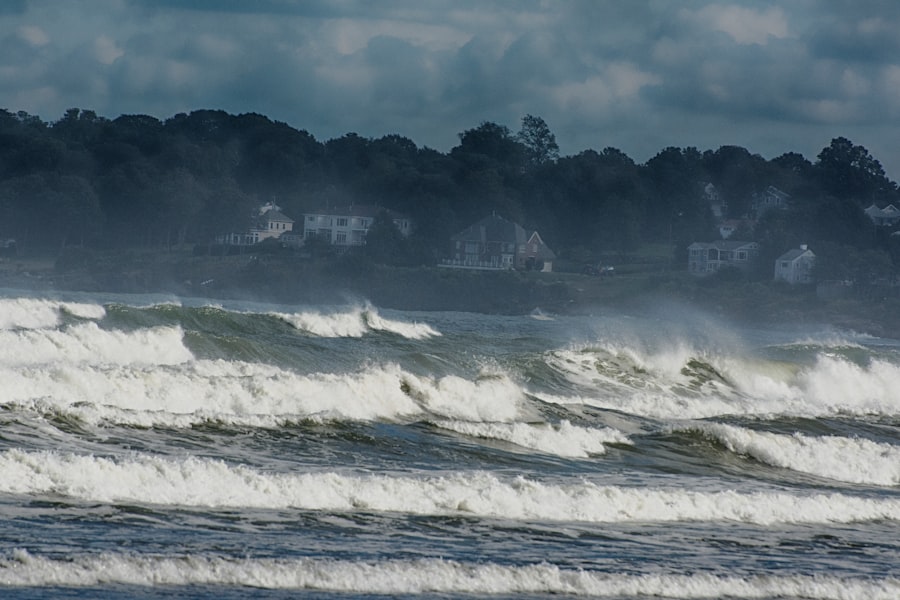
The Coastal Catastrophe Wave has imparted valuable lessons for communities across the Pacific Northwest. One key takeaway is the importance of preparedness; proactive measures such as emergency drills, community education programs, and robust evacuation plans can significantly mitigate risks associated with future disasters. By fostering a culture of preparedness, communities can empower residents to respond effectively when faced with emergencies.
Another critical lesson is the need for adaptive management strategies that account for changing environmental conditions. As climate change continues to influence weather patterns and sea levels, communities must remain flexible in their approaches to disaster response and recovery. This may involve investing in sustainable infrastructure that can withstand extreme weather events or restoring natural ecosystems that provide protective barriers against storm surges.
Economic Impact of the Catastrophe Wave on Local Industries
The economic impact of the Coastal Catastrophe Wave on local industries is profound and far-reaching. Industries such as tourism, fishing, and agriculture often bear the brunt of these disasters. For instance, coastal tourism can plummet following a catastrophe as visitors may be deterred by images of destruction or concerns about safety.
This decline not only affects businesses directly reliant on tourism but also has ripple effects throughout local economies. The fishing industry faces unique challenges as well; changes in marine ecosystems can lead to shifts in fish populations or even complete loss of certain species. This not only threatens livelihoods but also disrupts supply chains that depend on stable fish stocks.
As communities work towards recovery, diversifying local economies becomes essential to build resilience against future shocks.
Infrastructure Damage and the Challenges of Rebuilding
Infrastructure damage resulting from coastal catastrophes presents significant challenges for affected communities. Roads, bridges, utilities, and public facilities often suffer extensive damage during such events, complicating recovery efforts and hindering access to essential services. The rebuilding process can be lengthy and costly, requiring careful planning to ensure that infrastructure is not only restored but also improved to withstand future disasters.
Communities must navigate complex funding mechanisms for rebuilding efforts while balancing immediate needs with long-term sustainability goals. Engaging with engineers, urban planners, and environmental scientists can help ensure that new infrastructure is designed with resilience in mind. This collaborative approach can lead to innovative solutions that enhance community safety while promoting economic growth.
The Role of Climate Change in the Frequency and Severity of Coastal Catastrophes
Climate change plays an increasingly significant role in shaping the frequency and severity of coastal catastrophes in the Pacific Northwest. Rising sea levels contribute to more frequent flooding events, while changing weather patterns can lead to intensified storms capable of causing widespread destruction. As temperatures rise globally, these trends are expected to continue, posing heightened risks for coastal communities.
Understanding this relationship between climate change and coastal catastrophes is crucial for effective planning and response strategies. Policymakers must prioritize climate adaptation measures that address both immediate risks and long-term sustainability goals. This includes investing in green infrastructure solutions such as wetlands restoration or implementing stricter building codes designed to withstand extreme weather events.
Community Resilience and Preparedness in the Face of Future Catastrophes
Building community resilience is essential for preparing for future coastal catastrophes. This involves fostering strong social networks that enable residents to support one another during times of crisis. Community engagement initiatives can help raise awareness about disaster preparedness while encouraging collaboration among local organizations dedicated to enhancing resilience.
Education plays a pivotal role in this process; equipping residents with knowledge about potential risks and response strategies empowers them to take proactive measures. Regular training exercises can help familiarize individuals with emergency protocols while instilling confidence in their ability to respond effectively when faced with disasters.
Moving Forward from the Pacific Northwest Coastal Catastrophe Wave
As communities along the Pacific Northwest coast reflect on their experiences with the Coastal Catastrophe Wave, they stand at a crossroads—one that offers both challenges and opportunities for growth. The lessons learned from past events underscore the importance of preparedness, resilience-building efforts, and adaptive management strategies in navigating an uncertain future shaped by climate change. Moving forward requires a collective commitment from all stakeholders—government agencies, community organizations, businesses, and residents—to work together towards creating safer, more resilient coastal communities.
By embracing innovation while honoring traditional knowledge systems rooted in Indigenous practices, these communities can forge a path toward sustainable recovery that not only addresses immediate needs but also lays the groundwork for thriving futures amidst an ever-changing environment.
The Pacific Northwest coastal catastrophe wave has garnered significant attention due to its potential impact on coastal communities. For a deeper understanding of related environmental challenges and findings, you can explore the article on the XFile Findings website. This resource provides valuable insights into various ecological issues affecting the region. For more information, visit XFile Findings.
WATCH THIS! They Sealed This CIA File for a Reason—Here’s What the Psychic Saw
FAQs
What is the Pacific Northwest coastal catastrophe wave?
The Pacific Northwest coastal catastrophe wave refers to a massive tsunami that could result from a major earthquake along the Cascadia Subduction Zone, which lies off the coast of Washington, Oregon, and Northern California.
What causes the Pacific Northwest coastal catastrophe wave?
This tsunami is caused by a significant seismic event, specifically a megathrust earthquake along the Cascadia Subduction Zone, where the Juan de Fuca tectonic plate is subducting beneath the North American plate.
How often do such catastrophic waves occur in the Pacific Northwest?
Megathrust earthquakes and resulting tsunamis in the Pacific Northwest occur approximately every 300 to 600 years, with the last major event occurring in 1700.
What areas are most at risk from the Pacific Northwest coastal catastrophe wave?
Coastal communities in Washington, Oregon, and Northern California are most at risk, especially low-lying areas near the shoreline that could experience severe flooding and damage.
How much warning time do residents have before a tsunami hits?
Warning times can vary but are generally short, ranging from a few minutes to an hour, depending on the earthquake’s location and the distance from the coast.
What measures are in place to prepare for a Pacific Northwest tsunami?
Preparedness measures include early warning systems, public education campaigns, evacuation routes, tsunami hazard mapping, and community drills to ensure residents know how to respond.
Can the Pacific Northwest coastal catastrophe wave be predicted?
While scientists can identify the risk and estimate the likelihood of future events, precise prediction of the exact timing of earthquakes and tsunamis is currently not possible.
What should individuals do to stay safe during a tsunami warning?
Individuals should immediately move to higher ground or inland, follow official evacuation orders, avoid coastal areas, and stay tuned to emergency alerts for updates.
How does the Cascadia Subduction Zone contribute to tsunami risk?
The Cascadia Subduction Zone is a fault line where two tectonic plates meet and can produce powerful earthquakes that displace large volumes of water, generating tsunamis along the Pacific Northwest coast.
Are there ongoing research efforts related to the Pacific Northwest tsunami risk?
Yes, scientists continuously study seismic activity, geological records, and tsunami modeling to better understand the risks and improve early warning and preparedness strategies.