Discovering Effective Meditation Techniques for Inner Peace
This article examines various meditation techniques that can be instrumental in cultivating inner peace. It outlines their underlying principles, practical applications, and potential benefits, drawing upon established practices and research. The pursuit of inner peace, often elusive in the face of modern life’s demands, can be facilitated through consistent engagement with these contemplative methods. Understanding the nature of the mind and the tools available to temper its ceaseless activity is the first step on this path. Just as a sailor learns to navigate the currents of the ocean, a meditator learns to steer through the often-turbulent waters of their own thoughts and emotions.
Meditation, at its core, is a practice that trains the mind to achieve a state of focused awareness. It is not about emptying the mind, as some misconceptions suggest, but rather about observing its contents without judgment. This observation allows for a detachment from the constant stream of thoughts, emotions, and sensory input that typically occupies our consciousness. By cultivating this mindful awareness, individuals can begin to disentangle themselves from reactive patterns and develop a more stable and centered internal state. This practice can be likened to pruning an overgrown garden; rather than removing all the plants, one carefully removes the weeds and overgrowth to allow the essential beauty of the garden to flourish.
The Neurological Basis of Meditation
Research in neuroscience has illuminated the physiological changes that occur in the brain during meditation. Studies employing functional magnetic resonance imaging (fMRI) and electroencephalography (EEG) have shown that regular meditation practice can lead to alterations in brain structure and function. Specifically, changes have been observed in areas associated with attention, emotional regulation, and self-awareness. For instance, the prefrontal cortex, responsible for executive functions and decision-making, often shows increased activity and gray matter density in experienced meditators. Conversely, the amygdala, a key region in processing fear and stress, has been shown to decrease in activity.
The Role of Attention and Awareness
The efficacy of meditation techniques hinges on the interplay between attention and awareness. Attention is the capacity to focus on a chosen object, whether it be the breath, a mantra, or bodily sensations. Awareness, on the other hand, is the broader state of conscious perception, observing what arises in the mind and body. Many meditation practices involve directing attention to a specific anchor and then gently returning attention to that anchor whenever the mind wanders. This recurrent act of returning is, in itself, a powerful training for the mind, strengthening its ability to resist distraction and sustain focus.
If you’re interested in exploring various meditation techniques, you might find the article on mindfulness practices particularly insightful. It delves into different approaches to meditation, offering practical tips and guidance for both beginners and experienced practitioners. To read more about these techniques, visit the article here: Meditation Techniques.
Breath-Focused Meditation: The Cornerstone of Practice
Breath-focused meditation, also known as anapanasati, is one of the most accessible and widely practiced forms of meditation. It utilizes the natural rhythm of breathing as an anchor for attention. This technique is often recommended for beginners due to its simplicity and the fact that the breath is always present, offering a readily available tool for grounding. The breath serves as a constant, a gentle rhythm in the symphony of existence that can guide the practitioner back to the present moment.
The Mechanics of Breath Awareness
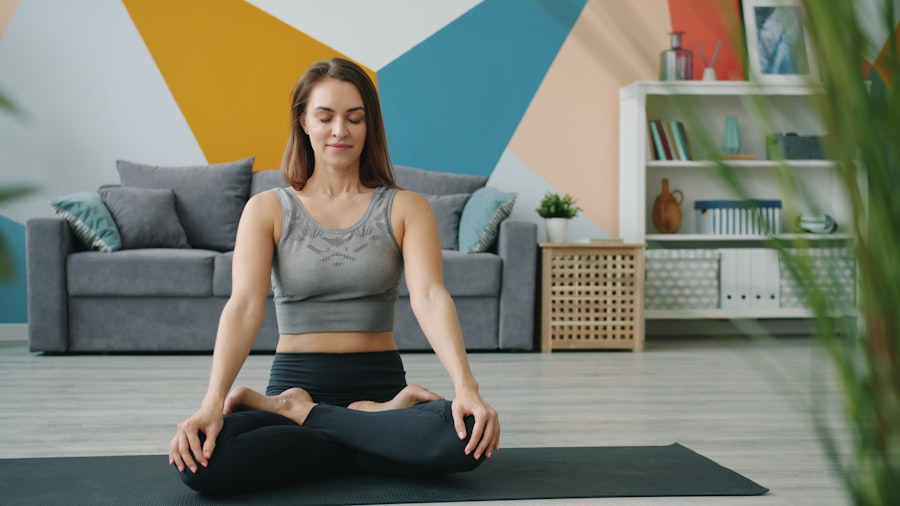
The practice involves sitting comfortably, with the spine erect but not rigid, and closing the eyes or softening the gaze. The practitioner then directs their attention to the physical sensations of breathing. This might involve noticing the rise and fall of the abdomen, the sensation of air entering and leaving the nostrils, or the subtle movements in the chest. The key is to observe these sensations without attempting to alter them, simply experiencing them as they are. When thoughts arise, as they inevitably will, the instruction is to acknowledge their presence without getting caught up in their narrative, and then to gently redirect attention back to the breath. This process, repeated consistently, cultivates a mindful relationship with the present moment.
Benefits of Breath-Focused Meditation
The benefits of consistent breath-focused meditation are multifaceted. It can significantly reduce stress and anxiety by activating the body’s relaxation response, lowering heart rate and blood pressure. By training the mind to focus, it can improve concentration and cognitive function, making individuals more effective in their daily tasks. Furthermore, it fosters a greater sense of self-awareness, allowing for a deeper understanding of one’s own thought patterns and emotional triggers. This technique acts as a sturdy lighthouse, guiding the ship of the mind through foggy waters, illuminating the path back to equilibrium.
Mindfulness Meditation: Cultivating Present Moment Awareness
Mindfulness meditation is a broad category that encompasses various techniques aimed at fostering non-judgmental awareness of the present moment. It is rooted in the understanding that much of our suffering arises from rumination about the past or anticipation of the future, rather than from our direct experience of the present. By learning to observe thoughts, feelings, bodily sensations, and the external environment with open curiosity, practitioners can develop a more balanced and less reactive approach to life’s challenges. Mindfulness invites one to become an impartial observer of the unfolding panorama of existence, rather than an overwhelmed participant.
Cultivating Non-Judgmental Observation
A key element of mindfulness meditation is the development of non-judgmental observation. This means acknowledging whatever arises in one’s experience—be it a pleasant sensation, an unpleasant emotion, or a fleeting thought—without labeling it as “good” or “bad,” or getting entangled in stories about it. The aim is to witness these phenomena as passing waves on the ocean of consciousness, rather than as defining characteristics of the self. This radical acceptance can be challenging, as our habitual tendency is to seek pleasure and avoid pain, but it is also profoundly liberating.
Applications of Mindfulness in Daily Life
The principles of mindfulness meditation can be seamlessly integrated into everyday activities. This is often referred to as informal mindfulness practice. For example, one can practice mindfulness while eating, noticing the taste, texture, and aroma of food without distraction. Similarly, mindful walking involves paying attention to the sensations of the feet on the ground, the movement of the body, and the surrounding environment. By bringing this quality of present-moment awareness to mundane tasks, the otherwise chaotic rhythm of life can transform into a more harmonious flow. This integration is akin to weaving the threads of contemplation into the fabric of daily existence, enriching its texture and color.
Loving-Kindness Meditation (Metta Bhavana): Nurturing Compassion
Loving-kindness meditation, known as Metta Bhavana in Pali, is a practice specifically designed to cultivate feelings of warmth, compassion, and goodwill towards oneself and others. Unlike mindfulness, which focuses on impartial observation, Metta actively generates positive emotions. This technique can be particularly beneficial for individuals struggling with self-criticism, anger, or feelings of isolation. It is an intentional cultivation of a garden of the heart, planting seeds of affection and nurturing their growth.
The Stages of Metta Practice
Metta meditation typically progresses through several stages, starting with extending loving-kindness to oneself. This is often the most challenging phase, as many individuals carry deep-seated self-criticism. Phrases such as “May I be happy, may I be healthy, may I be safe” are silently repeated, visualized, and imbued with genuine feeling. Once a degree of comfort is established in extending kindness to oneself, the practice expands to include loved ones, neutral persons, difficult persons, and finally, all sentient beings. This outward expansion of the heart is a powerful antidote to the self-centeredness that often underlies conflict and unhappiness.
Benefits of Cultivating Loving-Kindness
The benefits of regular Metta practice are profound and extend beyond individual well-being. By fostering a sense of connection and empathy, it can improve interpersonal relationships, reduce conflict, and promote a more harmonious society. For the individual, it can alleviate feelings of anger, resentment, and loneliness, while simultaneously increasing feelings of joy, contentment, and peace. This practice moves beyond mere observation and actively participates in the creation of positive emotional states, akin to a skilled musician composing a melody that resonates with warmth and beauty.
If you’re interested in exploring various methods to enhance your mindfulness practice, you might find the article on different Meditation Techniques particularly insightful. It offers a comprehensive overview of approaches that can help deepen your meditation experience. For more information, you can check out the article here.
Body Scan Meditation: Reconnecting with Physical Sensations
| Meditation Technique | Duration (minutes) | Focus Area | Common Benefits | Difficulty Level |
|---|---|---|---|---|
| Mindfulness Meditation | 10-30 | Present moment awareness | Reduced stress, improved focus | Beginner |
| Transcendental Meditation | 20 | Mantra repetition | Deep relaxation, decreased anxiety | Intermediate |
| Loving-Kindness Meditation (Metta) | 15-30 | Compassion and empathy | Increased positive emotions, social connection | Beginner |
| Body Scan Meditation | 20-45 | Body awareness | Reduced tension, improved sleep | Beginner |
| Zen Meditation (Zazen) | 20-40 | Posture and breath focus | Enhanced concentration, mental clarity | Advanced |
| Guided Visualization | 10-30 | Imagery and relaxation | Stress relief, creativity boost | Beginner |
| Chakra Meditation | 15-30 | Energy centers focus | Emotional balance, energy flow | Intermediate |
Body scan meditation is a systematic practice of bringing mindful awareness to different parts of the body, noticing any physical sensations without judgment. This technique is invaluable for individuals who tend to disconnect from their bodies, often due to stress, trauma, or chronic pain. By gently guiding attention through the body, from the tips of the toes to the crown of the head, practitioners can develop a deeper understanding of their physical landscape and cultivate a more accepting relationship with their bodies. The body scan is like an internal cartographer, mapping the terrain of one’s physical form with gentle curiosity.
The Process of a Body Scan
In a body scan, the practitioner lies down or sits comfortably and then, guided by their attention, progressively brings awareness to each area of the body. This might involve noticing the sensations of pressure where the body meets the surface, the temperature of the skin, or any tingling, aching, or throbbing. The instruction is not to change or fix any sensations, but simply to observe them with a receptive attitude. If resistance or discomfort arises, the guidance is to acknowledge it without forcing a change, recognizing that even discomfort is a form of sensation to be observed.
Therapeutic Applications of Body Scan
Body scan meditation has significant therapeutic applications, particularly in the management of chronic pain, anxiety, and depression. By increasing interoceptive awareness—the sense of the internal state of the body—individuals can become more attuned to the early signs of stress or discomfort and respond more effectively. Furthermore, by developing a more accepting relationship with bodily sensations, including those that are unpleasant, practitioners can reduce the secondary suffering that often accompanies pain or illness, such as fear and avoidance. This practice offers a powerful means of reclaiming a sense of embodiment and presence, transforming the body from a source of potential distress into a sanctuary of present moment experience.
Vipassanā Meditation: Insight into the Nature of Reality
Vipassanā, a Pali word meaning “insight” or “clear seeing,” is an ancient Indian meditation technique that aims to develop deep understanding into the impermanent, unsatisfactory, and selfless nature of reality. It is often considered a more advanced practice, though its foundational principles can be explored by beginners. Vipassanā involves observing all experiences—physical sensations, thoughts, emotions, and sensory perceptions—with mindful attention, seeking to understand their inherent characteristics. This is a journey of peeling back the layers of illusion to reveal the fundamental pulse of existence.
The Principles of Anicca, Dukkha, and Anattā
Vipassanā meditation traditionally focuses on understanding three key characteristics of existence: anicca (impermanence), dukkha (unsatisfactoriness or suffering), and anattā (non-self). By observing the fleeting nature of all phenomena (anicca), practitioners realize that nothing is permanent and change is the only constant. This realization can lead to a lessening of attachment to transient pleasures and a greater acceptance of life’s inevitable fluctuations. Understanding dukkha involves recognizing that clinging to impermanent things or resisting inevitable change leads to dissatisfaction. Finally, the contemplation of anattā reveals that there is no permanent, unchanging, independent self or ego; rather, what we perceive as “self” is a constantly arising and passing collection of physical and mental processes.
Developing Wisdom Through Observation
The practice of Vipassanā is not about intellectual understanding alone, but about direct, experiential insight gained through sustained, mindful observation. By witnessing the arising and passing of all phenomena with clarity and equanimity, practitioners gradually weaken the grip of ignorance and delusion. This can lead to the development of profound wisdom, a more compassionate understanding of oneself and others, and ultimately, a liberation from the cycles of suffering. Vipassanā, in this sense, is not just a meditation technique but a radical path to understanding the very fabric of existence, much like one might decipher the intricate patterns within a complex tapestry.
FAQs
What are some common meditation techniques?
Common meditation techniques include mindfulness meditation, focused attention meditation, loving-kindness meditation, body scan meditation, and transcendental meditation. Each technique involves different methods of focusing the mind and cultivating awareness.
How long should a meditation session typically last?
Meditation sessions can vary in length, but beginners often start with 5 to 10 minutes per session. More experienced practitioners may meditate for 20 to 30 minutes or longer. Consistency is more important than duration for developing a meditation habit.
Do I need any special equipment to practice meditation?
No special equipment is required to meditate. A quiet and comfortable space is helpful, and some people use cushions or chairs for comfort. Optional aids include guided meditation recordings, timers, or apps to support practice.
Can meditation help reduce stress and anxiety?
Yes, numerous studies have shown that meditation can effectively reduce stress and anxiety by promoting relaxation, improving emotional regulation, and increasing mindfulness. Regular practice can lead to long-term mental health benefits.
Is meditation suitable for everyone?
Meditation is generally safe and suitable for most people. However, individuals with certain mental health conditions should consult a healthcare professional before starting meditation, as some techniques may not be appropriate for everyone.