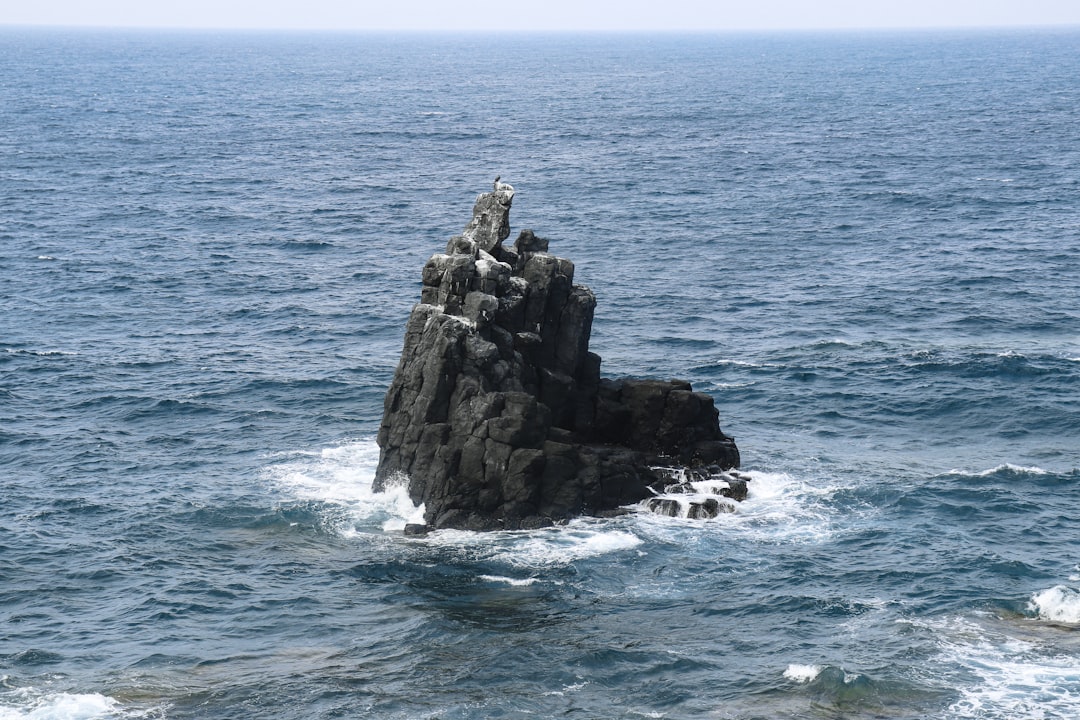
Underwater structures have evolved significantly throughout human history, driven by technological advancement and the desire to explore marine environments. Ancient civilizations developed basic vessels for fishing and maritime trade, establishing the foundation for underwater exploration. As technology progressed, humans developed submersibles and underwater research stations to access and study deeper ocean regions.
The latter half of the 20th century witnessed major advances in underwater construction through improved materials and engineering methods. Notable examples include the Aquarius Reef Base in Florida and Jacques Cousteau’s Conshelf habitats, which demonstrated the feasibility of sustained human presence underwater. These projects enabled the development of more complex structures, including deep-sea oil extraction platforms and underwater laboratories.
Today, these facilities support both scientific research and industrial operations, while ongoing improvements in oceanic knowledge continue to inform the design and function of underwater structures.
Key Takeaways
- Deep ocean bases offer unique advantages for scientific research, environmental conservation, and defense applications.
- Building and maintaining underwater structures present significant technical and logistical challenges.
- Innovations in construction technology and sustainable design are critical for the future viability of underwater habitats.
- Economic opportunities from deep ocean bases include resource exploration and new commercial ventures.
- International collaboration is essential to advance the development and responsible use of deep ocean bases.
Advantages of Deep Ocean Bases
Deep ocean bases offer a multitude of advantages that extend beyond mere exploration. One of the most significant benefits is their potential for scientific research. Positioned in some of the most remote and least explored areas of the planet, these bases provide scientists with unparalleled access to unique marine ecosystems.
This access allows for in-depth studies of biodiversity, geological formations, and oceanic processes that are crucial for understanding climate change and its impacts on global ecosystems. The ability to conduct long-term research in situ enables scientists to gather data that would be impossible to obtain from surface vessels or satellites. Moreover, deep ocean bases can serve as platforms for technological advancements.
They can facilitate the testing and development of new technologies designed for extreme environments, such as robotics and autonomous vehicles. These innovations not only enhance our understanding of the ocean but also have applications in other fields, including space exploration and disaster response. The strategic location of deep ocean bases also allows for monitoring of ocean currents and weather patterns, contributing valuable information to climate science and improving predictive models. You can watch fascinating underwater UFO sightings by clicking underwater UFO sightings.
Challenges of Building and Maintaining Deep Ocean Bases
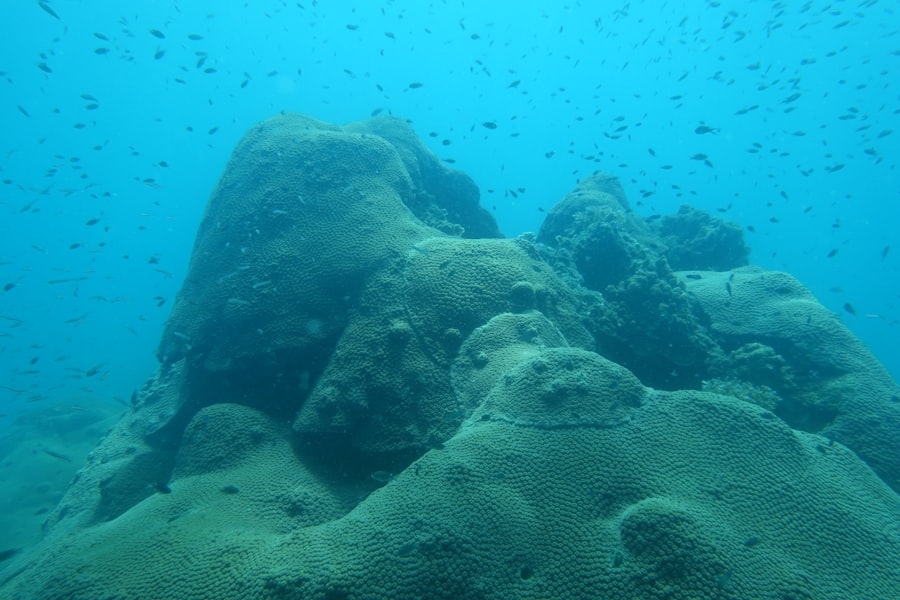
Despite their numerous advantages, constructing and maintaining deep ocean bases presents a host of challenges. The extreme conditions found at great depths—such as high pressure, low temperatures, and corrosive saltwater—pose significant engineering hurdles. Designing structures that can withstand these conditions requires advanced materials and innovative engineering solutions.
Additionally, the logistics of transporting materials and personnel to remote underwater locations can be daunting, often necessitating specialized vessels and equipment. Maintenance is another critical challenge faced by deep ocean bases. The harsh environment can lead to rapid wear and tear on structures and equipment, necessitating regular inspections and repairs.
This maintenance is often complicated by the difficulty of accessing these bases, as well as the need for specialized training for personnel who must operate in such extreme conditions. Furthermore, ensuring the safety of researchers and support staff is paramount, requiring rigorous safety protocols and emergency response plans to address potential hazards.
The Role of Deep Ocean Bases in Scientific Research
Deep ocean bases play a pivotal role in advancing scientific research across various disciplines. They serve as laboratories where scientists can conduct experiments in real-time, observing marine life behaviors and interactions that would otherwise remain hidden from view. These bases enable researchers to study phenomena such as hydrothermal vents, deep-sea coral reefs, and unique species adapted to extreme conditions.
The insights gained from these studies contribute significantly to our understanding of marine biology, ecology, and geology. Additionally, deep ocean bases facilitate interdisciplinary collaboration among scientists from various fields. Marine biologists, geologists, climatologists, and engineers can work together in a shared environment, fostering innovation and cross-pollination of ideas.
This collaborative approach enhances the quality of research conducted at these bases, leading to more comprehensive findings that can inform conservation efforts and policy decisions. As global challenges such as climate change intensify, the role of deep ocean bases in scientific research becomes increasingly vital.
Deep Ocean Bases and Environmental Conservation
| Metric | Description | Typical Value / Range | Unit |
|---|---|---|---|
| Depth | Operational depth of the base below sea level | 1000 – 6000 | meters |
| Pressure | Water pressure exerted at operational depth | 100 – 600 | MPa (megapascals) |
| Structural Material | Common materials used for construction | Steel, Titanium, Reinforced Concrete | N/A |
| Base Volume | Internal habitable volume of the base | 500 – 5000 | cubic meters |
| Power Supply | Primary energy source for base operations | Nuclear, Renewable (tidal, thermal), Battery | N/A |
| Life Support Duration | Maximum duration the base can support life without resupply | 30 – 180 | days |
| Communication Range | Effective communication distance with surface or other bases | Up to 100 | kilometers |
| Emergency Escape Time | Time required to evacuate the base in an emergency | 5 – 30 | minutes |
| Temperature Control | Internal temperature regulation range | 18 – 25 | °C |
| Structural Lifespan | Expected operational lifespan of the base structure | 10 – 50 | years |
The establishment of deep ocean bases is not solely about exploration; it also plays a crucial role in environmental conservation efforts. By providing a platform for extensive research on marine ecosystems, these bases contribute to a better understanding of biodiversity and the threats posed by human activities such as overfishing, pollution, and climate change. The data collected from these underwater habitats can inform conservation strategies aimed at protecting vulnerable species and habitats.
Moreover, deep ocean bases can serve as monitoring stations for environmental changes in real-time. Equipped with advanced sensors and technology, they can track shifts in ocean temperature, acidity levels, and marine life populations. This information is invaluable for policymakers and conservationists working to mitigate the impacts of climate change on marine ecosystems.
By acting as both research hubs and monitoring stations, deep ocean bases play an essential role in promoting sustainable practices and preserving the health of our oceans.
The Use of Deep Ocean Bases in Defense and Security
In addition to their scientific applications, deep ocean bases have significant implications for defense and security. As nations increasingly recognize the strategic importance of maritime domains, these underwater structures can serve as critical assets for surveillance and reconnaissance operations.
Furthermore, deep ocean bases can support military operations by providing logistical support for submarines and other naval vessels. They can serve as repair stations or supply depots for operations conducted in remote areas of the ocean. The ability to maintain a presence in these strategic locations enhances national security while also contributing to international maritime stability.
As geopolitical tensions continue to rise in various regions around the world, the role of deep ocean bases in defense strategies is likely to expand.
The Future of Underwater Living
The concept of underwater living is no longer confined to science fiction; it is becoming an increasingly viable reality thanks to advancements in technology and engineering. As humanity faces challenges such as overpopulation and resource scarcity on land, underwater habitats present an alternative solution for sustainable living. The future may see entire communities established beneath the waves, designed to minimize environmental impact while maximizing resource efficiency.
By utilizing sustainable practices in construction and operation, these habitats could serve as models for future urban development both underwater and on land. As research continues to unveil the potential benefits of underwater living, it is likely that more investments will be made into developing infrastructure that supports this vision.
Innovations in Underwater Construction Technology
The field of underwater construction technology has witnessed remarkable innovations over recent years. Advances in materials science have led to the development of stronger, more durable materials capable of withstanding extreme underwater conditions. Innovations such as self-healing concrete and corrosion-resistant alloys are revolutionizing how structures are built beneath the waves.
Additionally, robotics and automation are playing an increasingly important role in underwater construction projects. Autonomous underwater vehicles (AUVs) equipped with advanced sensors can conduct surveys and inspections with precision while minimizing human risk exposure. These technologies not only enhance efficiency but also reduce costs associated with construction and maintenance activities.
As research continues into new construction methods tailored for underwater environments, the possibilities for future projects are virtually limitless.
Sustainable Design and Operation of Deep Ocean Bases
Sustainability is a critical consideration in the design and operation of deep ocean bases. As awareness grows regarding environmental issues facing our oceans, there is an increasing emphasis on creating structures that minimize ecological footprints while maximizing resource efficiency. Sustainable design principles can be integrated into every aspect of a deep ocean base’s operation—from energy consumption to waste management.
For instance, utilizing renewable energy sources such as solar panels or tidal turbines can significantly reduce reliance on fossil fuels for power generation. Additionally, implementing closed-loop systems for water usage can help conserve precious resources while minimizing waste production. By prioritizing sustainability in their design and operation, deep ocean bases can serve as exemplars for responsible stewardship of marine environments.
Economic Opportunities Associated with Deep Ocean Bases
The establishment of deep ocean bases presents numerous economic opportunities that extend beyond scientific research or military applications. These structures can facilitate new industries focused on sustainable resource extraction from the ocean floor—such as mining for rare minerals or harvesting renewable energy sources like tidal power. As technology advances further into this realm, it is likely that new markets will emerge around these activities.
Moreover, deep ocean bases can stimulate local economies by creating jobs related to construction, maintenance, research support services, tourism (for educational purposes), and more. By fostering partnerships between governments, private enterprises, academic institutions, and non-profit organizations involved in marine conservation efforts—economic growth can be achieved while ensuring responsible use of marine resources.
International Collaboration in the Development of Deep Ocean Bases
The development of deep ocean bases necessitates international collaboration due to shared interests in marine exploration and conservation efforts across borders. Many countries recognize that oceans do not adhere to national boundaries; therefore cooperation is essential for effective management strategies aimed at protecting marine ecosystems while promoting sustainable use. Collaborative initiatives can take various forms—from joint research projects involving multiple nations’ scientists working together on specific studies—to agreements governing resource extraction practices within international waters.
Such partnerships foster knowledge exchange among diverse stakeholders while promoting best practices that benefit all parties involved. As humanity continues its quest to explore deeper into our oceans’ mysteries—international collaboration will be vital not only for advancing scientific knowledge but also for ensuring equitable access to resources while safeguarding fragile marine environments for future generations.
Deep ocean base structures are a fascinating area of research, particularly in the context of underwater habitats and their potential for scientific exploration. For more insights into this topic, you can read a related article that discusses the advancements in underwater technology and the implications for deep-sea exploration. Check it out here: Deep Ocean Innovations.
WATCH THIS! 🚢 THEY KNOW: What The Navy Has Hidden For 50 Years 🔒
FAQs
What are deep ocean base structures?
Deep ocean base structures are engineered facilities located on or beneath the ocean floor, designed to support scientific research, military operations, resource extraction, or underwater habitation.
What materials are commonly used to build deep ocean base structures?
These structures are typically constructed using high-strength steel, reinforced concrete, and specialized composites that can withstand extreme pressure, corrosion, and harsh underwater conditions.
How deep can deep ocean base structures be built?
Deep ocean base structures can be built at various depths, ranging from shallow coastal waters to the abyssal plains, which can exceed depths of 6,000 meters (approximately 20,000 feet).
What are the main challenges in constructing deep ocean base structures?
Key challenges include withstanding immense water pressure, ensuring structural integrity against corrosion, providing reliable life support systems, and managing logistics for construction and maintenance in remote underwater environments.
What purposes do deep ocean base structures serve?
They serve multiple purposes such as marine scientific research, underwater mining, military surveillance, environmental monitoring, and sometimes as habitats for divers or autonomous underwater vehicles.
How are deep ocean base structures powered?
Power sources can include underwater cables connected to land-based grids, onboard nuclear or renewable energy systems like tidal or thermal energy converters, and battery storage systems.
Are deep ocean base structures permanent or temporary?
They can be either permanent installations designed for long-term use or temporary structures deployed for specific missions or research projects.
What technologies are used to maintain and operate deep ocean base structures?
Technologies include remotely operated vehicles (ROVs), autonomous underwater vehicles (AUVs), advanced communication systems, life support and environmental control systems, and robotic maintenance tools.
Is it safe for humans to live in deep ocean base structures?
With proper engineering, life support, and safety protocols, humans can safely inhabit deep ocean bases for extended periods, although challenges such as pressure, isolation, and limited emergency access remain.
What environmental impacts do deep ocean base structures have?
Potential impacts include disturbance to marine ecosystems during construction and operation, pollution risks, and noise disruption; however, careful planning and environmental assessments aim to minimize these effects.