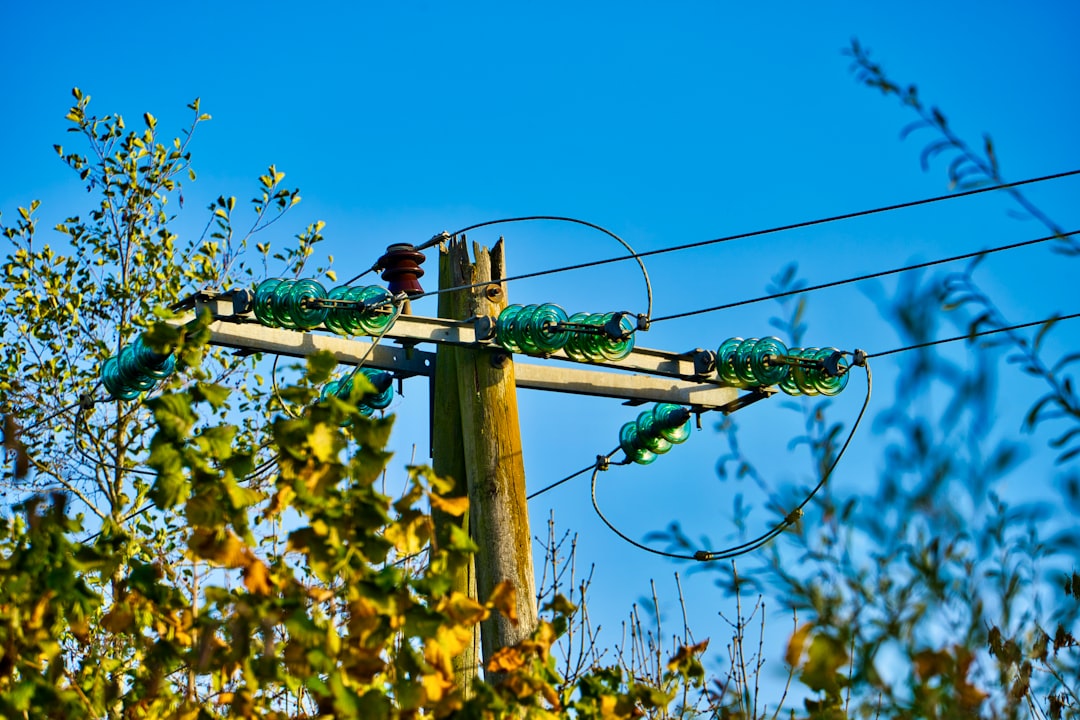
The phenomenon of “soil leaking fields,” or more accurately, the leakage of high-voltage electrical fields into the ground, is a complex and often misunderstood aspect of electrical engineering and environmental science. This article aims to demystify this topic, providing a comprehensive overview of its mechanisms, implications, and mitigation strategies. Readers will gain a deeper understanding of how these powerful forces interact with the earth beneath their feet.
At its core, a high-voltage electrical field is a region around an electrically charged object where charge exerts a force on other charged objects. When this field extends into the surrounding soil, it becomes a “leaking field.” This leakage is not a catastrophic failure in most cases, but rather an inherent characteristic of how electricity behaves in conductive mediums like soil.
The Role of Grounding and Earthing
Grounding, or earthing, is a critical component in electrical systems. It involves connecting electrical equipment to the Earth, providing a path for fault currents and stabilizing voltage. However, even with proper grounding, an electric field can still extend into the soil. Consider the analogy of a tree rooted deeply in the earth; while its primary function is to draw water and nutrients, its far-reaching root system subtly alters the surrounding soil structure. Similarly, a grounded electrical system, while effectively dissipating fault currents, still establishes an electrical presence in the ground.
Conductivity of Soil
The electrical conductivity of soil is a key determinant in how far and how intensely an electrical field will leak. Soil is not a uniform insulator; its conductivity varies significantly based on its composition, moisture content, temperature, and the presence of dissolved minerals.
- Composition: Clay soils, due to their fine particle size and higher cation exchange capacity, tend to be more conductive than sandy soils.
- Moisture Content: Water is a good conductor of electricity. Therefore, moist soil is significantly more conducive than dry soil. This is why areas prone to flooding or high water tables often experience more pronounced leaking field effects.
- Temperature: While less impactful than moisture, higher temperatures generally increase the electrical conductivity of soil due to increased molecular agitation.
- Dissolved Minerals: Salts and other dissolved electrolytes in soil water increase its conductivity by providing mobile ions for charge transport.
High voltage returns can significantly impact the environment, particularly when they lead to leaking fields that contaminate the soil. This issue is critical to address, as it poses risks to both human health and local ecosystems. For a deeper understanding of the implications and potential solutions related to this topic, you can read a related article at XFile Findings.
Mechanisms of Electrical Field Leakage
The leakage of high-voltage electrical fields into the soil occurs through several interconnected mechanisms, each contributing to the overall electrical footprint in the subsurface.
Capacitive Coupling
Capacitive coupling is a significant pathway for electrical field leakage, especially at higher frequencies. It involves the formation of an electric field between a conductor and the ground, with the soil acting as the dielectric material. Imagine two parallel plates in a capacitor, separated by an insulating material. In the case of leaking fields, the high-voltage conductor acts as one plate, and the earth acts as the other, with the intervening soil forming the dielectric. The electric field lines extend from the conductor into the soil, creating a potential difference across the soil volume.
- Influence of Frequency: At higher frequencies, capacitive coupling becomes more pronounced. This is particularly relevant for alternating current (AC) systems, where the constantly changing electric field induces displacement currents in the soil.
- Geometric Factors: The geometry of the conductors (e.g., overhead power lines, underground cables) and their proximity to the ground significantly influence the strength and extent of capacitive coupling. Closely spaced conductors or those closer to the surface will exhibit stronger capacitive leakage.
Resistive Conduction
Resistive conduction is the direct flow of electric current through the resistive medium of the soil. While often associated with fault currents, it also contributes to leakage even under normal operating conditions. This occurs when there is a potential difference between a conductor and the ground, and the soil offers a path of least resistance for a small, continuous flow of current. Think of a slightly porous sieve; while designed to hold water, a small amount will still seep through.
- Ground Rods and Electrodes: Ground rods and other earthing electrodes are specifically designed to facilitate resistive conduction for safety purposes. However, the electrical field emanating from these electrodes extends beyond their immediate vicinity into the surrounding soil.
- Leakage Currents: Even in well-insulated systems, small leakage currents can flow from conductors through insulation and into the soil. These currents, though typically small, contribute to the overall electrical field in the ground.
Inductive Coupling (Secondary Effect)
While not a direct mechanism of field leakage, inductive coupling represents a secondary effect that can influence the presence of electrical fields in the soil. When fluctuating magnetic fields, generated by high currents in overhead or underground power lines, pass through the soil, they can induce circulating currents in conductive soil pathways. These induced currents, in turn, create their own electric fields within the soil. This is analogous to a ripple effect; a stone dropped in a pond (magnetic field) creates waves (induced currents) that in turn disturb the water surface (electric fields).
- AC Systems: Inductive coupling is predominantly an AC phenomenon due as it relies on changing magnetic fields. Direct current (DC) systems produce static magnetic fields that do not induce currents in this manner.
- Underground Cables: Underground cables, while shielding the electric field directly, can still generate significant magnetic fields that induce currents when they traverse conductive geological formations.
Environmental and Biological Implications
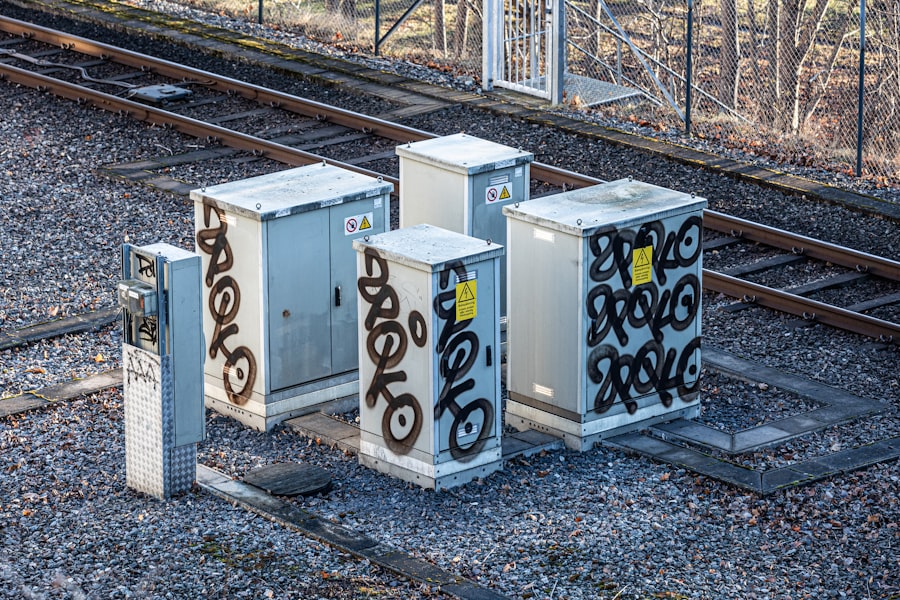
The presence of high-voltage leaking fields in the soil has a range of potential environmental and biological implications, some of which are still subjects of ongoing research and debate.
Impact on Soil Chemistry and Microbiology
The continuous exposure of soil to electrical fields can induce subtle, yet significant, changes in its chemical and microbiological properties.
- Electrochemical Reactions: Electrical fields can drive electrochemical reactions in the soil, potentially altering pH, redox potential, and the mobility of various ions and heavy metals. For example, some studies suggest that prolonged exposure can increase the solubility of certain metals, making them more available for uptake by plants.
- Microbial Activity: Soil microorganisms play a crucial role in nutrient cycling and overall soil health. Research suggests that electrical fields, particularly at higher strengths, could influence microbial populations and their metabolic activities. This could lead to shifts in bacterial and fungal communities, potentially impacting decomposition rates and nutrient availability. Consider a gentle hum in a complex machinery; while not destructive, it can subtly shift the rhythm of its operation.
Effects on Plant Growth and Root Systems
Plants, being rooted in the soil, are directly exposed to leaking electrical fields, which can influence their growth and development.
- Root Development: Electrical fields have been observed to influence root growth patterns, potentially causing them to grow away from or towards the field source, or altering their branching architecture. The perception of electrical fields by plant root cells is an area of active research, with potential implications for crop yields and ecosystem stability.
- Nutrient Uptake: Changes in soil chemistry and microbial activity, driven by electrical fields, can indirectly affect the ability of plants to absorb essential nutrients. Altered ion mobility can lead to nutrient deficiencies or toxicities.
- Electrostimulation: In some specific applications, controlled electrical fields are even used to stimulate plant growth, suggesting a complex and dose-dependent response to electrical exposure. However, uncontrolled leakage fields may present different outcomes.
Potential for Biological Exposure
While the concerns are often focused on higher frequency electromagnetic fields (EMF), the low-frequency electric fields radiating from leaking areas also warrant consideration for biological exposure to both fauna and humans.
- Ground Current Paths: If a human or animal stands within a significant leaking field, particularly during a fault condition, ground currents can flow through their bodies, leading to electrical shock. Even at lower, persistent levels, concerns about long-term biological effects exist.
- Migratory Animals: Some migratory animals, such as birds and fish, are believed to use the Earth’s magnetic field for navigation. Changes in electric fields, particularly those accompanied by induced magnetic fields, could potentially interfere with these natural navigational cues, though this is a complex and highly debated area.
Detection and Measurement of Leaking Fields

Accurate detection and measurement of high-voltage leaking fields are essential for assessing their extent, potential impact, and for designing effective mitigation strategies.
Instrumentation and Techniques
A variety of specialized instruments and techniques are employed to characterize leaking fields.
- Electric Field Meters: Handheld and stationary electric field meters can directly measure the strength of the electric field at various points in the soil. These devices typically use probes that detect potential differences or the force exerted on a charged plate.
- Ground Penetrating Radar (GPR): While primarily used for subsurface imaging, GPR can sometimes indirectly reveal areas of unusual electrical conductivity which may correspond to leaking fields, especially when combined with other methods. Alterations in dielectric properties caused by electrical fields can affect GPR signal propagation.
- Soil Resistivity Meters: These devices measure the electrical resistivity of the soil, providing insights into its conductive properties, which are crucial for understanding the extent of leakage. By injecting a current and measuring the resulting voltage drop, a detailed profile of soil resistivity can be created.
- Thermal Imaging: In some cases, significant leakage currents can generate localized heating in the soil. Thermal imaging cameras can detect these subtle temperature anomalies, providing an indirect indicator of electrical activity.
Challenges in Measurement
Measuring leaking fields presents several inherent challenges that require careful consideration.
- Environmental Variability: As previously discussed, soil conductivity is highly variable. This means that measurements taken at different times or in different locations can vary significantly, making it difficult to establish baseline conditions or identify consistent patterns.
- Interference from Other Sources: The electrical environment is replete with various sources of electromagnetic fields, including natural telluric currents, radio waves, and other man-made electrical infrastructure. Differentiating the leaking field from these background noise sources requires sophisticated signal processing and careful experimental design. It’s like trying to hear a specific conversation in a crowded room.
- Depth and Spatial Resolution: Characterizing the three-dimensional extent of a leaking field requires measurements at various depths and across a broad spatial area. This can be time-consuming and logistically challenging, especially in complex geological settings.
Recent studies have highlighted the concerning issue of high voltage returns leaking electromagnetic fields into the soil, which can have detrimental effects on both the environment and human health. For a deeper understanding of this phenomenon and its implications, you can explore a related article that discusses the various factors contributing to this problem. The article provides insights into how these leaks occur and the potential risks associated with them. To read more about this important topic, visit this article.
Mitigation and Management Strategies
| Parameter | Unit | Typical Range | Impact on Soil | Measurement Method |
|---|---|---|---|---|
| Leakage Current | mA | 0.1 – 10 | Can cause soil ionization and corrosion | Clamp meter, Soil probes |
| Electric Field Strength | V/m | 10 – 1000 | May affect soil microorganisms and plant roots | Electric field sensors |
| Soil Resistivity | Ω·m | 10 – 1000 | Influences leakage current distribution | Four-point probe method |
| Voltage Gradient in Soil | V/m | 1 – 50 | Potential for electrochemical reactions | Voltage probes |
| Soil Moisture Content | % | 5 – 40 | Affects conductivity and leakage paths | Soil moisture sensors |
| Corrosion Rate | mm/year | 0.01 – 0.5 | Accelerated by leakage currents | Corrosion coupons, Electrochemical sensors |
Addressing high-voltage leaking fields involves a multi-faceted approach, encompassing design considerations, operational practices, and environmental remediation.
Design and Engineering Solutions
Preventative measures and robust engineering designs are paramount in minimizing leakage.
- Improved Insulation: Enhancing the quality and thickness of insulation materials for power lines and cables is a primary strategy. This reduces the dielectric constant between the conductor and the soil, thereby minimizing capacitive coupling and leakage currents.
- Shielding: Encasing conductors in conductive shields, which are then grounded, can effectively contain the electric field within the shield, preventing its propagation into the soil. This is particularly common for underground cables. Think of a protective cocoon around a delicate instrument.
- Deep Grounding Systems: Utilizing deeper and more extensive grounding systems can help to dissipate any unintended electrical fields more effectively and widely, reducing the intensity of the field in any single location.
- Undergrounding of Lines: While often more expensive, undergrounding power lines significantly reduces the direct exposure of the soil surface to electric fields. However, as noted, magnetic fields can still induce currents.
Operational and Maintenance Practices
Regular monitoring and proactive maintenance play a crucial role in managing existing leaking fields.
- Routine Inspection and Testing: Regular inspection of electrical infrastructure, including insulation integrity tests and ground resistance measurements, can identify areas of potential leakage proactively.
- Load Balancing: In multi-phase AC systems, imbalances in electrical load can lead to uneven current flows and consequently, stronger localized electric and magnetic fields. Implementing load balancing strategies can help mitigate these effects.
- Vegetation Management: Keeping vegetation clear from overhead power lines reduces the risk of arcing and flashovers, which can lead to transient but intense ground current paths.
Environmental Remediation and Monitoring
In instances where significant leakage has occurred or is unavoidable, environmental remediation and continuous monitoring are necessary.
- Soil Remediation: If soil chemistry or microbiological communities have been adversely affected, targeted remediation strategies might be necessary. This could involve adding amendments to the soil to stabilize heavy metals or to promote beneficial microbial growth.
- Biological Monitoring: Long-term monitoring of plant health, growth, and biodiversity in affected areas can provide crucial data on the ecological impact of leaking fields. Monitoring of local fauna behavior can also be implemented.
- Stakeholder Engagement: Open communication with landowners, communities, and environmental agencies is vital for addressing concerns and implementing effective management plans for areas affected by leaking fields. Transparency is a cornerstone of responsible infrastructure management.
In conclusion, “soil leaking fields” represent a nuanced aspect of electrical engineering with diverse implications for the environment and potentially, living organisms. By understanding the underlying physics, employing advanced detection methods, and implementing robust mitigation strategies, engineers and environmental scientists can effectively manage the presence of these powerful, yet often invisible, influences that permeate the earth. The interaction of high-voltage electricity with the ground is a continuous dialogue between human infrastructure and the natural world, demanding ongoing attention and informed stewardship.
FAQs
What causes high voltage returns to leak electric fields into the soil?
High voltage returns can leak electric fields into the soil due to imperfect insulation, grounding issues, or faults in the return conductor system. These leaks occur when the return current finds alternative paths through the earth, creating stray electric fields.
What are the potential effects of leaking electric fields in soil?
Leaking electric fields in soil can lead to corrosion of buried metal structures, interference with underground communication cables, and potential safety hazards for humans and animals due to stray voltage exposure.
How can leaking fields from high voltage returns be detected?
Leaking fields can be detected using specialized instruments such as earth resistivity meters, electromagnetic field detectors, and soil potential measurements. Regular monitoring helps identify areas with abnormal electric field levels.
What measures can be taken to reduce or prevent electric field leakage into soil?
Preventive measures include proper grounding and bonding of electrical systems, using insulated return conductors, maintaining equipment to avoid faults, and implementing shielding techniques to contain electric fields.
Is leaking electric field from high voltage returns harmful to the environment?
While low levels of leaking fields are generally not harmful, prolonged exposure to higher levels can affect soil chemistry, harm microorganisms, and contribute to corrosion of infrastructure. Proper management is essential to minimize environmental impact.