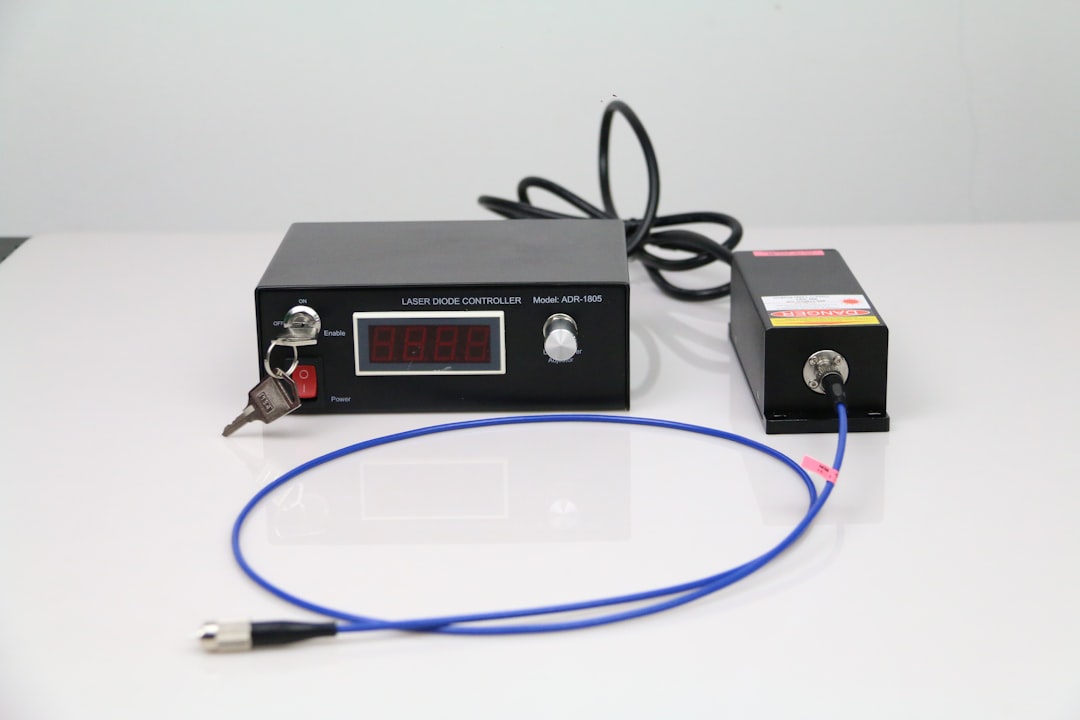
Hydrophone calibration is a standardized procedure in underwater acoustics that establishes the measurement accuracy of these acoustic sensors in marine environments. Hydrophones function as underwater microphones and are utilized across multiple sectors including marine biological research, environmental monitoring, oceanographic studies, and naval defense systems. The calibration process determines the hydrophone’s sensitivity characteristics and frequency response parameters to ensure precise detection and measurement of acoustic signals within the operational environment.
Accurate calibration is necessary for generating reliable acoustic data that supports scientific research and operational decision-making in marine settings. Proper hydrophone calibration directly affects the validity of scientific measurements and environmental assessments conducted in aquatic environments. Inadequately calibrated instruments can produce inaccurate data, resulting in flawed interpretations of marine acoustic phenomena and ecosystem conditions.
Given the growing emphasis on marine conservation and the increasing use of acoustic monitoring technologies, precise underwater acoustic measurements have become essential for effective marine resource management. Consequently, standardized calibration procedures are fundamental requirements for researchers, environmental consultants, and technical personnel operating acoustic monitoring systems in marine environments.
Key Takeaways
- Hydrophone calibration is essential for accurately detecting and analyzing acoustic signatures in marine environments.
- Negative acoustic signatures provide critical insights into underwater phenomena that are often overlooked.
- Calibrating hydrophones involves specialized techniques to ensure precise measurement of both positive and negative acoustic signals.
- Understanding negative acoustic signatures aids in environmental monitoring and has significant applications in marine biology.
- Ongoing research and collaboration are key to overcoming challenges and advancing hydrophone calibration technology.
Understanding Acoustic Signatures
Acoustic signatures refer to the unique sound patterns produced by various objects or organisms in the water. These signatures can be influenced by a multitude of factors, including the size, shape, and behavior of the source generating the sound. For instance, different species of fish produce distinct sounds during mating rituals or territorial disputes, while underwater geological events like earthquakes generate low-frequency rumblings.
By analyzing these acoustic signatures, researchers can gain insights into the behaviors and interactions of marine life, as well as monitor environmental changes. The study of acoustic signatures is not limited to biological sources; it also encompasses anthropogenic sounds such as shipping traffic, construction activities, and naval exercises. These human-generated noises can significantly alter the acoustic landscape of marine environments, potentially masking or interfering with the natural sounds produced by marine organisms.
Understanding both natural and anthropogenic acoustic signatures is crucial for assessing the health of marine ecosystems and developing strategies for their conservation.
Importance of Negative Acoustic Signatures
Negative acoustic signatures are often overlooked in discussions about underwater acoustics, yet they hold significant importance in understanding marine environments. These signatures can be defined as sounds that indicate the absence or reduction of expected acoustic activity. For example, a sudden drop in the frequency of fish calls in a particular area may signal a decline in fish populations or changes in their behavior due to environmental stressors.
Recognizing these negative signatures can provide valuable insights into the health of marine ecosystems. The importance of negative acoustic signatures extends to their potential use as early warning indicators for environmental changes. By monitoring shifts in acoustic patterns, researchers can detect disturbances caused by pollution, habitat degradation, or climate change.
Consequently, understanding negative acoustic signatures is essential for effective environmental management and conservation efforts.
Techniques for Hydrophone Calibration
Various techniques are employed for hydrophone calibration to ensure accurate measurements of underwater sound. One common method involves using a reference sound source, such as a calibrated loudspeaker or a known acoustic signal generator. By comparing the output from the hydrophone with the reference signal at different frequencies and sound levels, researchers can determine the hydrophone’s sensitivity and frequency response.
This process often requires specialized equipment and controlled conditions to minimize external noise interference. Another technique involves field calibration, where hydrophones are tested in their intended operational environment. This method allows researchers to account for environmental factors that may affect sound propagation, such as temperature gradients and salinity levels.
Field calibration can provide a more realistic assessment of a hydrophone’s performance under actual conditions, ensuring that data collected during research projects is both accurate and relevant. By employing these techniques, researchers can enhance the reliability of their acoustic measurements and contribute to a deeper understanding of underwater ecosystems.
Challenges in Uncovering Negative Acoustic Signatures
| Metric | Value | Unit | Description |
|---|---|---|---|
| Frequency Range | 10 – 1000 | Hz | Operational frequency range for hydrophone calibration |
| Negative Acoustic Signature Level | -120 | dB re 1 µPa | Measured negative acoustic signature amplitude |
| Calibration Sensitivity | 150 | dB re 1 V/µPa | Hydrophone sensitivity during calibration |
| Signal-to-Noise Ratio (SNR) | 40 | dB | Ratio of signal strength to background noise |
| Calibration Uncertainty | ±0.5 | dB | Uncertainty in calibration measurement |
| Temperature | 15 | °C | Water temperature during calibration |
| Hydrophone Depth | 5 | m | Depth at which calibration was performed |
Despite their significance, uncovering negative acoustic signatures presents several challenges for researchers. One primary obstacle is the inherent complexity of underwater soundscapes, which are often filled with overlapping sounds from various sources. Distinguishing between natural variations in acoustic activity and genuine declines or absences can be difficult, requiring sophisticated analytical techniques and advanced signal processing methods.
Additionally, environmental factors such as background noise from shipping traffic or natural phenomena like waves can obscure negative acoustic signatures. This interference complicates data interpretation and may lead to false conclusions about the health of marine populations. Researchers must develop robust methodologies to filter out extraneous noise while accurately identifying significant changes in acoustic patterns.
Overcoming these challenges is essential for harnessing the full potential of negative acoustic signatures in marine research.
Role of Hydrophone Calibration in Environmental Monitoring
Hydrophone calibration plays a pivotal role in environmental monitoring by ensuring that data collected on underwater sound is accurate and reliable. As human activities increasingly impact marine ecosystems, monitoring changes in acoustic environments has become essential for assessing ecological health. Calibrated hydrophones provide researchers with the tools needed to detect shifts in sound patterns that may indicate changes in species distribution or population dynamics.
Moreover, calibrated hydrophones can be deployed in long-term monitoring programs to track trends over time. By establishing baseline acoustic conditions and regularly assessing deviations from these norms, researchers can identify potential threats to marine life and habitats. This information is invaluable for informing conservation strategies and policy decisions aimed at protecting vulnerable species and ecosystems from anthropogenic pressures.
Applications of Negative Acoustic Signatures in Marine Biology
Negative acoustic signatures have numerous applications in marine biology, particularly in understanding species behavior and population dynamics. For instance, researchers can use these signatures to monitor fish populations by analyzing changes in their vocalizations over time. A decline in fish calls may indicate overfishing or habitat degradation, prompting further investigation into the underlying causes.
Additionally, negative acoustic signatures can aid in studying predator-prey interactions within marine ecosystems. A decrease in vocalizations from prey species may suggest increased predation pressure or changes in habitat quality that affect their survival rates. By examining these patterns, marine biologists can gain insights into the complex relationships between species and their environments, ultimately contributing to more effective conservation efforts.
Impact of Negative Acoustic Signatures on Marine Life
The impact of negative acoustic signatures on marine life is profound and multifaceted. Changes in vocalization patterns among marine organisms can have cascading effects on their behavior, reproduction, and survival rates. For example, if fish populations experience stress due to environmental changes or increased predation pressure, their vocalizations may diminish or cease altogether.
This reduction not only affects communication among individuals but also disrupts mating rituals and territorial displays essential for population maintenance. Furthermore, negative acoustic signatures can serve as indicators of broader ecological shifts within marine environments. A decline in vocal activity among key species may signal habitat degradation or changes in food availability, prompting researchers to investigate potential causes and consequences.
Understanding these impacts is crucial for developing effective management strategies aimed at preserving marine biodiversity and ecosystem health.
Future Developments in Hydrophone Calibration
As technology continues to advance, future developments in hydrophone calibration are likely to enhance the accuracy and reliability of underwater sound measurements further. Innovations such as machine learning algorithms and artificial intelligence could revolutionize data analysis by enabling researchers to identify patterns and anomalies more efficiently than traditional methods allow. These advancements could facilitate real-time monitoring of underwater environments, providing immediate feedback on changes in acoustic activity.
Additionally, improvements in hydrophone design may lead to more sensitive devices capable of detecting subtle changes in sound patterns associated with negative acoustic signatures. Enhanced sensitivity would allow researchers to capture a broader range of frequencies and sound levels, ultimately leading to a more comprehensive understanding of underwater ecosystems. As these developments unfold, they will undoubtedly contribute to advancing knowledge about marine environments and inform conservation efforts.
Collaborative Efforts in Studying Negative Acoustic Signatures
Collaboration among researchers from various disciplines is essential for effectively studying negative acoustic signatures and their implications for marine life. Interdisciplinary partnerships between marine biologists, acousticians, ecologists, and data scientists can foster innovative approaches to understanding complex ecological dynamics. By pooling expertise and resources, these collaborations can lead to more comprehensive research outcomes that address pressing environmental challenges.
Furthermore, engaging with stakeholders such as policymakers, conservation organizations, and local communities is crucial for translating research findings into actionable strategies for marine conservation. Collaborative efforts that incorporate diverse perspectives can enhance public awareness about the significance of negative acoustic signatures and promote collective action toward preserving marine ecosystems.
Advancing Understanding of Negative Acoustic Signatures
In conclusion, advancing the understanding of negative acoustic signatures is vital for enhancing knowledge about marine ecosystems and informing conservation efforts. Hydrophone calibration plays a crucial role in ensuring accurate measurements of underwater sound, enabling researchers to detect shifts in acoustic patterns that may indicate environmental changes or declines in species populations. Despite challenges associated with uncovering negative signatures amidst complex underwater soundscapes, ongoing research efforts continue to shed light on their significance.
As technology evolves and collaborative efforts expand across disciplines, the potential for uncovering new insights into negative acoustic signatures will grow exponentially. By prioritizing this area of study, researchers can contribute to more effective management strategies aimed at protecting vulnerable marine life and preserving the health of our oceans for future generations.
For a deeper understanding of the methodologies and challenges associated with hydrophone calibration, you can refer to a related article on this topic at XFile Findings. This resource provides valuable insights into the techniques used to ensure precise measurements in underwater acoustics.
FAQs
What is hydrophone calibration?
Hydrophone calibration is the process of determining the sensitivity and frequency response of a hydrophone, which is an underwater microphone used to detect and measure acoustic signals in water. Calibration ensures accurate and reliable measurements by comparing the hydrophone’s output to a known reference standard.
Why is hydrophone calibration important?
Calibration is essential to ensure that the hydrophone provides precise and consistent data. Accurate calibration allows researchers and engineers to correctly interpret underwater acoustic signals, which is critical for applications such as marine biology studies, underwater communication, sonar systems, and environmental monitoring.
What are negative acoustic signatures in hydrophone calibration?
Negative acoustic signatures refer to specific patterns or anomalies in the acoustic response detected during hydrophone calibration that indicate a reduction or inversion in signal amplitude or phase. These signatures can reveal issues such as sensor defects, environmental interference, or calibration errors that affect the hydrophone’s performance.
How are negative acoustic signatures identified during calibration?
Negative acoustic signatures are identified by analyzing the hydrophone’s output signal for unexpected dips, phase shifts, or inversions in the frequency response. Advanced signal processing techniques and comparison with reference standards help detect these anomalies during the calibration process.
What causes negative acoustic signatures in hydrophone measurements?
Causes can include physical damage to the hydrophone, improper mounting, electrical interference, environmental factors like temperature and pressure variations, or errors in the calibration setup. These factors can distort the acoustic signal, leading to negative signatures.
How can negative acoustic signatures be corrected or mitigated?
Correction involves troubleshooting the hydrophone and calibration setup to identify and eliminate sources of error. This may include repairing or replacing the hydrophone, improving shielding against interference, adjusting environmental conditions, or refining calibration procedures to ensure accurate measurements.
What standards are used for hydrophone calibration?
Hydrophone calibration typically follows international standards such as those set by the International Electrotechnical Commission (IEC) or the American National Standards Institute (ANSI). These standards provide guidelines for calibration methods, equipment, and accuracy requirements.
Can hydrophone calibration be performed in the field?
Yes, field calibration is possible but often more challenging due to environmental variability and limited control over conditions. Portable calibration equipment and reference sources can be used to perform on-site calibration, though laboratory calibration remains the most controlled and accurate method.
What equipment is used for hydrophone calibration?
Calibration equipment includes reference hydrophones with known sensitivity, signal generators, acoustic tanks or open water test sites, amplifiers, and data acquisition systems. These tools help produce and measure controlled acoustic signals for comparison.
How often should hydrophones be calibrated?
The calibration frequency depends on the hydrophone’s usage, environmental conditions, and required measurement accuracy. Typically, hydrophones are calibrated annually or before critical measurement campaigns to ensure data reliability.