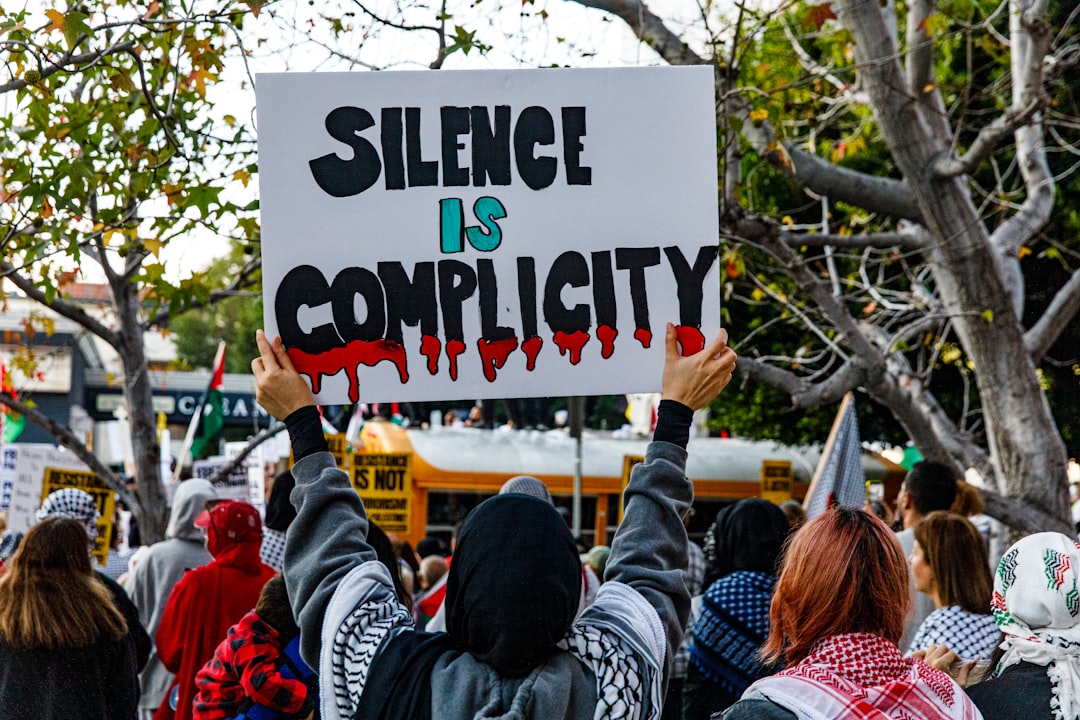
The pursuit of knowledge is fundamental to societal progress, a continuous unveiling of nature’s intricate tapestry. However, this pursuit is not always a linear ascent. At times, the very institutions designed to foster and disseminate scientific understanding can become gatekeepers, subtly or overtly suppressing research that challenges established paradigms or vested interests. This phenomenon, the institutional silencing of scientific research, represents a significant impediment to the advancement of knowledge and can have profound implications for public policy, innovation, and our collective understanding of the world.
Institutional silencing can manifest through various mechanisms, often operating with a degree of subtlety that makes them difficult to prove definitively. These methods, rather than overt censorship, frequently involve indirect pressures and systemic biases that can effectively bury or discredit unwelcome findings. Understanding these mechanics is the first step in recognizing and combating them.
Funding and Resource Allocation
One of the most potent tools for influencing research direction lies in the control of funding. Research institutions, governmental bodies, and private foundations hold the purse strings that dictate which projects gain traction and which languish.
Prioritizing Certain Research Avenues
Funding agencies often establish priorities based on perceived national interests, economic benefits, or current scientific trends. While this is a necessary part of resource management, it can inadvertently lead to the marginalization of research that falls outside these predetermined paths, even if it holds significant long-term potential. Projects that question established industries or require substantial upfront investment without immediate commercial applications may struggle to secure funding. This creates a silent veto, where research is not explicitly forbidden, but rather starved of the oxygen it needs to survive.
Withholding or Reallocating Funds
In more overt cases, funding for research programs or individual projects can be withdrawn or significantly reduced when findings become inconvenient. This might occur under the guise of re-prioritization or budget constraints, but the timing can be highly suspicious, coinciding with the release of controversial results. The threat of fund withdrawal can also serve as a powerful deterrent, encouraging researchers to self-censor to maintain their financial stability.
Publication and Dissemination Barriers
The peer-review process and the academic publishing landscape, while designed to ensure rigor, can also be exploited to control the flow of information.
Journal Rejection and Editorial Bias
Journals are the primary conduits for scientific findings. Editors, acting as gatekeepers, have the power to reject manuscripts. While rejections are a standard part of academic publishing, they can become a tool for silencing when they are based on bias rather than scientific merit. Research that challenges widely held beliefs or powerful interests may face an uphill battle for publication, with reviewers and editors subtly delaying, requesting excessive revisions, or ultimately rejecting the work. This is akin to a librarian deciding which books to acquire and which to leave on the shelves, shaping the collective knowledge accessible to readers.
Selective Presentation of Data
Even when research is published, the way in which it is presented can be manipulated. This can involve highlighting data that supports a desired narrative while downplaying or omitting inconvenient findings. While researchers are expected to present their data honestly, institutional pressures can incentivize a more selective approach, particularly when the implications of complete transparency are financially or reputationally damaging.
Delays in Publication
The time lag between submitting a manuscript and its eventual publication can be considerable. While this is often due to the rigors of the peer-review process, it can be weaponized to delay the dissemination of research that could have immediate real-world consequences. By the time a controversial study is published, the issue it addresses may have evolved, or the opportunity for intervention may have passed.
Ostracization and Professional Punishment
Beyond the direct control of funding and publication, institutional silencing can also target individual researchers, impacting their careers and discouraging others from pursuing similar lines of inquiry.
Academic Pressure and Career Stagnation
Researchers who pursue controversial topics may find their career progression hindered. They might be denied tenure, passed over for promotions, or find it difficult to secure desirable positions. This creates a chilling effect, where the potential for career suicide discourages individuals from venturing into research areas that might upset the establishment.
Public Relations and Reputation Management
Institutions, particularly those with commercial or political ties, may engage in extensive public relations campaigns to discredit or downplay research that is unfavorable to them. This can involve funding counter-studies, hiring spokespeople to dismiss findings, or using the media to sow doubt about the credibility of the researchers involved. The goal is not necessarily to disprove the science factually, but to muddy the waters and erode public trust in the findings.
Retaliation Against Whistleblowers
In cases where individuals within an institution uncover and attempt to publicize suppressed research, they can face severe repercussions, including wrongful termination, legal action, or character assassination. These punitive measures serve as a stark warning to others who might consider speaking out.
Institutional silencing of scientific research is a pressing issue that affects the integrity and progress of various fields. A related article that delves deeper into this phenomenon can be found at this link. The article explores how institutions may suppress certain findings due to political, financial, or social pressures, ultimately hindering scientific advancement and public trust in research.
Historical Precedents and Contemporaneous Examples
The silencing of scientific research is not a new phenomenon; it has a long and often painful history. Examining past instances can provide valuable context for understanding contemporary challenges.
Historical Suppressions
Throughout history, scientific discoveries that challenged religious dogma, political power structures, or established economic models have frequently met with resistance and, at times, outright suppression.
The Galileo Affair
Perhaps one of the most iconic examples is the persecution of Galileo Galilei by the Roman Catholic Church. His heliocentric model, supported by telescopic observations, directly contradicted the prevailing geocentric view sanctioned by the Church. Galileo was accused of heresy, forced to recant his views, and spent the remainder of his life under house arrest. This suppression, driven by religious authority, demonstrably hindered the progress of astronomy and physics for a significant period.
The Suppression of Early Anarchist and Socialist Science
In the 19th and early 20th centuries, scientific fields that explored social structures, economics, and human behavior from perspectives that challenged capitalist or authoritarian norms often faced institutional opposition. Research on worker exploitation, class struggle, or alternative economic models could be dismissed as ideological rather than scientific, or its funding sources could be scrutinized and choked off.
Contemporary Challenges in Diverse Fields
While the overt religious or political persecutions of the past may be less common in many parts of the world, subtler forms of institutional silencing persist across various scientific disciplines today.
Climate Change Denial and Fossil Fuel Interests
The overwhelming scientific consensus on anthropogenic climate change has been met with organized efforts to sow doubt and delay action. This often involves well-funded campaigns that promote fringe scientific views, fund think tanks that produce contrarian reports, and lobby against policies aimed at reducing greenhouse gas emissions. Researchers who investigate the impacts of fossil fuels or advocate for renewable energy solutions may find their work scrutinized, their funding threatened, or their findings publicly questioned by vested economic interests. This is like trying to illuminate a room with a faulty dimmer switch, intentionally kept at a low setting to obscure the full picture.
Pharmaceutical Industry Influence
The pharmaceutical industry, a multi-trillion dollar global enterprise, has immense influence over medical research. This can lead to the suppression of studies that question the efficacy or safety of widely prescribed drugs, or that highlight the benefits of natural remedies or lifestyle interventions. The economic imperative to protect blockbuster drugs can create pressure to sideline or discredit research that threatens their market share.
Agribusiness and Genetically Modified Organisms (GMOs)
Research on the potential long-term health and environmental impacts of genetically modified organisms has been contentious. Critics argue that companies producing GMOs have exerted pressure to suppress or discredit studies that raise concerns about their safety, while proponents maintain that such research is often flawed or ideologically driven. The financial stakes are enormous, and the debate can become polarized, with dissenting scientific voices struggling to be heard above the corporate din.
Food and Beverage Industry and Public Health Research
Research linking dietary choices to public health outcomes, particularly concerning processed foods, sugar, and unhealthy fats, can face resistance from powerful food and beverage industries. Studies that highlight the negative health consequences of their products may be countered with sponsored research that emphasizes moderation or genetics as primary determinants of health, diverting attention from the impact of industrial food production.
The Consequences of Suppressed Knowledge

The silencing of scientific research carries significant and far-reaching negative consequences, impacting not only the scientific community but society as a whole. When knowledge is deliberately held back, the very foundations of informed decision-making are eroded.
Hindered Scientific Progress and Innovation
When research is stifled, the natural progression of scientific inquiry is impeded. Promising avenues of investigation may be abandoned prematurely, preventing the discovery of novel solutions to pressing problems. This creates a knowledge deficit, leaving humanity ill-equipped to address future challenges.
Lost Opportunities for Breakthroughs
A suppressed finding, even if initially inconvenient, might have been the seed for a revolutionary breakthrough. By preventing its development and dissemination, institutions risk missing out on paradigm-shifting discoveries that could transform medicine, technology, or our understanding of the universe.
Stagnation in Problem-Solving
Many of the world’s most pressing issues, from climate change to disease eradication, require robust and unvarnished scientific understanding. When certain research is silenced, our ability to effectively address these challenges is compromised. We might be fumbling in the dark, unable to find the right tools because the blueprints have been hidden.
Impaired Public Policy and Decision-Making
Evidence-based policymaking is crucial for the effective governance of societies. When scientific research is suppressed, policymakers may be operating with incomplete or biased information, leading to flawed decisions with detrimental societal consequences.
Misinformed Legislation and Regulation
If research on the environmental impact of a new chemical is suppressed, regulations might be enacted that fail to protect ecosystems or public health. Similarly, if research on the efficacy of a particular public health intervention is silenced, effective strategies might not be implemented, leading to preventable illness and death.
Erosion of Public Trust in Science
When the public perceives that science is being manipulated by vested interests, trust in scientific institutions and findings can erode. This can have cascading effects, making it more difficult to garner public support for important scientific initiatives or to implement necessary public health measures. The scientific community’s credibility, a hard-won asset, can be tarnished, like a beautifully crafted vase cracked by a careless hand.
Societal Harm and Missed Opportunities for Societal Benefit
The suppression of knowledge can directly lead to societal harm, affecting public health, environmental sustainability, and economic well-being.
Public Health Risks
Suppressed research on the dangers of certain chemicals, pollutants, or unhealthy lifestyle promoters can lead to widespread public health problems. The delay in understanding and acting upon such findings can have irreversible consequences for individuals and communities.
Environmental Degradation
Research on the environmental impacts of industrial activities or resource extraction is often subject to suppression when it threatens economic interests. This can lead to the continued degradation of ecosystems, loss of biodiversity, and exacerbation of climate change, ultimately harming future generations.
Economic Disadvantage
While short-term economic interests may drive some instances of suppression, the long-term economic consequences can be severe. Stifling innovation in areas like renewable energy or sustainable agriculture can leave nations at a competitive disadvantage and delay the transition to more resilient and equitable economies.
Identifying and Resisting Institutional Silencing

Recognizing that institutional silencing exists is the first step towards resisting it. Cultivating an environment that values open inquiry and transparency is crucial for safeguarding the integrity of scientific endeavor.
Fostering a Culture of Openness and Transparency
Institutions themselves have a responsibility to create environments where researchers feel empowered to pursue truth without fear of reprisal.
Promoting Whistleblower Protections
Robust legal and institutional protections for whistleblowers are essential. These individuals, often the first to identify and report suppressed research, need assurance that they will not suffer professional or personal repercussions for acting ethically.
Encouraging Interdisciplinary Collaboration and Diverse Perspectives
Creating platforms for researchers from different disciplines and backgrounds to collaborate can help to challenge prevailing assumptions and uncover new insights. Diverse viewpoints act as a crucial check and balance against groupthink and the potential for narrow, vested interests to dominate.
Advocating for Open Access to Research
Promoting open access policies ensures that scientific findings are available to the widest possible audience, reducing reliance on traditional, potentially gatekeeping, publishing models. This allows for broader scrutiny and faster dissemination of knowledge, making it harder for research to be buried or ignored.
Empowering Researchers and the Public
Individuals within and outside of academic institutions play a vital role in combating the silencing of science.
Strengthening Peer Review and Journal Independence
While peer review is vital, efforts should be made to ensure its fairness and impartiality. This can include anonymizing reviews more effectively, diversifying reviewer pools, and establishing mechanisms for appealing editorial decisions. Promoting the independence of academic journals from undue institutional or corporate influence is paramount.
Supporting Independent Media and Investigative Journalism
Independent media outlets play a critical role in bringing suppressed research to light. Investigative journalists who have the resources and expertise to delve into complex scientific issues can serve as crucial conduits for public awareness and accountability. This is akin to the town crier, ensuring that important news reaches every corner of the village.
Educating the Public About Scientific Integrity and the Risks of Suppression
Raising public awareness about the mechanisms and consequences of institutional silencing is essential for building a constituency that values and defends scientific integrity. An informed public is better equipped to demand transparency and hold institutions accountable.
The phenomenon of institutional silencing of scientific research has garnered increasing attention in recent years, as many researchers find their work suppressed or overlooked due to various external pressures. This issue raises significant concerns about the integrity of scientific inquiry and the potential consequences for public policy and health. For a deeper understanding of this troubling trend, you can explore a related article that delves into the implications of such silencing on scientific progress and societal trust in research. To read more, visit this insightful resource.
The Ethical Imperative and the Future of Knowledge
| Metric | Description | Example Data | Source/Study |
|---|---|---|---|
| Percentage of Researchers Reporting Censorship | Proportion of scientists who have experienced suppression or alteration of their research findings by their institution | 28% | 2019 Survey by Nature |
| Instances of Research Funding Withdrawal | Number of cases where funding was withdrawn due to controversial or politically sensitive research topics | 45 cases (2015-2020) | Science Policy Reports |
| Reported Cases of Publication Suppression | Number of documented cases where institutions blocked or delayed publication of research | 120 cases (last 5 years) | Academic Freedom Watch |
| Percentage of Researchers Self-Censoring | Proportion of researchers who avoid certain topics or alter findings to avoid institutional backlash | 35% | 2018 Global Research Integrity Survey |
| Average Delay in Publication Due to Institutional Review | Time added to publication process because of institutional interference or review | 3-6 months | Journal of Research Ethics |
The institutional silencing of scientific research represents an ethical failing, a betrayal of the fundamental purpose of scientific inquiry: to understand the world and improve the human condition. The path forward requires vigilance, courage, and a collective commitment to the unfettered pursuit of knowledge.
The Moral Obligation to Seek Truth
At its core, science is a moral endeavor driven by an obligation to seek truth, however uncomfortable that truth may be. When institutions prioritize profit, power, or dogma over truth, they undermine the very foundations of rational progress.
The Long-Term Costs of Ignorance
The short-term gains achieved through the suppression of inconvenient truths are invariably outweighed by the long-term costs of ignorance. Societies that fail to confront difficult scientific realities are destined to suffer the consequences, whether it be environmental collapse, persistent disease, or stalled innovation.
The Responsibility of Institutions
Academic institutions, research funding bodies, and government agencies have a profound responsibility to foster an environment that champions intellectual freedom and rigorously defends against attempts to manipulate or suppress scientific findings. They must act as guardians of knowledge, not as its censors.
Building a Resilient Scientific Ecosystem
Creating a scientific ecosystem that is inherently resistant to silencing is a continuous process. It requires a multi-faceted approach that strengthens individual researchers, bolsters independent institutions, and educates the public.
Investing in Independent Research Infrastructure
Supporting independent research institutes and non-profit organizations that are not beholden to corporate or political pressures is crucial. These entities can serve as vital sanctuaries for research that might otherwise be marginalized.
Cultivating a Global Network of Scientific Advocates
Building international collaborations among scientists, policymakers, and citizen groups dedicated to defending scientific integrity can create a powerful global force against suppression. When the winds of suppression blow in one corner of the world, a coordinated response can offer shelter and support.
Embracing the Inconvenient Truth
Ultimately, the future of knowledge depends on our willingness to embrace inconvenient truths, to challenge our own assumptions, and to defend the right of science to illuminate all corners of our understanding, even those that are shrouded in doubt or challenged by powerful interests. The light of knowledge, once extinguished, is incredibly difficult to reignite.
FAQs
What is institutional silencing of scientific research?
Institutional silencing of scientific research refers to the suppression or censorship of scientific findings or inquiries by organizations, such as universities, government agencies, or corporations, often due to political, economic, or ideological pressures.
Why does institutional silencing occur?
It typically occurs when research results conflict with the interests or agendas of powerful stakeholders, potentially threatening funding, reputation, or policy positions, leading institutions to limit dissemination or discussion of certain scientific findings.
What are the consequences of institutional silencing?
Consequences include hindering scientific progress, limiting public access to important information, undermining trust in scientific institutions, and potentially causing harm if critical issues are not addressed due to suppressed research.
How can researchers protect their work from institutional silencing?
Researchers can seek independent funding, publish in open-access journals, collaborate with external organizations, advocate for transparency policies, and engage with the public and media to raise awareness of their findings.
Are there examples of institutional silencing in history?
Yes, notable examples include suppression of climate change research, censorship of studies on tobacco health risks, and restrictions on research related to environmental hazards or controversial technologies, often revealed through whistleblowers or investigative reports.