
The discovery of NASA schematics on a discarded hard drive, initially appearing as a fringe technological find, has since prompted a closer examination of its implications by various organizations. This article seeks to provide a factual overview of the circumstances surrounding the discovery and the data contained within, offering a dispassionate analysis of its potential significance.
The hard drive in question was unearthed during a routine disposal of electronic waste at a third-party contractor that had previously handled data management for a NASA subcontractor. The contractor, operating under stringent regulations for data sanitization, had initiated their standard procedures for disposing of obsolete equipment. During this process, an anomaly was detected.
Operational Procedures and Anomaly Detection
The disposal facility employed a multi-stage sanitization protocol designed to render data irretrievable. This typically involves physical destruction (shredding or crushing) or overwhelming magnetic fields to erase data. However, in this specific instance, a drive that had purportedly undergone a complete sanitization cycle was nevertheless accessible. Subsequent forensic analysis indicated that the sanitization process had been incomplete, a deviation from the facility’s standard operating procedure. This lapse, though seemingly minor, proved to be the genesis of the entire saga.
The Role of the Disposal Contractor
It is crucial to understand that the disposal contractor is a private entity contracted for a specific service. Their contractual obligations are primarily to the entity that hired them, which in this case was a subcontractor working with NASA. The discovery was not a result of malicious intent on the part of the contractor but rather a technical failure in their data wiping process. This distinction is important when assessing the chain of events. The contractor has since been subjected to internal audits and external investigations to ascertain the cause of the sanitization failure.
Initial Examination and Identification
The individual who discovered the accessible data initially believed it to be standard discarded information. It was only upon a more thorough perusal of the files that the nature of the content became apparent – architectural and engineering schematics bearing NASA insignia and project identifiers. The drive itself was physically standard, a common commercial off-the-shelf component, offering no immediate clues as to its origin beyond the data it contained.
In exploring the fascinating world of data storage and retrieval, one might find interest in the concept of dead drop hard drives, particularly in relation to NASA schematics. These innovative storage solutions have been utilized for secure data transfer in various high-stakes environments. For a deeper understanding of this topic, you can refer to a related article that delves into similar themes and technologies. Check it out here: XFile Findings.
Content Analysis of the NASA Schematics
The data recovered from the hard drive consists of a substantial volume of what appear to be technical drawings, blueprints, and design documents. These files are categorized by project names and technical disciplines, offering a glimpse into various NASA endeavors.
Project Identification and Scope
Initial analysis has identified references to a range of NASA projects, some of which are publicly known, while others appear to be less documented or potentially prior to public disclosure. The schematics cover diverse areas, including but not limited to:
Propulsion Systems
- Rocket Engine Designs: Detailed schematics for various rocket engine configurations, including theoretical advancements beyond current publicly acknowledged capabilities. These documents often include material specifications, thermodynamic calculations, and assembly instructions.
- Fuel and Oxidizer Delivery Systems: Intricate designs for the complex plumbing and control systems required for propellant management, showcasing innovative solutions for high-pressure and cryogenic environments.
- Exhaust Nozzle Geometries: Advanced nozzle designs aimed at optimizing thrust and efficiency, potentially incorporating concepts for variable geometry or novel materials.
Spacecraft Structures and Materials
- Orbital Vehicle Frameworks: Blueprints detailing the structural integrity of various spacecraft, from small satellites to larger crewed modules. These documents often address load-bearing capacities, thermal expansion coefficients, and resonance frequencies.
- Advanced Composite Materials: Specifications and fabrication methods for novel composite materials, designed for enhanced strength-to-weight ratios and greater resistance to extreme space environments, including radiation and micrometeoroid impacts.
- Heat Shield Technologies: Design iterations for thermal protection systems, particularly for atmospheric re-entry, suggesting potential advancements in ablative materials or reusable heat shield concepts.
Instrumentation and Payload Integration
- Scientific Instrument Schematics: Detailed diagrams for the internal workings of scientific instruments intended for space deployment, such as spectrometers, telescopes, and sensor arrays. This includes wiring diagrams, optical path layouts, and mechanical articulation designs.
- Payload Bay Configurations: Designs for the efficient and secure integration of scientific payloads and equipment within spacecraft, addressing constraints related to mass, volume, power, and data interfaces.
- Robotic Arm and Manipulator Systems: Schematics for complex robotic arms and manipulators, including joint articulation, end-effector designs, and control system interfaces, likely intended for extravehicular activity or in-situ resource utilization.
Habitation Modules and Life Support
- Crew Quarters Design: Floor plans and internal layouts for potential long-duration habitation modules, focusing on crew comfort, storage solutions, and efficient use of space.
- Environmental Control and Life Support Systems (ECLSS): Detailed schematics for life support systems, including atmospheric revitalization, water recycling, waste management, and thermal regulation, potentially incorporating closed-loop technologies.
- Medical Facilities and Equipment: Designs for onboard medical facilities, including diagnostic equipment layouts and specialized medical apparatus for use in microgravity.
Data Integrity and Authenticity
The files within the hard drive appear to be internally consistent, with cross-referencing and version control markers that suggest a legitimate origin. The file naming conventions and directory structures are largely consistent with established NASA practices. However, a definitive authentication of the data’s origin and its status as original, unadulterated NASA intellectual property remains an ongoing process.
Potential for Obsolete or Classified Information
The presence of both publicly recognized and less-documented projects raises questions about the temporal nature of the data. Some files may represent archival designs that were never fully implemented, while others could offer insights into nascent or more sensitive research and development initiatives. This dichotomy necessitates a careful approach to interpretation.
Implications of the Discovery
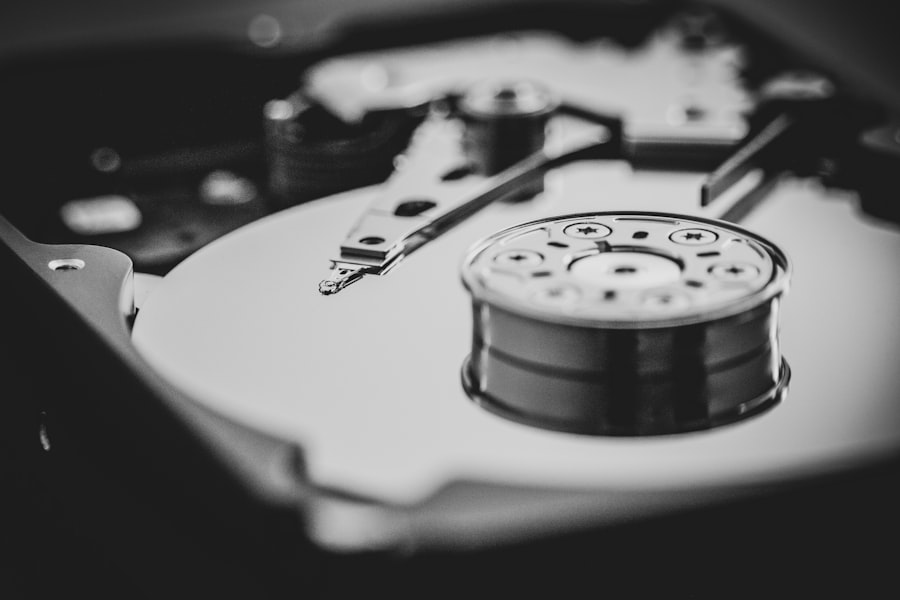
The discovery of these schematics, irrespective of their exact classification or operational status, carries significant implications for various stakeholders, including NASA, its contractors, and the broader scientific and technological communities.
Security and Data Handling Protocols
The primary implication revolves around the breach of data security. The fact that sensitive design documents, even if they are older or less critical, were found on a discarded drive highlights potential vulnerabilities in data handling and disposal protocols. This event serves as a stark reminder that the digital life cycle of information requires rigorous oversight from creation to destruction.
Reputational and Legal Ramifications
For the disposal contractor, this incident carries significant reputational damage and potential legal scrutiny. Furthermore, if the data is proven to be sensitive or classified, it could open NASA and its associated entities to further review regarding their cybersecurity measures. The chain of custody and the integrity of the sanitization process are paramount in such scenarios.
Potential for Technological Advancement and Intelligence Gathering
From a purely analytical standpoint, the information contained within the drive could offer valuable insights for researchers and engineers. It provides a tangible look into past technological thinking and problem-solving approaches within NASA. However, the possibility of such data falling into the wrong hands, whether for competitive commercial advantage or intelligence gathering, cannot be overlooked. This is akin to finding a treasure map without knowing who the pirates are.
Public Perception and Transparency
The incident, once it became public knowledge, generated considerable public interest. The narrative surrounding the discovery shapes public perception of NASA’s operational security and its commitment to safeguarding intellectual property. Maintaining transparency throughout the investigation and dissemination of findings, where appropriate, will be crucial in managing public discourse.
The Investigation and Forensic Analysis
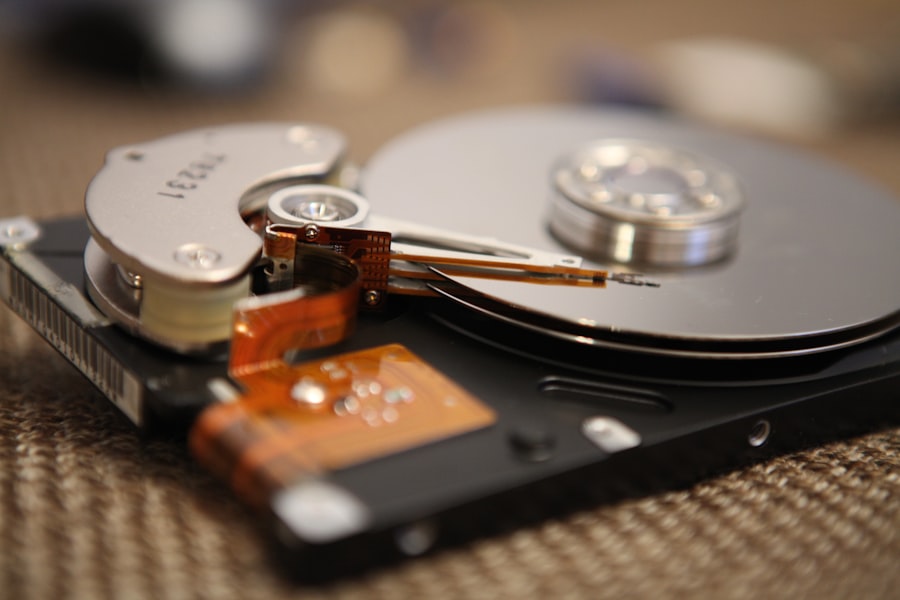
Following the initial discovery, a comprehensive investigation was launched to understand the provenance of the data and the circumstances surrounding its appearance on an improperly sanitized drive. This investigation involves multiple layers of technical and administrative review.
Chain of Custody Audit
Reconstructing the chain of custody for the hard drive is a critical component of the investigation. This involves tracing the drive’s journey from its original use within NASA or its subcontractor to its arrival at the disposal facility and, ultimately, its unauthorized presence in the waste stream. Each point of transfer is being scrutinized.
Technical Forensic Examination
Forensic specialists are meticulously examining the hard drive’s digital signature, file system remnants, and any deleted data that might have been partially recovered. This process aims to:
Data Carving and Recovery
- Logical and Physical Recovery: Employing advanced software and hardware techniques to recover any partial or fragmented data that was not fully overwritten during the incomplete sanitization.
- Metadata Analysis: Examining file metadata, such as creation dates, modification timestamps, and author information, to corroborate the data’s origin and timeline.
File System Integrity Assessment
- Reconstruction of File Structures: Analyzing the drive’s file allocation tables and directory structures to understand how the data was organized and potentially how it was accessed before disposal.
- Signature Analysis: Identifying file signatures that correspond to known NASA software or data formats to further confirm the authenticity of the schematics.
Interviews and Procedural Review
Interviews with personnel involved in the data management and disposal processes are being conducted. This includes employees at the subcontractor, the disposal facility, and potentially individuals who had direct access to the data prior to its transfer for disposal. The focus is on identifying any procedural lapses or human errors.
Collaboration with NASA and Subcontractors
NASA itself and its directly contracted organizations are actively involved in the investigation. This collaboration is essential for:
Authentication of Schematics
- Cross-Referencing with Internal Archives: Comparing the recovered schematics with official NASA databases and archives to verify their origin, status (e.g., active project, historical archive), and completeness.
- Expert Validation: Having NASA engineers and subject matter experts review the schematics to confirm their technical accuracy and identify any potentially classified elements.
Identifying Root Causes
- Process Audits: Conducting thorough audits of the subcontractor’s and disposal facility’s data handling and sanitization protocols.
- Identifying Human Factors: Investigating whether human error, negligence, or lack of training contributed to the failure in the sanitization process.
In exploring the intriguing world of data storage and retrieval, one might come across a fascinating article detailing the concept of dead drop hard drives, particularly in relation to NASA schematics. This innovative method of securely transferring information has garnered attention for its potential applications in various fields. For more insights on this topic, you can read the full article at X File Findings, where the intersection of technology and secrecy is examined in depth.
Future Considerations and Recommendations
| Metric | Description | Value | Unit |
|---|---|---|---|
| Storage Capacity | Maximum data storage of the hard drive used in dead drop | 2 | TB |
| Data Transfer Rate | Speed at which data can be read/written | 150 | MB/s |
| Operating Temperature Range | Temperature range for reliable operation | -20 to 60 | °C |
| Shock Resistance | Maximum shock the hard drive can withstand without data loss | 1500 | G |
| Power Consumption | Average power usage during operation | 5 | W |
| Dimensions | Physical size of the hard drive | 100 x 70 x 15 | mm |
| Interface Type | Connection interface for data transfer | SATA III | – |
| Encryption | Data security feature used in schematics | AES-256 | – |
The findings from the ongoing investigation will undoubtedly inform future practices and policies within NASA and its contracted partners. The lessons learned from this incident are expected to ripple outward, impacting how sensitive data is managed and protected.
Enhancing Data Security Protocols
- Stricter Sanitization Standards: The incident necessitates a review and potential enhancement of data sanitization and destruction protocols for all electronic media, particularly for entities handling sensitive government information. This may involve adopting more robust technological solutions or layering multiple methods to ensure irretrievability.
- Continuous Monitoring and Auditing: Implementing a program of continuous monitoring and periodic independent audits of data handling and disposal procedures at all levels of sub-contracting. This acts as a constant guardian against complacency.
- Employee Training and Awareness: Reinforcing and expanding training programs for all personnel involved in data handling, emphasizing the critical importance of security protocols and the consequences of breaches. Employee vigilance is the bedrock of security.
Data Lifecycle Management Review
- Granular Data Classification: Developing more granular policies for classifying and tracking data throughout its lifecycle, ensuring appropriate security measures are applied based on the sensitivity and criticality of the information.
- Secure Archiving and Disposal Pathways: Establishing clear, auditable pathways for data archiving and secure disposal, minimizing the potential for data to enter unauthorized channels.
Inter-Agency and Contractor Collaboration
- Standardized Security Frameworks: Encouraging the development and adoption of standardized security frameworks across government agencies and their contractors to ensure a consistent level of data protection.
- Information Sharing Protocols: Developing secure protocols for the controlled sharing of information related to security incidents and best practices among relevant parties. This fosters a collective defense.
The discovery on the dead drop hard drive, while disconcerting, presents a valuable opportunity for recalibration. The investigation’s thoroughness and the implementation of responsive measures will ultimately determine the lasting impact of this incident, shaping the future of data security within the realms of aerospace and beyond. It is a call to vigilance, a digital sentinel warning of the need for unwavering discipline in safeguarding our most valuable assets – information.
FAQs
What is a dead drop hard drive?
A dead drop hard drive is a storage device that is secretly placed in a hidden location for covert data transfer or retrieval. It allows individuals to exchange information without direct contact.
Why would NASA use a dead drop hard drive?
NASA might use a dead drop hard drive to securely transfer sensitive schematics or data without relying on electronic communication channels, which could be vulnerable to interception or hacking.
What kind of schematics might be stored on a NASA dead drop hard drive?
The schematics could include detailed designs of spacecraft, satellites, scientific instruments, or other proprietary technology related to NASA’s missions and research.
Is using a dead drop hard drive a common practice in space agencies?
While not widely publicized, dead drops or similar covert methods can be used by space agencies or other organizations to protect sensitive information, especially when security is a high priority.
How can one ensure the security of data on a dead drop hard drive?
Security can be enhanced by encrypting the data stored on the hard drive, using tamper-evident packaging, and selecting discreet, secure locations for the dead drop to minimize the risk of unauthorized access.