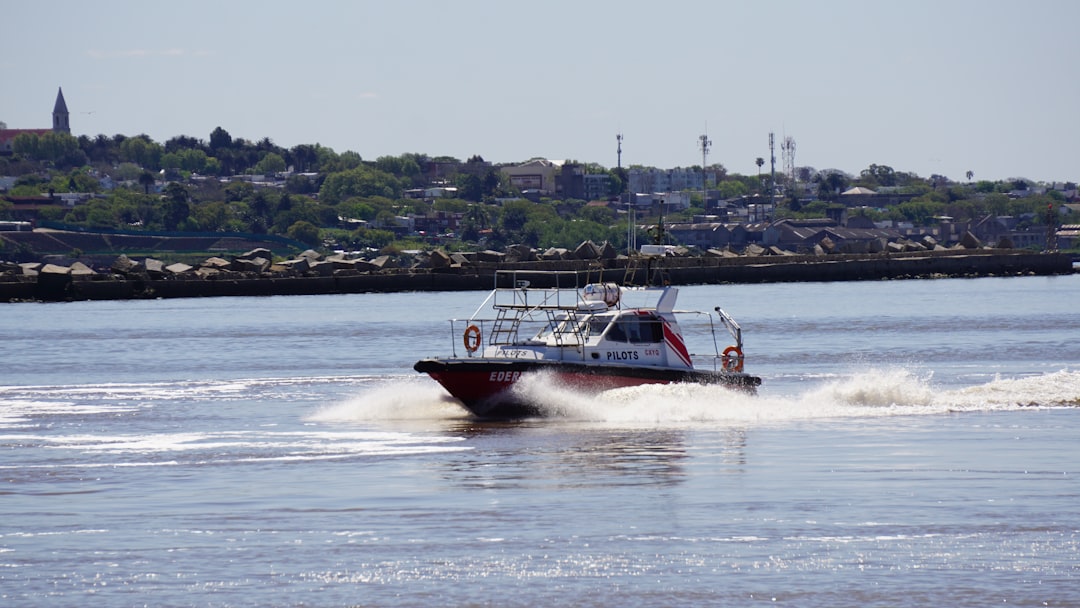
Ports function as critical infrastructure nodes in the global economy, serving as primary entry and exit points for international trade. These facilities handle the transfer of goods between maritime vessels and land-based transportation systems, enabling the flow of commodities across international borders. Ports support complex supply chain networks that connect manufacturing centers, distribution hubs, and consumer markets worldwide.
The economic impact of ports extends significantly beyond their transportation function. They contribute to national economies through direct employment in port operations, logistics, and related services. Port activities generate government revenue through customs duties, port fees, and associated taxes.
Additionally, ports stimulate economic activity in surrounding regions by attracting businesses that depend on efficient cargo handling and transportation services. Ports are fundamental to multiple economic sectors. Manufacturing industries rely on ports for importing raw materials and components while exporting finished products to international markets.
Agricultural sectors use ports to export commodities and import equipment and inputs. Energy industries depend on ports for importing petroleum products, coal, and other energy resources, as well as exporting refined products. Geographic location significantly influences port capacity and economic importance.
Ports situated along major shipping lanes, near large population centers, or at strategic geographic positions typically handle higher cargo volumes. Deep-water ports can accommodate larger vessels, increasing their efficiency and capacity. Proximity to major highways, railways, and airports enhances a port’s ability to distribute goods to inland markets.
Port infrastructure faces various operational challenges that can affect their reliability and efficiency. These include aging facilities, capacity constraints, environmental regulations, security requirements, and vulnerability to natural disasters. Understanding these challenges is essential for maintaining port operations and ensuring the continuity of global trade networks.
Key Takeaways
- Ports are critical infrastructure hubs essential for global trade and economic stability.
- Infrastructure collapse can severely disrupt port operations, leading to widespread supply chain failures.
- Historical port failures highlight significant economic and social consequences, emphasizing the need for preparedness.
- Enhancing port resilience requires technological innovation, government support, and international collaboration.
- Investing in port infrastructure and coordinated recovery strategies is vital to mitigate risks and ensure long-term stability.
Vulnerabilities of Ports in the Event of Infrastructure Collapse
Ports are inherently vulnerable to a range of threats that can lead to infrastructure collapse. Natural disasters such as hurricanes, earthquakes, and flooding pose significant risks, as they can damage port facilities, disrupt operations, and compromise safety. Additionally, human-made threats such as terrorism, cyberattacks, and industrial accidents can also lead to catastrophic failures.
The interconnected nature of modern supply chains means that a disruption at one port can have cascading effects on others, amplifying the impact of any infrastructure failure. Furthermore, aging infrastructure presents a persistent challenge for many ports around the world. Many facilities were built decades ago and may not be equipped to handle the increasing size of modern vessels or the growing volume of cargo.
Insufficient investment in maintenance and upgrades can exacerbate these vulnerabilities, leaving ports ill-prepared to respond to emergencies. The combination of natural and human-made threats, along with aging infrastructure, creates a precarious situation for ports that requires proactive measures to enhance resilience and ensure continued functionality.
Impact of Port Failures on Global Trade and Supply Chains
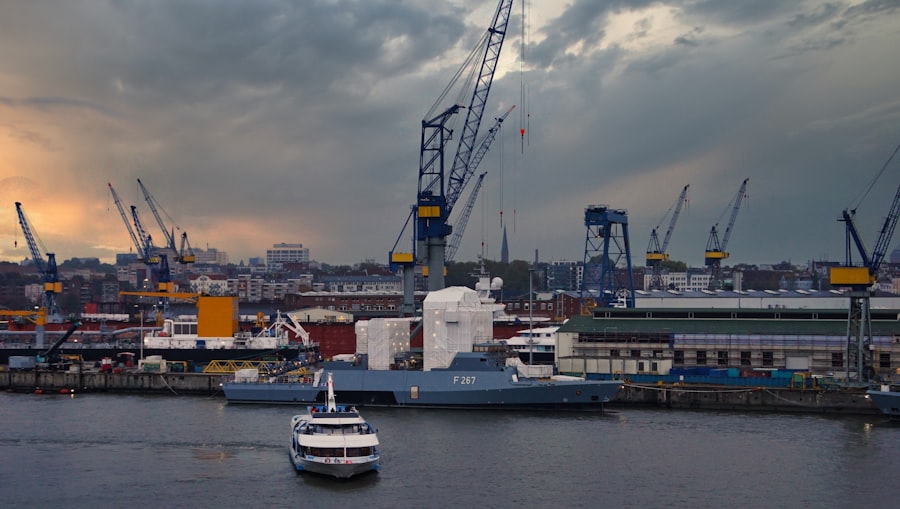
The repercussions of port failures extend far beyond the immediate vicinity of the affected area. When a port experiences a collapse or significant disruption, it can lead to delays in the movement of goods, increased shipping costs, and a ripple effect throughout global supply chains. Businesses that rely on timely deliveries may face production halts or inventory shortages, leading to financial losses and diminished customer satisfaction.
In an era where just-in-time manufacturing is prevalent, even minor delays can have outsized consequences. Moreover, the economic impact of port failures can be profound. A single port closure can disrupt trade routes and force companies to seek alternative shipping methods or routes, often at a higher cost.
This can lead to increased prices for consumers and reduced competitiveness for businesses reliant on imported goods. In some cases, prolonged disruptions can result in long-term shifts in trade patterns as companies seek more reliable alternatives. The interconnectedness of global trade means that the failure of one port can reverberate across continents, highlighting the critical need for robust infrastructure and contingency planning.
Examples of Historical Port Failures and their Consequences
History is replete with examples of port failures that have had significant consequences for trade and economies. One notable instance is the closure of the Port of New Orleans following Hurricane Katrina in 2005. The storm caused extensive damage to port facilities and infrastructure, leading to a halt in operations for weeks.
The disruption not only affected local businesses but also had far-reaching implications for the entire Gulf Coast economy, which relies heavily on maritime trade.
The disaster caused extensive damage to port facilities and disrupted supply chains for numerous industries, including automotive and electronics manufacturing.
The immediate aftermath saw significant delays in shipments, leading to production slowdowns both domestically and internationally. These historical examples underscore the vulnerability of ports to natural disasters and highlight the need for comprehensive disaster preparedness strategies.
Challenges in Restoring Ports after Infrastructure Collapse
| Metric | Description | Typical Impact | Example Data |
|---|---|---|---|
| Port Throughput Reduction | Decrease in cargo volume handled due to infrastructure failure | 50-80% reduction in container handling capacity | 70% drop in TEU throughput during collapse event |
| Infrastructure Downtime | Duration port facilities remain non-operational | Days to weeks of inactivity | 12 days average downtime after failure |
| Supply Chain Delay | Additional time added to shipping and delivery schedules | 3-10 days delay in cargo delivery | 7 days average delay reported |
| Economic Impact | Loss in trade value due to port failure | Significant regional trade disruption | 30% decrease in regional export volume |
| Repair Cost | Estimated cost to restore port infrastructure | Millions to hundreds of millions in repair expenses | Estimated 150 million in repair costs |
| Number of Affected Vessels | Ships delayed or rerouted due to port failure | Dozens to hundreds of vessels impacted | 85 vessels delayed during collapse period |
Restoring ports after an infrastructure collapse presents a myriad of challenges that can complicate recovery efforts. One major hurdle is the assessment of damage, which can be time-consuming and complex. Determining the extent of structural damage requires specialized expertise and resources that may not be readily available in the aftermath of a disaster.
Additionally, logistical challenges arise when attempting to mobilize resources for repairs while ensuring that other critical services remain operational. Funding is another significant obstacle in the restoration process. Many ports operate on tight budgets, and securing financial resources for extensive repairs can be difficult.
Compounding this issue is the potential for increased demand for shipping services during recovery efforts, which can strain already limited resources. Furthermore, regulatory hurdles may delay reconstruction efforts as permits and approvals are required before work can commence. These challenges necessitate a coordinated approach involving multiple stakeholders to ensure that ports can recover swiftly and effectively.
Strategies for Enhancing Port Resilience in the Face of Infrastructure Collapse
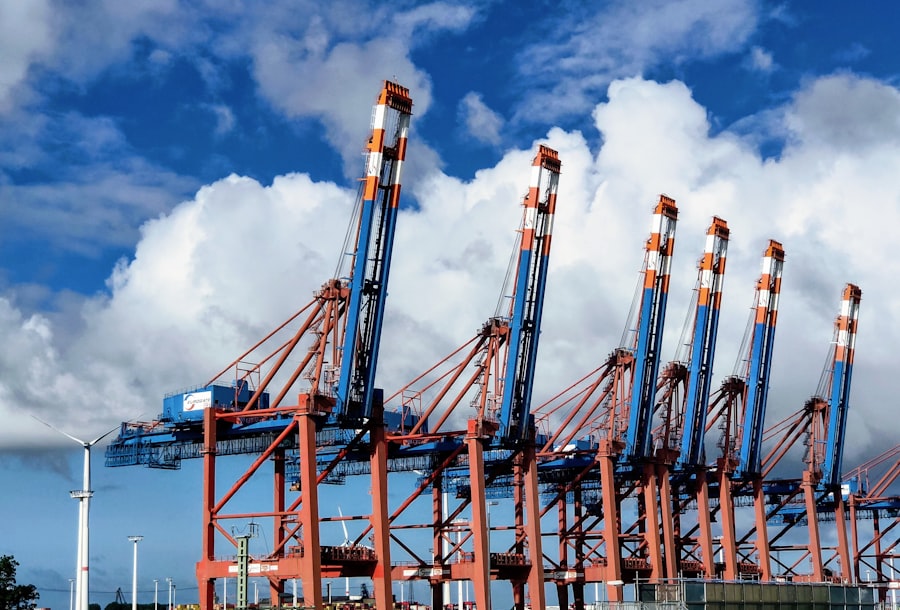
To mitigate the risks associated with infrastructure collapse, ports must adopt comprehensive resilience strategies that encompass both physical infrastructure improvements and operational enhancements. One effective approach is investing in modernizing facilities to withstand natural disasters. This includes reinforcing structures against flooding, earthquakes, and high winds while also incorporating advanced technologies for monitoring structural integrity.
Ports should establish protocols for emergency response that include communication strategies with stakeholders, alternative routing options for cargo, and partnerships with local authorities for coordinated disaster response efforts. Training personnel in emergency preparedness can further enhance resilience by ensuring that staff are equipped to respond effectively in times of crisis.
Role of Government and International Organizations in Supporting Port Recovery
Governments play a pivotal role in supporting port recovery efforts following infrastructure collapse. They are responsible for establishing regulations that promote safety standards and resilience measures within port operations. Furthermore, government agencies can provide financial assistance through grants or low-interest loans to facilitate repairs and upgrades to damaged facilities.
International organizations also contribute significantly to port recovery by offering technical expertise and resources for disaster preparedness initiatives. Collaborative efforts between countries can lead to shared best practices and innovative solutions for enhancing port resilience on a global scale. By fostering partnerships between governments, private sector stakeholders, and international organizations, ports can better navigate the complexities of recovery after an infrastructure collapse.
Importance of Collaboration and Coordination among Ports in Mitigating Infrastructure Collapse
Collaboration among ports is essential for mitigating the risks associated with infrastructure collapse. By sharing information about vulnerabilities, best practices, and lessons learned from past incidents, ports can develop more effective strategies for resilience. Joint exercises simulating disaster scenarios can also enhance preparedness by fostering communication and coordination among different port authorities.
Moreover, establishing regional networks allows ports to support one another during crises by sharing resources or redirecting traffic as needed. This collaborative approach not only strengthens individual ports but also enhances overall supply chain resilience by ensuring that disruptions at one location do not lead to widespread failures across multiple ports.
Technological Innovations for Predicting and Preventing Port Failures
Technological advancements offer promising solutions for predicting and preventing port failures before they occur. Predictive analytics tools can analyze vast amounts of data related to weather patterns, vessel traffic, and infrastructure conditions to identify potential risks proactively. By leveraging these insights, port authorities can implement preventive measures or allocate resources more effectively.
Additionally, innovations such as Internet of Things (IoT) sensors can monitor structural integrity in real-time, providing early warnings about potential issues before they escalate into significant problems. These technologies not only enhance safety but also improve operational efficiency by optimizing cargo handling processes and reducing downtime during maintenance activities.
Economic and Social Implications of Port Failures in Infrastructure Collapse
The economic implications of port failures extend beyond immediate financial losses; they can also have long-term effects on local communities and industries reliant on maritime trade. Job losses may occur as businesses struggle to cope with disruptions in supply chains or reduced demand for goods due to increased prices resulting from shipping delays. Socially, communities may experience heightened anxiety during periods of uncertainty following a port failure.
Disruptions in essential goods such as food or medical supplies can exacerbate existing vulnerabilities within populations already facing economic challenges. Therefore, addressing both economic recovery and social well-being is crucial when planning for resilience in port operations.
The Need for Investment and Preparedness in Ensuring Port Resilience
In conclusion, the importance of ports in global trade cannot be overstated; they are critical components of national economies that require ongoing investment and preparedness to ensure resilience against potential infrastructure collapse. As vulnerabilities continue to grow due to climate change impacts and aging infrastructure systems worldwide, proactive measures must be taken by governments, private sector stakeholders, and international organizations alike. By prioritizing investments in modernizing facilities while fostering collaboration among ports through shared knowledge networks—alongside leveraging technological innovations—stakeholders can enhance overall resilience within maritime trade networks.
Ultimately, ensuring robust port operations will not only safeguard economic interests but also contribute positively towards social stability within communities dependent on these vital infrastructures.
The recent article on the failure of port infrastructure highlights the critical need for investment in maintenance and upgrades to prevent catastrophic collapses. This issue is further explored in a related article that discusses the broader implications of infrastructure decay across various sectors. For more insights, you can read the full article [here](https://www.xfilefindings.com/sample-page/).
WATCH THIS! They Sealed This CIA File for a Reason—Here’s What the Psychic Saw
FAQs
What does “ports fail first” mean in the context of infrastructure collapse?
“Ports fail first” refers to the idea that ports are often among the earliest critical infrastructure to experience failure during a broader infrastructure collapse. This is due to their complex operations, reliance on multiple systems, and exposure to environmental and logistical challenges.
Why are ports considered vulnerable to infrastructure collapse?
Ports are vulnerable because they depend on a wide range of interconnected systems, including transportation networks, power supplies, communication systems, and labor forces. Disruptions in any of these areas can lead to operational failures.
What are the main causes of port infrastructure failure?
Common causes include natural disasters (such as hurricanes, earthquakes, and flooding), cyberattacks, equipment malfunctions, labor strikes, and supply chain disruptions.
How does port failure impact the broader economy?
Port failures can severely disrupt global and local supply chains, leading to delays in the delivery of goods, increased costs, shortages of essential products, and economic losses for businesses and consumers.
What measures can be taken to prevent port infrastructure collapse?
Preventative measures include investing in resilient infrastructure, implementing robust cybersecurity protocols, diversifying supply chains, conducting regular maintenance, and developing emergency response plans.
Are there examples of ports failing first during past infrastructure collapses?
Yes, historical events such as major hurricanes and earthquakes have caused significant port shutdowns, which in turn exacerbated broader infrastructure and economic challenges in affected regions.
How do ports recover after an infrastructure collapse?
Recovery typically involves repairing physical damage, restoring power and communication systems, coordinating with government agencies and private stakeholders, and gradually resuming operations while managing backlog and safety concerns.
What role do technology and automation play in port resilience?
Technology and automation can enhance port resilience by improving operational efficiency, enabling remote monitoring and control, reducing human error, and facilitating faster recovery after disruptions.
Can climate change affect the likelihood of port infrastructure failure?
Yes, climate change increases the frequency and severity of extreme weather events, sea-level rise, and coastal erosion, all of which pose significant risks to port infrastructure.
Who is responsible for maintaining port infrastructure?
Port infrastructure is typically maintained by a combination of government agencies, port authorities, private operators, and other stakeholders who collaborate to ensure safe and efficient operations.