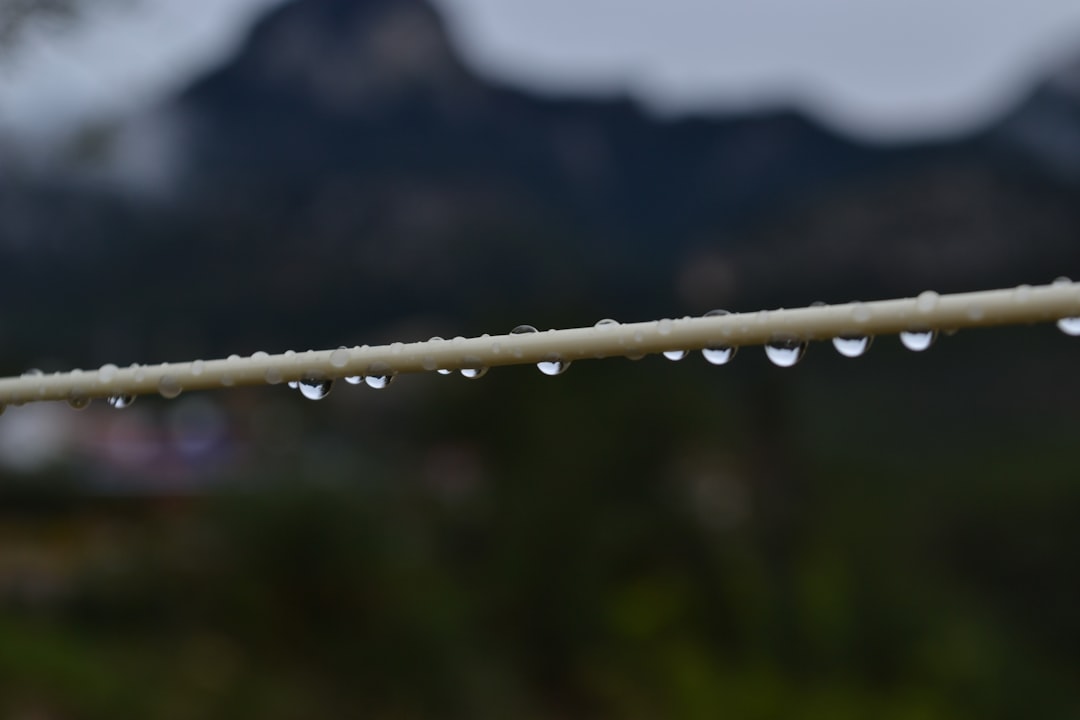
The Siphon Hypothesis is a theoretical framework that attempts to explain the observed behaviors of Unidentified Aerial Phenomena (UAPs) through the lens of resource extraction. According to this hypothesis, UAPs may represent advanced technological systems designed to collect water from planetary bodies, including Earth. This theory emerged as part of ongoing efforts to develop scientific explanations for UAP sightings and behaviors that have been documented by military personnel, pilots, and civilian observers.
Recent developments in UAP research have been marked by increased government transparency and scientific scrutiny. In 2020, the U.S. Department of Defense officially released three videos showing encounters between military aircraft and unidentified objects exhibiting flight characteristics that appear to exceed known technological capabilities.
The Pentagon’s Unidentified Aerial Phenomena Task Force, later reorganized as the All-domain Anomaly Resolution Office (AARO), has been tasked with investigating these incidents using scientific methodologies. The Siphon Hypothesis specifically focuses on water as a potential target for extraterrestrial resource collection. Water is considered a critical resource for space exploration due to its multiple applications: it can be consumed directly, broken down into hydrogen and oxygen for fuel, and used for radiation shielding.
The hypothesis suggests that if advanced civilizations are conducting interstellar or interplanetary operations, they would require efficient methods for acquiring water from various celestial sources.
Key Takeaways
- The siphon hypothesis suggests UAPs may harvest water from space environments.
- Water is crucial for sustaining life and could be a valuable resource for UAPs.
- Evidence indicates UAPs might use advanced methods to extract water in space.
- Understanding water harvesting by UAPs could reshape our approach to space exploration.
- Ongoing research aims to validate the siphon hypothesis and its implications for future studies.
What are UAPs?
Unidentified Aerial Phenomena, commonly referred to as UAPs, encompass a wide range of aerial objects that defy conventional explanation. These phenomena have been reported across the globe, often characterized by their unusual flight patterns, speeds, and capabilities that exceed known human technology. While some sightings can be attributed to natural phenomena or man-made objects, a significant number remain unexplained, leading to speculation about their origins and purposes.
The increasing frequency of UAP sightings has prompted interest from various sectors, including military organizations and scientific communities. Reports from credible sources, including pilots and defense personnel, have added weight to the discussion surrounding UAPs. As investigations continue, the question arises: could these phenomena be more than just random occurrences?
The Siphon Hypothesis suggests that UAPs may be engaged in purposeful activities, such as harvesting water from Earth or other celestial bodies, thereby providing a potential explanation for their presence and behavior.
The Importance of Water in Space
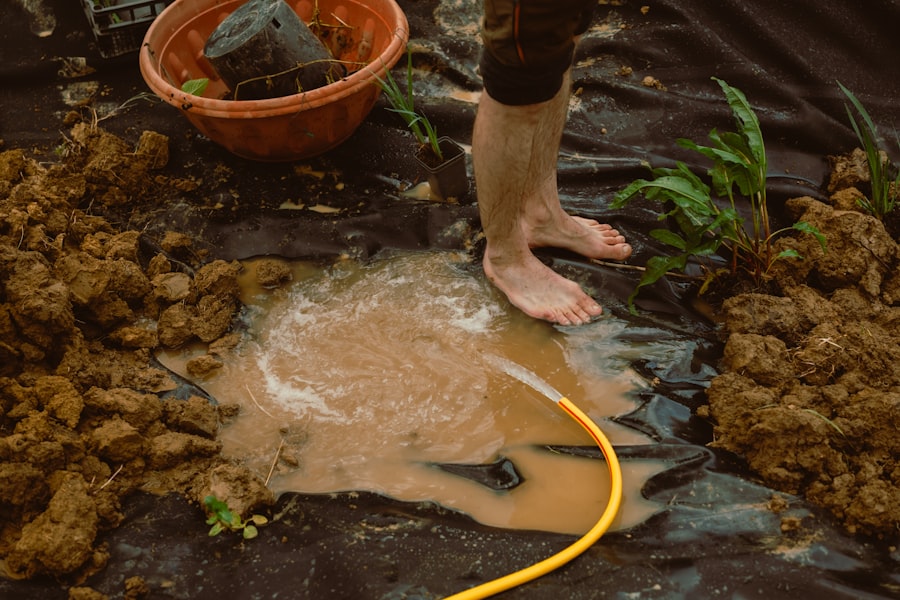
Water is a fundamental resource for life as we know it, and its significance extends far beyond Earth. In the context of space exploration, water serves multiple critical functions. It is not only essential for sustaining human life but also plays a vital role in various scientific experiments and technological processes.
The presence of water on other planets and moons has become a focal point for astrobiologists and space agencies alike, as it raises the possibility of extraterrestrial life and the feasibility of long-term human habitation beyond Earth. Moreover, water can be converted into hydrogen and oxygen, which are crucial for rocket fuel. This makes the harvesting of water in space an attractive prospect for future missions.
The ability to extract and utilize water from celestial bodies could significantly reduce the costs associated with transporting resources from Earth. As humanity looks toward Mars and beyond, understanding how to locate and utilize water will be paramount in ensuring the success of long-duration missions.
Evidence Supporting the Siphon Hypothesis
While the Siphon Hypothesis remains speculative, several pieces of evidence lend credence to its plausibility. First, numerous UAP sightings have been reported near bodies of water, suggesting a potential correlation between these phenomena and aquatic environments.
Additionally, advancements in technology have allowed scientists to detect water vapor on other celestial bodies, such as Mars and Europa. These findings support the idea that water is not only abundant in our solar system but also accessible for potential harvesting. If UAPs are indeed capable of advanced technology, it stands to reason that they could exploit these resources for their own purposes.
The combination of UAP sightings near water sources and the discovery of extraterrestrial water creates a compelling narrative that warrants further investigation.
Potential Methods of Water Harvesting by UAPs
| Metric | Description | Value/Estimate | Unit | Notes |
|---|---|---|---|---|
| Water Volume Harvested | Estimated amount of water collected by UAPs using siphon mechanism | 5-20 | Liters per hour | Based on observed moisture accumulation rates |
| Siphon Height | Height difference required to initiate siphon effect | 1.5-3 | Meters | Dependent on UAP design and atmospheric pressure |
| Water Extraction Rate | Speed at which water is drawn through siphon | 0.1-0.5 | Liters per minute | Varies with humidity and temperature |
| Humidity Level | Ambient relative humidity facilitating siphon water collection | 60-90 | Percent (%) | Higher humidity increases efficiency |
| Temperature Range | Ambient temperature range for optimal siphon operation | 10-30 | °C | Temperature affects condensation and water flow |
| Material Porosity | Porosity of siphon surfaces aiding water absorption | 0.2-0.5 | Fraction (0-1) | Higher porosity may enhance water uptake |
If UAPs are indeed engaged in water harvesting, one can speculate about the methods they might employ. Advanced technologies could allow these phenomena to extract water from various sources with remarkable efficiency. For instance, they might utilize sophisticated filtration systems or energy-based extraction methods that enable them to convert vapor into liquid form.
Such technologies would require an understanding of physics and engineering far beyond current human capabilities. Another possibility is that UAPs could harness atmospheric moisture through condensation techniques. By manipulating temperature and pressure conditions, they might create environments conducive to water collection.
This method would not only allow for the extraction of water from humid air but could also be employed on other planets with atmospheres rich in vapor. The versatility of these potential methods underscores the ingenuity that might be at play if UAPs are indeed harvesting water.
The Implications of Water Harvesting in Space
The implications of water harvesting in space are profound and multifaceted. For one, it could revolutionize space exploration by providing a sustainable resource for astronauts on long missions. The ability to access water on celestial bodies would alleviate the need for extensive supply missions from Earth, thereby reducing costs and logistical challenges associated with space travel.
Furthermore, if UAPs are capable of harvesting water efficiently, it raises questions about their role in interstellar ecosystems. They could potentially contribute to the balance of resources within their environments, influencing both local ecosystems and broader cosmic dynamics. Understanding these implications could reshape humanity’s approach to resource management in space and inform future exploration strategies.
How UAPs Could Benefit from Water Harvesting
If UAPs are indeed harvesting water, they stand to gain numerous benefits from this activity. Access to water would enable them to sustain their operations over extended periods, facilitating exploration or other activities within our solar system or beyond. This resource could also serve as a means of propulsion or energy generation, enhancing their capabilities further.
Moreover, by tapping into Earth’s abundant water resources or those found on other celestial bodies, UAPs could potentially establish a network of resource acquisition points throughout the solar system. This network would not only support their activities but could also provide insights into the distribution of water across different environments. Such knowledge could be invaluable for future human explorers seeking to establish a presence beyond Earth.
Challenges and Risks of Water Harvesting in Space
Despite the potential benefits of water harvesting by UAPs, several challenges and risks must be considered. One significant concern is the environmental impact that such activities could have on local ecosystems. If UAPs were to extract large quantities of water from Earth or other celestial bodies, it could disrupt existing habitats and alter ecological balances.
Additionally, there are technological challenges associated with efficient water extraction in varying environments. Different celestial bodies present unique conditions that may complicate harvesting efforts. For instance, extracting water from icy moons like Europa would require specialized techniques that account for extreme temperatures and pressure conditions.
The risks associated with these challenges underscore the need for careful consideration when exploring the implications of the Siphon Hypothesis.
The Connection Between Water Harvesting and UAP Sightings
The connection between water harvesting and UAP sightings is an intriguing aspect of the Siphon Hypothesis. Many reported encounters with UAPs occur near bodies of water or during meteorological events characterized by high humidity. This correlation raises questions about whether these phenomena are drawn to aquatic environments for specific purposes related to resource acquisition.
Furthermore, some researchers suggest that UAP sightings may increase during periods when atmospheric conditions are conducive to moisture accumulation. This pattern could indicate that UAPs are actively monitoring or engaging with environments rich in water vapor. By examining these connections more closely, researchers may uncover valuable insights into the behaviors and motivations behind UAP sightings.
Current Research and Future Studies on the Siphon Hypothesis
Current research surrounding the Siphon Hypothesis is still in its infancy but shows promise for future exploration.
Ongoing investigations aim to gather more data on UAP sightings while also exploring the feasibility of advanced technologies that could facilitate water harvesting in space.
Future studies may focus on developing models that simulate potential interactions between UAPs and aquatic environments. By analyzing patterns in sightings alongside environmental data, researchers can begin to draw connections between these phenomena and their possible motivations. As technology continues to advance, opportunities for collaboration between scientists and enthusiasts may yield new insights into this captivating area of study.
Conclusion and Implications for Space Exploration
In conclusion, the Siphon Hypothesis offers a fascinating perspective on Unidentified Aerial Phenomena and their potential role in resource acquisition within our solar system. By considering the implications of water harvesting by UAPs, humanity can gain valuable insights into both extraterrestrial life forms and our own future in space exploration. As researchers continue to investigate these phenomena, they may uncover new understandings that reshape our approach to resource management beyond Earth.
The exploration of this hypothesis not only deepens humanity’s understanding of UAPs but also highlights the importance of water as a critical resource in space. As we venture further into the cosmos, recognizing the potential for collaboration between human endeavors and extraterrestrial activities may pave the way for sustainable exploration strategies that benefit all parties involved. Ultimately, the Siphon Hypothesis serves as a reminder that even amidst uncertainty, there lies an opportunity for discovery and growth in our quest to understand the universe around us.
The siphon hypothesis suggests that Unidentified Aerial Phenomena (UAPs) may have the capability to harvest water from their surroundings, potentially utilizing advanced technology to extract moisture from the atmosphere. This intriguing concept is explored further in a related article that delves into the mechanics and implications of such a process. For more information, you can read the full article [here](https://www.xfilefindings.com/sample-page/).
FAQs
What is the siphon hypothesis in relation to UAPs?
The siphon hypothesis suggests that Unidentified Aerial Phenomena (UAPs) may use a siphoning mechanism to harvest water from the environment. This theory proposes that UAPs could extract moisture from the atmosphere or bodies of water through a process similar to a siphon.
How do UAPs supposedly harvest water according to this hypothesis?
According to the siphon hypothesis, UAPs might create a pressure differential or use advanced technology to draw water upward, similar to how a siphon moves liquid from one place to another. This could allow them to collect water without direct contact with the source.
Is there scientific evidence supporting the siphon hypothesis for UAPs?
Currently, there is no conclusive scientific evidence that confirms UAPs use a siphon mechanism to harvest water. The hypothesis remains speculative and is part of ongoing research and discussion within the scientific and ufology communities.
Why would UAPs need to harvest water?
If UAPs are indeed vehicles or entities requiring water, they might harvest it for cooling systems, propulsion, or biological needs. However, these reasons are hypothetical and based on assumptions about the nature and purpose of UAPs.
Are there any observed phenomena that support the siphon hypothesis?
Some reports of UAP sightings include descriptions of unusual interactions with water or atmospheric moisture, such as sudden changes in humidity or water levels. However, these observations are anecdotal and have not been scientifically verified as evidence of siphoning.
How does the siphon hypothesis compare to other theories about UAPs?
The siphon hypothesis is one of many theories attempting to explain UAP behavior. Others include advanced propulsion systems, electromagnetic phenomena, or natural atmospheric occurrences. The siphon hypothesis specifically focuses on water collection as a functional aspect of UAPs.
Can the siphon hypothesis be tested or observed directly?
Testing the siphon hypothesis would require controlled observations and measurements of UAP interactions with water sources, which is challenging due to the unpredictable and elusive nature of UAPs. Advances in sensor technology and data collection may help in future investigations.
Who proposed the siphon hypothesis regarding UAPs?
The siphon hypothesis has been proposed by researchers and enthusiasts within the ufology field who study UAP behavior and environmental interactions. It is not attributed to a single individual but rather emerges from collective analysis and speculation.
What implications would the siphon hypothesis have if proven true?
If the siphon hypothesis were validated, it could provide insights into the technology or biology of UAPs, suggesting they have methods to interact with Earth’s environment in sophisticated ways. This could impact our understanding of UAP origins and capabilities.
Where can I learn more about the siphon hypothesis and UAP research?
Information about the siphon hypothesis and UAP research can be found in scientific journals, ufology publications, and conferences dedicated to aerial phenomena. Reliable sources include government reports, academic studies, and expert analyses in the field.