
Ice sheets are massive bodies of glacial ice that cover large land areas, with the two primary examples being the Antarctic and Greenland ice sheets. These formations consist of compressed snow and ice that has accumulated over thousands of years, reaching thicknesses of several kilometers. Ice sheets contain approximately 70% of Earth’s freshwater reserves and serve as important components in global climate regulation and sea level control.
The Antarctic ice sheet covers roughly 14 million square kilometers and contains about 26.5 million cubic kilometers of ice, while the Greenland ice sheet spans approximately 1.7 million square kilometers with around 2.85 million cubic kilometers of ice. These ice masses influence global ocean circulation patterns, reflect solar radiation back to space, and store vast quantities of water that would significantly raise sea levels if melted completely. Scientific research on ice sheets involves multiple disciplines including glaciology, climatology, meteorology, and oceanography.
Modern monitoring techniques include satellite altimetry, synthetic aperture radar, GPS measurements, and ice-penetrating radar systems. These technologies enable researchers to track changes in ice thickness, surface elevation, flow velocity, and mass balance over time. Current observations indicate that both major ice sheets are experiencing net mass loss, with Greenland losing approximately 280 billion tons of ice annually and Antarctica losing about 150 billion tons per year as of recent measurements.
This ice loss contributes to global sea level rise, which currently occurs at a rate of approximately 3.3 millimeters per year. Understanding ice sheet behavior is essential for accurate projections of future sea level changes and their potential impacts on coastal regions worldwide.
Key Takeaways
- Ice sheet stability is crucial for regulating global sea levels and is influenced by various environmental factors.
- Climate change significantly impacts ice sheet stability, accelerating melting and contributing to sea level rise.
- Monitoring technologies are essential for tracking changes in ice sheets and predicting future trends.
- Instability in ice sheets can disrupt ocean circulation patterns, affecting global climate systems.
- Effective mitigation strategies and informed policies are needed to protect coastal communities and infrastructure from the effects of ice sheet changes.
Understanding Ice Sheet Stability
Ice sheet stability refers to the ability of these massive ice formations to maintain their structure and volume over time. A stable ice sheet is one that can withstand external forces such as temperature fluctuations, ocean currents, and atmospheric conditions without undergoing significant melting or disintegration. The stability of an ice sheet is influenced by various factors, including its internal structure, the underlying geology, and the climatic conditions it experiences.
When these factors align favorably, an ice sheet can remain stable for thousands of years, but even minor changes in any of these elements can lead to instability. The dynamics of ice sheet stability are complex and multifaceted. Ice sheets are not static; they are constantly in motion due to gravitational forces and the flow of ice from the interior toward the edges.
This movement can be influenced by the temperature of the ice itself, as warmer temperatures can lead to increased melting at the surface and enhanced flow rates. Additionally, the interaction between the ice sheet and the underlying bedrock plays a significant role in stability. For instance, if an ice sheet rests on a slope, it may be more susceptible to sliding into the ocean as it melts.
Understanding these dynamics is crucial for predicting how ice sheets will respond to ongoing climate change.
Factors Affecting Ice Sheet Stability
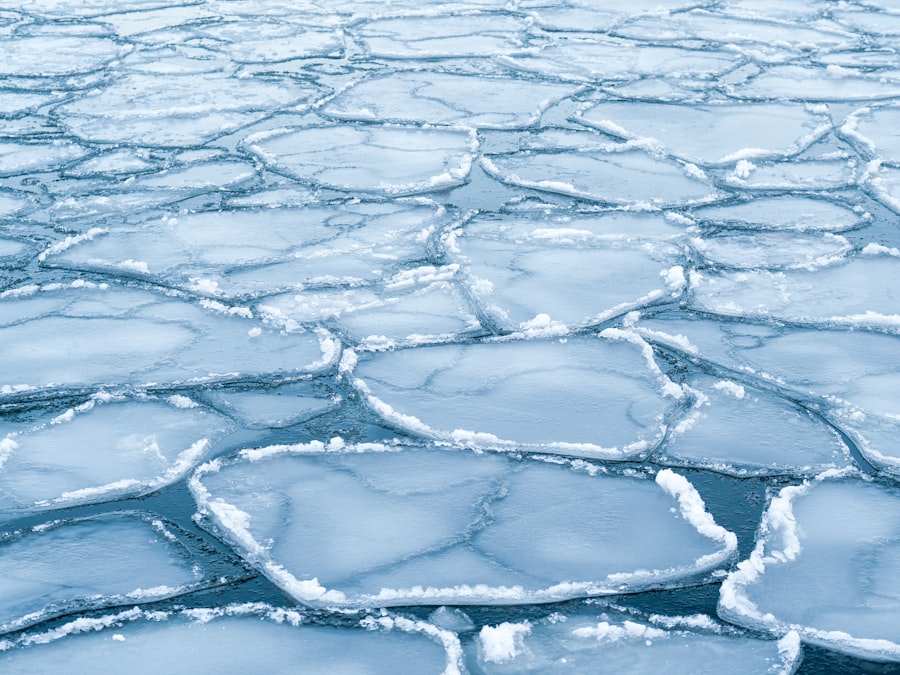
Several factors contribute to the stability of ice sheets, each interrelated and capable of influencing one another. One primary factor is temperature. As global temperatures rise due to climate change, surface melting increases, which can destabilize an ice sheet’s structure.
Warmer air temperatures lead to more significant melting during summer months, while warmer ocean waters can erode the ice sheet’s edges from below. This dual threat of atmospheric and oceanic warming creates a precarious situation for ice sheets, making them more vulnerable to collapse. Another critical factor is the geological substrate beneath the ice sheets.
The nature of the bedrock can significantly influence how an ice sheet behaves. For example, if an ice sheet sits on a bed of soft sediment rather than solid rock, it may flow more easily and be more susceptible to instability. Additionally, variations in topography can create areas where water accumulates or drains away, further affecting melting rates and flow dynamics.
Understanding these geological factors is essential for accurately modeling ice sheet behavior and predicting future changes.
The Role of Climate Change in Ice Sheet Stability
Climate change has emerged as a significant driver of ice sheet instability in recent decades. As global temperatures continue to rise due to human activities such as fossil fuel combustion and deforestation, the effects on ice sheets become increasingly pronounced. The warming atmosphere leads to enhanced surface melting, while rising ocean temperatures contribute to increased calving events—where chunks of ice break off from the edges of an ice sheet and enter the sea.
These processes not only reduce the overall mass of ice sheets but also accelerate their flow toward the ocean. The implications of climate change for ice sheet stability are profound. Research indicates that even a modest increase in global temperatures could trigger irreversible changes in major ice sheets like those in Greenland and Antarctica.
For instance, studies have shown that certain regions of these ice sheets are already experiencing rapid melting that could lead to significant sea level rise within this century. As climate change continues unabated, understanding its impact on ice sheet stability becomes crucial for developing effective strategies to mitigate its effects.
Importance of Ice Sheet Stability for Global Sea Levels
| Mechanism | Description | Key Metrics | Impact on Ice Sheet Stability |
|---|---|---|---|
| Basal Sliding | Movement of ice over the bedrock facilitated by meltwater lubrication | Sliding velocity (m/year), basal water pressure (kPa) | Increased sliding can accelerate ice loss and destabilize ice sheets |
| Ice Shelf Buttressing | Ice shelves act as a barrier, slowing the flow of grounded ice | Buttressing force (kN/m), ice shelf thickness (m) | Loss of buttressing leads to faster glacier flow and potential collapse |
| Marine Ice Sheet Instability (MISI) | Retreat of grounding line on retrograde slopes causing self-sustained retreat | Grounding line position (km), bed slope gradient (°) | Can trigger rapid and irreversible ice sheet retreat |
| Surface Melting and Meltwater Percolation | Surface meltwater penetrates ice, affecting internal ice structure and basal lubrication | Surface melt rate (mm/day), meltwater volume (m³) | Enhances basal sliding and crevasse formation, reducing stability |
| Ice Flow Dynamics | Internal deformation and flow of ice driven by gravity and temperature | Ice velocity (m/year), strain rate (1/year) | Controls ice sheet shape and response to external forces |
The stability of ice sheets is intrinsically linked to global sea levels, making their monitoring and understanding vital for coastal communities worldwide. Ice sheets act as massive reservoirs of freshwater; when they melt or collapse, they contribute directly to rising sea levels. Even small changes in the volume of these ice formations can have far-reaching consequences for coastal ecosystems and human settlements alike.
For instance, projections suggest that if current trends continue, sea levels could rise by several feet by the end of this century, threatening low-lying areas with increased flooding and erosion. Moreover, the implications of rising sea levels extend beyond immediate flooding risks. Increased salinity in coastal waters can disrupt marine ecosystems and fisheries, while higher sea levels can lead to more frequent and severe storm surges during extreme weather events.
The economic ramifications are equally concerning; infrastructure damage from flooding can cost billions in repairs and displacement costs for affected communities. Therefore, maintaining ice sheet stability is not just an environmental concern but also a pressing socio-economic issue that requires urgent attention.
Mechanisms for Monitoring Ice Sheet Stability
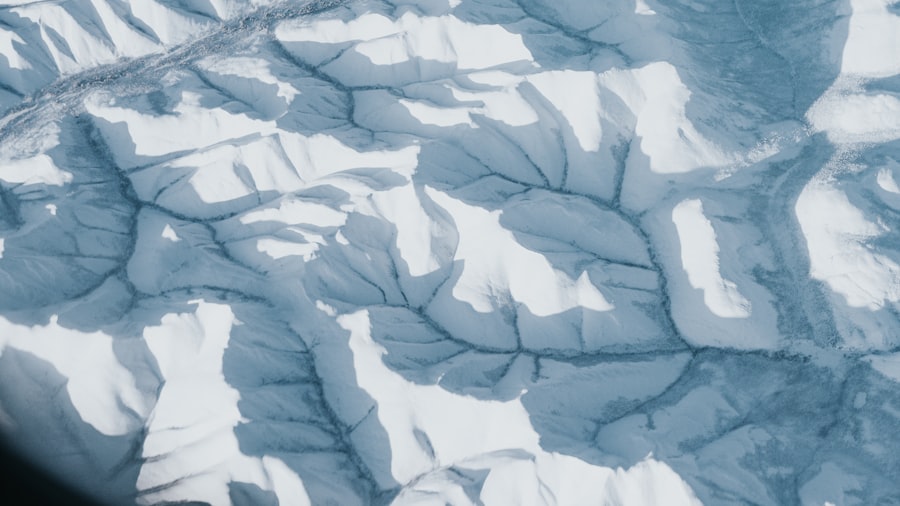
Monitoring ice sheet stability involves a combination of advanced technologies and methodologies designed to capture real-time data on their dynamics. Satellite observations play a crucial role in this process, providing comprehensive coverage of vast areas that are otherwise difficult to access. Instruments such as radar altimeters measure changes in surface elevation, while gravimetric satellites assess variations in mass distribution within an ice sheet.
These data help scientists track melting rates and flow dynamics over time. In addition to satellite technology, ground-based measurements are essential for validating remote sensing data. Researchers often deploy GPS stations on or near ice sheets to monitor movement with high precision.
By combining satellite data with ground-based observations, scientists can develop more accurate models that predict future changes in ice sheet stability.
Potential Consequences of Ice Sheet Instability
The potential consequences of ice sheet instability are alarming and multifaceted. As mentioned earlier, one of the most immediate effects is rising sea levels, which pose a significant threat to coastal communities worldwide. However, the repercussions extend beyond mere flooding; they encompass ecological disruptions, economic challenges, and social upheaval.
For instance, as sea levels rise, saltwater intrusion into freshwater aquifers can compromise drinking water supplies for millions of people living near coastlines. Moreover, the destabilization of major ice sheets could trigger feedback loops that exacerbate climate change further. For example, as large volumes of freshwater enter the ocean from melting ice sheets, they can disrupt ocean circulation patterns that regulate global climate systems.
This disruption could lead to altered weather patterns, increased storm intensity, and further warming—creating a vicious cycle that amplifies existing challenges associated with climate change.
Mitigation Strategies for Maintaining Ice Sheet Stability
Addressing the challenges posed by ice sheet instability requires a multifaceted approach that combines scientific research with policy initiatives aimed at mitigating climate change. One key strategy involves reducing greenhouse gas emissions through transitioning to renewable energy sources such as solar and wind power. By decreasing reliance on fossil fuels, societies can help slow down global warming and its associated impacts on ice sheets.
In addition to emission reductions, enhancing resilience in coastal communities is crucial for adapting to potential changes resulting from ice sheet instability. This may involve investing in infrastructure improvements such as seawalls or flood barriers designed to protect vulnerable areas from rising sea levels. Furthermore, promoting sustainable land-use practices can help preserve natural ecosystems that act as buffers against flooding while also contributing to carbon sequestration efforts.
The Interplay Between Ice Sheets and Ocean Circulation
The relationship between ice sheets and ocean circulation is complex yet vital for understanding global climate dynamics. Ice sheets influence ocean currents through freshwater input; when large volumes of freshwater enter the ocean from melting glaciers or calving events, they can alter salinity levels and density gradients that drive ocean circulation patterns. This alteration can have cascading effects on global climate systems.
Conversely, ocean circulation also impacts ice sheet stability by influencing heat distribution around the planet. Warm ocean currents can erode the bases of floating ice shelves that support larger glaciers on land; this process accelerates melting rates and contributes to overall instability within an ice sheet system. Understanding this interplay is essential for predicting future changes in both ocean circulation patterns and ice sheet behavior.
Implications for Coastal Communities and Infrastructure
The implications of ice sheet instability for coastal communities are profound and far-reaching. As sea levels rise due to melting glaciers, low-lying areas face increased risks of flooding and erosion that threaten homes, infrastructure, and livelihoods. Coastal cities may need to invest heavily in adaptation measures such as elevated buildings or improved drainage systems to cope with these challenges effectively.
Moreover, the economic impact on coastal communities cannot be overstated; industries reliant on stable coastlines—such as tourism or fishing—may suffer significant losses due to changing environmental conditions brought about by rising sea levels. Additionally, displacement caused by flooding could lead to social unrest as communities grapple with loss of property and resources while seeking refuge elsewhere.
Future Research and Policy Implications
Future research into ice sheet stability must prioritize interdisciplinary collaboration among scientists across various fields—glaciology, climatology, oceanography—to develop comprehensive models that accurately predict changes over time. Policymakers must also recognize the urgency of addressing climate change through robust legislation aimed at reducing emissions while promoting sustainable practices at local levels.
Engaging citizens in discussions about climate action can foster a sense of responsibility toward protecting these vital ecosystems while encouraging collective efforts toward sustainability. In conclusion, understanding ice sheets’ stability is critical not only for predicting future climate scenarios but also for safeguarding coastal communities against rising sea levels’ consequences. By prioritizing research efforts alongside proactive policy measures aimed at mitigating climate change impacts on these massive formations, society can work toward a more sustainable future where both people and ecosystems thrive amidst changing environmental conditions.
Recent research has shed light on the complex mechanisms that govern ice sheet stability, highlighting the critical role of subglacial processes. For a deeper understanding of these dynamics, you can explore the article on ice sheet stability mechanisms found at this link. This article discusses various factors influencing ice sheet behavior and their implications for global sea level rise.
WATCH THIS! 🚨 They Hid This: The Missing CIA Page That Warns About Antarctica
FAQs
What is an ice sheet stability mechanism?
An ice sheet stability mechanism refers to the natural processes and factors that help maintain the structural integrity and balance of large ice sheets, preventing rapid melting or collapse.
Why is ice sheet stability important?
Ice sheet stability is crucial because unstable ice sheets can lead to accelerated sea-level rise, which poses significant risks to coastal communities and global climate patterns.
What factors influence the stability of ice sheets?
Factors influencing ice sheet stability include temperature changes, snowfall accumulation, ice flow dynamics, basal melting, ocean currents, and interactions between ice and underlying bedrock.
How do ice sheets lose stability?
Ice sheets can lose stability through processes such as increased surface melting, ice shelf disintegration, grounding line retreat, and warming ocean waters that erode ice from below.
What role do ice shelves play in ice sheet stability?
Ice shelves act as buttresses that slow the flow of ice from the interior of the ice sheet to the ocean. Their collapse can lead to accelerated ice discharge and reduced ice sheet stability.
Can ice sheet stability mechanisms be modeled or predicted?
Yes, scientists use computer models that incorporate physical processes and climate data to simulate ice sheet behavior and predict potential changes in stability under different scenarios.
How does climate change affect ice sheet stability?
Climate change, particularly global warming, increases surface and ocean temperatures, which can weaken ice sheets by enhancing melting and ice shelf loss, thereby reducing their stability.
Are there feedback mechanisms involved in ice sheet stability?
Yes, feedback mechanisms such as the albedo effect (where melting ice reduces surface reflectivity, leading to more absorption of heat) can accelerate ice loss and impact stability.
What regions have significant ice sheets with stability concerns?
The Greenland and Antarctic ice sheets are the largest and most significant in terms of global sea-level impact, and both have areas where stability is currently a concern.
What research is being done to understand ice sheet stability mechanisms?
Research includes satellite observations, field studies, ice core analysis, and advanced modeling to better understand ice dynamics, melting processes, and the response of ice sheets to environmental changes.