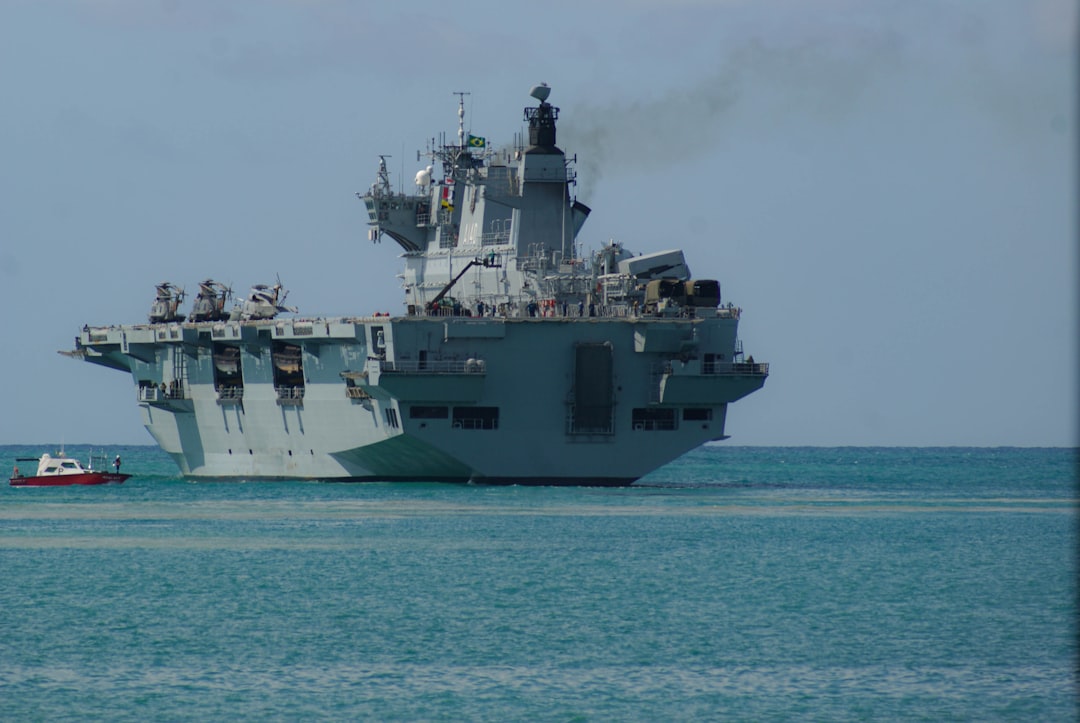
Acoustic anomalies on military vessels represent a significant concern within naval operations, as they can compromise the effectiveness and safety of maritime missions. These anomalies refer to unexpected sounds or vibrations that deviate from the normal operational noise profile of a ship and can originate from mechanical failures, environmental factors, or external threats. Understanding these anomalies is crucial for maintaining the operational integrity of naval fleets, as they can affect navigation, stealth capabilities, and overall mission performance.
The detection and analysis of acoustic anomalies have become increasingly important in modern naval operations. Military vessels equipped with advanced sonar and surveillance systems can identify and interpret these anomalies to assess the vessel’s operational status and detect potential threats. Failure to address acoustic anomalies can result in serious consequences, including mission failure or dangerous incidents at sea.
Key Takeaways
- Acoustic anomalies on military vessels can compromise stealth and operational effectiveness.
- Detecting these anomalies is crucial for maintaining vessel security and mission success.
- Common causes include mechanical faults, structural issues, and environmental factors.
- Advanced technology and collaborative efforts enhance the detection and resolution of acoustic anomalies.
- Ongoing research and strategic prevention are vital for minimizing the impact on military operations.
The Importance of Detecting Acoustic Anomalies
Detecting acoustic anomalies is vital for several reasons, primarily related to operational efficiency and safety. First and foremost, these anomalies can indicate underlying mechanical issues that may compromise a vessel’s performance. For instance, unusual sounds emanating from the propulsion system could signal impending failure, which could jeopardize a mission or endanger the crew.
By identifying these anomalies early, naval personnel can take proactive measures to address potential problems before they escalate into more significant issues. Moreover, acoustic anomalies can also serve as indicators of external threats. In a military context, the ability to discern between benign and potentially hostile sounds is crucial for situational awareness.
For example, the detection of unusual underwater noises could suggest the presence of enemy submarines or other vessels operating in proximity. Therefore, the timely identification of these anomalies not only enhances the safety of the vessel but also contributes to the overall strategic advantage in naval engagements. You can watch fascinating underwater UFO sightings by clicking underwater UFO sightings.
Common Causes of Acoustic Anomalies
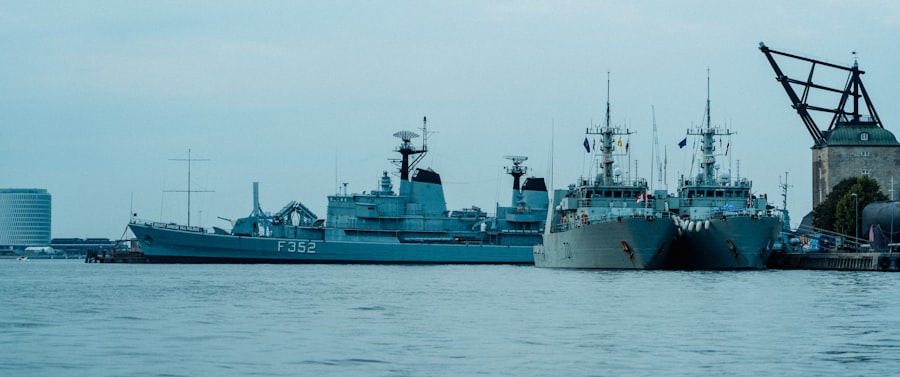
Acoustic anomalies on military vessels can stem from a variety of sources, each presenting unique challenges for detection and analysis. One common cause is mechanical failure within the ship’s systems. Components such as engines, pumps, and propellers can produce unexpected sounds when they malfunction or wear down over time.
These mechanical issues may not only create noise but can also lead to reduced efficiency and increased risk of operational failure. Environmental factors also play a significant role in the generation of acoustic anomalies. Changes in water temperature, salinity, and currents can affect sound propagation in the marine environment, leading to variations in how sounds are perceived by sonar systems.
Additionally, marine life can contribute to background noise levels, complicating the task of distinguishing between natural sounds and those that may indicate a problem with the vessel or an external threat. Understanding these common causes is essential for developing effective detection strategies.
Methods for Uncovering Acoustic Anomalies
Various methods exist for uncovering acoustic anomalies on military vessels, each with its own advantages and limitations. One traditional approach involves routine maintenance checks and inspections of mechanical systems. By regularly monitoring equipment performance and conducting thorough examinations, naval personnel can identify potential issues before they manifest as significant acoustic anomalies.
In addition to routine inspections, advanced diagnostic tools have been developed to enhance anomaly detection capabilities. These tools often utilize sophisticated algorithms and machine learning techniques to analyze acoustic data in real-time. By comparing current sound profiles with historical data, these systems can identify deviations that may indicate underlying problems.
Furthermore, underwater drones equipped with sonar technology are increasingly being employed to conduct remote inspections of submerged components, providing valuable insights into potential sources of acoustic anomalies.
The Role of Technology in Detecting Acoustic Anomalies
| Metric | Description | Typical Range | Impact on Military Vessels |
|---|---|---|---|
| Acoustic Signature Level (dB) | Measure of noise emitted by the vessel underwater | 80 – 140 dB re 1 µPa @ 1m | Higher levels increase detectability by sonar |
| Frequency Range of Anomalies (Hz) | Frequency bands where unusual acoustic patterns are detected | 10 Hz – 10 kHz | Can indicate mechanical faults or stealth technology effectiveness |
| Duration of Acoustic Anomaly (seconds) | Length of time an anomaly persists | 0.5 – 30 seconds | Longer durations may reveal operational issues or intentional signals |
| Source Location Accuracy (meters) | Precision in locating the origin of the anomaly | 5 – 50 meters | Critical for threat assessment and countermeasures |
| Detection Range of Anomalies (kilometers) | Maximum distance at which anomalies can be detected | 1 – 20 km | Depends on water conditions and sensor sensitivity |
| Type of Acoustic Anomaly | Classification of anomaly (e.g., cavitation, machinery noise, propeller noise) | N/A | Helps in diagnosing vessel condition and stealth capabilities |
Technology plays a pivotal role in the detection and analysis of acoustic anomalies on military vessels. The integration of advanced sonar systems has revolutionized how naval forces monitor underwater environments. Modern sonar technology allows for high-resolution imaging and detailed sound analysis, enabling personnel to detect even subtle changes in acoustic signatures.
Moreover, artificial intelligence (AI) and machine learning algorithms are increasingly being utilized to enhance anomaly detection capabilities. These technologies can process vast amounts of acoustic data quickly and accurately, identifying patterns that may be imperceptible to human operators. By leveraging AI-driven analytics, naval forces can improve their situational awareness and response times when faced with potential threats or mechanical issues.
Challenges in Identifying Acoustic Anomalies
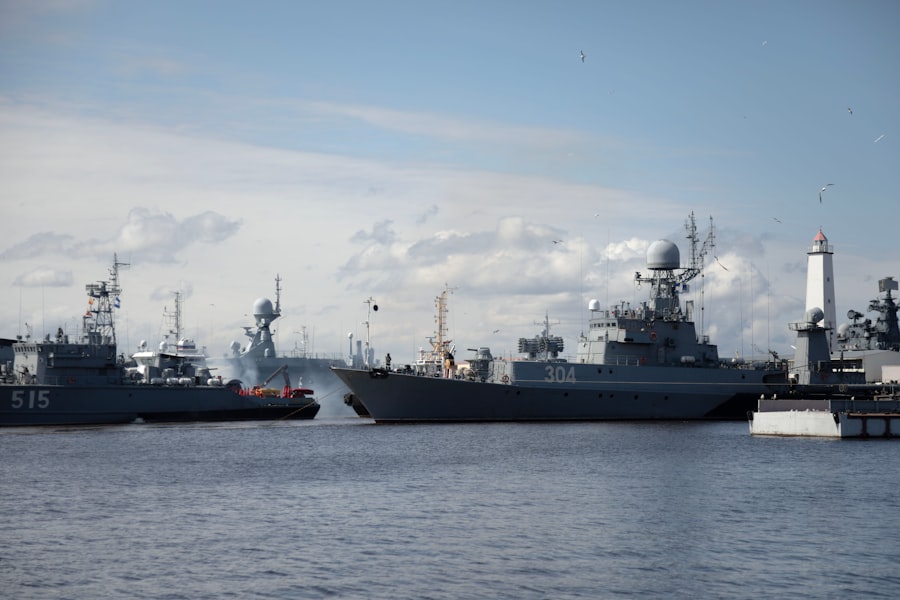
Despite advancements in technology and detection methods, identifying acoustic anomalies remains a complex challenge for military vessels. One significant hurdle is the sheer volume of data generated by sonar systems and other monitoring equipment. The ability to sift through this data efficiently while minimizing false positives is critical for effective anomaly detection.
Operators must be trained to recognize genuine threats amidst a cacophony of background noise. Additionally, environmental conditions can complicate the identification process. Variations in oceanographic conditions can alter sound propagation characteristics, making it difficult to discern between normal operational sounds and those indicative of problems or threats.
This variability necessitates continuous adaptation and refinement of detection techniques to ensure that naval forces remain vigilant against potential risks.
The Impact of Acoustic Anomalies on Military Operations
The impact of acoustic anomalies on military operations can be profound, influencing everything from mission success to crew safety. When a vessel experiences an unexpected acoustic anomaly, it may need to alter its course or reduce speed to investigate the source of the sound. Such adjustments can disrupt planned operations and lead to delays in mission execution.
Furthermore, if an acoustic anomaly indicates a mechanical failure or external threat, the consequences can be even more severe. A compromised vessel may find itself vulnerable to enemy action or unable to perform its intended functions effectively. In high-stakes scenarios where timing and precision are critical, addressing acoustic anomalies promptly becomes paramount for maintaining operational readiness.
Case Studies of Acoustic Anomalies on Military Vessels
Several notable case studies illustrate the challenges posed by acoustic anomalies on military vessels. One such incident involved a naval submarine that detected unusual sounds during a routine patrol mission. Initial assessments suggested that the noises were related to mechanical issues within the propulsion system.
However, further investigation revealed that the sounds were actually caused by underwater geological activity, highlighting the importance of accurate analysis in distinguishing between benign and threatening anomalies. Another case involved a surface combatant that experienced unexplained vibrations during a high-speed maneuver. The crew initially suspected a malfunction in the ship’s engines but later discovered that the vibrations were due to interactions with underwater currents caused by nearby naval exercises.
This incident underscored the need for comprehensive training and awareness among personnel regarding potential sources of acoustic anomalies.
Strategies for Preventing and Addressing Acoustic Anomalies
To mitigate the risks associated with acoustic anomalies, military organizations must adopt proactive strategies for prevention and response. Regular maintenance schedules should be established to ensure that all mechanical systems are functioning optimally and any wear or damage is addressed promptly. Additionally, crew training programs should emphasize the importance of recognizing and reporting unusual sounds or vibrations during operations.
Implementing advanced monitoring technologies can also enhance anomaly detection capabilities. By integrating real-time data analytics into operational protocols, naval forces can improve their ability to identify potential issues before they escalate into significant problems. Furthermore, fostering a culture of open communication among crew members encourages vigilance and collaboration in addressing acoustic anomalies as they arise.
Collaborative Efforts in Addressing Acoustic Anomalies
Addressing acoustic anomalies on military vessels requires collaboration across various sectors within defense organizations. Interdisciplinary teams comprising engineers, acoustics specialists, and operational personnel can work together to develop comprehensive strategies for anomaly detection and response. By pooling expertise from different fields, these teams can create innovative solutions that enhance overall operational effectiveness.
Moreover, partnerships with academic institutions and private industry can facilitate research into new technologies and methodologies for detecting acoustic anomalies. Collaborative efforts can lead to advancements in sonar technology, machine learning algorithms, and diagnostic tools that improve anomaly detection capabilities across naval fleets.
Conclusion and Future Directions in Detecting Acoustic Anomalies
In conclusion, understanding and addressing acoustic anomalies on military vessels is essential for maintaining operational readiness and ensuring crew safety. As technology continues to evolve, so too will the methods employed for detecting these anomalies. Future advancements may include more sophisticated AI-driven analytics, enhanced sonar systems capable of discerning subtle differences in sound profiles, and improved training programs for personnel.
The ongoing commitment to research and collaboration will play a crucial role in shaping the future landscape of acoustic anomaly detection within military operations. By prioritizing these efforts, naval forces can enhance their capabilities in identifying potential threats and maintaining the integrity of their maritime missions in an increasingly complex operational environment.
Recent investigations into acoustic anomalies associated with military vessels have raised intriguing questions about underwater phenomena. For a deeper understanding of these occurrences, you can explore a related article that delves into the implications of such anomalies on naval operations and maritime security. Check out the article here: XFile Findings.
WATCH THIS! 🚢 THEY KNOW: What The Navy Has Hidden For 50 Years 🔒
FAQs
What are acoustic anomalies in military vessels?
Acoustic anomalies in military vessels refer to unusual or unexpected sound patterns detected by sonar or other acoustic monitoring systems. These anomalies can indicate the presence of foreign objects, structural issues, or other underwater phenomena affecting the vessel’s acoustic signature.
Why are acoustic anomalies important for military vessels?
Acoustic anomalies are crucial because they can impact a vessel’s stealth and detection capabilities. Identifying and understanding these anomalies helps in maintaining the vessel’s operational effectiveness and avoiding detection by enemy sonar systems.
How are acoustic anomalies detected on military vessels?
Acoustic anomalies are detected using sonar systems, hydrophones, and other underwater acoustic sensors. These devices monitor sound waves and vibrations around the vessel to identify irregularities in the acoustic environment.
What causes acoustic anomalies in military vessels?
Causes of acoustic anomalies include mechanical issues, such as faulty machinery or propeller damage, structural defects, biofouling (marine growth on the hull), and environmental factors like underwater terrain or marine life.
Can acoustic anomalies affect the performance of military vessels?
Yes, acoustic anomalies can degrade a vessel’s stealth by increasing its noise signature, making it more detectable to enemy forces. They can also indicate potential mechanical problems that may affect the vessel’s operational performance.
How are acoustic anomalies managed or mitigated?
Management involves regular maintenance, hull cleaning, repairs, and the use of noise-reduction technologies. Additionally, acoustic signature management programs are implemented to monitor and minimize noise emissions.
Are acoustic anomalies unique to military vessels?
While acoustic anomalies can occur in any underwater vessel, they are particularly significant for military vessels due to the importance of stealth and sonar detection in naval operations.
What role does technology play in addressing acoustic anomalies?
Advanced sonar systems, acoustic sensors, and data analysis software play a vital role in detecting, analyzing, and mitigating acoustic anomalies to enhance vessel stealth and operational readiness.
Can acoustic anomalies be used for surveillance or intelligence?
Yes, detecting acoustic anomalies can provide valuable intelligence about the presence and movement of other vessels or underwater objects, aiding in surveillance and tactical decision-making.
Is research ongoing in the field of acoustic anomalies in military vessels?
Yes, ongoing research focuses on improving detection methods, understanding the sources of anomalies, and developing technologies to reduce acoustic signatures and enhance naval stealth capabilities.