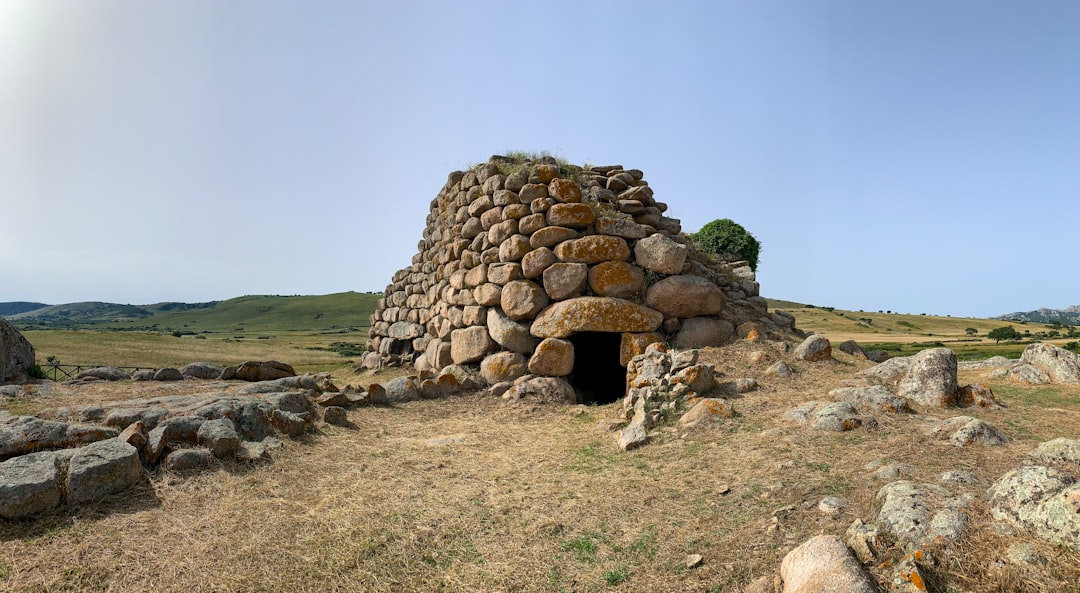
The Anatolian Neolithic, a crucial epoch in human history when settled agriculture first took root and blossomed, is in the process of yielding its genetic secrets. For millennia, the echoes of these early farmers have been encoded within the very fabric of their remains, waiting for the precision of modern science to decipher them. Recent archaeological and genetic investigations are now lifting the veil, revealing complex patterns of ancestry, migration, and admixture that paint a far richer picture than previously imagined. Instead of a single, homogenous wave of Neolithic peoples spreading from a singular source, the genetic landscape of Anatolia appears to have been a mosaic, shaped by distinct ancestral populations and their subsequent interactions.
The transition from a mobile hunter-gatherer lifestyle to settled agriculture was a transformative moment for humanity, and Anatolia stands as a pivotal stage for this global shift. archaeological evidence points to the region as a primary center of domestication for key crops like wheat and barley, and animals such as sheep and goats. This agricultural revolution, which began around 10,000 years ago, instigated profound societal changes: sedentism, population growth, and the development of more complex social structures. The genetic legacy of these early pioneers is thus intrinsically linked to the biological underpinnings of the Neolithic transition itself.
Unraveling Ancient DNA: Methodological Advancements
The ability to extract and analyze ancient DNA (aDNA) from skeletal remains has revolutionized our understanding of past populations. Prior to these advancements, genetic insights were largely inferred from modern populations, a process fraught with the complexities of millennia of gene flow and drift. The direct examination of aDNA, however, offers a direct window into the genetic makeup of individuals who lived thousands of years ago.
The Power of Genomics: High-Throughput Sequencing
The development of high-throughput sequencing technologies has been instrumental. It allows for the rapid and efficient sequencing of millions of DNA fragments from even highly degraded ancient samples. This technological leap has moved beyond analyzing single genes or mitochondrial DNA to enabling the reconstruction of complete ancient genomes, providing a much more comprehensive genetic fingerprint.
Purification and Contamination Control: Ensuring Accuracy
Working with aDNA presents significant challenges, primarily due to degradation and contamination. Rigorous laboratory protocols are employed to purify the DNA and minimize contamination from modern sources. Specialized cleaning techniques and bioinformatics pipelines are crucial for distinguishing authentic ancient sequences from spurious signals.
The Puzzle of Origins: Early Anatomical and Proximal Peoples
Understanding the genetic tapestry of the Anatolian Neolithic requires first acknowledging the genetic antecedents of the region. These were not peoples who sprang fully formed from the earth, but rather populations with deep ancestral roots in the broader Near East.
Paleo-Anatolian Horizon: Pre-Neolithic Inhabitants
Before the advent of agriculture, Anatolia was inhabited by hunter-gatherer groups. Genetic studies are beginning to illuminate the relationships between these Late Pleistocene and Early Holocene populations and their contribution to later Neolithic groups. These early inhabitants represent the bedrock upon which the Neolithic culture was built.
Proximal Eurasian Ancestry: Kinship with Southern Levant and Balkans
Genetic analyses have revealed that early Anatolian Neolithic farmers shared significant ancestry with contemporaneous groups in the Southern Levant (an area encompassing modern-day Israel, Palestine, Jordan, and parts of Syria and Lebanon). This suggests a co-evolutionary journey where agricultural innovations and associated genetic lineages may have spread reciprocally across the region. Furthermore, there is evidence of early connections and eventual admixture with populations in southeastern Europe, predating the large-scale Neolithic expansion into the Balkans.
Recent studies on the genetic diversity of Anatolian Neolithic populations have revealed distinct genetic clusters that shed light on the migration patterns and cultural exchanges of early agricultural societies. For a deeper understanding of these genetic clusters and their implications for the history of the region, you can refer to the related article found at this link. This article explores the methodologies used in genetic analysis and discusses the broader impacts of these findings on our understanding of human history in Anatolia.
Dissecting Anatolian Genetic Clusters: A Mosaic of Ancestry
The most compelling findings from recent research revolve around the identification of distinct genetic clusters within the Anatolian Neolithic. These clusters are not merely geographical variations but represent identifiable ancestral components that interacted and influenced one another. The image of a single, monolithic Neolithic wave is dissolving, replaced by a more nuanced narrative of diverse ancestral pools contributing to the spread of agriculture.
Early Anatolian Farmers: The “Anatolian Neolithic Farmers” Component
A dominant ancestral component identified in early Anatolian farmers has been termed the “Anatolian Neolithic Farmers” (ANF) or simply “Anatolian Neolithic” component. This genetic signature is not confined to Anatolia but is found to varying degrees in early Neolithic populations across Europe, reflecting the initial dispersal of agriculturists from the region.
Progenitors of European Agriculture: Dispersal Waves
This ANF component is directly ancestral to the majority of early farmers who migrated into Europe, particularly to the Balkans and Western Europe. Their movement was not a single, undifferentiated exodus but likely occurred in waves and through various routes, each carrying this core genetic signature.
Contribution to Modern European Genomes: An Enduring Legacy
The genetic legacy of these Anatolian Neolithic farmers is profound and omnipresent in modern European populations. Even today, their ancestral contribution forms a significant part of the genetic makeup of many Europeans, serving as a biological testament to the transformative power of their agricultural revolution and subsequent migrations.
Local Hunter-Gatherer Admixture: Intertwined Histories
A crucial element in understanding the Anatolian Neolithic genetic landscape is the significant admixture with indigenous Mesolithic hunter-gatherer populations already present in the region. This was not a replacement event but a process of merging and integration, where the incoming farmers integrated with, and exchanged genes with, the existing inhabitants.
The “Western Hunter-Gatherer” Signal: Deep Roots in Anatolia
Genetic studies have identified a component often referred to as “Western Hunter-Gatherer” (WHG) in Anatolian Neolithic skeletons. This signal points to the substantial genetic contribution of the pre-Neolithic hunter-gatherer groups who had long inhabited Anatolia and surrounding territories.
Interplay and Gene Flow: A Continuous Exchange
The presence of WHG admixture suggests ongoing gene flow between Neolithic newcomers and local hunter-gatherers. This interaction was likely facilitated by proximity, trade, and intermarriage, creating a hybrid genetic profile that characterizes many Anatolian Neolithic individuals. This ongoing exchange meant that the “Anatolian Neolithic” itself was not a genetically static entity but evolved through continuous interaction with its environment and its inhabitants.
Regional Variations within Anatolia: A Patchwork of Ancestry
Further genetic studies are uncovering finer-grained regional variations within Neolithic Anatolia, suggesting that the dispersal of agricultural practices and associated peoples was not uniform across the vast landscape. Different sub-regions may have had distinct ancestral compositions and experienced varying degrees of interaction with local populations.
Aegean Anatolia: Connections to the West
Neolithic sites in western Anatolia, particularly those bordering the Aegean Sea, show higher proportions of ancestry linked to populations further west, potentially reflecting earlier or more direct connections with groups in southeastern Europe or even the islands themselves. This hints at multiple dispersal routes or localized introductions of Neolithic lifeways.
Eastern Anatolia: Links to the Caucasus and Beyond
Conversely, Neolithic sites in eastern Anatolia may exhibit increased genetic influences from populations in the Caucasus region or further east. This suggests that the Anatolian Neolithic was not an isolated phenomenon but was part of a broader interconnected network of human movement and cultural exchange extending across Eurasia.
The Southern Anatolian Neolithic: A Distinct Branch?
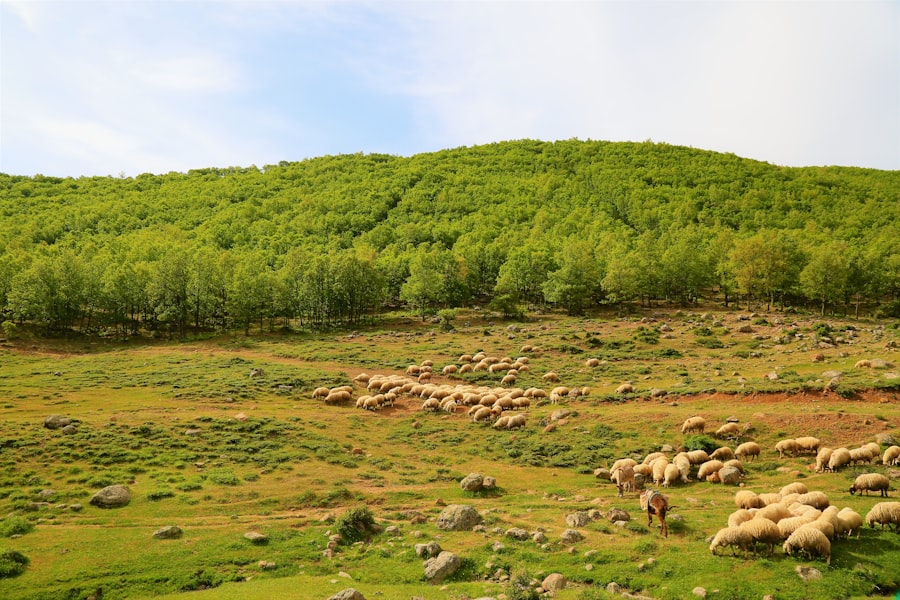
Emerging research is also highlighting the potential distinctiveness of the Neolithic populations in southern Anatolia. This region, with its unique geographical position and potential interactions with populations from the south and east, might represent a separate migratory trajectory or a distinct admixture scenario.
Connections to the Southern Levant: Parallel Migrations and Gene Flow
Southern Anatolian Neolithic sites show strong genetic affinities with contemporaneous populations in the Southern Levant. This could indicate parallel migration routes emanating from the broader Near Eastern origin of agriculture, or significant gene flow between southern Anatolia and the Levant over time.
The Natufian Influence Debate: Precursors and Interactions
The precise relationship between southern Anatolian Neolithic groups and the Natufian culture of the Southern Levant is a subject of ongoing debate. While the Natufians are often considered early precursors to agriculturalists, the extent of direct genetic influence from Natufian groups on the southern Anatolian Neolithic population is still being elucidated.
Admixture with Local Eastern Hunter-Gatherers: Regional Peculiarities
Similar to other Anatolian regions, southern Anatolian Neolithic genomes likely incorporated genetic material from indigenous hunter-gatherer groups. However, the specific genetic profile of these eastern hunter-gatherer populations in the south may have differed from those in other parts of Anatolia, leading to unique admixture patterns.
The Later Neolithic and Chalcolithic: Evolving Genetic Landscapes
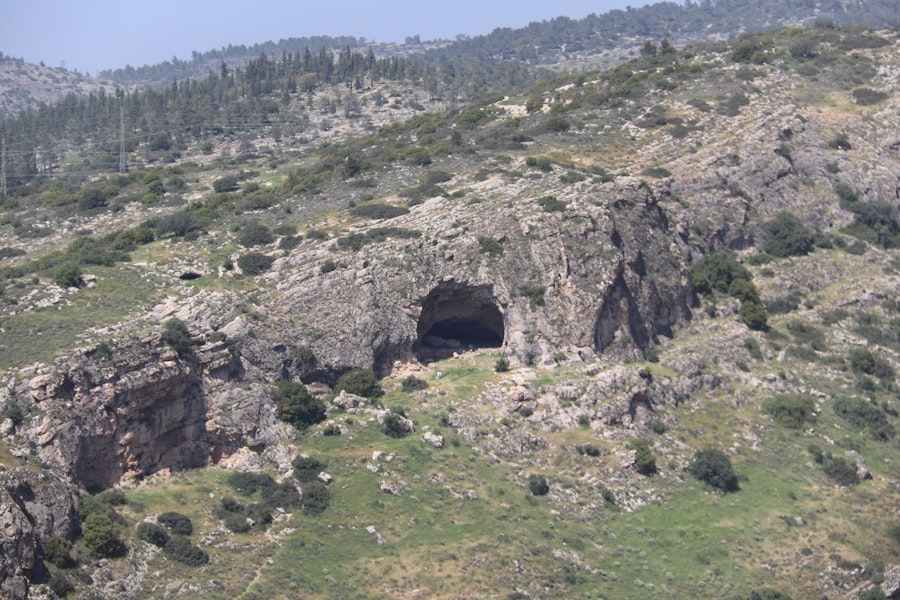
The early Anatolian Neolithic was not a static period. As centuries unfolded, populations continued to migrate, interact, and adapt. The genetic landscape of the Late Neolithic and Chalcolithic periods in Anatolia reflects these ongoing processes, showing evolving patterns of ancestry and new influences.
The Arrival of New Ancestral Streams: The “Caucasus Hunter-Gatherer” Component
With the onset of the Chalcolithic period, and continuing into the Bronze Age, genetic evidence indicates the arrival of new ancestral streams into Anatolia. A prominent component appearing in these later periods is often linked to populations from the Caucasus region, sometimes referred to as “Caucasus Hunter-Gatherers” (CHG) or related steppe pastoralist groups.
Steppe Migrations and Their Impact: The Yamnaya Connection
These new ancestral streams are often associated with the large-scale migrations of steppe pastoralist groups, such as the Yamnaya culture, that dramatically reshaped the genetic landscape of Europe and the Near East during the Bronze Age. Their arrival in Anatolia likely brought new genetic diversity and potentially new cultural practices.
Transformation of Anatolian Genomes: A New Layer of Ancestry
The admixture with these steppe-related populations added a new layer of ancestry to the existing Anatolian gene pool, contributing to the genetic profiles of later Bronze Age and modern Anatolian populations. This signifies a major shift in the demographic history of the region.
Continued Interaction with Europe and the East: A Crossroads Phenomenon
Anatolia’s geographically strategic position ensured its continued role as a crossroads for human movement. Throughout the Late Neolithic and Chalcolithic, there was likely ongoing interaction and gene flow with populations in southeastern Europe and extending further east into Central Asia and the Near East.
East-West Exchange Pathways: Trade and Migration Routes
Ancient trade routes, such as the burgeoning routes for metals and other goods, facilitated not only the movement of materials but also the movement of people and their genes. Anatolia served as a pivotal transit zone for these east-west exchanges.
Cultural and Genetic Convergence: Shared Destinies
The persistent interactions between Anatolia and its neighboring regions meant that genetic and cultural developments were often intertwined. This constant exchange contributed to the complex and dynamic nature of Anatolian populations over millennia.
Recent studies on the genetic diversity of Anatolian Neolithic populations have revealed intriguing insights into the migration patterns and interactions of early farmers in the region. For a deeper understanding of these genetic clusters and their implications for the broader narrative of human history, you can explore a related article that discusses these findings in detail. This article provides a comprehensive overview of the genetic landscape during the Neolithic period and its significance in shaping modern populations. To read more about this fascinating topic, visit this link.
Beyond the Genetic Data: Synthesis and Future Directions
| Genetic Cluster | Region | Time Period | Sample Size | Key Genetic Markers | Notable Findings |
|---|---|---|---|---|---|
| Anatolian Neolithic A | Central Anatolia | c. 7000–6000 BCE | 15 | Y-DNA: G2a; mtDNA: N1a, K1a | Early farming communities with genetic continuity from local hunter-gatherers |
| Anatolian Neolithic B | Western Anatolia | c. 6500–5500 BCE | 12 | Y-DNA: G2a2b; mtDNA: T2, H | Evidence of gene flow from Levantine populations |
| Anatolian Neolithic C | Eastern Anatolia | c. 7000–6000 BCE | 10 | Y-DNA: J2; mtDNA: U3, K | Higher affinity to Caucasus hunter-gatherers |
| Anatolian Neolithic D | Southern Anatolia | c. 6500–5500 BCE | 8 | Y-DNA: E1b1b; mtDNA: N1a, J1 | Genetic admixture with early Levantine farmers |
The genetic insights into the Anatolian Neolithic are not merely an exercise in cataloging ancient DNA; they are a powerful lens through which to re-examine the archaeological record, understand the spread of crucial technologies, and reconstruct the complex social dynamics of early human societies. The picture that emerges is one of dynamic interaction, regional diversity, and continuous adaptation.
Reconciling Genetics with Archaeology: A Holistic Approach
It is crucial to integrate genetic findings with archaeological evidence. Archaeological data provides context for the movement of peoples, the adoption of new technologies, and the establishment of settlements. Genetic data, in turn, offers the biological evidence of who these people were, where they came from, and how they related to one another. This interdisciplinary approach is key to building a comprehensive understanding.
Interpreting Migration Patterns: Beyond Simple Diffusion
Genetic data allows us to move beyond simplistic models of cultural diffusion and infer actual population movements. The detection of specific ancestral components and their varying proportions in different sites and time periods can provide strong evidence for migrations and admixture events.
Understanding Domesticated Species: Host-Pathogen Co-evolution
The genetic history of the Anatolian Neolithic is also intertwined with the domestication of plants and animals. Understanding the genetic relationship between early farmers and their domesticated species, and even their pathogens, can reveal much about the co-evolutionary processes that shaped both human societies and the natural world.
Unanswered Questions and Future Research Avenues: The Horizon of Discovery
Despite the remarkable progress, the study of Anatolian Neolithic genetics is still in its early stages. Many questions remain, and the vastness of the Anatolian landscape still holds many undiscovered secrets.
Increasing Sample Sizes and Geographic Coverage: Filling the Gaps
To refine our understanding, efforts must continue to increase the number of ancient individuals sampled and expand the geographic coverage of these studies within Anatolia. This will help to capture the full spectrum of genetic variation and identify potential pockets of genetic distinctiveness.
Investigating Social Stratification: Gene Expression and Social Structures
Future research could explore genetic markers of social stratification, if any can be identified in ancient DNA. Examining potential differences in health, diet, or disease susceptibility between individuals within the same settlement could offer insights into early social hierarchies and their biological correlates.
Exploring Epigenetic Signatures: Environmental Adaptations
Beyond the DNA sequence itself, the study of epigenetics in ancient samples could reveal how environmental factors and lifestyle choices influenced gene expression in Neolithic populations, shedding light on their adaptation to new agricultural environments. The unfolding story of the Anatolian Neolithic genetic clusters is far from over, and each new genetic finding is a key unlocking another chamber in the vast vault of human prehistory.
FAQs
What are Anatolian Neolithic genetic clusters?
Anatolian Neolithic genetic clusters refer to distinct groups of ancient human populations in the Anatolia region during the Neolithic period, identified through genetic analysis. These clusters represent different genetic lineages and population structures that existed as farming and sedentary lifestyles spread.
Why is the study of Anatolian Neolithic genetic clusters important?
Studying these genetic clusters helps researchers understand the origins and migrations of early farming communities, the spread of agriculture into Europe, and the genetic diversity of ancient populations. It provides insights into human prehistory and the development of modern populations.
How are Anatolian Neolithic genetic clusters identified?
They are identified through the analysis of ancient DNA extracted from archaeological human remains. Scientists use techniques such as genome sequencing and comparison with other ancient and modern DNA samples to detect genetic similarities and differences, forming clusters.
What does the genetic evidence suggest about the population structure in Neolithic Anatolia?
Genetic evidence indicates that Neolithic Anatolia was home to multiple genetically distinct groups, reflecting a complex population structure. These groups contributed differently to the gene pools of later populations in Anatolia and Europe, suggesting interactions and migrations.
How do Anatolian Neolithic genetic clusters relate to the spread of agriculture?
The genetic clusters in Anatolia are closely linked to the early farmers who played a key role in spreading agriculture from the Near East into Europe. The genetic makeup of these clusters shows continuity with early farming populations, supporting the idea that Anatolia was a major source region for Neolithic expansion.