
The frozen continent of Antarctica, a vast expanse of ice and snow, holds within its depths a compelling human drama of curiosity, speculation, and the elusive nature of truth. Among the many enigmas that shroud this remote land, a particular fascination has coalesced around an alleged missing page from a declassified Central Intelligence Agency (CIA) document, a phantom leaf that has fueled theories ranging from ancient civilizations to extraterrestrial visitation. This article endeavors to untangle the threads of this mystery, examining the evidence, the allegations, and the enduring questions that continue to captivate researchers and enthusiasts alike.
The narrative of the CIA’s missing page on Antarctica takes root in the early days of declassification efforts, when government institutions began releasing previously classified documents to the public. As the internet age dawned, these vast archives became more accessible, allowing amateur researchers and historians to sift through layers of redacted information and uncover buried secrets. It was within this burgeoning landscape of open information that whispers of a peculiar omission began to circulate regarding a specific CIA report.
The Declassification Process and its Limitations
The declassification of government documents is not a monolithic, instantaneous act. Instead, it is a complex, often protracted process involving multiple agencies, bureaucratic hurdles, and stringent review protocols. Documents are assessed for their potential to compromise national security, reveal intelligence sources and methods, or implicate living individuals. This review process inherently involves redaction, the blacking out of sensitive information, which can sometimes lead to incomplete or fragmented documents entering the public domain. The CIA, as a primary intelligence agency, possesses a vast repository of historical records, and the sheer volume of material means that thoroughness can sometimes be challenged by resource constraints or the sheer complexity of the data. Declassification itself is meant to foster transparency, but the very nature of intelligence work means that some information will perpetually remain in the shadows.
Early Online Discussions and the Birth of a Conspiracy
The early internet, a digital frontier ripe with speculation, provided fertile ground for the dissemination of intriguing theories. Online forums and Usenet groups, the predecessors to modern social media, became hubs for individuals who were keenly interested in UAPs (Unidentified Aerial Phenomena), ancient mysteries, and government cover-ups. It was within these digital commons that the story of the missing CIA page on Antarctica began to gain traction. A specific document, often cited as the catalyst, was reportedly related to Soviet-era activities in Antarctica. The claim emerged that within this document, a page detailing unusual discoveries or observations was inexplicably absent. This initial omission, whether accidental or deliberate, acted as a spark, igniting the imaginations of those who believed that Antarctica held secrets far beyond scientific understanding. The lack of the alleged missing page became a focal point, a tangible void that invited elaborate explanations.
The mystery surrounding the CIA’s missing page related to Antarctica has sparked considerable intrigue among researchers and conspiracy theorists alike. For those interested in delving deeper into this enigmatic topic, a related article can be found at this link, which explores various theories and findings associated with the CIA’s activities in the region. The article provides insights into the potential implications of the missing information and its connection to ongoing investigations into unexplained phenomena in Antarctica.
The Document in Question: A Tangled Web of Attribution
Pinpointing the exact CIA document at the heart of this mystery has proven to be a challenging task, with various iterations and attributions circulating over the years. The absence of a definitive, universally agreed-upon document has only served to deepen the enigma, allowing for a greater degree of interpretative flexibility.
Identifying the Alleged CIA Report
The most frequently cited document in connection with the missing page is often referred to as a CIA report concerning Soviet activities in Antarctica during the Cold War. The purported content of this report, or at least the missing section, is said to detail observations of anomalous phenomena, unexplained structures, or even evidence of pre-human civilizations. However, rigorous searches through declassified CIA archives have not yielded a single, conclusive document that directly matches these descriptions with a definitively missing page. This lack of concrete evidence is a significant hurdle for those who champion the existence of the missing page as a deliberate concealment. It is akin to searching for a specific grain of sand on a vast, windswept beach; the target itself may be ephemeral.
Variations and Misattributions
The narrative surrounding the missing page is prone to variations and misattributions, making it difficult to establish a clear chain of custody for the alleged information. Different individuals and online communities have attributed the missing page to different, often unverified, CIA documents or reports from other intelligence agencies. This diffusion of information, while perhaps unintentional, can create a confusing tapestry where distinguishing fact from fiction becomes increasingly difficult. The story has morphoped over time, borrowing elements from other Antarctic mysteries and conspiracy theories, making it a chameleon that adapts to its audience.
The Content of the Speculated Missing Page

The true power of the missing page narrative lies not in its confirmed existence, but in the tantalizing possibilities it represents. The speculative content ascribed to this phantom leaf has fueled a rich ecosystem of theories, each more extraordinary than the last.
Theories of Ancient Civilizations and Lost Technologies
One of the most persistent theories suggests that the missing page contained evidence of advanced, indigenous civilizations that once thrived in Antarctica, possibly predating recorded human history. These hypothetical civilizations are often depicted as possessing technologies far beyond our current understanding, perhaps even capable of shaping the Antarctic landscape itself. The idea of a lost civilization beneath the ice cap taps into a deep-seated human fascination with the origins of humanity and the possibility of forgotten eras of advanced knowledge. The absence of this page, in this view, is a deliberate act to suppress the reality of our true ancestral past.
Extraterrestrial Visitation and Hidden Bases
Another prominent theory posits that the missing page alluded to extraterrestrial visitation of Antarctica. This could range from evidence of ancient alien landing sites or their ongoing presence in hidden bases beneath the ice. Proponents of this theory often point to anomalies within the Antarctic landscape, such as unexplained geological formations or recurring UAP sightings, as circumstantial evidence supporting the idea of non-human activity. The missing page, in this context, becomes the smoking gun, the undeniable proof that governments are withholding the truth about alien involvement on Earth.
Cover-up of Scientific Anomalies
Beyond civilization or alien theories, some speculate that the missing page simply contained information about scientific anomalies that defied conventional explanation. This could include unusual biological discoveries, strange energy readings, or geological phenomena that couldn’t be reconciled with current scientific models. The intention behind the redaction, in this scenario, would be to prevent public panic or to maintain control over groundbreaking discoveries that could revolutionize our understanding of the planet or even physics. The scientific establishment, often viewed with suspicion in conspiracy circles, becomes the potential perpetrator of this cover-up.
The Search for Evidence: A Digital and Physical Endeavor
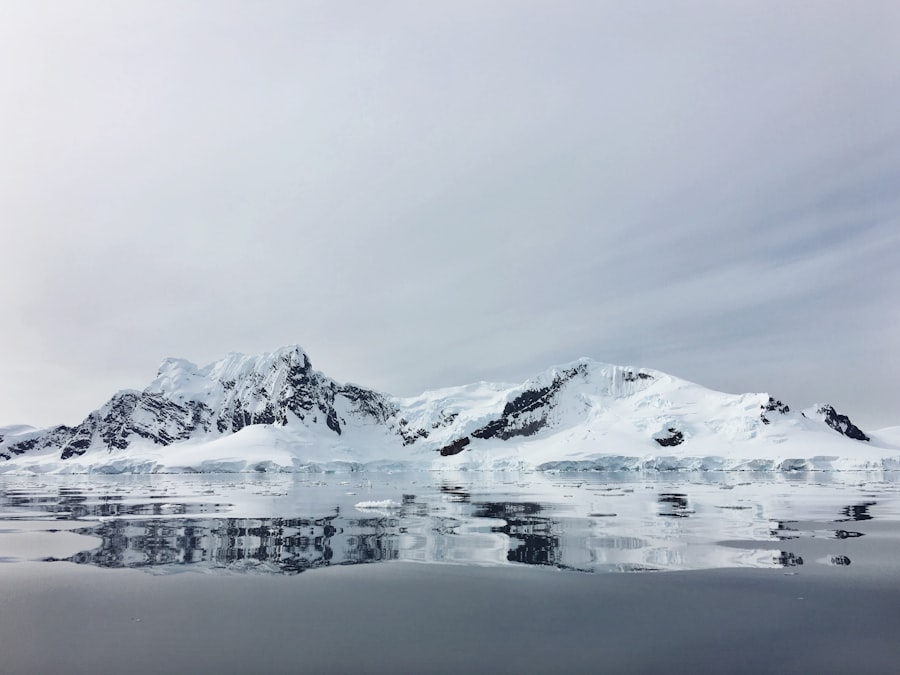
The pursuit of the missing CIA page has manifested in both digital investigations, combing through declassified archives, and in more direct, though often clandestine, attempts to find physical evidence. The lack of concrete proof has not deterred tenacious researchers.
Navigating Declassified Archives
The process of sifting through declassified government documents is a monumental undertaking. Websites like the CIA’s own declassified records portal, the National Archives and Records Administration (NARA), and various independent archives provide access to millions of pages of historical information. Researchers dedicate countless hours to keyword searches, cross-referencing documents, and utilizing optical character recognition (OCR) software to make scanned documents searchable. The challenge lies in the sheer volume of information and the fact that even declassified documents can be heavily redacted, leaving gaps that fuel further speculation. The digital realm, while offering unprecedented access, can also be a labyrinth where the desired artifact remains hidden in plain sight, obscured by the digital dust of mundane bureaucracy.
The Role of Whistleblowers and Leaked Information
In the realm of government secrets, the possibility of information emerging from anonymous whistleblowers or leaked documents always exists. While no credible whistleblowers have definitively come forward to confirm the existence of the missing CIA page, stories of such leaks are a common thread in conspiracy narratives. The allure of a “smoking gun” document, passed on by an insider disillusioned with the secrecy, remains a powerful motivator for those seeking answers. However, the absence of verifiable leaks to support the missing page theory weakens its empirical footing. The digital equivalent of a whispered secret, a rumor passed in the dark, can be compelling but notoriously difficult to substantiate.
In recent discussions about the CIA’s missing page related to Antarctica, many have drawn connections to the broader implications of government secrecy and unexplained phenomena. For those interested in exploring this topic further, a related article can be found at X File Findings, which delves into various mysterious occurrences and the potential reasons behind the concealment of information. This exploration not only highlights the intrigue surrounding Antarctica but also raises questions about what other secrets might be hidden from public view.
The Enduring Mystery and its Impact
| Metric | Details |
|---|---|
| Document Name | CIA Missing Page Antarctica |
| Type | Declassified Intelligence Document |
| Page Number | Unknown / Missing |
| Subject | Antarctic Operations and Research |
| Date | Varies (Cold War Era) |
| Reason for Missing Page | Possible Redaction or Loss |
| Impact | Incomplete Intelligence Analysis |
| Related Topics | Cold War, Antarctic Treaty, Espionage |
| Availability | Partially Available via FOIA Requests |
The CIA’s missing page on Antarctica, despite its unverified status, has had a tangible impact on public perception and the ongoing fascination with the continent. It serves as a potent symbol of what might be hidden from view.
Fueling Antarctic Legend and Lore
The narrative of the missing page has become an integral part of Antarctic legend and lore, a compelling addition to the continent’s already mystique-laden history. It contributes to the widespread perception that Antarctica is not merely a scientifically important but a potentially highly significant location, a place where secrets of global importance are guarded. This folklore attracts both genuine researchers and those with a more speculative bent, all drawn to the idea that the frozen south holds keys to profound historical or even cosmic truths.
The Nature of Truth and Government Secrecy
The enduring mystery of the missing CIA page speaks to a broader societal distrust of government secrecy and a persistent curiosity about what lies beyond official narratives. It highlights the inherent tension between the need for national security and the public’s right to information. Whether the missing page is a figment of collective imagination, a bureaucratic error, or a deliberate act of concealment, its story serves as a potent reminder that the pursuit of truth can be a complex and often frustrating journey, particularly when dealing with the opaque architecture of intelligence agencies and the vast, unyielding silence of Antarctica. The void left by the missing page becomes a canvas onto which humanity projects its deepest questions and its most persistent anxieties about what lies hidden beneath the surface, both literally and figuratively.

WATCH NOW ▶️ THEY HID THE ENTRANCE: The CIA’s Final Warning
FAQs
What is the CIA missing page related to Antarctica?
The CIA missing page refers to a section or document that was once part of the CIA’s public records or archives concerning Antarctica but is no longer available or has been redacted. It often sparks curiosity about what information might have been withheld.
Why would the CIA have documents about Antarctica?
The CIA, as part of its intelligence and geopolitical interests, collects information on various global regions, including Antarctica. This can include scientific research, strategic military interests, and monitoring of international activities on the continent.
Is there any evidence of secret CIA operations in Antarctica?
There is no verified public evidence of secret CIA operations in Antarctica. Most information about the continent is related to scientific research and international treaties that regulate activities there, such as the Antarctic Treaty System.
Why might a page about Antarctica be missing or redacted from CIA documents?
Pages may be missing or redacted to protect sensitive information related to national security, intelligence methods, or diplomatic relations. In some cases, information might be withheld to comply with international agreements or to protect ongoing operations.
Where can I find reliable information about Antarctica and CIA documents?
Reliable information can be found through official government archives, declassified documents available on CIA’s FOIA (Freedom of Information Act) Electronic Reading Room, scientific publications, and reputable news sources that cover intelligence and geopolitical topics.