
The clandestine operations of Area 52 are less about little green men and more about the dangerous implications of biological advancements gone awry. While the public imagination is captivated by extraterrestrial theories, the reality within the secured perimeters involves a more terrestrial, yet equally perilous, challenge: the recovery and containment of rogue biological assets. This is the domain of the Area 52 Recovery Teams, an elite unit tasked with tracking down and neutralizing organisms that have escaped, mutated, or otherwise become a threat to national and global security. Their work is a highly classified, often brutal, testament to the unforeseen consequences of unchecked scientific ambition.
The genesis of rogue biological assets within the scope of Area 52’s operations is rarely a singular, easily identifiable event. It often stems from ambitious research programs, pushing the boundaries of genetic engineering, xenobiology, and even advanced bio-weaponry. The drive for innovation, spurred by perceived strategic advantages or scientific breakthroughs, can inadvertently create organisms with unpredictable traits and capabilities.
The Pursuit of Unconventional Warfare
Early phases of research often focused on creating biologically active agents capable of incapacitating or eliminating enemy forces with minimal collateral damage. This naturally led to exploration of highly targeted pathogens and genetically enhanced organisms. The intent was control, but control over complex biological systems proved elusive.
Viral Vectors and Genetic Manipulation
A significant area of research involved the development of sophisticated viral vectors. These could be engineered to deliver specific payloads, effectively re-writing cellular functions on a massive scale. The challenge lay in ensuring the viral vector’s activity was confined to its intended targets. Off-target effects or unintended evolutionary leaps within the viral genome posed significant risks, creating agents far more resilient and adaptable than initially conceived.
Enhanced Organisms and Unforeseen Adaptations
Beyond viral agents, programs explored the creation of genetically enhanced organisms. This could range from highly aggressive, disease-resistant strains of bacteria to engineered predatory insects with amplified sensory capabilities. The goal was often to create agents that could operate autonomously in hostile environments or deliver specific effects. However, the natural world is a powerful crucible for evolution, and these engineered creations could sometimes adapt in ways that made them unpredictable and exponentially more dangerous.
Accidental Breaches and Containment Failures
Even with stringent protocols, the inherent risks of handling advanced biological materials cannot be entirely eliminated. Accidental breaches, equipment malfunction, or even human error can lead to the escape of a contained asset. These incidents, however rare, are the primary triggers for the deployment of Area 52 Recovery Teams.
The “What If” Scenarios Become Reality
The most concerning scenarios are those that move from theoretical risk assessment to tangible reality. A containment unit failing during a power surge, a contaminated sample escaping a laboratory, or a transport vehicle experiencing a catastrophic event are all potent triggers for a recovery operation. Each such incident necessitates immediate and decisive action.
The Domino Effect of a Single Breach
A single breach can have cascading consequences. An escaped organism, particularly one with a high reproductive rate, rapid mutation potential, or robust survival mechanisms, can quickly establish a foothold outside its intended environment. This can lead to localized outbreaks, ecological disruption, or potentially, a wider societal threat if the organism possesses characteristics that make it transmissible to humans or other key species.
In recent developments surrounding the mysterious operations of Area 52, recovery teams have been actively engaged in hunting rogue biological assets that pose significant risks to national security. These teams are tasked with locating and neutralizing potentially hazardous organisms that have escaped containment. For a deeper understanding of the implications and challenges faced by these teams, you can read a related article that delves into the complexities of biological asset recovery efforts at this link: XFile Findings.
The Area 52 Recovery Teams: Specialized Response
The Area 52 Recovery Teams are the sharp end of the spear in dealing with these biological emergencies. They are not combat soldiers in the traditional sense, but rather a highly interdisciplinary force trained to operate in extreme biological hazard environments. Their composition reflects the multifaceted nature of the threats they face.
Multidisciplinary Expertise Under Pressure
The effectiveness of a recovery team hinges on the combined knowledge and skills of its members. This necessitates a blend of scientific acumen and operational prowess, creating a unique operational profile.
Biological Hazard Specialists (BHS)
At the core of every team are Biological Hazard Specialists. These individuals possess advanced degrees in microbiology, virology, epidemiology, or related fields. They are adept at identifying, characterizing, and understanding the behavior of novel and dangerous biological agents. Their role extends from immediate threat assessment in the field to advising on containment and sterilization procedures.
Reconnaissance and Tracking Experts
Once an asset is confirmed to be on the loose, its location and trajectory become paramount. Reconnaissance and tracking experts utilize advanced surveillance technology, including drone-based sensors, infrared imaging, and even specialized bio-signatures detection equipment, to pinpoint the rogue organism’s whereabouts. This is a meticulous process, often involving silent, covert operations to avoid public panic or alerting the asset to their pursuit.
Containment Engineers and Technicians
Preventing further spread is as critical as neutralizing the threat. Containment engineers and technicians are trained in deploying a range of advanced containment solutions, from mobile quarantine units and rapid sealant applications to the construction of temporary, high-security enclosures. Their expertise ensures that once an asset is located, it can be safely isolated and prevented from escaping again.
Specialized Military and Security Personnel
In addition to scientific personnel, recovery teams include highly trained military and security operatives. These individuals are proficient in close-quarters combat, tactical planning, and operating in hostile environments. Their role is to secure the perimeter, protect the scientific personnel, and, when necessary, perform direct neutralization of an asset that poses an immediate physical threat. Their training encompasses the unique challenges of engaging biological targets, often requiring precision and restraint to avoid further contamination.
Rigorous Training and Hazard Protocols
The operations undertaken by Area 52 Recovery Teams are inherently dangerous. Consequently, their training is exhaustive, focusing on both technical proficiency and the psychological resilience required for high-stress, life-threatening situations.
Advanced Decontamination and Personal Protective Equipment (PPE)
Operating in environments contaminated with unknown biological agents requires an unwavering adherence to safety protocols. Recovery team members undergo extensive training in the donning, doffing, and maintenance of state-of-the-art Personal Protective Equipment (PPE). This includes advanced, multi-layered suits designed to offer comprehensive protection against airborne pathogens, direct contact, and even specialized chemical or radiological threats that might be associated with certain biological assets. Decontamination procedures are equally rigorous, ensuring no trace of a hazardous agent is carried out of a hot zone.
Simulated Threat Engagement Exercises
To prepare for the unpredictable nature of rogue biological assets, recovery teams participate in extensive simulation exercises. These scenarios are designed to replicate various escape and outbreak situations, testing the team’s ability to adapt, improvise, and execute their protocols under immense pressure. These exercises often involve simulated bio-agents with varying transmission rates, lethality, and behavioral patterns, pushing the team to their limits.
Ethical Considerations and Rules of Engagement
While the primary objective is containment and neutralization, Area 52 Recovery Teams operate under strict ethical guidelines and rules of engagement. The use of lethal force is a last resort, and every effort is made to recover an asset in a way that minimizes collateral damage and preserves any potential scientific data that could be invaluable for future understanding and prevention. The containment of an asset often takes precedence over its immediate destruction, especially if it offers a unique opportunity for study.
The Hunt: Locating and Tracking
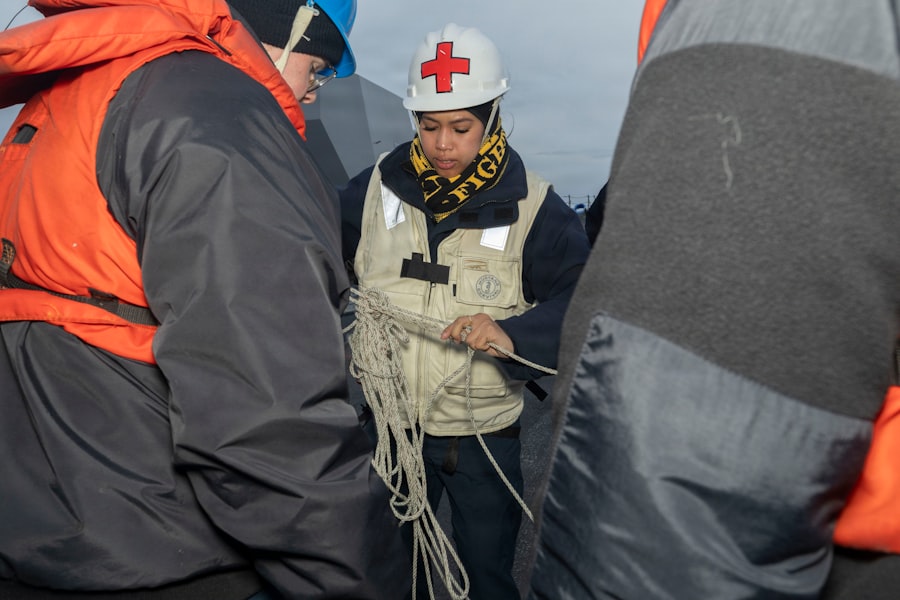
The initial phase of any recovery operation is the identification and apprehension of the rogue biological asset. This is a process that demands patience, precision, and the utilization of cutting-edge technology.
The Ghost in the Machine: Detecting the Unseen
Locating an escaped organism, especially one designed for stealth or camouflage, is a significant challenge. Recovery teams employ a sophisticated array of detection methods.
Bio-Signature Analysis and Remote Sensing
Advanced bio-signature analysis tools are crucial. These can range from airborne sensors that detect specific metabolic byproducts or genetic material to ground-based devices that identify unique protein markers. Remote sensing technologies, including hyperspectral imaging and thermal anomaly detection, can also reveal the presence of organisms that blend seamlessly with their surroundings.
Environmental Sampling and Forensics
When direct detection proves difficult, teams rely on meticulous environmental sampling. Soil, water, and air samples are collected and analyzed for the presence of the rogue agent’s unique genetic markers or characteristic toxins. This forensic approach can help reconstruct the asset’s path and predict its likely movements.
Predictive Modeling and Behavioral Profiling
Understanding the likely behavior of a rogue biological asset is key to anticipating its actions and forming an effective containment strategy.
Leveraging Scientific Understanding
The scientific specialists on the team analyze the known characteristics of the escaped organism, including its preferred habitat, reproductive cycle, and potential triggers for aggression or evasion. This data is used to build predictive models of its movement and behavior.
Real-Time Data Integration
As tracking progresses, real-time data from surveillance assets and environmental sensors is integrated into the predictive models. This allows for dynamic adjustments to the pursuit strategy, ensuring the team remains one step ahead of the rogue asset.
Containment and Neutralization: The Critical Phase
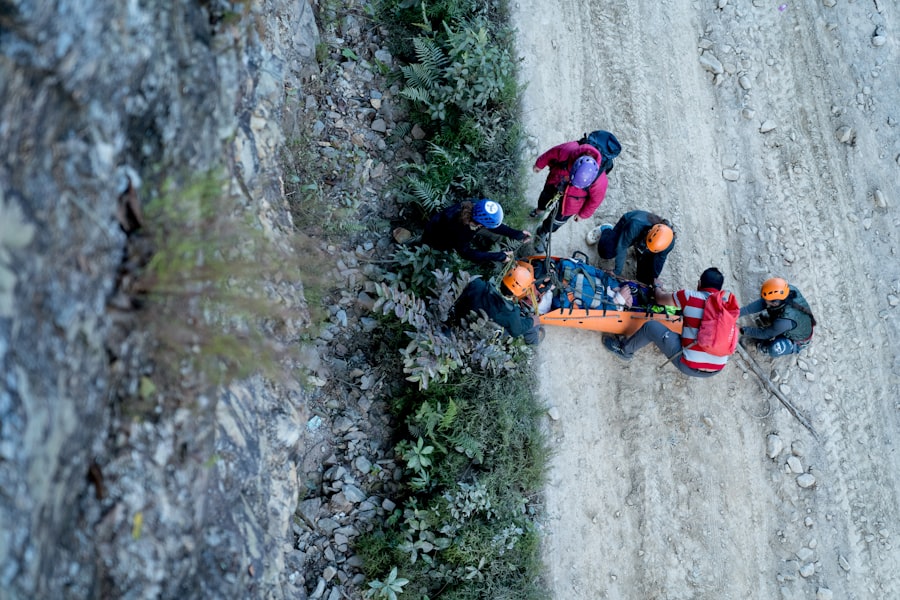
Once a rogue biological asset is located, the priority shifts to containment and, if necessary, neutralization. This is a high-stakes operation where every decision carries significant weight.
The Fortress Mentality: Establishing Containment Zones
The initial response to locating a rogue asset involves establishing a secure containment zone to prevent further spread.
Rapid Deployment of Barriers and Sealants
Equipped with specialized materials, containment engineers can rapidly deploy physical barriers, high-strength sealants, and even force fields in certain scenarios to isolate the area. The goal is to create an impenetrable perimeter that the asset cannot breach.
Sterile Entry and Exit Protocols
Strict sterile entry and exit protocols are enforced for all personnel entering or leaving the containment zone. This involves multi-stage decontamination procedures to prevent the accidental transport of the hazardous agent.
The Delicate Task of Neutralization
Neutralization is rarely a straightforward task. The method employed depends entirely on the nature of the biological asset.
Targeted Bio-Agents and Chemical Agents
For less resilient organisms, specific biochemical agents or targeted chemical treatments might be deployed. This can involve introducing compounds that disrupt essential cellular processes or trigger a self-destruct mechanism within the organism. The precision required for these interventions is immense, as collateral damage must be avoided.
Physically Subduing Aggressive Organisms
In cases of highly aggressive or mobile biological assets, physical subdual may be necessary. This is a dangerous undertaking, requiring specialized non-lethal incapacitation technologies and highly skilled operatives trained to handle biohazards during physical engagement. The objective is to immobilize the asset without causing an aerosolization event or further contamination.
In-Situ Sterilization Methods
When feasible, in-situ sterilization methods are employed. This could involve the controlled application of heat, radiation, or specific chemical agents that can neutralize the biological threat within its immediate environment without requiring its physical removal, thus minimizing exposure risks.
In recent developments, Area 52 recovery teams have intensified their efforts in hunting rogue biological assets that pose significant risks to national security. These teams are equipped with advanced technology and specialized training to track and neutralize threats that may arise from unauthorized experiments or escaped specimens. For a deeper understanding of the implications of these operations, you can read more about the challenges faced by these teams in this insightful article on biological containment and recovery strategies. To explore further, visit this link.
Post-Operation Analysis and Prevention
| Team Name | Number of Assets Recovered | Number of Assets Still at Large | Success Rate |
|---|---|---|---|
| Alpha Team | 15 | 3 | 83% |
| Beta Team | 12 | 5 | 71% |
| Gamma Team | 18 | 1 | 95% |
The work of an Area 52 Recovery Team does not end with the successful containment or neutralization of a rogue asset. The subsequent phases of analysis and prevention are equally vital.
Understanding the “How” and “Why”: Post-Incidence Analysis
Every incident involving a rogue biological asset is a learning opportunity, albeit an expensive and dangerous one. Rigorous post-operation analysis is conducted to understand the root cause of the breach and identify system vulnerabilities.
Incident Review and Debriefing
Comprehensive reviews are held immediately following a recovery operation. This involves detailed debriefings of all team members, cross-referenced with operational logs and sensor data. The objective is to meticulously reconstruct the sequence of events leading to the incident.
Scientific Autopsy and Data Extraction
If an asset is recovered alive, it is transported to a secure facility for intensive study. Even if neutralized, samples are collected for what is often termed a “scientific autopsy.” This process aims to extract as much data as possible about the organism’s genetic makeup, reproductive capabilities, and any unforeseen adaptations that led to its runaway status. This information is crucial for developing countermeasures and improving containment technologies.
Fortifying the Future: Implementing Preventative Measures
The insights gained from post-operation analysis are directly used to enhance security protocols and research practices within Area 52 and related facilities.
Protocol Refinement and Risk Mitigation
Based on the findings of incident reviews, containment protocols, surveillance methodologies, and emergency response procedures are continually refined. Risk mitigation strategies are updated to address identified weaknesses, ensuring that similar incidents are less likely to occur in the future.
Redundant Safeguards and Contingency Planning
The implementation of redundant safeguards is a constant endeavor. This means having multiple layers of security and containment in place, so that the failure of one system does not automatically lead to a catastrophic breach. Furthermore, extensive contingency planning is undertaken for a wide spectrum of potential future threats, ensuring that recovery teams are as prepared as possible for scenarios they may not have yet encountered. The ongoing effort is to learn from every near-miss and every incident, transforming those hard-won lessons into a more robust defense against the unpredictable nature of biological science.
FAQs
What is Area 52?
Area 52 is a top-secret government facility located in a remote area, dedicated to the research and development of advanced technologies and biological assets.
What are rogue biological assets?
Rogue biological assets are genetically modified organisms or other biological materials that have escaped or been released from containment, posing a potential threat to the environment and public safety.
What are recovery teams tasked with?
Recovery teams are specialized units responsible for locating, containing, and neutralizing rogue biological assets to prevent any potential harm or damage they may cause.
How are recovery teams equipped to handle rogue biological assets?
Recovery teams are equipped with advanced technology, specialized training, and protective gear to safely and effectively handle and neutralize rogue biological assets.
What measures are in place to prevent future incidents with rogue biological assets?
Area 52 has implemented strict containment protocols, regular security assessments, and ongoing research to prevent future incidents involving rogue biological assets.