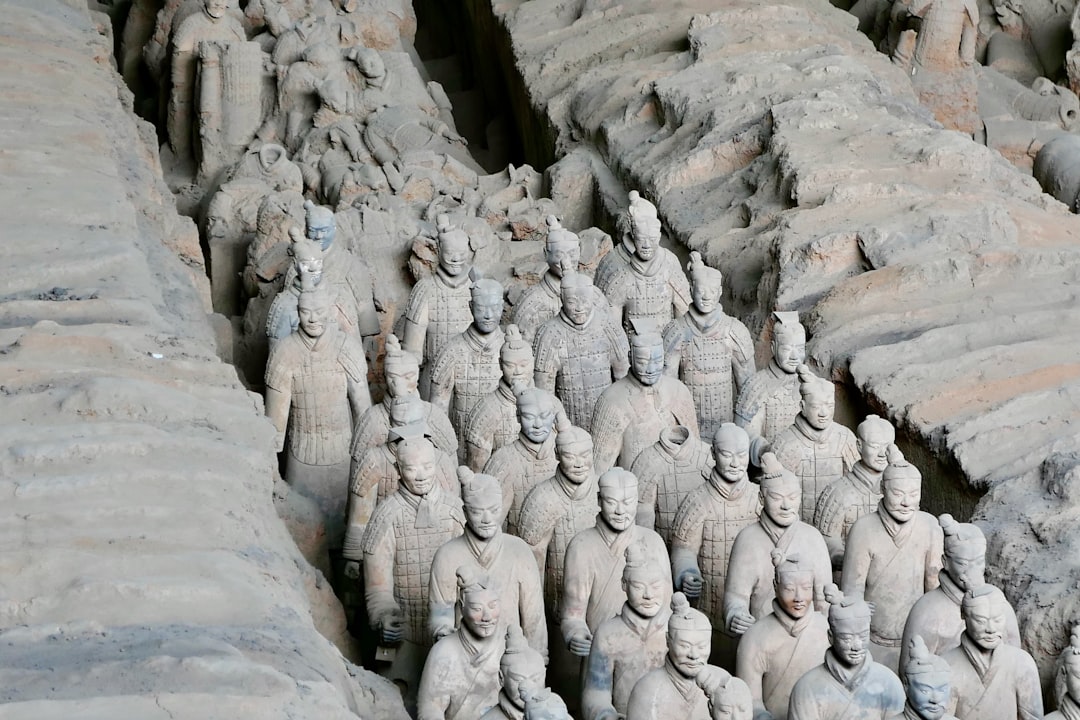
Throughout history, human ingenuity has manifested in various forms, particularly through the development of advanced technologies in ancient civilizations. These societies demonstrated remarkable capabilities that established foundations for contemporary advancements. From intricate engineering achievements to sophisticated agricultural practices, ancient civilizations applied their understanding of the natural world to create practical solutions for their needs and challenges.
These innovations continue to influence modern technology and culture, representing significant human achievements across time. Examining advanced technology in ancient civilizations provides insight into how these societies functioned. The engineering expertise of the Inca, Roman water management systems, and Mayan astronomical knowledge all demonstrate the complexity and sophistication of these cultures.
Each civilization made unique contributions to humanity’s collective knowledge, combining creativity, practicality, and environmental adaptation. This exploration of ancient technological advancements reveals how these innovations shaped the world and maintain relevance today.
Key Takeaways
- Ancient civilizations developed highly advanced technologies across various fields, from engineering to medicine.
- The Inca excelled in engineering with their precise stone construction and earthquake-resistant architecture.
- Romans created sophisticated water management systems, including aqueducts and sewage networks.
- The Antikythera Mechanism from Greece is an early example of complex mechanical technology used for astronomical calculations.
- Mayans demonstrated remarkable astronomical knowledge, accurately tracking celestial events and calendars.
The Inca’s Advanced Engineering and Construction Techniques
The Inca civilization, flourishing in the Andean region of South America from the early 15th century until the Spanish conquest in the 16th century, is renowned for its remarkable engineering and construction techniques. The Incas mastered the art of stone masonry, creating structures that have withstood the test of time. Their ability to shape massive stones with precision allowed them to construct impressive edifices such as Machu Picchu and Sacsayhuamán.
These structures were not only aesthetically pleasing but also functionally sound, demonstrating an understanding of seismic activity that is still admired by modern engineers. In addition to their architectural achievements, the Incas developed an extensive network of roads and bridges that facilitated communication and trade across their vast empire. The Inca road system spanned over 25,000 miles, connecting diverse regions and enabling efficient movement of goods and people.
Their use of suspension bridges made from natural fibers showcased their innovative spirit and adaptability to the challenging Andean terrain. This intricate infrastructure not only served practical purposes but also reinforced the unity of the Inca Empire, allowing for a cohesive society that thrived on collaboration and resource sharing.
The Sophisticated Water Management Systems of the Romans
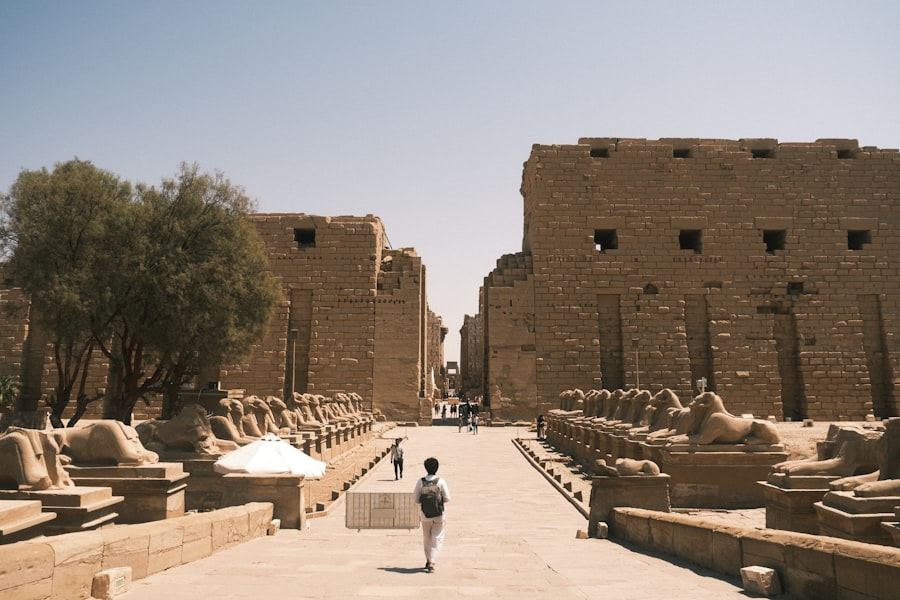
The Romans are often celebrated for their monumental architecture and military prowess, but their sophisticated water management systems are equally deserving of recognition. The aqueducts constructed by the Romans stand as a testament to their engineering ingenuity, transporting water from distant sources into cities and towns with remarkable efficiency. These structures utilized gravity to maintain a steady flow of water, demonstrating an advanced understanding of hydraulics that was unparalleled in the ancient world.
Moreover, the Romans implemented complex drainage systems that helped manage stormwater and prevent flooding in urban areas. The Cloaca Maxima, one of the world’s earliest sewage systems, exemplified their commitment to public health and sanitation. By channeling waste away from populated areas, the Romans significantly improved living conditions and reduced the spread of disease.
This emphasis on water management not only enhanced daily life but also laid the foundation for modern urban planning and public health initiatives.
The Mysterious Antikythera Mechanism of Ancient Greece
Among the many technological marvels of ancient Greece, the Antikythera Mechanism stands out as a symbol of advanced scientific understanding. Discovered in a shipwreck off the coast of Antikythera in 1901, this intricate device is believed to date back to around 150-100 BCE. Often referred to as the world’s first analog computer, it was designed to predict astronomical positions and eclipses for calendrical and astrological purposes.
The complexity of its gears and mechanisms reveals a level of craftsmanship and knowledge that was not fully appreciated until centuries later. The Antikythera Mechanism’s design reflects a deep understanding of celestial movements and mathematical principles. Researchers have uncovered that it could calculate lunar phases, solar cycles, and even track the Olympic Games’ schedule.
This device exemplifies how ancient Greeks combined observation with mechanical ingenuity to create tools that enhanced their understanding of the universe. The legacy of the Antikythera Mechanism continues to inspire modern scientists and engineers, highlighting the enduring impact of ancient technological advancements on contemporary thought.
The Advanced Metallurgy of the Ancient Egyptians
| Ancient Civilization | Advanced Technology | Purpose/Use | Approximate Era | Notable Example |
|---|---|---|---|---|
| Ancient Egypt | Pyramidal Construction Techniques | Monumental tombs and religious structures | c. 2600 BCE | Great Pyramid of Giza |
| Mesopotamia | Wheel and Plow | Transportation and agriculture | c. 3500 BCE | Early wheeled carts and farming tools |
| Indus Valley | Urban Planning and Drainage Systems | City sanitation and organization | c. 2500 BCE | Harappa and Mohenjo-Daro cities |
| Ancient China | Iron Casting and Papermaking | Tool production and record keeping | c. 1000 BCE (Iron), c. 100 CE (Paper) | Zhou Dynasty iron tools, Han Dynasty paper |
| Ancient Greece | Mechanical Devices and Geometry | Engineering, astronomy, and mathematics | c. 500 BCE | Antikythera Mechanism |
| Roman Empire | Concrete and Aqueducts | Construction and water supply | c. 100 BCE – 400 CE | Roman aqueduct system |
| Maya Civilization | Advanced Astronomy and Calendar Systems | Timekeeping and ritual planning | c. 250 – 900 CE | Maya Long Count calendar |
The ancient Egyptians are often celebrated for their monumental architecture and artistic achievements, but their advancements in metallurgy played a crucial role in their civilization’s success. From as early as 4000 BCE, Egyptians demonstrated remarkable skill in working with metals such as copper, gold, and bronze. Their ability to extract and manipulate these materials allowed them to create tools, weapons, and intricate jewelry that showcased both functionality and artistry.
Egyptian metallurgy was not merely about crafting objects; it was deeply intertwined with their cultural and religious practices. Gold, in particular, held significant symbolic value, often associated with divinity and immortality. The meticulous craftsmanship seen in burial artifacts, such as those found in Tutankhamun’s tomb, reflects a sophisticated understanding of metalworking techniques that included casting, alloying, and engraving.
This expertise not only contributed to their economic prosperity but also left a lasting legacy that influenced subsequent civilizations in metallurgy and craftsmanship.
The Astounding Astronomical Knowledge of the Mayans
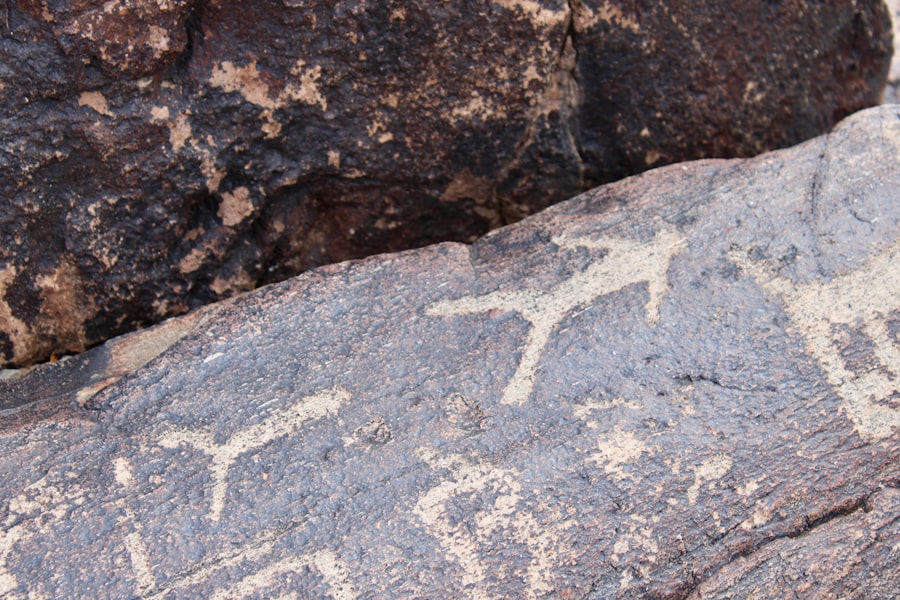
The Mayan civilization, which thrived in Mesoamerica from around 2000 BCE until the arrival of Europeans in the 16th century, is renowned for its profound astronomical knowledge. The Mayans meticulously observed celestial bodies and developed an intricate calendar system based on their observations. Their understanding of astronomy was not merely academic; it played a vital role in agricultural practices, religious ceremonies, and societal organization.
The Mayans constructed observatories such as El Caracol at Chichen Itza, where they could track celestial events with remarkable precision. They identified patterns in planetary movements and created complex calendars that included a 365-day solar calendar alongside a 260-day ritual calendar. This sophisticated understanding allowed them to predict solar eclipses and other astronomical phenomena accurately.
The Mayans’ contributions to astronomy reflect a deep connection between their culture and the cosmos, showcasing how ancient civilizations sought to understand their place in the universe.
The Ingenious Urban Planning of the Indus Valley Civilization
The Indus Valley Civilization, which flourished around 2500 BCE in present-day Pakistan and northwest India, is often lauded for its advanced urban planning and architectural design. Cities such as Harappa and Mohenjo-Daro were meticulously laid out with grid patterns that facilitated efficient movement and organization. Streets were constructed with baked bricks, demonstrating an understanding of durable materials that would withstand time.
One of the most remarkable features of Indus Valley cities was their sophisticated drainage systems. Homes were equipped with private bathrooms connected to a centralized drainage network that channeled waste away from living areas. This emphasis on sanitation reflects a high level of public health awareness uncommon in many contemporary civilizations.
The urban planning strategies employed by the Indus Valley Civilization not only optimized space but also fostered a sense of community among its inhabitants.
The Advanced Agricultural Techniques of the Sumerians
The Sumerians, who inhabited southern Mesopotamia around 4500 BCE, are often credited with pioneering agricultural techniques that laid the foundation for future civilizations. Their innovative use of irrigation systems transformed arid land into fertile fields capable of sustaining large populations. By diverting water from rivers such as the Tigris and Euphrates through canals, they maximized agricultural output and ensured food security.
In addition to irrigation, Sumerians practiced crop rotation and developed early forms of plowing that increased efficiency in farming. They cultivated various crops such as barley, wheat, and legumes while also domesticating animals for labor and food production. This agricultural prowess enabled them to establish one of history’s first urban centers, leading to advancements in trade, governance, and culture.
The Sumerians’ contributions to agriculture not only supported their civilization but also influenced agricultural practices across subsequent societies.
The Sophisticated Navigation Skills of the Polynesians
The Polynesians are renowned for their exceptional navigation skills that allowed them to traverse vast oceanic distances across the Pacific Ocean long before modern navigational tools were developed. Utilizing a combination of celestial navigation, ocean currents, wind patterns, and environmental cues such as bird behavior and wave formations, Polynesian navigators embarked on voyages that connected distant islands over thousands of miles. Their double-hulled canoes were marvels of engineering, designed for stability and speed on open waters.
These vessels enabled them to explore remote islands like Hawaii, Easter Island, and New Zealand with remarkable precision. The oral traditions passed down through generations preserved navigational knowledge that was critical for survival in an expansive oceanic environment. The Polynesians’ mastery of navigation exemplifies human adaptability and ingenuity in overcoming geographical challenges.
The Remarkable Medical Practices of Ancient China
Ancient China boasts a rich history of medical practices that have significantly influenced both Eastern and Western medicine. Traditional Chinese medicine (TCM) encompasses various approaches such as herbal remedies, acupuncture, and dietary therapy rooted in holistic principles aimed at restoring balance within the body.
Acupuncture emerged as one of TCM’s most recognized practices, involving the insertion of fine needles into specific points on the body to alleviate pain or treat various ailments. This technique reflects an intricate understanding of human anatomy and energy flow within the body known as Qi (or Chi). Additionally, herbal medicine utilized local plants for therapeutic purposes based on empirical observations over centuries.
Ancient Chinese medical practices demonstrate a profound commitment to health care that continues to resonate globally today.
The Legacy of Advanced Technology in Ancient Civilizations
The advanced technologies developed by ancient civilizations reveal a remarkable narrative of human ingenuity that transcends time and geography.
These innovations not only addressed immediate needs but also fostered cultural identities that shaped societies for generations.
As modern society continues to evolve technologically, it is essential to recognize and appreciate these ancient achievements that laid foundational principles still relevant today. The legacy left by these civilizations serves as a reminder that innovation is not solely a product of contemporary thought; rather, it is built upon centuries of exploration, experimentation, and adaptation by those who came before us. Understanding this legacy enriches our perspective on human progress while inspiring future generations to continue pushing boundaries in pursuit of knowledge and advancement.
Recent discoveries have shed light on the advanced technologies that ancient civilizations may have possessed, challenging our understanding of their capabilities. For a deeper exploration of this topic, you can read the article on ancient technologies and their implications at XFile Findings. This article delves into various archaeological findings that suggest a level of sophistication in engineering and science that was previously underestimated.
FAQs
What is meant by “advanced technology” in ancient civilizations?
Advanced technology in ancient civilizations refers to the sophisticated tools, techniques, and knowledge that these societies developed to solve practical problems, build structures, create art, and improve daily life. Examples include metallurgy, irrigation systems, architectural innovations, and early machinery.
Which ancient civilizations are known for their advanced technology?
Some of the most notable ancient civilizations known for advanced technology include the Egyptians, Mesopotamians, Indus Valley civilization, Mayans, Greeks, and Romans. Each made significant contributions in areas such as engineering, mathematics, astronomy, and medicine.
What are some examples of advanced technology used by ancient Egyptians?
The ancient Egyptians developed advanced technologies such as the construction of pyramids using precise engineering techniques, sophisticated irrigation systems for agriculture, early forms of medicine, and the use of papyrus for writing.
Did ancient civilizations have knowledge of astronomy?
Yes, many ancient civilizations had extensive knowledge of astronomy. For example, the Mayans created detailed calendars based on celestial observations, the Babylonians recorded planetary movements, and the Greeks developed early models of the solar system.
How did ancient civilizations build large structures without modern machinery?
Ancient civilizations used a combination of human labor, simple machines like levers and pulleys, precise planning, and innovative engineering techniques. They often employed large workforces and developed tools made from stone, bronze, or iron to aid construction.
Is there evidence that ancient civilizations had technologies lost over time?
There is evidence that some ancient technologies were highly advanced and later lost or forgotten due to societal collapse or changes in knowledge transmission. Examples include Roman concrete, Greek fire, and certain metallurgical techniques.
How do modern scientists study ancient technologies?
Modern scientists use archaeology, experimental reconstruction, analysis of artifacts, and historical texts to understand ancient technologies. Techniques like radiocarbon dating, 3D modeling, and material analysis help reveal how ancient tools and structures were made.
Were ancient civilizations connected in sharing technological knowledge?
Yes, there is evidence of trade routes and cultural exchanges that facilitated the sharing of technological knowledge between ancient civilizations. For example, the Silk Road connected East and West, allowing the spread of inventions like paper and gunpowder.
Can ancient technologies inspire modern innovations?
Absolutely. Many modern technologies have roots in ancient inventions. For instance, ancient water management systems inspire sustainable irrigation today, and architectural principles from antiquity influence modern building design.
Are there myths about ancient advanced technologies that are not supported by evidence?
Yes, some popular myths suggest ancient civilizations had technologies far beyond their time, such as alien assistance or lost futuristic machines. However, these claims lack credible archaeological or historical evidence and are not supported by mainstream science.