
The realm of aerospace engineering is continually shaped by a persistent quest for superiority, and few enclaves of innovation are as opaque or as critical as stealth technology. This technology, designed to render aerial vehicles virtually invisible to detection by adversaries’ sensors, has transitioned from the realm of speculative fiction to a tangible and increasingly sophisticated facet of modern military aviation. The market for stealth technology is a testament to its growing importance, projected to expand from USD 40.38 billion in 2026 to an estimated USD 58.19 billion by 2030, reflecting a compound annual growth rate of 9.6%. This growth is not merely a speculative bubble; it is fueled by convergent advancements in computational fluid dynamics (CFD), active flow control, low probability of intercept (LPI) communications, and the intricate tapestry of sensor fusion. As you delve into these developments, you will discover a landscape where invisibility is not an inherent property, but a meticulously engineered outcome, the result of a symbiotic relationship between physics, materials science, and relentless computational power.
The essence of stealth technology lies in the fundamental principles of electromagnetic wave propagation and detection. Adversaries deploy a range of sensors, primarily radar, infrared (IR), and acoustic systems, to identify and track airborne assets. Stealth aircraft are engineered to minimize their ‘signature’ across these detection spectrums, effectively becoming phantoms in the sky. This is not simply about a stealthy paint job; it is an all-encompassing design philosophy that permeates every aspect of an aircraft’s physical form and operational conduct.
Radar Cross-Section (RCS) Reduction
Radar systems operate by emitting radio waves and analyzing the echoes that return when these waves strike an object. A larger object, or one with flat surfaces perpendicular to the radar’s line of sight, will reflect more of these waves back, presenting a larger, more discernible target. Reducing an aircraft’s RCS is therefore paramount.
Shaping and Faceting
Historically, early stealth designs, such as the F-117 Nighthawk, relied heavily on geometric shaping, often employing a faceted design. These flat surfaces were angled to deflect radar waves away from the source, much like an imperfect mirror scatters light in multiple directions rather than reflecting it directly back. This approach, while effective to a degree, created complex aerodynamic challenges and was computationally intensive to design. Modern stealth aircraft, like the B-21 Raider, have evolved this concept. Instead of sharp angles, they utilize smooth, blended wing-body designs and carefully sculpted surfaces. These contours are not arbitrary; they are the product of extensive computational fluid dynamics (CFD) simulations, which allow engineers to predict and optimize how radar waves will interact with the aircraft’s exterior.
Internal Loadouts and Optimized Intakes
Another significant contributor to RCS is the presence of external stores, such as missiles and bombs, which act as highly effective radar reflectors. Stealth aircraft are designed with internal weapon bays, allowing ordnance to be carried concealed within the aircraft’s fuselage. This not only reduces RCS but also streamlines the aircraft’s aerodynamics. Furthermore, the intakes that supply air to jet engines are a notorious source of radar reflection, as the engine fan blades can readily bounce radar waves back. Advanced stealth designs incorporate S-shaped intakes or baffling systems that obscure the direct line of sight to the engine, minimizing these reflections. The B-21 Raider, for instance, features highly optimized intakes designed to minimize their radar signature.
Advanced Materials for Radar Absorption
Beyond shaping, sophisticated materials play a critical role in absorbing and dissipating radar energy. Radar-absorbent materials (RAM) are applied to the aircraft’s skin or integrated into its composite structure. These materials are often composed of ferrite or carbon-based compounds that convert radar energy into heat, effectively nullifying the returning signal. Research continues into novel materials, including nanotechnology-based coatings that can actively scatter or absorb specific radar frequencies, offering a dynamic defense against evolving radar technologies.
Infrared (IR) Signature Management
Infrared sensors detect the heat emitted by an aircraft, primarily from its engines and airframe friction. Reducing an aircraft’s IR signature involves dissipating excess heat and preventing it from radiating outward in a detectable manner.
Engine Exhaust Management
The primary source of an aircraft’s IR signature is its engine exhaust. Stealth designs employ various strategies to mitigate this. Some aircraft utilize flattened or shielded exhaust nozzles to spread the hot exhaust gases over a larger area, allowing them to mix with cooler ambient air more rapidly and reducing the detectable thermal plume. Others may incorporate heat-absorbing materials in the exhaust path or actively cool the exhaust gases before they are expelled. The design of the B-2 Spirit bomber, a veteran of stealth operations, incorporates flattened exhaust vents that spread the hot air, contributing to its low IR signature.
Airframe Heat Dissipation
Friction generated by air moving over the aircraft’s surfaces at high speeds can also create a detectable IR signature. Stealth aircraft are designed with materials that have low thermal emissivity, meaning they radiate less heat. Additionally, some systems may actively manage the heat generated by avionics and other internal components, directing it internally or dissipating it in ways that are less detectable.
Acoustic Signature Reduction
While less emphasized than radar and IR, acoustic signature management is also a consideration, particularly for low-altitude operations or unmanned systems that may operate closer to the ground. This involves engine noise suppression through advanced muffler designs or by reducing engine power during certain operational phases. For unmanned aerial vehicles (UAVs), such as Saab’s supersonic stealth drone, the blended wing-body design itself can contribute to reduced noise by optimizing airflow.
Stealth aerospace technology has become a pivotal area of research and development, particularly in enhancing the capabilities of military aircraft and unmanned aerial vehicles. For those interested in exploring this topic further, a related article can be found at XFile Findings, which delves into the latest advancements and applications of stealth technology in modern aviation. This resource provides valuable insights into how these innovations are shaping the future of aerial combat and surveillance.
The Evolution of Stealth Platforms: From Concept to Reality
The journey of stealth technology has been marked by distinct generations of aircraft, each pushing the boundaries of what was previously thought possible. These platforms are not static relics but are continually being refined and superseded by more advanced designs.
The Pioneer: F-117 Nighthawk and its Legacy
The F-117 Nighthawk, operational from the early 1980s, was the world’s first operational stealth aircraft. Its distinctive faceted appearance, a direct result of early computational limitations and the drive for RCS reduction, made it an icon of the stealth revolution. While its aerodynamic inefficiencies and maintenance requirements were significant, its operational success proved the viability of stealth as a warfighting doctrine. The lessons learned from the F-117 directly informed the development of subsequent stealth platforms.
Stealth aerospace technology has revolutionized military aviation, allowing aircraft to evade radar detection and enhance operational effectiveness. For those interested in exploring this topic further, a related article can provide deeper insights into the advancements and implications of these technologies. You can read more about it in this informative piece on stealth innovations at XFile Findings, which discusses the latest developments and future trends in the field.
The B-2 Spirit: The Flying Wing’s Comeback
The B-2 Spirit bomber, a successor in concept if not entirely in lineage, represents a significant leap in stealth design. Its characteristic flying wing configuration, coupled with a smooth, blended exterior, optimized intakes, and advanced RAM, grants it unparalleled stealth capabilities. The B-2 remains a formidable platform and, as of 2026, is still considered the premier stealth bomber in the U.S. Air Force’s inventory. Its ability to penetrate heavily defended airspace undetected allows for strategic bombing missions with a significantly reduced risk of interception.
The Next Generation: B-21 Raider and Beyond
The U.S. Air Force’s B-21 Raider bomber is the embodiment of sixth-generation stealth aircraft. It builds upon the foundational principles of its predecessors but incorporates a host of new technologies. Its smooth exterior, optimized intakes, and shaped windows are all meticulously engineered for maximum stealth. Furthermore, the B-21 is designed with unmanned operational modes in mind and optimized for employing standoff weapons, further enhancing its survivability and effectiveness in contested environments.
Fighter Aircraft Advancements: NGAD and F/A-XX
The development of next-generation fighter aircraft, such as the U.S. Air Force’s Next Generation Air Dominance (NGAD) program and the U.S. Navy’s F/A-XX program, places a paramount emphasis on stealth. These programs are not solely focused on radar evasion; they envision aircraft that are highly survivable in a multi-domain battlespace. Stealth is a crucial component, but it is integrated with advanced avionics, sophisticated sensor fusion capabilities, and the ability to operate in networked, collaborative environments. Lockheed Martin’s plans to supply 300 F-35s to Asia-Pacific allies by 2035, with advanced data fusion capabilities, underscore the ongoing importance of stealth and networked operations in shaping regional security dynamics.
Supersonic Stealth Drones: The Rise of Unmanned Systems
The expansion of unmanned systems is a defining characteristic of modern aerospace. Stealth UAVs, designed for both surveillance and combat, are becoming increasingly prevalent. Saab’s recent development of a supersonic stealth drone exemplifies this trend. This blended wing-body unmanned aircraft is optimized for supersonic speeds and radar evasion, and its integration with artificial intelligence promises enhanced autonomy and adaptability. The concept of manned-unmanned teaming, where manned aircraft coordinate with autonomous stealth drones, is a key development for future air combat scenarios.
Enabling Technologies: The Invisible Threads of Stealth
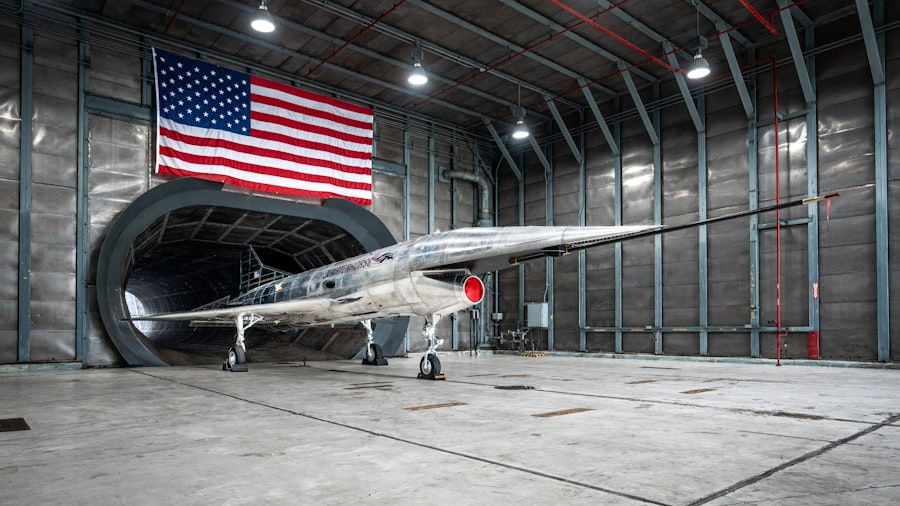
The sophisticated platforms described above are not realized through mere design alone. A complex web of enabling technologies underpins their stealth capabilities, constantly evolving and becoming more potent.
Active Flow Control: Manipulating the Air’s Behavior
A significant recent advancement involves active flow control. As demonstrated by the Boeing-DARPA collaboration on the X-65 experimental platform in January 2024, pressurized air can be used to manipulate airflow over the aircraft’s surfaces. This technology holds the promise of enhancing stealth by actively managing the aerodynamic signature, improving performance, and offering greater modularity in future aircraft designs. By precisely controlling the air swirling around the airframe, engineers can minimize turbulent wake regions that can betray an aircraft’s presence to radar and other sensors.
Artificial Intelligence and Machine Learning: The Adaptive Phantom
Perhaps one of the most transformative advancements is the integration of artificial intelligence (AI) and machine learning (ML) into stealth systems. These technologies enable aircraft, ships, and even ground vehicles to adapt their signatures in real-time. ML algorithms can analyze sensor data from the surrounding environment and, in turn, command adjustments to the vehicle’s radar, infrared, and acoustic emissions. This dynamic adaptation makes the platform significantly harder to track as it can actively counter evolving enemy detection methods. Imagine a stealth aircraft that can “learn” the specific radar frequencies being used by an adversary and then adjust its surface characteristics or electronic countermeasures to become effectively invisible to that particular threat.
Advanced Materials: The Fabric of Invisibility
The materials science realm is a fertile ground for stealth innovation. Nanotechnology is being employed to create radar-scattering surfaces at the molecular level, effectively diffusing incoming radar waves. Metamaterials, engineered to possess properties not found in nature, are being developed to absorb specific electromagnetic frequencies with unprecedented efficiency. Low-emissivity coatings are crucial for minimizing IR signatures, and research into plasma stealth technology, which aims to create a sheath of ionized gas around an aircraft to deflect radar, continues. Furthermore, advancements in materials are also crucial for suppressing IR and acoustic signatures, as seen in the development of quieter submarines like China’s Type-039C Yuan-class.
Low Probability of Intercept (LPI) Communications
Effective communication in a stealth environment is a paradox. Traditional radio transmissions are highly detectable. LPI communications technologies are designed to transmit data in such a way that minimizes the chance of them being intercepted or identified by enemy electronic surveillance. This involves using spread spectrum techniques, directional antennas, and short, encrypted bursts of data, making it akin to whispering a secret in a crowded room without anyone noticing.
Sensor Fusion: Weaving a Coherent Picture
In the complex electronic warfare landscape, information is power. Sensor fusion is the process of combining data from multiple sensors – radar, electro-optical, infrared, electronic intelligence receivers, and more – to create a more accurate and comprehensive understanding of the operational environment. For stealth aircraft, sensor fusion is vital for both its own survivability and for effective engagement. It allows the aircraft to maintain situational awareness without revealing its own position through active emissions, essentially enabling it to “see” without being seen.
Future Trajectories: The Ever-Evolving Art of Deception

The pursuit of stealth is a continuous arms race, with innovation driving innovation in response to evolving threat capabilities. The future of stealth aerospace technology promises even more sophisticated and adaptable systems.
Active Camouflage and Adaptive Systems
The concept of active camouflage, where an aircraft’s exterior can change its color and pattern to blend with its surroundings, is moving from science fiction to engineering reality. Coupled with adaptive systems that can dynamically alter an aircraft’s aerodynamic properties and electromagnetic emissions, future stealth platforms will possess an unprecedented ability to confound detection.
Hypersonic Countermeasures
As the world moves towards hypersonic flight, new challenges and opportunities for stealth emerge. Hypersonic vehicles travel at extreme speeds, generating significant heat and plasma envelopes that can both be exploited and manipulated. Developing countermeasures to detect and potentially engage hypersonic threats, while also ensuring the stealth of one’s own hypersonic assets, will require novel sensor technologies. This includes advancements in micro-electromechanical systems (MEMS) accelerometers for precise motion sensing and PIN detectors for identifying specific electromagnetic signatures.
Electronic Warfare Integration
The line between stealth and electronic warfare (EW) is becoming increasingly blurred. Future stealth aircraft will be deeply integrated with EW suites, capable of not only evading detection but also actively disrupting enemy sensor networks and communications. This proactive approach to electronic engagement will be as crucial to survivability as passive signature reduction.
In conclusion, the advancements in stealth aerospace technology are not merely about creating invisible aircraft; they represent a fundamental shift in military operational doctrine. Driven by a complex interplay of advanced materials, sophisticated computational techniques, and intelligent adaptive systems, stealth technology is ensuring that the battlefield of the future will be one where observation itself is a contested domain. As you have seen, from the meticulous shaping of airframes to the invisible threads of AI and advanced materials, the pursuit of invisibility is a testament to human ingenuity and its relentless application in shaping the strategic landscape.
FAQs
What is stealth aerospace technology?
Stealth aerospace technology refers to a set of techniques and design principles used to make aircraft less detectable by radar, infrared, sonar, and other detection methods. This technology helps military aircraft avoid enemy detection and improve survivability during missions.
How do stealth aircraft reduce radar detection?
Stealth aircraft reduce radar detection primarily through their shape and materials. They use angled surfaces to deflect radar waves away from the source and special radar-absorbent materials (RAM) that absorb radar signals rather than reflecting them back to the radar receiver.
What materials are commonly used in stealth aerospace technology?
Common materials used in stealth aerospace technology include radar-absorbent composites, specialized coatings, and carbon-fiber reinforced polymers. These materials help minimize radar reflections and reduce the aircraft’s infrared signature.
Are stealth technologies only used in military aircraft?
While stealth technology is predominantly used in military aircraft to enhance combat effectiveness, some elements of stealth design have been explored for civilian applications, such as reducing noise or improving aerodynamic efficiency. However, the primary focus remains on military use.
What are some examples of stealth aircraft?
Notable examples of stealth aircraft include the Lockheed F-117 Nighthawk, the B-2 Spirit stealth bomber, the F-22 Raptor, and the F-35 Lightning II. These aircraft incorporate advanced stealth technologies to minimize detection and improve mission success.