
Amateur radio astronomy combines recreational interest with scientific research, enabling individuals to detect and analyze radio signals from celestial objects using accessible equipment. Practitioners can contribute meaningful data to astronomical research while pursuing their interest in space science. Technological developments have expanded participation opportunities, making this field increasingly accessible to non-professional astronomers globally.
The field has undergone substantial transformation from its origins as a primarily professional discipline. Modern amateur radio astronomers employ radio telescopes, software-defined radios, and digital signal processing tools to conduct observations from personal facilities. This technological accessibility has created an active community of citizen scientists who regularly contribute observations and discoveries that supplement professional astronomical research programs.
Key Takeaways
- Amateur radio astronomers play a vital role in detecting and studying cosmic signals using specialized equipment and techniques.
- They collaborate with professional astronomers, contributing valuable data and insights to astronomical research.
- Despite challenges like limited resources and technical difficulties, amateur radio astronomers have successfully detected significant cosmic signals.
- Their work helps inspire public interest and engagement in astronomy and science.
- The field offers growing opportunities for enthusiasts to get involved and contribute to our understanding of the universe.
The Role of Amateur Radio Astronomers in Cosmic Signal Detection
Amateur radio astronomers play a crucial role in the detection of cosmic signals, acting as both observers and data collectors. Their contributions are particularly valuable in areas where professional resources may be limited or where specific phenomena require widespread monitoring. By utilizing their equipment and expertise, amateurs can detect a variety of signals, including those from pulsars, quasars, and even distant galaxies.
This grassroots approach to astronomy not only enhances the overall body of knowledge but also fosters a sense of community among enthusiasts who share a common goal. Moreover, amateur radio astronomers often operate independently or in small groups, allowing them to explore niche areas of interest that may not be prioritized by larger institutions. This independence can lead to unique findings and insights that might otherwise go unnoticed.
For instance, by monitoring specific frequencies or celestial events, amateurs can contribute valuable data that helps refine existing theories or even challenge established paradigms in astrophysics. Their work exemplifies how passion and curiosity can drive scientific discovery, regardless of formal training or institutional affiliation.
Equipment and Techniques Used by Amateur Radio Astronomers
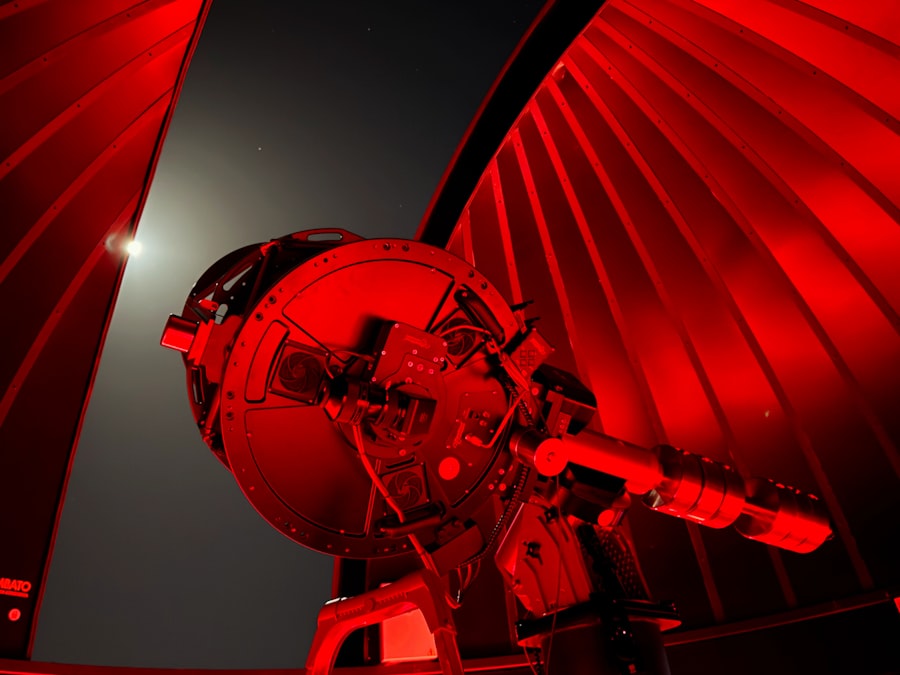
The equipment utilized by amateur radio astronomers varies widely, ranging from simple setups to more sophisticated systems. At the core of their operations are radio telescopes, which can be constructed from readily available materials or purchased as commercial products. These telescopes are designed to capture radio waves emitted by celestial objects, converting them into data that can be analyzed for patterns and anomalies.
Many amateurs also employ software-defined radios (SDRs), which offer flexibility and precision in signal processing, allowing for detailed examination of cosmic signals. In addition to hardware, amateur radio astronomers often rely on various techniques to enhance their observations.
Techniques such as Fourier transforms and spectral analysis enable amateurs to dissect complex data sets, revealing insights about the sources of cosmic emissions.
Examples of Cosmic Signals Detected by Amateur Radio Astronomers
Amateur radio astronomers have made significant contributions to the detection of various cosmic signals over the years. One notable example is the detection of pulsars—rapidly rotating neutron stars that emit beams of radiation. Amateurs have successfully identified pulsar signals by monitoring specific frequencies and employing advanced signal processing techniques.
These discoveries not only validate the capabilities of amateur astronomers but also contribute valuable data to ongoing research in astrophysics. Another area where amateur radio astronomers have excelled is in the observation of solar activity. By monitoring solar flares and coronal mass ejections, amateurs have provided critical insights into the Sun’s behavior and its impact on space weather.
Such observations are essential for understanding how solar activity affects satellite communications and power grids on Earth. The ability of amateurs to detect these phenomena underscores their importance in the broader context of astronomical research and highlights their potential for making meaningful contributions to our understanding of cosmic events.
Collaboration with Professional Astronomers
| Metric | Description | Typical Value | Unit | Notes |
|---|---|---|---|---|
| Frequency Range | Operational frequency band for amateur radio astronomy | 1.4 – 1.7 | GHz | Commonly used for Hydrogen line detection |
| Receiver Sensitivity | Minimum detectable signal strength | ~0.1 | Kelvin (Noise Temperature) | Lower is better for faint signal detection |
| Antenna Diameter | Size of the dish or antenna used | 2 – 3 | meters | Typical for home-built parabolic dishes |
| Integration Time | Duration of signal averaging to improve SNR | 10 – 60 | minutes | Longer times improve detection of weak signals |
| Signal-to-Noise Ratio (SNR) | Ratio of signal power to noise power | 5 – 20 | dB | Higher values indicate clearer detection |
| Bandwidth | Frequency bandwidth of the receiver | 1 – 10 | kHz | Narrow bandwidths reduce noise |
| Typical Cost | Estimated cost for amateur setup | 500 – 3000 | USD | Depends on equipment quality and size |
The relationship between amateur radio astronomers and professional astronomers has evolved into a collaborative partnership that benefits both parties. Professionals often recognize the value of amateur contributions, particularly in areas where additional data collection is needed. This collaboration can take many forms, from joint research projects to data sharing initiatives that allow amateurs to contribute their findings to larger studies.
Professional astronomers frequently provide guidance and mentorship to amateur enthusiasts, helping them refine their techniques and improve their observational skills. In return, amateurs offer fresh perspectives and innovative approaches that can lead to new discoveries. This symbiotic relationship enriches the field of astronomy as a whole, fostering an environment where knowledge is shared freely and discoveries are celebrated collectively.
Challenges Faced by Amateur Radio Astronomers
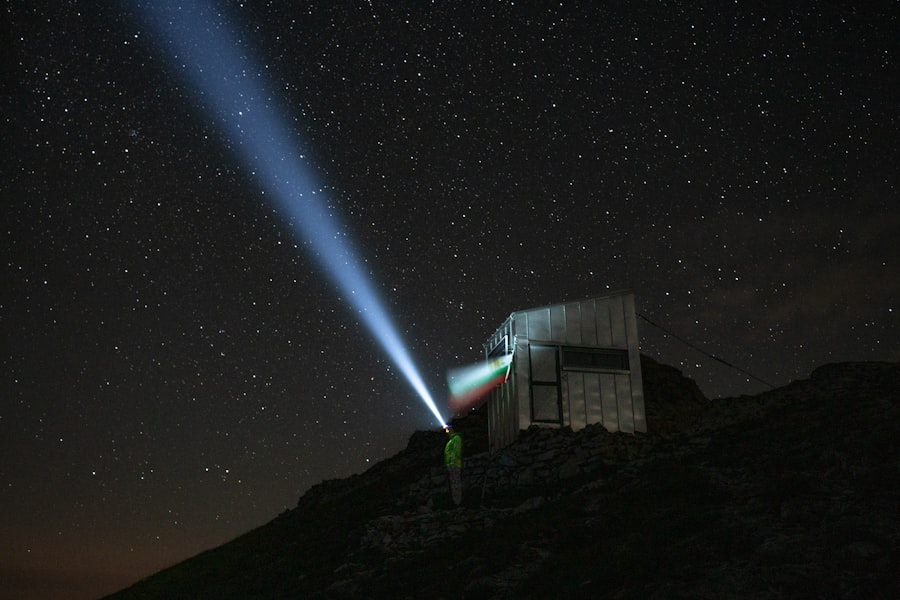
Despite their enthusiasm and dedication, amateur radio astronomers face several challenges that can hinder their efforts. One significant obstacle is the issue of light pollution, which can obscure celestial signals and make it difficult for amateurs to conduct observations effectively. Urban environments often present additional challenges, as electromagnetic interference from various sources can disrupt radio signals and complicate data collection.
Furthermore, many amateurs may lack access to advanced equipment or technical expertise, limiting their ability to engage fully with the field. While there are numerous resources available online, navigating the complexities of radio astronomy can be daunting for newcomers. As a result, some aspiring amateur astronomers may feel discouraged or overwhelmed by the technical demands of the discipline.
Overcoming these challenges requires perseverance, creativity, and a willingness to learn from both successes and setbacks.
Contributions of Amateur Radio Astronomers to Astronomical Research
The contributions of amateur radio astronomers to astronomical research are both diverse and impactful. Their ability to detect cosmic signals has led to numerous discoveries that have enriched our understanding of the universe. For instance, amateurs have played a pivotal role in monitoring transient astronomical events such as gamma-ray bursts and supernovae, providing valuable data that complements professional observations.
Additionally, amateur radio astronomers often engage in long-term monitoring projects that track specific celestial objects over time. This sustained effort can yield insights into phenomena such as variable stars or asteroid trajectories, contributing to our understanding of their behavior and characteristics. By filling gaps in professional research efforts, amateurs help create a more comprehensive picture of the cosmos, demonstrating that passion-driven inquiry can yield significant scientific results.
How Amateur Radio Astronomy Can Inspire and Engage the Public
Amateur radio astronomy serves as an inspiring gateway for public engagement with science and technology. By showcasing their work through community events, workshops, and online platforms, amateur astronomers can spark interest in astronomy among individuals who may not have considered it before. This outreach fosters curiosity about the universe and encourages people to explore scientific concepts in an accessible manner.
Moreover, amateur radio astronomy provides opportunities for hands-on learning experiences that can captivate audiences of all ages. By participating in workshops or observing celestial events alongside experienced amateurs, individuals can gain practical skills while developing a deeper appreciation for the wonders of the cosmos. This engagement not only nurtures future generations of scientists but also cultivates a broader public interest in space exploration and scientific inquiry.
Future Prospects for Amateur Radio Astronomy
The future prospects for amateur radio astronomy appear promising as technology continues to advance at an unprecedented pace. The proliferation of affordable equipment and software tools has made it easier than ever for enthusiasts to engage with this field. As new technologies emerge—such as improved signal processing algorithms and enhanced data visualization techniques—amateur astronomers will be better equipped to make meaningful contributions to astronomical research.
Additionally, ongoing collaborations between amateurs and professionals are likely to yield exciting discoveries in the coming years. As more individuals become involved in amateur radio astronomy, the collective knowledge base will expand, leading to innovative approaches and fresh insights into cosmic phenomena. The potential for citizen science initiatives will further enhance public participation in astronomy, creating a vibrant community dedicated to exploring the mysteries of the universe.
How to Get Involved in Amateur Radio Astronomy
For those interested in embarking on a journey into amateur radio astronomy, there are several pathways to get started. First and foremost, individuals should seek out local clubs or organizations dedicated to astronomy or radio communications. These groups often provide valuable resources, mentorship opportunities, and access to shared equipment that can facilitate learning.
Additionally, online communities offer a wealth of information for aspiring amateur astronomers. Websites, forums, and social media platforms serve as hubs for knowledge exchange where enthusiasts can share experiences, ask questions, and collaborate on projects. Engaging with these communities can help newcomers build confidence while honing their skills in signal detection and analysis.
The Impact of Amateur Radio Astronomers in Understanding the Universe
In conclusion, amateur radio astronomers play an invaluable role in expanding our understanding of the universe through their passion-driven pursuits. Their contributions—ranging from detecting cosmic signals to collaborating with professionals—demonstrate that scientific inquiry is not limited to formal institutions but is accessible to anyone with curiosity and determination. As technology continues to evolve and public interest grows, amateur radio astronomy will undoubtedly remain a vital component of astronomical research.
The impact of these dedicated individuals extends beyond mere discoveries; they inspire future generations to explore science while fostering a sense of community among enthusiasts worldwide. By bridging the gap between professional research and grassroots exploration, amateur radio astronomers enrich our collective knowledge about the cosmos—reminding us all that there is still much left to discover among the stars.
For those interested in the fascinating world of radio astronomy and amateur detection, a great resource is the article available at XFile Findings. This site offers insights into various aspects of radio astronomy, including techniques and equipment that enthusiasts can use to detect celestial signals. Whether you’re a seasoned astronomer or just starting out, the information provided can enhance your understanding and skills in this exciting field.
WATCH THIS! 🛰️125 Years of Hidden Signals: What NASA Just Admitted About the Black Knight Satellite
FAQs
What is amateur radio astronomy?
Amateur radio astronomy is the practice of observing and studying celestial radio sources using non-professional, often homemade or low-cost, radio equipment. Enthusiasts detect radio waves emitted by astronomical objects such as the Sun, Jupiter, and the Milky Way.
What equipment is needed for amateur radio astronomy?
Basic equipment includes a radio receiver capable of detecting frequencies in the radio spectrum, an antenna (such as a Yagi or dipole), a low-noise amplifier, and a computer or recording device for data analysis. Some amateurs also use software-defined radios (SDRs) for more flexibility.
Which celestial objects can amateurs detect with radio astronomy?
Amateurs commonly detect strong radio sources like the Sun, Jupiter’s radio emissions, the Milky Way’s galactic plane, and sometimes solar bursts or meteor scatter signals. Detecting weaker or more distant sources typically requires more advanced equipment.
Is special knowledge required to start amateur radio astronomy?
While a background in astronomy or radio technology is helpful, many resources and communities exist to help beginners learn. Understanding basic radio principles, antenna construction, and data analysis techniques is beneficial.
What frequencies are typically used in amateur radio astronomy?
Common frequencies range from about 10 MHz to 1.5 GHz, depending on the target source. For example, the hydrogen line at 1420 MHz is a popular frequency for detecting neutral hydrogen in space.
Can amateur radio astronomy contribute to scientific research?
Yes, amateur observations can complement professional research, especially in monitoring solar activity, detecting transient events, or participating in citizen science projects. Data collected by amateurs can be valuable for long-term monitoring.
Are there any legal restrictions for amateur radio astronomy?
Amateur radio astronomers must comply with local regulations regarding radio frequency use and transmission. Typically, passive listening to natural radio emissions does not require a license, but transmitting signals may be regulated.
Where can I find resources or communities for amateur radio astronomy?
Resources include online forums, amateur radio clubs, astronomy societies, and websites dedicated to radio astronomy. Many organizations offer guides, tutorials, and support for beginners interested in this hobby.