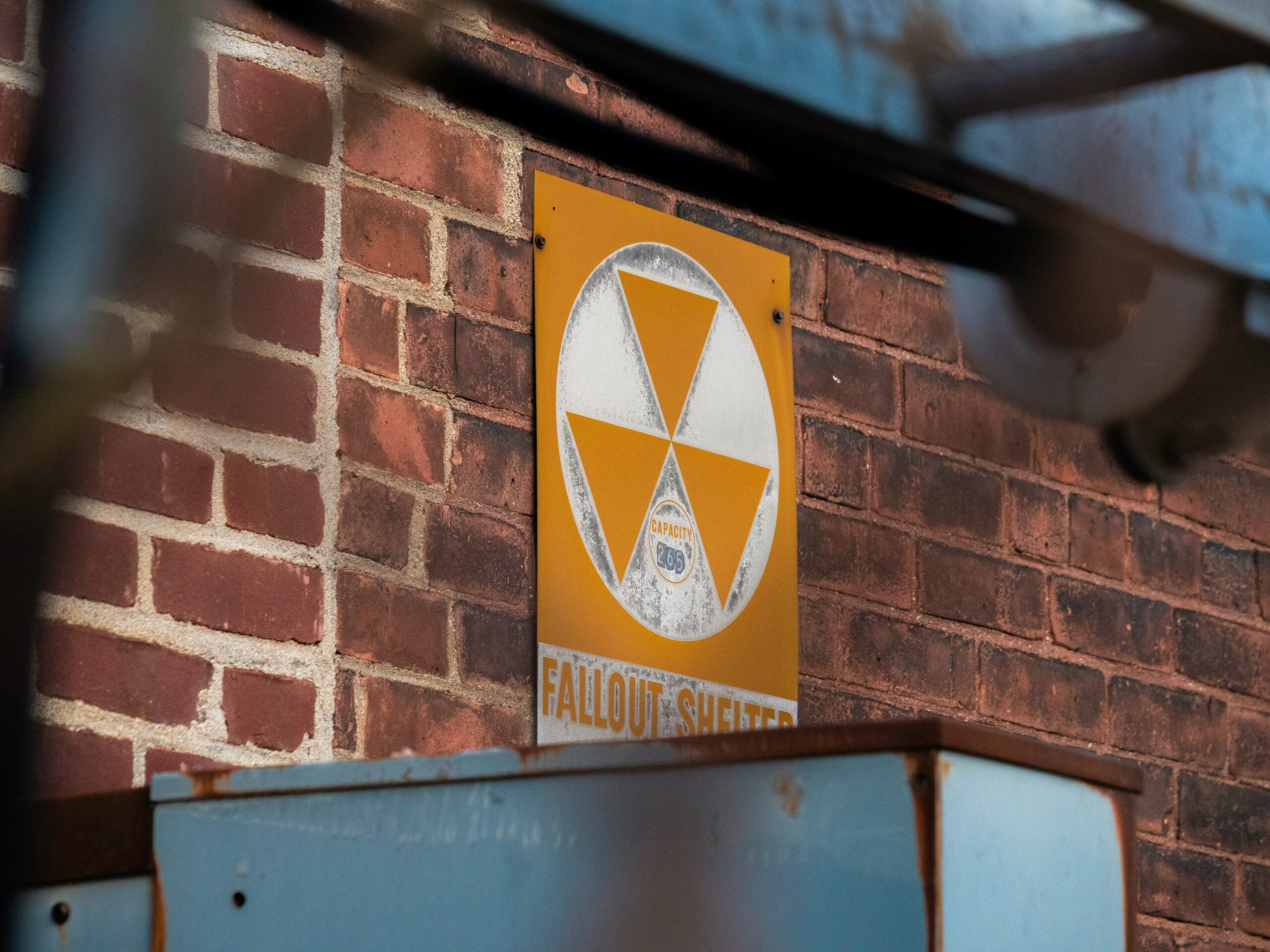
America’s nuclear arsenal, a testament to human ingenuity and a chilling symbol of geopolitical power, represents a profound responsibility for the nation. The management and safeguarding of these weapons are not merely a matter of national security; they are an imperative for global stability. The sheer destructive potential inherent in nuclear materials necessitates a multi-layered, rigorously enforced system of security designed to prevent their proliferation, theft, or unauthorized use. This complex undertaking involves intricate technical measures, robust human vetting, and continuous adaptation to an ever-evolving threat landscape.
The United States’ nuclear triad – intercontinental ballistic missiles (ICBMs), submarine-launched ballistic missiles (SLBMs), and strategic bombers – forms the backbone of its nuclear deterrent. This diversified capability ensures that even a first strike would not neutralize America’s ability to retaliate, a crucial element in dissuading aggression. The existence of these weapons, however, creates a persistent need for absolute security.
The Triad: A Three-Pronged Defense
The land-based ICBMs are housed in hardened silos across the American heartland, a visible but deeply protected presence. Submarine-launched ballistic missiles, carried on stealthy nuclear-powered submarines, offer unparalleled survivability, patrolling the depths of the oceans. Strategic bombers, capable of delivering nuclear payloads at high speeds and from various altitudes, provide flexibility and rapid response options. Each leg of this triad requires distinct security protocols, reflecting the unique operational environments and vulnerabilities.
The Role of Nuclear Command, Control, and Communications (NC3)
Beyond the physical weapons themselves, the intricate systems that control their deployment are paramount. NC3 encompasses the hardware, software, and human operators responsible for authorizing and executing a nuclear strike. The integrity, reliability, and security of these systems are of the utmost importance. Any compromise could have catastrophic consequences. This involves not only protecting the physical infrastructure but also ensuring robust cybersecurity against sophisticated adversaries.
The Evolution of the Arsenal: From Cold War to Modern Threats
The nature of the nuclear threat has shifted dramatically since the height of the Cold War. While the specter of large-scale nuclear exchange between superpowers remains a concern, the potential for nuclear terrorism or the acquisition of nuclear materials by rogue states has emerged as a significant, and perhaps more immediate, danger. This evolving threat profile demands a continuous reassessment and enhancement of security measures.
In recent discussions surrounding America’s nuclear secrets, an intriguing article titled “The Evolution of Nuclear Security: Lessons from the Past” provides valuable insights into the historical context and current challenges of safeguarding these critical assets. This piece delves into the complexities of nuclear policy and the importance of maintaining robust security measures to prevent unauthorized access. For more information, you can read the article here: The Evolution of Nuclear Security: Lessons from the Past.
Physical Security: Fortifying the Fortresses
The physical security of nuclear materials and facilities is the first line of defense. This involves a combination of robust infrastructure, sophisticated surveillance, and highly trained personnel to prevent unauthorized access and the theft of weapons or fissile materials. The scale and complexity of these operations are immense.
Perimeter Security and Access Control
Nuclear facilities are secured with multiple layers of physical barriers, including high fences, reinforced walls, and sophisticated intrusion detection systems. Access is strictly controlled through multi-factor authentication, biometric scanners, and constant human oversight. Authorized personnel undergo rigorous background checks and recurrent security training. Every movement within these secure zones is meticulously logged and monitored.
Armored Transportation and Storage
The transportation of nuclear weapons and materials, whether for maintenance, deployment, or decommissioning, is conducted under extreme security protocols. Weapons-grade material is stored in heavily fortified bunkers, often deep underground, designed to withstand a range of threats, including seismic activity and potential attacks. These storage facilities are constantly monitored by armed guards and advanced sensor technology.
Integrated Sensor Networks and Surveillance
A vast network of sensors, cameras, and other surveillance technologies provides real-time situational awareness. These systems can detect unauthorized movement, environmental anomalies, and potential breaches. Data from these sensors is fed into centralized command centers where highly trained analysts monitor for any signs of compromise. The goal is to detect and neutralize threats before they can materialize.
Personnel Security: The Human Element in Safeguarding Secrets

The human element is as crucial, if not more so, than the physical infrastructure. The individuals entrusted with the custody and management of nuclear weapons are subjected to the most stringent vetting processes, ongoing surveillance, and a culture of unwavering integrity.
The Rigorous Vetting Process
Prospective personnel undergo extensive background investigations that can span years. These investigations delve into an individual’s personal history, financial stability, psychological profile, and potential vulnerabilities to coercion or undue influence. Any indication of erratic behavior, substance abuse, undisclosed foreign contacts, or ideological extremism can disqualify an individual.
Continuous Monitoring and Psychological Evaluation
The security scrutiny does not end with initial vetting. Personnel working with nuclear materials are subject to ongoing monitoring, including regular polygraph examinations, psychological evaluations, and the reporting of any personal changes that might indicate a security risk. A culture of trust, but with robust oversight, is essential. This is not about constant suspicion, but rather about ensuring the highest standards of reliability for those in positions of such immense responsibility.
The Importance of a Security-Conscious Culture
Beyond individual checks, fostering a pervasive culture of security awareness is paramount. This involves continuous training, open communication channels for reporting suspicious activity, and clear disciplinary procedures for security infractions. Every individual, from the most senior scientist to the newest guard, must understand their role in safeguarding these immensely sensitive materials.
Cybersecurity: Defending the Digital Fortress
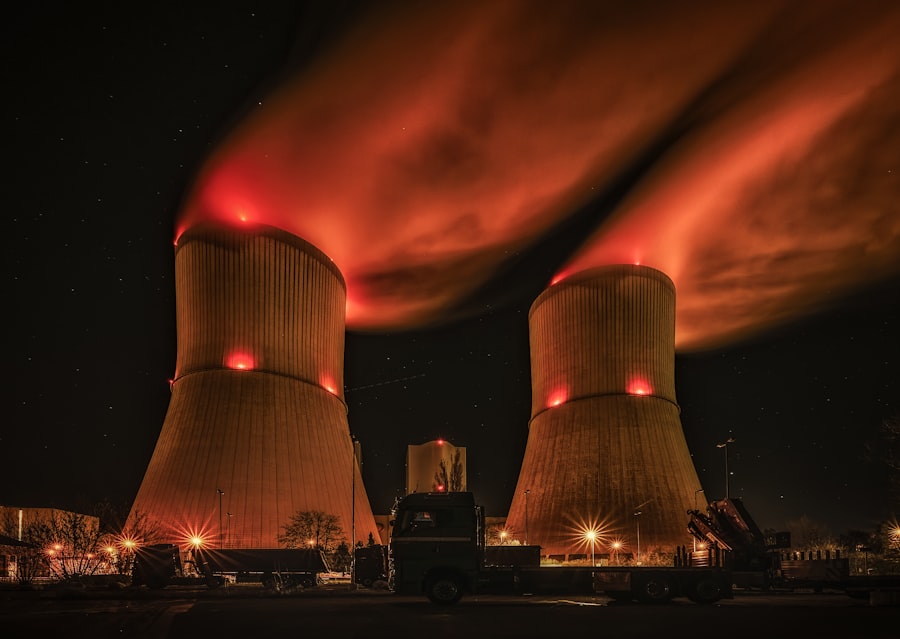
In the modern era, the security of nuclear assets extends far beyond physical barriers. Sophisticated cybersecurity measures are essential to protect the command, control, and communications systems, as well as the vast networks of data associated with the nuclear program.
Protecting the Nuclear Command, Control, and Communications (NC3)
The NC3 systems are designed with multiple layers of security to prevent unauthorized access, manipulation, or disruption. This includes air-gapping critical systems from public networks, employing robust encryption, and implementing strict access controls. The constant evolution of cyber threats necessitates continuous updates and rigorous testing of these defenses.
Countering Advanced Persistent Threats (APTs)
Adversaries, including nation-states and sophisticated cybercriminal groups, constantly seek to penetrate secure networks. The United States employs a dedicated cadre of cybersecurity professionals to identify and neutralize Advanced Persistent Threats (APTs) – complex, often state-sponsored attacks designed to remain undetected for extended periods.
Data Integrity and Protection
The integrity of the data generated by the nuclear program, from design specifications to operational logs, is vital. Sophisticated measures are in place to protect this data from alteration, deletion, or exfiltration. This includes data loss prevention techniques and robust backup and recovery systems.
In recent discussions surrounding America’s nuclear secrets, the implications of security breaches have become increasingly concerning. An insightful article that delves deeper into this topic can be found at this link, where experts analyze the potential risks and the measures being taken to safeguard sensitive information. Understanding these dynamics is crucial, as they play a significant role in national security and international relations.
Non-Proliferation and International Cooperation: A Global Responsibility
| Category | Data/Metrics |
|---|---|
| Number of Nuclear Weapons | Approximately 6,185 nuclear warheads |
| Nuclear Arsenal Size | Second largest in the world |
| Nuclear Stockpile | Estimated at 3,800 active and inactive warheads |
| Nuclear Triad | Consists of land-based intercontinental ballistic missiles (ICBMs), submarine-launched ballistic missiles (SLBMs), and strategic bombers |
| Nuclear Testing | United States conducted over 1,000 nuclear tests |
The safeguarding of America’s nuclear secrets is inextricably linked to global non-proliferation efforts. Preventing the spread of nuclear weapons and materials to other nations or non-state actors is a critical component of international security.
The Role of International Treaties and Agreements
The United States actively participates in and champions international treaties and agreements aimed at preventing the proliferation of nuclear weapons, such as the Treaty on the Non-Proliferation of Nuclear Weapons (NPT). These frameworks provide a common ground for cooperation and verification.
Denying Access to Illicit Materials
Extensive efforts are undertaken to track and secure all nuclear materials worldwide, preventing them from falling into the wrong hands. This includes assisting other nations in strengthening their own security protocols and cooperating on intelligence sharing to intercept illicit trafficking. The “Nunn-Lugar Cooperative Threat Reduction Program” is a prime example of such collaborative efforts.
Diplomatic Engagement and Verification
Diplomacy plays a crucial role in convincing nations of the dangers of nuclear proliferation and in verifying their adherence to international commitments. The United States engages in dialogue with countries that possess nuclear capabilities to ensure transparency and the secure management of their arsenals, while also working to dissuade others from pursuing them.
Continuous Improvement and Future Challenges: Adapting to Evolving Threats
The landscape of nuclear security is not static. New technologies, emerging threats, and geopolitical shifts necessitate a commitment to continuous improvement and proactive adaptation.
Adapting to Emerging Technologies
As technology advances, so too do the methods of those who might seek to compromise nuclear security. This requires constant vigilance and investment in new technologies to counter threats ranging from advanced cyberattacks to novel methods of physical intrusion or sabotage.
The Threat of Nuclear Terrorism
The possibility of non-state actors acquiring nuclear materials or even a rudimentary nuclear device remains a grave concern. This threat requires a global approach, involving intelligence sharing, law enforcement cooperation, and robust physical security measures at all levels.
The Long-Term Stewardship of Nuclear Materials
The responsible decommissioning of aging nuclear weapons and the management of radioactive materials present ongoing challenges. Safeguarding these materials throughout their lifecycle, from production to eventual disposal, is a critical aspect of long-term security. This involves ensuring that even obsolete or dismantled nuclear components are secured against misuse.
In conclusion, the safeguarding of America’s nuclear secrets is a monumental and multifaceted endeavor. It demands unwavering dedication to physical security, absolute integrity in personnel, cutting-edge cybersecurity, and robust international cooperation. The potential consequences of failure are simply too catastrophic to contemplate, making this a perpetual mission of paramount importance for the nation and the world. The continuous evolution of threats necessitates a flexible, adaptive, and relentlessly vigilant approach, ensuring that these powerful tools of deterrence remain a shield, not a sword in the wrong hands.

Why Manhattan Project Scientists Couldn’t Explain the Green Fireballs
FAQs
What are America’s nuclear secrets?
America’s nuclear secrets refer to classified information related to the country’s nuclear weapons program, including details about the design, development, and deployment of nuclear weapons, as well as information about the locations and security measures of nuclear facilities.
How are America’s nuclear secrets protected?
America’s nuclear secrets are protected through a combination of physical security measures, strict access controls, background checks for personnel with access to sensitive information, and cybersecurity measures to prevent unauthorized access to digital information.
Who has access to America’s nuclear secrets?
Access to America’s nuclear secrets is highly restricted and limited to individuals with the appropriate security clearance and a need-to-know basis. This includes personnel within the Department of Defense, Department of Energy, and other government agencies involved in the country’s nuclear weapons program.
What are the consequences of unauthorized disclosure of America’s nuclear secrets?
Unauthorized disclosure of America’s nuclear secrets can have severe consequences, including criminal prosecution, loss of security clearance, and potential damage to national security. It can also lead to strained international relations and compromise the country’s strategic advantage.
How do America’s nuclear secrets impact national security?
America’s nuclear secrets play a crucial role in maintaining the country’s national security by deterring potential adversaries, ensuring the reliability and effectiveness of its nuclear arsenal, and safeguarding against the proliferation of nuclear weapons.