Antarctica is the world’s southernmost continent, characterized by extensive ice coverage and extreme environmental conditions. The continent remains largely uninhabited by humans and contains distinct ecosystems adapted to polar conditions. Antarctica plays a significant role in global climate regulation through its ice sheets, ocean currents, and atmospheric interactions.
Rising global temperatures and documented climate change impacts have increased the demand for comprehensive monitoring and research capabilities in polar regions. Advanced technological systems designed for extreme cold-weather operation have become essential tools for scientific investigation and environmental monitoring in Antarctica. Antarctic technological deployment includes various automated and remotely operated systems capable of functioning in sub-zero temperatures, high winds, and extended periods of darkness.
These systems range from unmanned aerial vehicles and autonomous ground stations to sophisticated research facilities equipped with specialized instrumentation. Such technology enables continuous data collection, long-term environmental monitoring, and implementation of research protocols in locations previously inaccessible or too dangerous for human presence. The deployment of cold-weather technology in Antarctica supports multiple scientific objectives, including ice sheet monitoring, wildlife population studies, atmospheric research, and climate data collection.
These technological systems provide researchers with enhanced capabilities for real-time data transmission, extended operational periods, and improved accuracy in measurements across vast geographical areas. The integration of advanced technology in Antarctic research operations has become increasingly important for understanding regional climate dynamics and their global implications.
Key Takeaways
- Machines play a crucial role in addressing climate change impacts in Antarctica by enabling environmental monitoring and intervention.
- Operating machines in Antarctica presents unique challenges due to extreme weather and remote conditions.
- Developing sustainable technology is essential to minimize environmental impact while activating machines in Antarctica.
- Collaboration among scientists, policymakers, and engineers is vital for successful Antarctic machine activation projects.
- Effective policies and regulations are necessary to guide responsible machine use and maximize benefits in combating climate change.
The Impact of Climate Change on Antarctica
The effects of climate change on Antarctica are profound and multifaceted. Over the past few decades, scientists have observed alarming trends, including rising temperatures, melting ice sheets, and shifting wildlife populations. The Antarctic Peninsula, in particular, has experienced some of the most rapid warming on the planet, with temperatures increasing by nearly 3 degrees Celsius over the last fifty years.
This warming has led to significant ice loss, contributing to rising sea levels that threaten coastal communities worldwide. Moreover, the melting of Antarctic ice has far-reaching implications beyond just sea-level rise. It disrupts local ecosystems, affecting species such as penguins and seals that rely on stable ice conditions for breeding and feeding.
The influx of freshwater from melting glaciers alters ocean currents and can impact global weather patterns. As these changes unfold, they underscore the urgent need for comprehensive research and monitoring efforts to understand the full scope of climate change’s impact on this fragile environment.
The Role of Machines in Combating Climate Change in Antarctica
Machines play a crucial role in addressing the challenges posed by climate change in Antarctica. Equipped with advanced sensors and data collection capabilities, these machines can gather critical information about temperature fluctuations, ice thickness, and atmospheric conditions. Autonomous drones, for instance, can traverse vast areas of ice and collect data that would be difficult or impossible for human researchers to obtain.
This data is invaluable for modeling climate scenarios and predicting future changes. In addition to data collection, machines can also assist in implementing solutions to mitigate climate change effects. For example, robotic systems can be deployed to monitor wildlife populations and assess their health in response to changing environmental conditions.
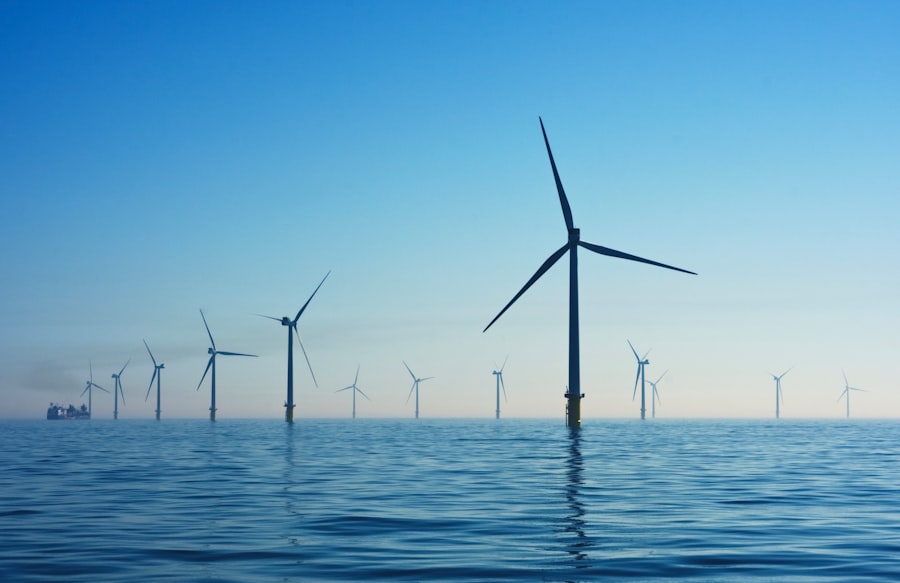
Furthermore, machines can facilitate renewable energy projects in Antarctica, such as wind and solar installations, which could provide sustainable power for research stations while reducing reliance on fossil fuels. By integrating technology into climate action strategies, researchers can enhance their understanding of Antarctic ecosystems and develop more effective responses to climate change.
The Challenges of Operating Machines in Antarctica
Operating machines in Antarctica presents a unique set of challenges that must be addressed to ensure their effectiveness. The extreme cold, high winds, and unpredictable weather conditions can hinder machine performance and pose risks to personnel involved in their operation. For instance, machinery may require specialized materials and designs to withstand freezing temperatures and prevent mechanical failures.
Additionally, logistical challenges related to transportation and maintenance can complicate machine deployment in remote areas. Another significant challenge is the environmental impact of machine operation itself. Researchers must carefully consider how their activities may affect local ecosystems and wildlife.
The introduction of machines into pristine environments raises concerns about pollution, habitat disruption, and potential harm to native species. As such, it is essential for scientists and engineers to develop strategies that minimize these impacts while maximizing the benefits of machine activation.
The Development of Sustainable Technology for Antarctic Machine Activation
| Metric | Value | Unit | Description |
|---|---|---|---|
| Average Antarctic Temperature Increase | 3.5 | °C (last 50 years) | Rise in average temperature in the Antarctic region |
| Machine Activation Date | 2023-11-15 | Date | Date when climate monitoring machines were activated in Antarctica |
| CO2 Concentration Monitored | 415 | ppm | Carbon dioxide concentration measured by Antarctic machines |
| Ice Sheet Melting Rate | 250 | Gigatons/year | Annual ice mass loss from Antarctic ice sheets |
| Sea Level Rise Contribution | 0.7 | mm/year | Contribution of Antarctic ice melt to global sea level rise |
| Machine Uptime | 98.5 | % | Operational uptime percentage of climate monitoring machines |
The development of sustainable technology is paramount for successful Antarctic machine activation. Researchers are increasingly focusing on creating machines that not only perform effectively in extreme conditions but also adhere to principles of sustainability. This includes designing energy-efficient systems that utilize renewable energy sources such as solar or wind power.
By reducing reliance on fossil fuels, these technologies can help mitigate their own contribution to climate change while operating in one of its most affected regions. Moreover, advancements in materials science are leading to the creation of more durable and environmentally friendly components for machines used in Antarctica. Innovations such as biodegradable lubricants and recyclable materials can help reduce the ecological footprint of machine operations.
As technology continues to evolve, there is a growing emphasis on creating machines that are not only effective but also responsible stewards of the environment they operate within.
The Importance of Collaboration in Antarctic Machine Activation

Collaboration is essential for the success of Antarctic machine activation initiatives. Given the continent’s remote location and harsh conditions, no single organization or country can tackle the challenges posed by climate change alone. International cooperation among governments, research institutions, and private companies is vital for pooling resources, sharing knowledge, and coordinating efforts.
Collaborative projects can lead to more comprehensive data collection and analysis, enhancing the understanding of Antarctic ecosystems and their responses to climate change. Joint ventures can also facilitate the sharing of best practices in machine operation and maintenance, ensuring that all parties benefit from collective experiences. By fostering a spirit of collaboration, stakeholders can work together more effectively to address the pressing issues facing Antarctica and contribute to global climate action.
The Potential Benefits of Antarctic Machine Activation
The potential benefits of activating machines in Antarctica extend far beyond immediate research applications. By enhancing data collection capabilities and improving monitoring efforts, these machines can provide critical insights into climate change trends that affect not only Antarctica but also the entire planet. Understanding these trends is essential for developing effective policies and strategies aimed at mitigating climate change impacts.
Furthermore, successful machine activation projects can serve as models for similar initiatives in other remote or vulnerable regions around the world. The lessons learned from operating machines in Antarctica can inform best practices for environmental monitoring and conservation efforts globally.
The Future of Antarctic Machine Activation
The future of Antarctic machine activation looks promising as technological advancements continue to evolve rapidly. Innovations in artificial intelligence (AI) and machine learning are poised to revolutionize data analysis capabilities, allowing researchers to extract valuable insights from vast amounts of information collected by machines. This could lead to more accurate predictions regarding climate change impacts and enable proactive measures to be implemented.
Moreover, as global awareness of climate change grows, there is likely to be increased investment in research initiatives focused on Antarctica. Governments and organizations may prioritize funding for machine activation projects that align with broader climate goals. This could result in a surge of new technologies being developed specifically for use in extreme environments like Antarctica, further enhancing research capabilities and fostering a deeper understanding of this critical region.
Case Studies of Successful Antarctic Machine Activation Projects
Several successful case studies highlight the effectiveness of machine activation in Antarctica. One notable example is the use of autonomous underwater vehicles (AUVs) for mapping subglacial environments beneath ice shelves. These AUVs have provided unprecedented insights into how melting ice affects ocean circulation patterns and contribute to sea-level rise predictions.
Another successful project involved deploying robotic systems equipped with sensors to monitor penguin populations across various breeding sites. By collecting data on breeding success rates and chick survival, researchers have gained valuable information about how climate change impacts these iconic species. These case studies demonstrate not only the feasibility of machine activation but also its potential to yield significant scientific advancements.
The Role of Policy and Regulation in Antarctic Machine Activation
Policy and regulation play a crucial role in guiding Antarctic machine activation efforts. The Antarctic Treaty System establishes a framework for international cooperation in scientific research while ensuring that activities conducted on the continent are environmentally responsible. Adhering to these regulations is essential for minimizing ecological impacts while maximizing research benefits.
Furthermore, policymakers must consider how emerging technologies will be integrated into existing frameworks governing Antarctic activities. As machine activation becomes more prevalent, it will be necessary to develop guidelines that address issues such as data sharing, environmental protection measures, and ethical considerations surrounding technology use in sensitive ecosystems.
The Urgency of Antarctic Machine Activation in the Fight Against Climate Change
In conclusion, the urgency of activating machines in Antarctica cannot be overstated. As climate change continues to threaten this fragile environment and its global implications become increasingly apparent, leveraging technology becomes essential for understanding and addressing these challenges. Through innovative solutions that prioritize sustainability and collaboration, researchers can enhance their ability to monitor changes in Antarctica while contributing valuable insights into global climate dynamics.
The future holds great promise for Antarctic machine activation as advancements in technology pave the way for more effective research initiatives. By investing in these efforts now, stakeholders can play a pivotal role in combating climate change while safeguarding one of Earth’s last great frontiers for generations to come.
For a deeper understanding of the implications of these technological advancements, you can read more in this related article: Antarctic Machine Activation and Climate Change. This article delves into the mechanisms at play and the potential impact on our planet’s future.
WATCH THIS! 🚨 They Hid This: The Missing CIA Page That Warns About Antarctica
FAQs
What is the Antarctic machine activation in relation to climate change?
Antarctic machine activation refers to the process or phenomenon where certain natural or artificial mechanisms in Antarctica become active due to climate change. This can include the melting of ice sheets, activation of subglacial lakes, or the operation of scientific instruments designed to monitor environmental changes.
How does climate change affect Antarctica?
Climate change leads to rising temperatures, which cause the melting of Antarctic ice sheets and glaciers. This contributes to global sea-level rise and can disrupt local ecosystems. Warming can also activate previously dormant geological or hydrological processes beneath the ice.
What are the consequences of Antarctic ice melting?
Melting Antarctic ice contributes to global sea-level rise, which threatens coastal communities worldwide. It can also alter ocean circulation patterns, impact marine biodiversity, and release trapped greenhouse gases like methane from subglacial environments.
Are there machines or technologies used to monitor climate change in Antarctica?
Yes, scientists use various machines and technologies such as ice-penetrating radar, automated weather stations, remote sensing satellites, and autonomous underwater vehicles to monitor ice dynamics, temperature changes, and other environmental factors in Antarctica.
Is the activation of Antarctic machines a natural or human-induced process?
The term “activation” can refer to natural processes triggered by climate change, such as melting ice or subglacial water flow, or to the deployment and operation of scientific instruments (machines) by humans to study these changes.
Can Antarctic machine activation help in understanding global climate change?
Yes, studying the activation of natural processes and the data collected by scientific machines in Antarctica provides critical insights into the effects of global warming, ice sheet stability, and future sea-level projections.
What measures are being taken to address climate change impacts in Antarctica?
International agreements like the Antarctic Treaty System regulate human activity to minimize environmental impact. Scientific research aims to improve understanding of climate change effects, and global efforts focus on reducing greenhouse gas emissions to mitigate warming.
Is the Antarctic environment sensitive to climate change?
Yes, Antarctica is highly sensitive to climate change. Even small temperature increases can lead to significant ice melt and ecological changes, making it a key indicator region for global climate trends.