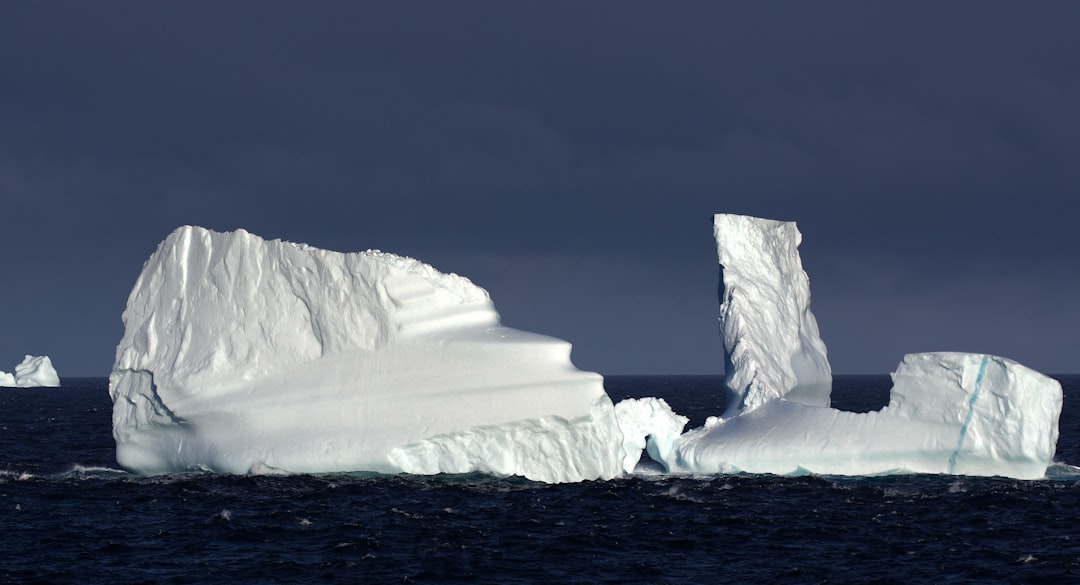
Antarctica, the southernmost continent, is a land of extremes, characterized by its vast ice sheets and unique geological features. The structure of Antarctica is not merely a frozen expanse; it is a complex interplay of ice, rock, and ocean that has evolved over millions of years. The Antarctic ice sheet, which holds approximately 60% of the world’s fresh water, is the largest single mass of ice on Earth.
Understanding this intricate framework is crucial for comprehending the dynamics of ice flow and the potential impacts of climate change. The Antarctic structure is not static; it is constantly influenced by various environmental factors.
The interplay between the ice sheet and the underlying geology plays a significant role in determining how the ice behaves. For instance, the presence of subglacial lakes can affect the movement of ice above them, while the topography of the bedrock can influence how quickly or slowly ice flows toward the ocean. As scientists delve deeper into the complexities of Antarctica’s structure, they uncover vital information that can help predict future changes in the region, particularly in relation to basal melt and its implications for global sea levels.
Key Takeaways
- Antarctic basal melt threshold is critical for understanding ice sheet stability and potential sea level rise.
- Climate change significantly influences basal melt rates by increasing ocean temperatures beneath ice sheets.
- Advanced technologies like remote sensing and ice-penetrating radar are essential for studying Antarctic structure and melt dynamics.
- Exceeding the basal melt threshold can lead to accelerated ice loss and destabilization of Antarctic ice sheets.
- Ongoing research focuses on mitigation strategies and improving predictive models to manage future impacts of basal melt.
Overview of Basal Melt Threshold
Basal melt refers to the melting of ice at the base of an ice sheet or glacier, primarily due to the interaction between warm ocean water and the ice. The basal melt threshold is a critical point at which this melting accelerates significantly, leading to increased ice loss from the Antarctic ice sheets. Understanding this threshold is essential for predicting how much ice will be lost in the future and how quickly sea levels may rise as a result.
The dynamics of basal melt are influenced by various factors, including ocean temperatures, ice thickness, and the underlying geology. The concept of a basal melt threshold is particularly important in the context of climate change. As global temperatures rise, ocean waters are becoming warmer, which can lead to increased melting at the base of ice sheets.
This process can create a feedback loop: as more ice melts, it can further destabilize the ice sheet, leading to even more rapid melting. Scientists are working diligently to identify and quantify these thresholds to better understand their implications for both Antarctica and the world at large.
The Importance of Understanding Antarctic Structure
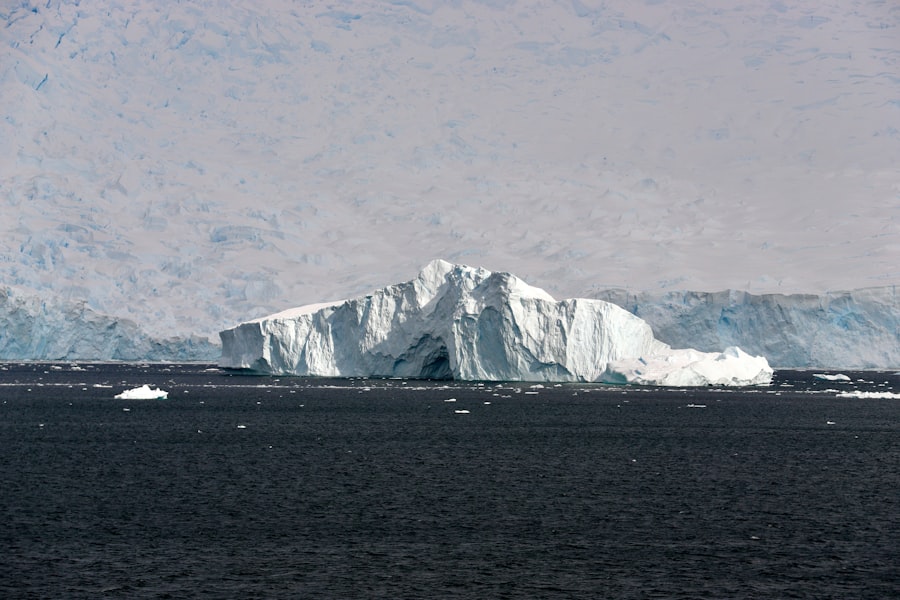
Understanding the structure of Antarctica is paramount for several reasons. First and foremost, it provides insight into how the continent will respond to ongoing climate change. As temperatures rise and ocean currents shift, the stability of the Antarctic ice sheets may be compromised.
By studying the underlying geology and hydrology of Antarctica, researchers can develop models that predict how these changes will affect ice flow and melting rates. Moreover, knowledge of Antarctic structure is crucial for assessing potential impacts on global sea levels. The melting of Antarctic ice contributes significantly to rising sea levels, which poses a threat to coastal communities worldwide.
By understanding how different factors influence basal melt and overall ice stability, scientists can better inform policymakers and stakeholders about potential risks and necessary mitigation strategies. This understanding is not only vital for environmental conservation but also for economic planning in regions vulnerable to sea-level rise.
Factors Contributing to Basal Melt in Antarctica
Several factors contribute to basal melt in Antarctica, each playing a unique role in influencing the rate at which ice melts at its base. One significant factor is ocean temperature. Warmer ocean waters can infiltrate beneath floating ice shelves, leading to increased melting at their bases.
This process is particularly pronounced in areas where warm ocean currents come into contact with the ice, creating conditions conducive to rapid melting. Another critical factor is the topography of the bedrock beneath the ice sheets. Variations in elevation can create areas where water accumulates or drains away more efficiently, affecting how much meltwater remains in contact with the ice.
Additionally, subglacial lakes can play a role in facilitating or inhibiting basal melt by altering pressure conditions and influencing ice flow dynamics. Understanding these factors is essential for developing accurate models that predict future changes in Antarctic ice dynamics.
The Role of Climate Change in Basal Melt Threshold
| Parameter | Value | Unit | Description |
|---|---|---|---|
| Basal Melt Threshold Temperature | -0.5 | °C | Temperature at which basal ice begins to melt under pressure |
| Ice Thickness | 2000 | m | Average thickness of Antarctic ice sheet at measurement site |
| Pressure Melting Point | -0.75 | °C | Melting point of ice under basal pressure conditions |
| Basal Heat Flux | 60 | mW/m² | Heat flow from Earth’s interior to base of ice sheet |
| Surface Temperature | -30 | °C | Average surface temperature near basal melt threshold region |
| Subglacial Water Pressure | 1.2 | MPa | Pressure of water at the ice-bed interface |
| Basal Sliding Velocity | 50 | m/year | Speed of ice movement due to basal melting and lubrication |
Climate change plays a pivotal role in influencing the basal melt threshold in Antarctica. As global temperatures continue to rise due to human activities, ocean temperatures are also increasing, leading to more pronounced melting at the base of ice sheets. This warming trend has been particularly evident in recent decades, with studies indicating that warm ocean waters are penetrating deeper into Antarctic fjords and reaching critical areas beneath floating ice shelves.
The implications of this warming are profound. As more ice melts from below, it can destabilize the overlying ice sheet, leading to accelerated flow toward the ocean and increased calving events. This feedback loop can result in a significant loss of ice mass over time, contributing to rising sea levels that threaten coastal communities worldwide.
Impact of Basal Melt on Antarctic Ice Sheets
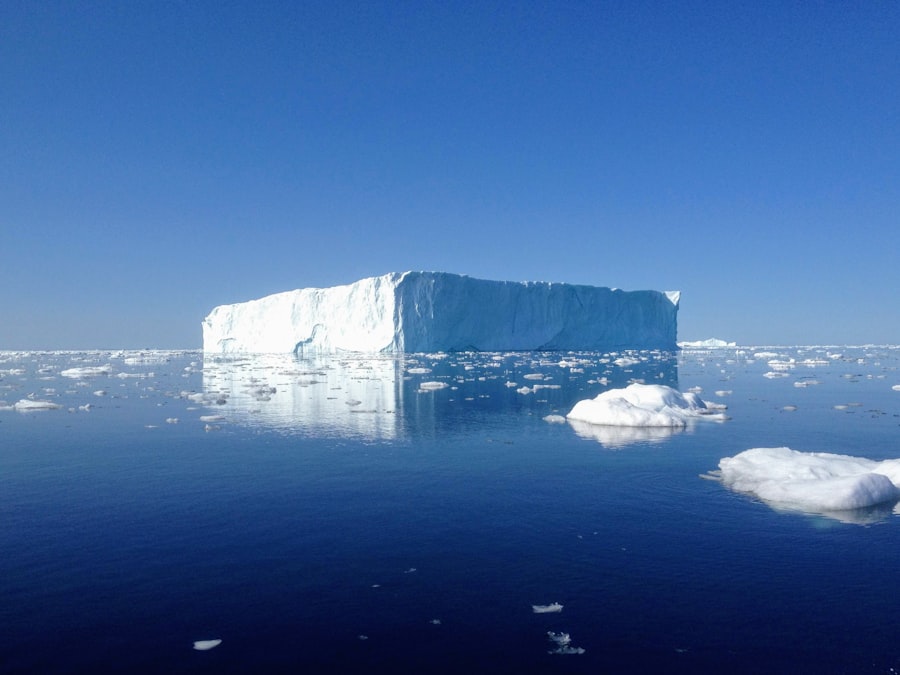
The impact of basal melt on Antarctic ice sheets is multifaceted and far-reaching. One immediate consequence is the potential for increased ice loss from these massive structures. As basal melting accelerates, it can lead to thinning of the ice sheet and increased flow rates toward the ocean.
This process not only contributes to rising sea levels but also alters the stability of the entire ice sheet system. Moreover, basal melt can have cascading effects on local ecosystems and global climate patterns. The influx of freshwater from melting glaciers can disrupt ocean circulation patterns, which play a crucial role in regulating climate systems worldwide.
Additionally, changes in ice dynamics can affect marine ecosystems that rely on stable conditions for their survival. Understanding these impacts is vital for developing comprehensive strategies to address both local and global challenges associated with climate change.
Current Research and Findings on Antarctic Structure and Basal Melt Threshold
Current research on Antarctic structure and basal melt thresholds has yielded significant insights into the complexities of this frozen continent. Scientists are employing advanced technologies such as satellite remote sensing, airborne radar, and subglacial mapping techniques to gather data on ice thickness, flow rates, and subglacial hydrology. These tools have allowed researchers to create detailed models that simulate how different factors influence basal melt dynamics.
Recent findings indicate that certain regions of Antarctica are experiencing accelerated melting due to warm ocean currents reaching critical areas beneath floating ice shelves. For instance, studies have shown that areas like Pine Island Glacier are particularly vulnerable to rapid basal melt, raising concerns about their stability in a warming climate. By continuing to investigate these dynamics, researchers aim to refine their predictions regarding future changes in Antarctic ice sheets and their implications for global sea levels.
Technologies and Methods for Studying Antarctic Structure and Basal Melt
The study of Antarctic structure and basal melt has been revolutionized by advancements in technology and methodology. Satellite remote sensing has become an invaluable tool for monitoring changes in ice thickness and flow rates over large areas. Instruments such as radar altimeters provide precise measurements of surface elevation changes, allowing scientists to track how much ice is being lost over time.
In addition to satellite observations, ground-based methods such as seismic surveys and GPS measurements are employed to gain insights into subglacial conditions and ice dynamics. These techniques enable researchers to map subglacial lakes and understand how they interact with overlying ice sheets. By combining data from various sources, scientists can develop comprehensive models that enhance their understanding of basal melt processes and their implications for Antarctica’s future.
Potential Consequences of Exceeding Basal Melt Threshold
Exceeding the basal melt threshold in Antarctica could have dire consequences for both local ecosystems and global sea levels. One immediate effect would be an increase in ice loss from major glaciers and ice shelves, leading to accelerated contributions to rising sea levels. This scenario poses significant risks for coastal communities around the world, particularly those situated in low-lying areas vulnerable to flooding.
Furthermore, exceeding this threshold could disrupt marine ecosystems that depend on stable conditions provided by floating ice shelves. Changes in salinity and temperature due to increased freshwater influx from melting glaciers could alter food webs and impact species that rely on these habitats for survival. The cascading effects of exceeding basal melt thresholds underscore the urgency of understanding these dynamics as scientists work toward developing effective strategies for mitigating climate change impacts.
Strategies for Mitigating Basal Melt in Antarctica
Mitigating basal melt in Antarctica requires a multifaceted approach that addresses both local conditions and global climate change drivers. One strategy involves enhancing monitoring efforts to better understand how different factors contribute to basal melt dynamics. By improving data collection through advanced technologies, researchers can identify vulnerable areas and develop targeted interventions.
Additionally, global efforts to reduce greenhouse gas emissions are crucial for addressing the root causes of climate change that drive warming oceans and increased basal melt rates. International cooperation is essential in implementing policies aimed at reducing carbon footprints and promoting sustainable practices worldwide. By combining local research efforts with global initiatives, scientists hope to develop comprehensive strategies that mitigate basal melt impacts while preserving Antarctica’s unique ecosystems.
Conclusion and Future Directions for Research on Antarctic Structure and Basal Melt Threshold
In conclusion, understanding Antarctic structure and basal melt thresholds is vital for predicting future changes in this critical region as well as their implications for global sea levels and ecosystems. Ongoing research continues to uncover new insights into how various factors influence basal melt dynamics, highlighting the need for continued investment in scientific exploration. Future directions for research should focus on refining models that predict how climate change will impact Antarctic ice sheets over time while also exploring innovative technologies for monitoring changes in real-time.
Collaborative efforts among scientists worldwide will be essential in addressing these challenges effectively. As humanity grapples with the realities of climate change, understanding Antarctica’s intricate structure will be key to safeguarding both local environments and global communities from its far-reaching consequences.
Recent studies have highlighted the critical role of basal melt thresholds in the stability of Antarctic ice structures, emphasizing the need for further research in this area. For a deeper understanding of the implications of these findings, you can refer to a related article that discusses the broader impacts of climate change on polar regions. Check it out here: XFile Findings.
WATCH THIS! 🚨 They Hid This: The Missing CIA Page That Warns About Antarctica
FAQs
What is basal melt in the context of Antarctic ice sheets?
Basal melt refers to the melting of the ice at the base or bottom of an ice sheet or glacier, typically caused by geothermal heat from the Earth’s interior or frictional heat generated by ice movement.
Why is the basal melt threshold important for Antarctic ice structures?
The basal melt threshold is the critical point at which melting at the base of the ice sheet begins or accelerates. Understanding this threshold helps scientists predict changes in ice sheet stability, flow dynamics, and potential contributions to sea-level rise.
How does basal melting affect the structure of the Antarctic ice sheet?
Basal melting can lubricate the interface between the ice and the underlying bedrock, potentially increasing ice flow speed. It can also lead to the formation of subglacial lakes and influence the overall stability and structural integrity of the ice sheet.
What factors influence the basal melt threshold in Antarctica?
Factors include geothermal heat flux, ice thickness, pressure melting point, frictional heating from ice movement, and the presence of subglacial water or sediments.
How do scientists measure or estimate basal melt rates in Antarctica?
Scientists use a combination of satellite observations, ice-penetrating radar, seismic surveys, and numerical modeling to estimate basal melt rates and understand the conditions at the ice-bed interface.
What implications does basal melting have for global sea levels?
Increased basal melting can accelerate ice flow into the ocean, contributing to ice mass loss from Antarctica and potentially raising global sea levels.
Are there specific regions in Antarctica more susceptible to basal melting?
Yes, regions with higher geothermal heat flux, such as West Antarctica and areas beneath fast-flowing ice streams, are more susceptible to basal melting.
Can basal meltwater affect the Antarctic ecosystem?
Basal meltwater can create subglacial lakes and influence nutrient transport, which may impact microbial ecosystems beneath the ice and potentially affect ocean circulation when meltwater reaches the ocean.
What role does the basal melt threshold play in ice sheet modeling?
The basal melt threshold is a key parameter in ice sheet models that helps simulate ice dynamics, predict future changes, and assess the potential impact of climate change on Antarctic ice stability.
Is basal melting expected to increase with climate change?
While basal melting is primarily driven by geothermal and frictional heat, warming ocean waters and changes in ice dynamics due to climate change can indirectly increase basal melt rates in some regions.