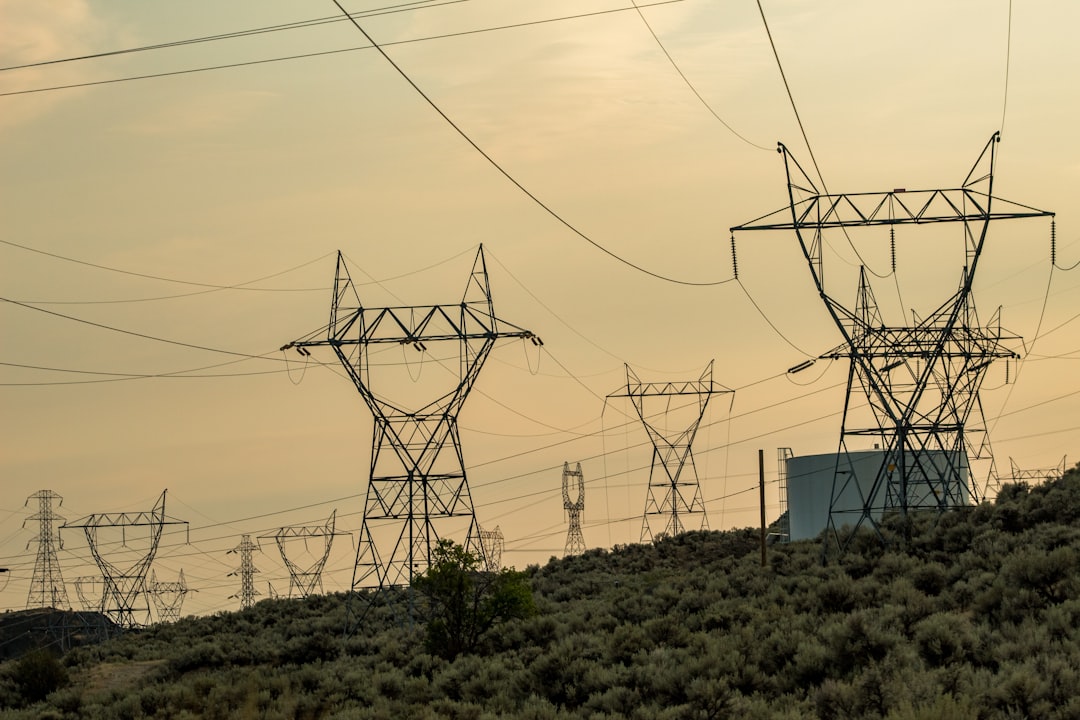
The Nevada desert holds many secrets, but perhaps none as notorious and shrouded in speculation as Area 52. While its more famous counterpart, Area 51, has become a household name synonymous with alien encounters and clandestine government experiments, Area 52, though less publicized, is rumored to represent a critical, even more deeply concealed, element of the United States’ advanced technological development: its secret production infrastructure. Unlike facilities primarily focused on research, development, or testing, Area 52 is understood, within certain circles, to be the operational heart of manufacturing for some of the nation’s most sensitive and classified technologies.
Deep within the vast and sparsely populated expanse of southern Nevada, nestled a significant distance from the heavily guarded perimeter of Area 51, lies the purported location of Area 52. The very designation “Area 52” is itself a testament to the layered secrecy employed by those who manage it. It suggests a progression beyond known entities, a further escalation in classification and operational security. The precise boundaries and the full extent of its acreage remain unknown, contributing to the mystique surrounding its purpose. However, available satellite imagery and anecdotal accounts, often gleaned from former contractors or military personnel with indirect exposure, point towards a substantial complex, far exceeding a mere temporary outpost.
Geographic Isolation and Strategic Advantage
The choice of its location is demonstrably strategic. The extreme remoteness of the Nevada desert provides a natural buffer, minimizing the risk of accidental discovery or unauthorized ingress. The arid climate and challenging terrain deter casual exploration and make surveillance and reconnaissance exceptionally difficult. This geographical isolation facilitates a controlled environment, allowing for the undisturbed operation of highly sensitive manufacturing processes without the complications of civilian proximity or public scrutiny. Moreover, the proximity to existing military installations, such as Nellis Air Force Base and the aforementioned Area 51, suggests an integrated support network and a shared operational doctrine, benefiting from existing infrastructure for logistics, security, and potential emergency response.
Historical Precedents of Hidden Industrial Might
The concept of hidden production facilities is not new. Throughout history, nations have sought to shield their most vital manufacturing capabilities from adversaries and the public alike. During wartime, entire factories were camouflaged or relocated underground to protect them from bombing raids. In the modern era, with the rise of sophisticated intelligence gathering, the need for even more profound concealment has intensified. Area 52, in this context, can be viewed as the apex of this historical trend, representing a commitment to safeguarding the production of technologies that offer a significant advantage, and whose very existence, let alone their manufacturing origins, must be meticulously protected.
The infrastructure surrounding Area 52 has long been a topic of intrigue, particularly regarding its role in supporting secret production activities. A related article that delves deeper into this subject can be found at XFile Findings, where it explores the various facilities and technologies believed to be utilized in this enigmatic location. The article provides insights into the potential implications of these operations and the ongoing speculation surrounding government secrecy and advanced research initiatives.
The Purpose of Production: Manufacturing the Unseen
The primary hypothesis surrounding Area 52 posits its function as a manufacturing hub for technologies that are either too advanced, too controversial, or too strategically vital to be produced in conventional, publicly acknowledged facilities. This distinction is crucial. While Area 51 is often associated with research, development, and testing of experimental aircraft and weapons systems, Area 52 is believed to be where these concepts are brought to fruition on a larger scale, or where technologies with even more profound implications are assembled and prepared for deployment.
Advanced Aerospace and Propulsion Systems
One of the most frequently cited purposes for Area 52’s existence involves the production of next-generation aerospace and propulsion systems. This could encompass the manufacturing of stealth aircraft components that are beyond current public understanding, advanced drone technologies with unparalleled capabilities, or even the assembly of experimental propulsion units that defy conventional physics. The sheer precision and specialized techniques likely required for such manufacturing would necessitate a dedicated, highly secure, and technologically advanced production environment. The potential for reverse-engineering technologies, both terrestrial and potentially extraterrestrial, would also necessitate specialized assembly lines and fabrication capabilities, which a facility like Area 52 could provide.
Directed Energy Weapons and Exotic Technologies
Another significant area of speculation centers on the production of directed energy weapons (DEWs) and other exotic technologies. The development and deployment of such systems, which can harness concentrated energy for offensive or defensive purposes, require highly specialized manufacturing processes and materials. The potential dangers and the strategic implications of DEWs are immense, making their production a prime candidate for the extreme secrecy afforded by a facility like Area 52. Beyond DEWs, there are theories that Area 52 could be involved in the manufacturing of advanced cyber warfare tools, quantum computing components, or even technologies related to space-based weapon systems. The common thread is the cutting-edge nature of the technology and the imperative to shield its production from global eyes.
The mysterious operations at Area 52 have long been a subject of intrigue, particularly regarding the infrastructure that supports its secret production capabilities. Recent insights into this clandestine facility reveal advanced technologies and facilities designed to maintain utmost secrecy while facilitating various projects. For a deeper understanding of the complexities surrounding this topic, you can explore a related article that delves into the hidden aspects of Area 52’s operations by following this link.
Specialized Components and End-User Readiness
Beyond entire systems, Area 52 might also be responsible for the production of highly specialized, classified components that are integrated into a wide array of military hardware. These could be micro-electronics with unprecedented capabilities, advanced sensor arrays, or exotic materials that impart unique properties to weapons and vehicles. Furthermore, the facility might be involved in the final assembly and integration of these components, ensuring that the finished products are ready for direct deployment by elite military units or intelligence agencies, without the need for further complex manufacturing or extensive testing at less secure locations.
The Infrastructure of Secrecy: Facilities and Operations
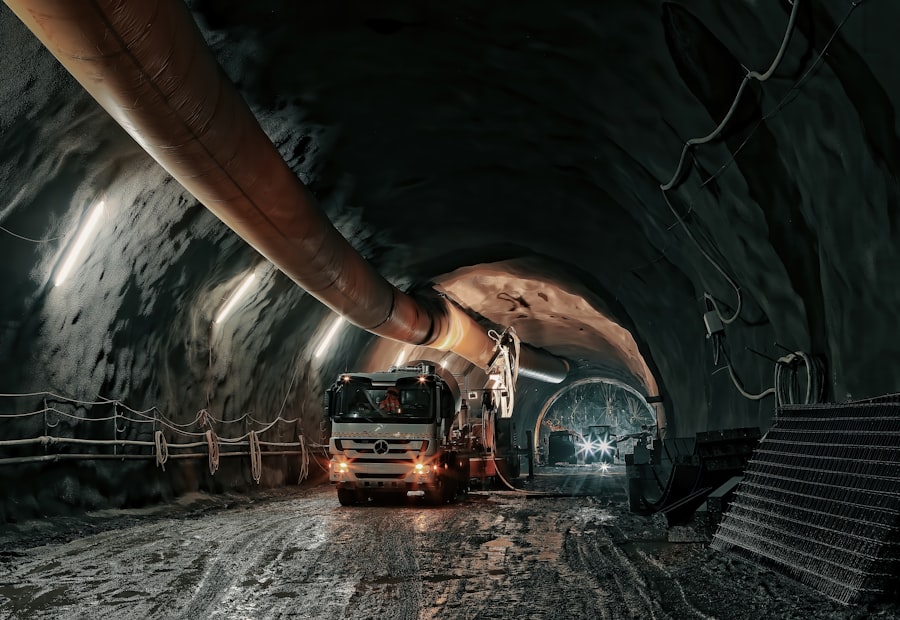
The operational infrastructure of Area 52 would necessarily be designed for the highest levels of security and technological sophistication. It is not simply a factory; it is a carefully constructed ecosystem built to protect the most sensitive aspects of national security manufacturing.
Underground Construction and Redundancy
Given the speculative nature of the threats it aims to counter, it is highly probable that significant portions, if not the entirety, of Area 52’s production facilities are located underground. This subterranean construction offers a multitude of benefits, including enhanced protection against aerial observation, seismic events, and even nuclear threats. Redundancy in power generation, life support systems, and data networks would be paramount, ensuring continuous operation even in the event of catastrophic failures or deliberate attacks. The scale of such underground construction would likely be immense, requiring specialized tunneling and excavation equipment, as well as advanced environmental control systems to maintain habitable conditions.
Advanced Manufacturing Labs and Clean Rooms
The production of highly sensitive technologies necessitates environments free from contaminants and precise control over manufacturing processes. Therefore, Area 52 is presumed to house extensive advanced manufacturing laboratories and ultra-clean rooms. These facilities would be equipped with state-of-the-art machinery, including sophisticated CNC machines capable of microscopic precision, advanced 3D printers capable of working with exotic alloys and composites, and specialized assembly stations for intricate electronic and mechanical components. The strict protocols within these areas would govern everything from personnel entry to the types of materials allowed, ensuring the integrity of the manufactured products.
Secure Supply Chains and Material Handling
The integrity of the entire production process hinges on a secure and tightly controlled supply chain. Area 52 would likely have its own dedicated logistics and warehousing facilities, designed to receive, store, and distribute raw materials and components under the strictest security protocols. The handling of these materials would be meticulously tracked, with strict measures in place to prevent any unauthorized access or diversion. This could involve proprietary transportation methods, secure storage vaults, and advanced inventory management systems that leave no room for error or compromise.
Integrated Security and Surveillance Networks
The physical security of Area 52 would be multifaceted and highly integrated. This would involve multiple layers of perimeter defenses, including advanced sensor networks, thermal imaging, and potentially even subterranean detection systems. Internal security would be equally stringent, with constant surveillance through CCTV, access control systems, and highly trained security personnel. The entire complex would likely be monitored by a sophisticated command and control center, capable of rapidly responding to any security breach or anomaly.
The Human Element: Personnel and Operational Command
The success of any production facility, particularly one as specialized as Area 52, relies heavily on its human capital. The individuals involved are not merely workers; they are custodians of national secrets, operating under an intense regime of security and control.
Highly Vetted Specialists and Technicians
The workforce at Area 52 would undoubtedly consist of individuals with exceptional skills and a proven, unwavering loyalty to national security. This would include a broad spectrum of specialists – aerospace engineers, materials scientists, quantum physicists, electronic technicians, cybersecurity experts
FAQs
What is Area 52?
Area 52 is a highly classified military installation located in a remote area, believed to be involved in the development and testing of advanced technologies and weapons systems.
What kind of infrastructure does Area 52 have?
Area 52 is known to have extensive underground facilities, advanced security systems, and specialized research and development laboratories to support its secretive operations.
What is the purpose of the infrastructure at Area 52?
The infrastructure at Area 52 is designed to support the production and testing of advanced and classified technologies, as well as to provide a secure environment for research and development activities.
What kind of security measures are in place at Area 52?
Area 52 is known to have high-level security measures, including restricted access, surveillance systems, and armed guards to protect its classified operations and prevent unauthorized entry.
What is the significance of Area 52’s infrastructure in supporting secret production?
The infrastructure at Area 52 plays a crucial role in enabling the development and production of advanced technologies and weapons systems in a secure and secretive environment, away from public scrutiny and potential espionage.