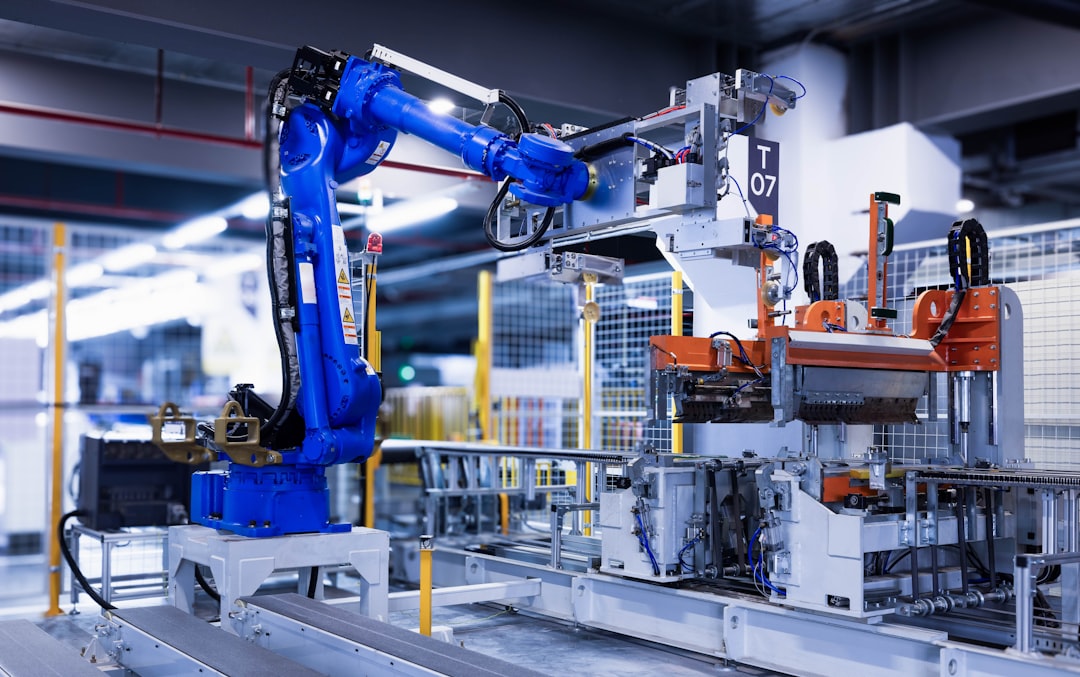
The clandestine operations rumored to exist within the confines of Area 52 have long been the subject of speculation and intrigue. Among the most disturbing, and perhaps least substantiated, are the whispers of a “Human Assembly Line” dedicated to the creation of “Biological Vessels.” This concept, while highly speculative, delves into the darkest corners of potential scientific research, exploring the possibility of artificial gestation and the engineering of life for specific, albeit unspecified, purposes.
The lore surrounding Area 52, itself a mythical extension of the more recognized Area 51, paints a picture of a highly guarded research facility operating beyond the purview of public knowledge. The origins of the “Human Assembly Line” narrative are difficult to pinpoint, likely emerging from a convergence of existing conspiracy theories regarding extraterrestrial involvement and advanced bio-engineering. Tales of secret government projects, reverse-engineered alien technology, and the perceived ethical vacuum of such advanced research coalesced into this specific, chilling hypothesis.
The Veil of Secrecy
The very existence of Area 52 is not officially confirmed, making any discussion of its alleged activities inherently challenging. This lack of verifiable information forces reliance on anecdotal accounts, leaked documents that are subsequently classified or disavowed, and the inherent fascination with the unknown. The secrecy surrounding military installations, particularly those rumored to engage in highly sensitive research, provides fertile ground for such elaborate narratives to take root and propagate.
Extraterrestrial Influence Theories
A significant thread in the Area 52 lore involves the alleged collaboration with extraterrestrial entities. Proponents of this theory suggest that human scientists are not solely responsible for the development of these “Biological Vessels.” Instead, they posit that alien technologies and biological expertise are being integrated, leading to creations far beyond current human capabilities. This adds a layer of the uncanny to the concept, suggesting an alien agenda intertwined with human endeavors.
The “Biological Vessel” Concept
The term “Biological Vessel” itself is deliberately ambiguous, contributing to the unsettling nature of the speculation. It implies a manufactured entity, created for a specific function, devoid of inherent sentience or individuality in the traditional human sense. This raises profound ethical questions about the definition of life, consciousness, and the moral implications of creating beings solely for utility.
The concept of the Area 52 human assembly line for biological vessels has sparked significant interest in the scientific community, particularly in relation to the ethical implications and technological advancements in genetic engineering. For those looking to delve deeper into this intriguing topic, a related article can be found at XFile Findings, which explores the latest developments and theories surrounding biological vessels and their potential applications in various fields.
The Alleged Process: From Conception to Completion
Should such an assembly line exist, the process of creating “Biological Vessels” would undoubtedly be a highly complex, multi-stage operation. The specifics are, of course, pure conjecture, but based on the prevailing theories, one can outline a hypothetical sequence of events. This hypothetical process emphasizes the mechanical, almost industrial, approach to the creation of life, a stark contrast to natural biological processes.
Gestation Pods and Artificial Wombs
Central to the “Human Assembly Line” narrative is the concept of advanced artificial gestation. Instead of natural pregnancy, it is theorized that specialized gestation pods, or artificial wombs, would be utilized. These would be highly controlled environments, meticulously regulated to optimize growth and development, potentially allowing for accelerated timelines and precise biological manipulation.
Nutrient Delivery and Waste Management
Within these pods, a sophisticated system of nutrient delivery would be essential. Rather than relying on a placenta, it is imagined that direct intravenous or osmotic feeding would supply all necessary compounds for growth and cellular development. Similarly, advanced waste removal systems would be integrated to maintain sterility and prevent complications.
Genetic Engineering and Augmentation
The creation of a “Biological Vessel” would likely involve extensive genetic engineering. This would go beyond simple gene therapy. It is hypothesized that designers would be able to select and modify genes to imbue specific traits, strengths, or even a predetermined predisposition for certain functions. Augmentation, potentially at the cellular or even organ level, could also be a part of this process, ensuring the vessel meets its intended purpose.
Tissue Culture and Organogenesis
Another hypothesized stage involves the creation of specific tissues and organs in vitro. This would allow for the development of specialized biological components that could then be integrated into the developing vessel. This approach suggests a modular construction, where different biological parts are grown and assembled, rather than a single, organically developing entity.
Scaffold-Based Tissue Engineering
The use of biocompatible scaffolds is a known technique in tissue engineering. It is speculated that similar scaffolds, perhaps far more advanced, would be used to guide the growth of specific cell types into functional tissues and organs. These scaffolds would dictate the shape and organization of the developing biological structures.
Bioreactor Technology
Large-scale bioreactors might be employed to cultivate vast quantities of cells and tissues required for the construction of multiple vessels simultaneously. These sophisticated machines would provide precise control over temperature, pH, oxygen levels, and nutrient concentrations, optimizing cell growth and differentiation.
Potential Purposes: Utilitarian Designs
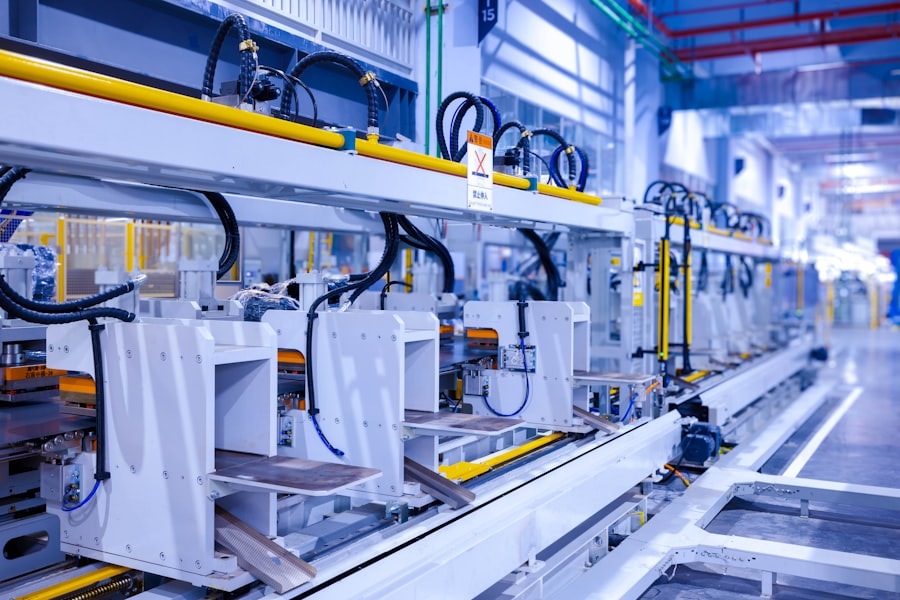
The ambiguity surrounding the “Biological Vessels” extends to their intended purpose. Theories range from the utilitarian to the profoundly unsettling, reflecting various anxieties about unchecked technological advancement and the dehumanization of life. The absence of benevolent motivations in these speculations is noteworthy, lending a darker tone to the entire concept.
Labor and Specialized Task Performance
One common theory suggests that these vessels are designed for arduous or dangerous labor. Their physical attributes could be engineered for extreme strength, resilience, or tolerance to harsh environments, making them ideal for tasks deemed too risky or demanding for human workers. This paints a picture of a labor force entirely divorced from human rights or agency.
Environmental Adaptation
If intended for extraterrestrial environments or hazardous terrestrial locations, these vessels would require specialized adaptations. This could include enhanced radiation resistance, oxygen independence, or specialized sensory organs suited to alien atmospheres or extreme conditions.
Durability and Resilience Engineering
For dangerous work, materials science and biological engineering would likely focus on creating robust structures. This might involve enhanced bone density, tougher skin, or organs capable of withstanding significant physical trauma.
Biological Research Subjects
Another disturbing possibility is that these vessels are created as expendable subjects for biological and medical research. Their engineered nature would allow for controlled experimentation, free from the ethical constraints that would apply to human volunteers or even animal subjects.
Disease Modeling and Testing
If designed with specific genetic vulnerabilities or predispositions, these vessels could serve as ideal models for studying diseases and testing the efficacy of new treatments or vaccines without risking human lives.
Physiological Studies
Their engineered physiology would also allow for in-depth studies of biological processes, perhaps in conditions that are difficult to replicate or ethically induce in natural organisms. This could involve studying stress responses, organ function under extreme duress, or the effects of novel biological agents.
Interfacing with Technology and Alien Systems
A more speculative, yet prevalent, theory posits that these vessels are designed to interface with advanced technology, potentially including alien systems. This suggests a role as intermediaries, conduits, or specialized controllers for complex machinery or extraterrestrial interfaces.
Neural Integration and Control Systems
The vessels might possess unique neural architectures designed for seamless integration with sophisticated computer systems or alien constructs. This could involve bio-integrated circuitry or specialized sensory inputs that translate complex data into actionable commands.
Data Processing and Relay Functions
Their engineered biology could be capable of processing and relaying vast amounts of data, serving as organic data storage or transmission nodes in environments where conventional technology might fail or be insecure.
Ethical and Philosophical Implications: A Terra Incognita
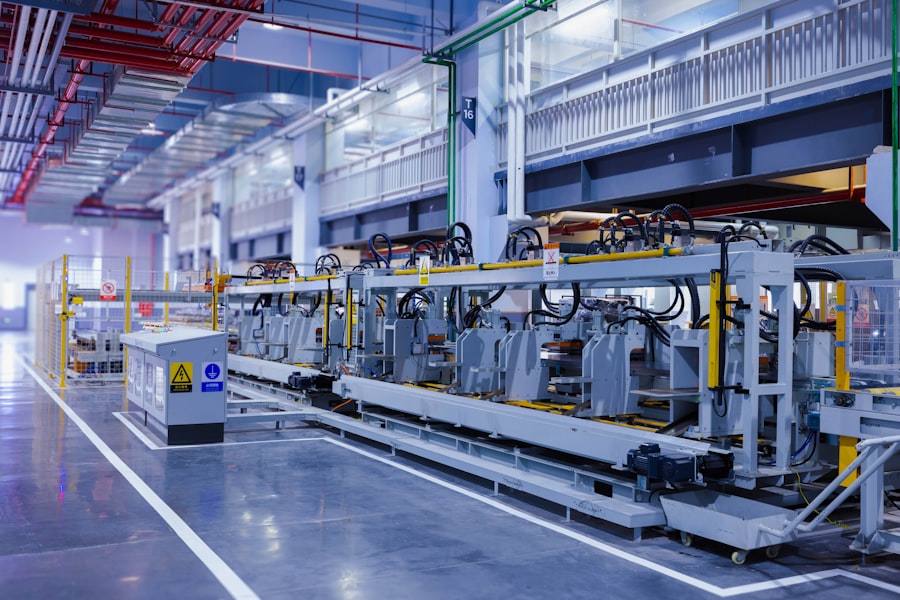
The concept of “Area 52’s Human Assembly Line: Biological Vessels” plunges into deeply uncomfortable ethical and philosophical territory. The mere contemplation of such a practice raises fundamental questions about the nature of humanity, consciousness, and the boundaries of scientific responsibility. These are not merely academic debates; they touch upon the very definition of what it means to be alive and the moral obligations that accompany the power to create or manipulate life.
The Definition of Personhood
If “Biological Vessels” are manufactured for specific purposes, without the capacity for independent thought, emotion, or self-awareness (as we understand it), do they qualify for personhood? This question challenges traditional definitions that often rely on sentience, consciousness, or the capacity for suffering. The very existence of such entities would force a societal re-evaluation of these fundamental concepts.
Consciousness and Sentience
The lack of inherent consciousness and sentience is a key characteristic that distinguishes these hypothetical vessels from natural-born humans. Without these qualities, their status shifts from that of an individual being to that of a sophisticated tool, raising ethical alarm bells regarding their creation and treatment.
Moral Status of Artificial Life
The development of artificial life forms, even those lacking higher cognitive functions, necessitates a consideration of their moral status. At what point does an engineered biological entity acquire rights or protections? The absence of such considerations in the current narrative is a significant source of its unsettling nature.
The Slippery Slope Argument
The creation of “Biological Vessels” for utilitarian purposes can be seen as a manifestation of the “slippery slope” argument. If humanity is willing to engineer life for specific, non-sentient roles, where does that road end? The potential for further manipulation, for creating beings with diminished capacities or for exploiting them for increasingly base purposes, is a chilling prospect.
Dehumanization of Labor
The replacement of human workers with engineered beings, even for the most dangerous or repetitive tasks, carries the significant risk of devaluing human labor and potentially leading to mass unemployment or a redefined social hierarchy.
Exploitation and Control
The very design of these vessels, intended for specific functions and potentially lacking independent will, opens the door to their perpetual exploitation and control. This raises concerns about a future where life is manufactured for subjugation rather than emancipation.
The Nature of Creation and Control
The ability to engineer life on such a fundamental level shifts the paradigm of creation from a natural, often serendipitous process to a deliberate, controlled act of manufacture. This level of control raises profound questions about human hubris and the responsibility that comes with wielding such immense power.
Playing God?
The concept of creating “Biological Vessels” invokes the age-old theological and philosophical debate about humanity “playing God.” It questions whether humans should possess the power to create life in ways that mimic or supersede natural processes.
Unforeseen Consequences
The history of technological advancement is replete with examples of unforeseen consequences. The creation of artificial biological entities, with their complex and potentially unpredictable interactions, carries an enormous risk of unintended outcomes, both for the vessels themselves and for the wider ecosystem.
The concept of the Area 52 human assembly line for biological vessels has sparked significant interest in the realm of speculative science and conspiracy theories. For those intrigued by the implications of such advanced technologies, a related article can provide further insights into the mysteries surrounding this topic. You can explore more about these fascinating theories and their potential ramifications in the article found here. This exploration not only delves into the mechanics of biological engineering but also raises questions about the ethical considerations of such innovations.
The Search for Evidence: Unveiling the Shadow
| Metrics | Values |
|---|---|
| Production Capacity | 100 biological vessels per hour |
| Quality Control Rate | 99.5% |
| Number of Assembly Lines | 5 |
| Average Assembly Time | 10 minutes per vessel |
Despite the pervasive nature of the speculation surrounding “Area 52’s Human Assembly Line: Biological Vessels,” concrete, verifiable evidence remains elusive. The very nature of such alleged operations dictates extreme secrecy, making empirical investigation exceptionally challenging. However, proponents of these theories often point to indirect indicators and patterns as potential, albeit circumstantial, evidence.
Anomalous Scientific Publications and Patents
Some researchers and enthusiasts pore over declassified scientific papers and obscure patent applications, searching for anomalies or hints of technology that might align with the “Biological Vessel” narrative. This involves scrutinizing research in fields like synthetic biology, advanced genetics, and artificial organ development.
Unexplained Research Funding
The disbursement of unexplained or unusually large sums of government funding towards seemingly esoteric research projects is often cited as a potential indicator of clandestine activities of this magnitude.
Interdisciplinary Breakthroughs
Rapid and seemingly inexplicable breakthroughs in fields that would be crucial for such an endeavor, such as rapid organ regeneration or highly accelerated gestation, are sometimes interpreted as evidence of covert research.
Whistleblower Accounts and Leaked Documents
Occasionally, individuals claiming to have insider knowledge emerge, offering testimonies or allegedly leaked documents. These accounts, while often sensationalized, form a significant part of the lore, fueling further investigation and public discourse.
The Credibility Dilemma
The challenge with whistleblower accounts is their inherent lack of independent verification. The motivations of whistleblowers can vary, and the information they provide often exists in a gray area of plausibility, making it difficult to discern truth from fabrication.
The Nature of “Leaked” Information
Documents that surface and are subsequently classified, or dismissed as forgeries, can also contribute to the mystique. The pattern of information suppression is often interpreted by believers as confirmation of its sensitive nature.
Unexplained Biological Phenomena and Incidents
Certain unexplained biological phenomena or historical incidents are sometimes retroactively fitted into the “Biological Vessel” narrative. This involves reinterpreting events through the lens of the conspiracy theory.
Unidentified Organisms and Anomalies
Reports of unusual or unclassifiable biological specimens, or unexplained biological anomalies, can be attributed to failures or escapes from such an assembly line.
Tragic or Unexplained Disappearances
In some extreme interpretations, unexplained disappearances of individuals are speculated to be related to their forceful acquisition as raw material for the “assembly line.”
Conclusion: The Enduring Power of the Unknown
The narrative of “Area 52’s Human Assembly Line: Biological Vessels” represents a potent confluence of anxieties surrounding technological advancement, governmental secrecy, and the unknown boundaries of life itself. While lacking concrete evidence, the story endures because it taps into deeply ingrained human fears and curiosities. The concept forces a confrontation with the ethical implications of scientific progress and the potential for humanity to venture into uncharted and morally ambiguous territories. Until verifiable information emerges, the “Human Assembly Line” will likely remain a chilling testament to the power of speculation and the enduring mystery of what might lie concealed within the deepest shadows of scientific pursuit.
FAQs
What is Area 52’s human assembly line for biological vessels?
Area 52’s human assembly line for biological vessels is a top-secret facility where human bodies are assembled and modified for various purposes, such as scientific research and military applications.
How does the human assembly line work?
The human assembly line at Area 52 involves advanced genetic engineering and bio-manipulation techniques to create customized biological vessels with specific traits and capabilities.
What are the potential uses of these biological vessels?
The biological vessels created at Area 52 can be used for a variety of purposes, including medical research, space exploration, and defense initiatives. They may also be utilized in experimental projects and classified operations.
What ethical considerations are involved in the creation of biological vessels?
The creation of biological vessels raises significant ethical concerns, including issues related to consent, autonomy, and the potential exploitation of human genetic material. The ethical implications of this technology are a subject of ongoing debate and scrutiny.
What is the current status of public knowledge about Area 52’s human assembly line?
Information about Area 52’s human assembly line for biological vessels is highly classified, and the facility’s existence has not been officially acknowledged by any government or military authority. As a result, public knowledge about the facility is limited, and much of the information available is speculative or based on unverified claims.