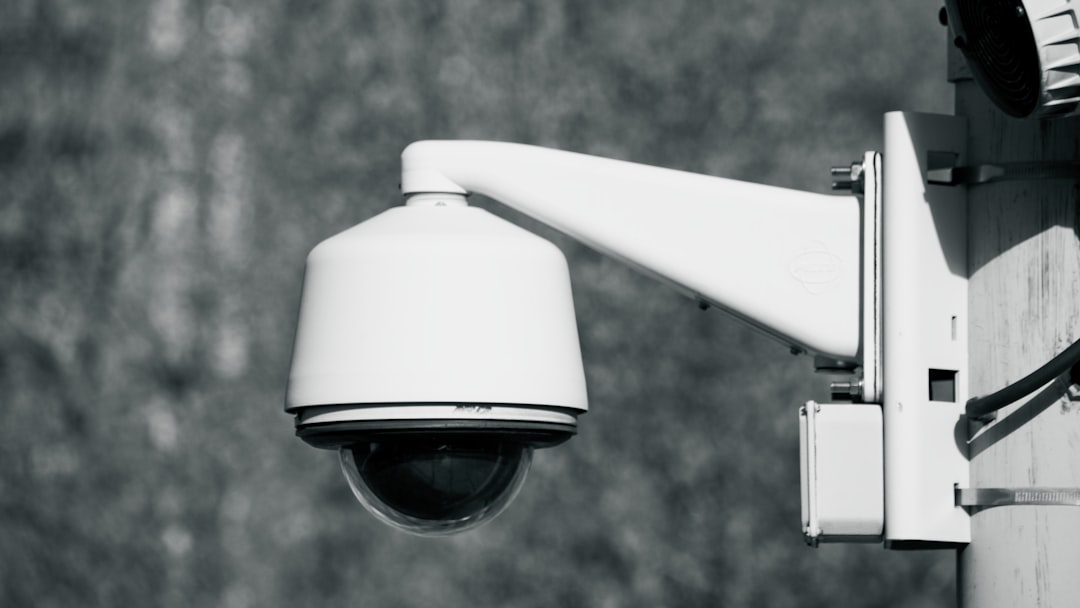
Insider risk programs have become essential components of organizational security strategies as companies face increasing threats from within their workforce. Internal threats encompass unauthorized data access, intellectual property theft, fraud, and deliberate sabotage by employees, contractors, or business partners. These incidents result in measurable financial losses, regulatory penalties, and damage to organizational reputation.
Research indicates that insider threats account for a significant percentage of security incidents across industries. Unlike external attacks, insider threats leverage legitimate access credentials and knowledge of internal systems, making detection more challenging. Common risk factors include employees with access to sensitive data, individuals experiencing financial stress, workers facing disciplinary action, and personnel in positions of elevated trust.
Effective insider risk programs integrate multiple components: continuous monitoring of user activities, behavioral analytics to identify anomalous patterns, regular risk assessments of personnel with privileged access, and structured incident response protocols. These programs utilize data from various sources including network logs, email communications, file access records, and human resources information to establish baseline behaviors and detect deviations. Implementation requires collaboration between security teams, human resources, legal departments, and business units to ensure compliance with privacy regulations and employment laws.
Organizations typically establish clear policies regarding acceptable use of systems, implement technical controls such as data loss prevention tools, and provide regular training to employees about security responsibilities and reporting procedures. The effectiveness of insider risk programs depends on balancing security objectives with employee privacy rights and maintaining organizational culture.
Key Takeaways
- Insider risk programs are essential for protecting organizations but must consider employee wellness.
- Surveillance plays a key role in managing insider risks but raises privacy and ethical concerns.
- Balancing security measures with respect for employee privacy helps maintain trust and morale.
- Transparent communication and support systems are crucial when implementing surveillance practices.
- Continuous monitoring and evaluation ensure insider risk programs effectively balance security and employee well-being.
Understanding Employee Wellness in the Workplace
Employee wellness has emerged as a pivotal aspect of modern organizational culture. It encompasses not only physical health but also mental and emotional well-being. A healthy workforce is more productive, engaged, and loyal, which ultimately contributes to the overall success of the organization.
Understanding the multifaceted nature of employee wellness is crucial for employers seeking to create an environment that nurtures their staff’s well-being. To foster employee wellness, organizations must recognize the various factors that influence it. These include work-life balance, access to mental health resources, and opportunities for professional development.
By prioritizing wellness initiatives, companies can reduce stress levels, enhance job satisfaction, and improve retention rates. Furthermore, a focus on employee wellness can lead to a more positive workplace culture, where individuals feel valued and supported in their personal and professional endeavors.
The Role of Surveillance in Insider Risk Programs

Surveillance plays a significant role in the effectiveness of insider risk programs. By monitoring employee behavior and activities, organizations can identify potential threats before they materialize. This proactive approach allows companies to address issues early on, minimizing the risk of data breaches or other malicious actions.
Surveillance can take many forms, including digital monitoring of communications, access control systems, and even physical security measures. However, the implementation of surveillance must be approached with caution. While it serves as a valuable tool for identifying insider threats, it can also raise concerns about privacy and trust among employees.
Striking the right balance between security and individual rights is essential for maintaining a healthy workplace environment. Organizations must ensure that their surveillance practices are transparent and justified, fostering a sense of security rather than fear among employees.
Balancing Insider Risk Programs with Employee Privacy
The challenge of balancing insider risk programs with employee privacy is a delicate one. On one hand, organizations have a responsibility to protect their assets and sensitive information from potential threats. On the other hand, employees have a right to privacy and autonomy in their work environment.
This tension can create an atmosphere of distrust if not managed properly. To navigate this complex landscape, organizations should adopt a transparent approach to their insider risk programs. Clear communication about the purpose and scope of surveillance measures can help alleviate employee concerns.
Additionally, involving employees in discussions about privacy policies can foster a sense of ownership and collaboration. By prioritizing both security and privacy, organizations can create a more harmonious workplace where employees feel safe and respected.
Implementing Ethical and Legal Surveillance Practices
| Metric | Description | Typical Value / Range | Relevance to Insider Risk Programs |
|---|---|---|---|
| Employee Monitoring Coverage | Percentage of employees under surveillance tools (e.g., email, chat, file access) | 60% – 90% | Higher coverage increases detection of insider threats but may impact trust and wellness |
| False Positive Rate | Percentage of alerts generated that do not indicate actual insider risk | 5% – 20% | Lower false positives reduce unnecessary investigations and employee stress |
| Employee Wellness Score | Aggregate score from wellness surveys measuring stress, satisfaction, and engagement | 70 – 85 (out of 100) | Higher wellness correlates with reduced insider risk and better compliance |
| Incident Response Time | Average time to detect and respond to insider risk incidents | 2 – 24 hours | Faster response limits damage and improves program effectiveness |
| Employee Training Completion Rate | Percentage of employees completing insider risk and security awareness training | 80% – 100% | Higher completion rates improve risk awareness and reduce insider threats |
| Wellness Program Participation | Percentage of employees actively participating in wellness initiatives | 40% – 70% | Participation supports mental health, reducing risk factors for insider threats |
| Data Access Anomalies Detected | Number of unusual data access events flagged per month | 10 – 100 | Helps identify potential insider misuse or data exfiltration attempts |
Implementing ethical and legal surveillance practices is paramount for organizations seeking to protect their interests while respecting employee rights. Companies must adhere to relevant laws and regulations governing workplace surveillance to avoid legal repercussions and maintain their reputation. This includes understanding the legal boundaries of monitoring employee communications and activities.
Ethical considerations also play a crucial role in shaping surveillance practices. Organizations should strive to implement measures that are fair and proportionate to the risks they face. This may involve conducting regular assessments of surveillance practices to ensure they align with ethical standards and employee expectations.
By prioritizing ethical surveillance, companies can build trust with their workforce while effectively managing insider risks.
The Impact of Surveillance on Employee Trust and Morale

The implementation of surveillance measures can significantly impact employee trust and morale within an organization. While some employees may understand the necessity of monitoring for security reasons, others may feel uncomfortable or even violated by such practices. This discomfort can lead to decreased morale, increased stress levels, and ultimately lower productivity.
To mitigate these negative effects, organizations must prioritize open communication about surveillance practices. By explaining the rationale behind monitoring efforts and involving employees in discussions about privacy policies, companies can foster a sense of trust and transparency. Additionally, organizations should be mindful of how surveillance is perceived by employees and strive to create an environment where individuals feel valued and respected despite the presence of monitoring measures.
Strategies for Maintaining Employee Wellness in a Surveillance Environment
Maintaining employee wellness in a surveillance environment requires thoughtful strategies that prioritize both security and well-being. Organizations can implement wellness programs that focus on mental health support, stress management resources, and opportunities for professional development. By providing employees with tools to manage their well-being, companies can help alleviate some of the anxiety associated with surveillance.
Furthermore, fostering a culture of support is essential in this context. Encouraging open dialogue about employee concerns related to surveillance can help create an environment where individuals feel comfortable expressing their feelings. Regular check-ins with employees can also provide valuable insights into their experiences and perceptions regarding monitoring practices.
By prioritizing wellness initiatives alongside surveillance efforts, organizations can create a more balanced workplace that values both security and employee well-being.
Creating a Culture of Transparency and Communication
Creating a culture of transparency and communication is vital for organizations navigating the complexities of insider risk programs and surveillance practices. Open dialogue fosters trust among employees and management, allowing individuals to voice their concerns without fear of retribution. This culture encourages collaboration in addressing potential risks while ensuring that employees feel heard and valued.
To cultivate this culture, organizations should establish clear channels for communication regarding surveillance policies and practices. Regular training sessions can help educate employees about the purpose of monitoring efforts while providing them with an opportunity to ask questions or express concerns. Additionally, leadership should model transparency by sharing information about how surveillance data is used to enhance security without compromising individual rights.
Providing Support for Employees Under Surveillance
Providing support for employees under surveillance is essential for maintaining morale and trust within an organization. Employees may experience anxiety or discomfort knowing they are being monitored, which can impact their overall well-being and productivity. Organizations should take proactive steps to address these concerns by offering resources that promote mental health and emotional support.
One effective approach is to establish confidential channels for employees to discuss their feelings about surveillance without fear of judgment or repercussions. Access to counseling services or employee assistance programs can also provide valuable support for those struggling with the implications of monitoring practices. By demonstrating a commitment to employee well-being, organizations can help alleviate concerns related to surveillance while fostering a more positive workplace environment.
Monitoring and Evaluating the Effectiveness of Insider Risk Programs
Monitoring and evaluating the effectiveness of insider risk programs is crucial for ensuring they meet organizational goals while addressing potential threats effectively. Regular assessments allow companies to identify areas for improvement and adapt their strategies based on emerging risks or changing circumstances. This iterative process helps organizations stay ahead of potential insider threats while maintaining a focus on employee well-being.
Key performance indicators (KPIs) can be established to measure the success of insider risk programs. These may include metrics related to incident response times, employee engagement levels, or feedback on surveillance practices. By analyzing this data regularly, organizations can make informed decisions about adjustments needed in their programs while ensuring they remain aligned with both security objectives and employee wellness initiatives.
Finding the Right Balance Between Security and Wellness
Finding the right balance between security and wellness is an ongoing challenge for organizations implementing insider risk programs. While protecting sensitive information is paramount, it should not come at the expense of employee well-being or trust. Striking this balance requires thoughtful consideration of both security measures and their impact on workplace culture.
Organizations must prioritize open communication with employees regarding security practices while actively seeking feedback on how these measures affect their well-being. By fostering an environment where individuals feel valued and respected despite monitoring efforts, companies can create a culture that embraces both security and wellness as integral components of organizational success. Ultimately, achieving this balance will lead to a more resilient workforce capable of navigating the complexities of today’s business landscape while safeguarding against insider threats.
In today’s corporate environment, the balance between employee surveillance and wellness is increasingly critical, especially as organizations implement insider risk programs. A related article that delves into the implications of these programs on employee well-being can be found at this link. It explores how companies can effectively monitor insider threats while fostering a supportive workplace culture that prioritizes mental health and employee satisfaction.
FAQs
What is an insider risk program?
An insider risk program is a structured approach within an organization designed to identify, assess, and mitigate risks posed by employees or other insiders who might intentionally or unintentionally cause harm to the company’s assets, data, or reputation.
How does employee surveillance relate to insider risk programs?
Employee surveillance involves monitoring employee activities, such as computer usage, communications, and behavior patterns, to detect potential insider threats. It is often a component of insider risk programs aimed at preventing data breaches, fraud, or other malicious activities.
What types of employee surveillance are commonly used in insider risk programs?
Common types of employee surveillance include monitoring emails, internet usage, file access, keystroke logging, video surveillance, and behavioral analytics. These methods help organizations identify unusual or risky behavior that could indicate insider threats.
Are there privacy concerns with employee surveillance?
Yes, employee surveillance raises privacy concerns. Organizations must balance security needs with respecting employee privacy rights, comply with legal regulations, and ensure transparency about monitoring practices to maintain trust and avoid legal issues.
How can wellness programs support insider risk management?
Wellness programs can reduce insider risk by promoting employee well-being, reducing stress, and improving job satisfaction. Healthy and engaged employees are less likely to engage in risky or malicious behavior, thereby supporting overall risk mitigation efforts.
Is employee consent required for surveillance in insider risk programs?
Requirements vary by jurisdiction, but generally, organizations should inform employees about surveillance practices and obtain consent where legally required. Transparency helps ensure compliance with labor laws and fosters a culture of trust.
What are the benefits of integrating wellness initiatives with insider risk programs?
Integrating wellness initiatives can improve employee morale, reduce burnout, and decrease the likelihood of insider threats caused by dissatisfaction or personal issues. This holistic approach enhances both security and workplace culture.
Can insider risk programs detect unintentional threats?
Yes, insider risk programs aim to identify both intentional and unintentional threats, such as accidental data leaks or negligent behavior, by monitoring activities and providing training to reduce human error.
How do organizations ensure ethical use of employee surveillance?
Organizations establish clear policies, limit monitoring to work-related activities, ensure data security, and involve legal and HR teams to oversee ethical practices. Regular audits and employee communication also help maintain ethical standards.
What role does training play in insider risk programs?
Training educates employees about security policies, potential risks, and safe behaviors. It helps create awareness, reduces risky actions, and encourages reporting of suspicious activities, thereby strengthening the effectiveness of insider risk programs.