
Biological Compilation vs. Alien Crash Retrieval: A Comparative Analysis
The study of the unknown, particularly concerning potential extraterrestrial life and technology, often diverges into two distinct, yet sometimes overlapping, investigative pathways: biological compilation and alien crash retrieval. While both aim to understand phenomena beyond current human scientific paradigms, their methodologies, evidence bases, and inherent challenges differ significantly. This article offers a comparative analysis of these two approaches, exploring their core tenets, the types of evidence they seek, the hurdles they face, and their respective contributions to our understanding of the universe and our place within it.
Biological compilation, in the context of this analysis, refers to the scientific investigation and compilation of biological evidence that suggests the existence of life beyond Earth. This encompasses a broad range of scientific disciplines, from astrobiology to paleontology, and is characterized by its reliance on established scientific principles and verifiable data. It is a systematic process of gathering, analyzing, and integrating biological information from diverse sources to build a comprehensive picture of the potential distribution and nature of life in the cosmos.
Astrobiology and the Search for Exoplanetary Life
Astrobiology stands as the primary scientific discipline driving biological compilation. This field seeks to understand the origin, evolution, distribution, and future of life in the universe. Researchers in astrobiology employ a multi-pronged approach, utilizing observations from telescopes, data from space probes, and laboratory experiments to search for biosignatures on other celestial bodies. This involves identifying the chemical, geological, and atmospheric conditions that could support life as we know it, or perhaps life that is fundamentally different.
Biosignatures: The Hallmarks of Life
The identification of biosignatures is central to astrobiological research. These are substances, patterns, or phenomena that provide evidence of past or present life. On Earth, examples include fossilized microorganisms, organic molecules like amino acids and nucleotides, and specific isotopic ratios in geological formations. For extraterrestrial targets, scientists look for analogous indicators. This might involve detecting gases in the exoplanet atmosphere that are produced by biological processes (e.g., oxygen and methane in disequilibrium), evidence of microbial metabolism from surface or subsurface samples, or patterns in geological formations that are indicative of biological activity.
Habitable Zones and the Conditions for Life
A key concept in astrobiology is the “habitable zone,” the region around a star where a planet could possess liquid water on its surface. While initially focused on liquid water, the definition of habitability has expanded to include other solvents and energy sources that could sustain life. The compilation of data on exoplanet atmospheres, surface compositions, and geological histories from missions like Kepler and the James Webb Space Telescope is crucial for identifying potentially habitable worlds, providing targets for future in-situ exploration.
Paleontological and Fossil Evidence
Beyond active life detection, biological compilation also draws heavily from the study of life’s history on Earth. The fossil record provides irrefutable evidence of past life, demonstrating the evolutionary processes that have shaped biodiversity over billions of years. By understanding the conditions under which life arose and diversified on our own planet, scientists can extrapolate and refine their search strategies for extraterrestrial life. This includes studying extremophiles – organisms that thrive in harsh environments on Earth – as analogues for potential life in extreme extraterrestrial settings, such as the subsurface oceans of icy moons.
The Limits of Earth-Based Analogues
While Earth-based analogues are invaluable, it is important to acknowledge their limitations. Life beyond Earth may have evolved under vastly different conditions and may be based on entirely different biochemistry. Therefore, while studying extremophiles provides a foundation, it is crucial to remain open to forms of life that may defy current biological understanding. The compilation of evidence must therefore be flexible and adaptable, prepared to incorporate novel findings.
Genomic and Molecular Investigations
Modern biological compilation increasingly involves genomic and molecular investigations. The discovery of DNA and RNA as the universal genetic material on Earth has provided a framework for understanding the fundamental building blocks of life. Research into the origins of life on Earth, including the study of abiogenesis and pre-biotic chemistry, informs the search for life elsewhere. Similarly, the compilation of data on the chemical composition of extraterrestrial environments, such as meteorites, can reveal pre-biotic organic molecules, hinting at the fundamental ingredients for life.
In the ongoing debate surrounding the origins of unidentified aerial phenomena, a fascinating article titled “The Intersection of Biological Compilation and Alien Crash Retrieval” explores the implications of both theories in understanding extraterrestrial encounters. This piece delves into the nuances of biological evidence collected from alleged crash sites and how it contrasts with the narratives of alien technology recovery. For more insights on this intriguing topic, you can read the full article at XFile Findings.
Exploring Alien Crash Retrieval
Alien crash retrieval, a concept largely residing in the realm of Ufology and speculative investigation, posits the existence of deliberately recovered extraterrestrial spacecraft and associated biological materials following alleged crashes on Earth. Unlike biological compilation, this approach does not operate predominantly within established scientific institutions and often relies on anecdotal evidence, leaked documents, and alleged eyewitness testimonies. The evidence sought is not derived from remote sensing or laboratory-based analysis of known scientific principles, but rather from purported direct interaction with anomalous artifacts and potential biological specimens.
The Unidentified Aerial Phenomenon (UAP) Context
The discussion of alien crash retrieval is inextricably linked to the broader phenomenon of Unidentified Aerial Phenomena (UAP), formerly known as UFOs. Proponents of crash retrieval theories often cite sightings of advanced, non-terrestrial craft as evidence of extraterrestrial visitation, leading to the hypothesis that some of these craft may have crashed or been brought down. The compilation of such sightings, often anecdotal and lacking rigorous scientific verification, forms the initial bedrock for crash retrieval narratives.
Witness Testimony and Anecdotal Evidence
A significant portion of the evidence presented in favor of alien crash retrieval scenarios comes from eyewitness testimonies. These accounts, often from military personnel, pilots, or civilian observers, describe encounters with objects exhibiting capabilities far beyond known human technology. While individual testimonies can be compelling, their subjective nature and susceptibility to misinterpretation, psychological factors, or even deliberate fabrication present significant challenges to their scientific validation. The compilation of these accounts often involves cross-referencing and seeking corroboration, but the inherent limitations of anecdotal data remain.
Alleged Government Cover-ups and Leaks
A recurring theme in alien crash retrieval narratives is the alleged involvement of governments in concealing evidence of extraterrestrial technology and life. This is often presented as the reason why direct scientific study of alleged crashes is not publicly accessible. Compilers of this evidence often focus on declassified documents, whistle-blower testimonies, and purportedly leaked information from intelligence agencies or military organizations. The veracity of these leaks and the interpretation of declassified documents are frequently subject to intense debate and scrutiny.
The Nature of Recovered Artifacts
The core of alien crash retrieval claims revolves around the supposed recovery of advanced artifacts from crashed alien vehicles. These artifacts are often described as possessing materials and
engineering principles that are inexplicable by current human science and technology. The compilation of such claims involves cataloging descriptions of these purported artifacts, their alleged properties, and the supposed efforts to reverse-engineer them.
Materials Science and Unconventional Engineering
Descriptions of alleged alien artifacts frequently highlight the use of unidentifiable materials with exceptional strength, resilience, or other anomalous physical properties. Proponents may point to purported metallic alloys or synthesized substances that defy known scientific classifications. The engineering principles involved are also said to be revolutionary, potentially involving propulsion systems, energy generation, or gravitational manipulation far beyond human capabilities. The compilation of such claims often involves presenting these descriptions as evidence of advanced extraterrestrial technology.
Biological Material and Autopsy Narratives
In some narratives, crash retrieval scenarios include the alleged recovery of alien biological material. This can range from trace biological traces to purported alien bodies. The compilation of such claims often involves accounts of alleged autopsies performed on these beings, providing descriptions of their unique physiology and anatomy. These accounts are generally speculative and lack verifiable scientific data.
Methodological Divergences
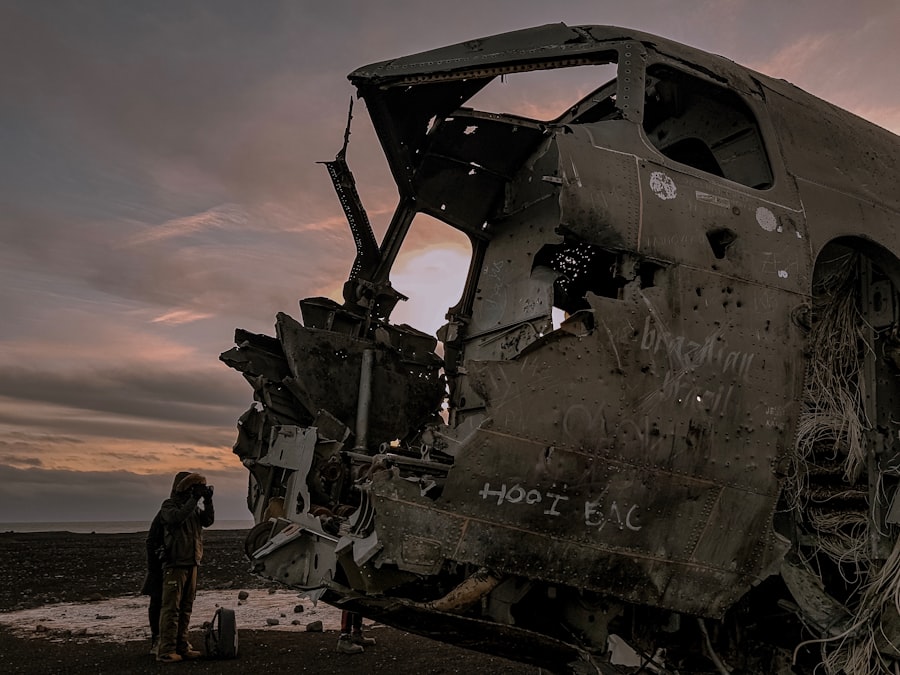
The fundamental differences in methodology between biological compilation and alien crash retrieval are stark and represent a crucial point of divergence in their pursuit of understanding extraterrestrial life.
Empirical vs. Anomalous Evidence
Biological compilation is rooted in the empirical collection and analysis of verifiable data. It employs the scientific method, with its emphasis on hypothesis testing, experimentation, and peer review. The evidence is sought through observation, measurement, and repeatable experiments. In contrast, alien crash retrieval largely relies on what can be termed “anomalous evidence.” This evidence, by its very definition, falls outside current scientific understanding and often lacks the rigorous verifiability required for scientific acceptance.
The Scientific Method’s Role
The scientific method is the bedrock of biological compilation. Hypotheses about the existence and nature of extraterrestrial life are formulated based on existing knowledge and then tested through observation and experimentation. Data is collected, analyzed statistically, and subjected to scrutiny by the scientific community. Anomalies are investigated, but within the framework of established scientific principles, seeking explanations that are consistent with known physics and chemistry.
The Challenge of Vetting Anomalous Claims
Vetting anomalous claims, as is central to crash retrieval narratives, presents a significant challenge. Without a framework of established scientific principles to evaluate them, such claims are highly susceptible to subjective interpretation, misidentification, or fabrication. The lack of a controlled, repeatable methodology makes it difficult to distinguish genuine anomalies from mundane explanations, hoaxes, or psychological phenomena.
The Role of Scientific Institutions
Established scientific institutions, such as universities, research organizations, and space agencies, are the primary engines of biological compilation. These bodies provide the infrastructure, funding, and expertise necessary for rigorous scientific inquiry. Their methodologies are standardized, and their findings are disseminated through peer-reviewed journals and scientific conferences.
Institutional Skepticism and Objectivity
While scientific institutions are not inherently opposed to the idea of extraterrestrial life, they maintain a high bar for evidence. This institutional skepticism is not a dismissal but rather a commitment to scientific rigor. Claims of alien crash retrievals, which often originate outside of these institutions and rely on unverified evidence, are generally met with a degree of skepticism until concrete, verifiable evidence can be presented and subjected to the standard scientific review process.
Evidence Interpretation and Openness
Biological compilation emphasizes a cautious and evidence-based interpretation of data. When encountering novel biological phenomena, scientists strive for the simplest explanation that fits the data, while remaining open to the possibility of new discoveries. The interpretation of anomalies is guided by the principle of parsimony (Occam’s Razor).
The Burden of Proof
In alien crash retrieval narratives, the burden of proof often seems to be inverted, with proponents suggesting that the absence of evidence of government denial is itself evidence of a cover-up. In scientific inquiry, however, the burden of proof lies with the claimant. Extraordinary claims require extraordinary evidence, and this evidence must be presented openly and be subject to rigorous examination.
Challenges and Limitations

Both biological compilation and alien crash retrieval face significant challenges, though the nature of these challenges differs considerably.
Challenges in Biological Compilation
The primary challenges in biological compilation are scientific and logistical. The vastness of space makes direct observation and sampling incredibly difficult and expensive. The detection of subtle biosignatures in the immense distances of exoplanetary atmospheres requires highly sensitive instrumentation and sophisticated data analysis.
The Tyranny of Distance and Scale
The sheer scale of the universe presents an immense hurdle for biological compilation. Even the closest stars are light-years away, making direct exploration challenging and prohibitively expensive. While remote sensing provides valuable data, it offers a limited perspective. The compilation of evidence from such vast distances requires the development of increasingly sophisticated observational techniques and theoretical models.
Distinguishing Biosignatures from Abiotic Processes
A significant scientific challenge is the potential for misinterpreting abiotic (non-biological) processes as biosignatures. For example, gases in an exoplanet’s atmosphere might be produced by geological activity rather than biological metabolism. Researchers must develop robust methods to distinguish between these possibilities, requiring a deep understanding of planetary science and atmospheric chemistry.
Challenges in Alien Crash Retrieval
The challenges for alien crash retrieval are primarily epistemological and evidentiary. The lack of verifiable, publicly accessible evidence hinders any scientific investigation. The reliance on anecdotal accounts and alleged leaks makes the claims inherently difficult to scrutinize and validate.
The Problem of Verifiability
The most significant challenge for alien crash retrieval is the fundamental lack of verifiable evidence. Without tangible artifacts that can be subjected to independent scientific analysis, the claims remain speculative. Eyewitness accounts, while sometimes compelling, are not sufficient for scientific proof. The alleged secrecy surrounding these events, while a core part of the narrative, also serves to prevent scientific scrutiny.
The Potential for Misinformation and Hoaxes
The lack of rigorous vetting in narratives of alien crash retrieval leaves them vulnerable to misinformation and deliberate hoaxes. The allure of the unknown can attract individuals who may intentionally fabricate evidence or disseminate false information. Distinguishing genuine anomalies from deliberate deception is a persistent challenge.
The ongoing debate surrounding biological compilation versus alien crash retrieval has captivated both scientists and enthusiasts alike. A fascinating article that delves deeper into the implications of these theories can be found at XFile Findings. This piece explores the potential evidence supporting each perspective, shedding light on how these concepts intersect with our understanding of extraterrestrial life and technology. As researchers continue to investigate these phenomena, the discussions surrounding them become increasingly complex and intriguing.
Contributions and Potential Insights
| Category | Biological Compilation | Alien Crash Retrieval |
|---|---|---|
| Research | Extensive study of Earth’s biological organisms | Examination of extraterrestrial life forms |
| Impact | Understanding of ecosystems and biodiversity | Potential advancement in technology and science |
| Controversy | Ethical concerns in genetic manipulation | Debate over government secrecy and disclosure |
| Public Interest | Interest in conservation and environmental protection | Fascination with the possibility of extraterrestrial life |
Despite their divergent methodologies, both biological compilation and alien crash retrieval have the potential to contribute to our understanding of the universe and humanity’s place within it, albeit in very different ways.
Contributions of Biological Compilation
Biological compilation, as a scientifically rigorous endeavor, has already made significant contributions to our understanding of astrobiology. It has expanded our definitions of habitability, identified potential targets for life detection, and deepened our understanding of the conditions under which life can arise and persist.
Expanding Our Cosmic Perspective
The ongoing compilation of data through astronomical observation and space exploration actively expands our cosmic perspective. It reveals the sheer diversity of planets and moons within our galaxy, suggesting that the conditions for life may be more prevalent than previously imagined. This compilation fosters a sense of wonder and humility about our place in the vast universe.
Informing Future Exploration
The knowledge gained through biological compilation directly informs future space exploration missions. By identifying potentially habitable worlds and understanding the biosignatures we should be looking for, scientists can design more targeted and effective missions, increasing the likelihood of discovering extraterrestrial life.
Potential Insights from Alien Crash Retrieval (Hypothetical)
Hypothetically, if concrete, verifiable evidence of alien crash retrieval were to emerge and withstand rigorous scientific scrutiny, the insights could be revolutionary. Such a discovery would not only confirm the existence of extraterrestrial intelligence but also provide unprecedented access to alien technology and biology.
Technological and Biological Revelations
The direct study of recovered alien technology could lead to paradigm-shifting advancements in human science and engineering. Understanding an alien biology could revolutionize our understanding of life itself, potentially offering new insights into medicine, genetics, and evolution. However, this remains within the realm of pure speculation without verifiable evidence.
Philosophical and Societal Impact
The confirmation of extraterrestrial visitation through crash retrieval would have profound philosophical and societal implications. It would necessitate a re-evaluation of humanity’s uniqueness and place in the cosmos, potentially leading to global shifts in perspective and understanding. This, however, is entirely contingent on the existence and irrefutable proof of such events.
Conclusion
Biological compilation and alien crash retrieval represent two fundamentally different approaches to investigating the possibility of extraterrestrial life and technology. Biological compilation, grounded in the scientific method and empirical evidence, steadily advances our understanding of astrobiology and the likelihood of life beyond Earth through meticulous data collection and analysis. Its progress is incremental but scientifically sound.
Alien crash retrieval, on the other hand, operates in a realm of speculative claims and anecdotal evidence, facing significant hurdles in terms of verifiability and scientific validation. While the concept captures the imagination and fuels much public interest, its advancement is hampered by the absence of the rigorous, reproducible evidence that underpins scientific discovery. Both pathways, in their distinct ways, highlight humanity’s enduring fascination with the unknown and the persistent question of whether we are alone in the universe. The former offers a steady, albeit slow, accumulation of knowledge, while the latter remains a tantalizing prospect contingent on a breakthrough in evidence that would fundamentally alter the scientific landscape.
FAQs
What is biological compilation?
Biological compilation refers to the process of gathering and analyzing biological data, such as DNA, tissues, and other biological samples, for scientific research and study.
What is alien crash retrieval?
Alien crash retrieval is the alleged recovery of debris or technology from an unidentified flying object (UFO) or an extraterrestrial spacecraft that has crashed on Earth.
How are biological compilation and alien crash retrieval related?
Biological compilation and alien crash retrieval are both topics of interest within the field of ufology and the study of potential extraterrestrial life. Biological compilation focuses on the analysis of biological samples, while alien crash retrieval involves the recovery and study of potential extraterrestrial technology or artifacts.
What are some examples of biological compilation efforts?
Examples of biological compilation efforts include the collection and analysis of DNA from various organisms, the study of microbial life in extreme environments, and the examination of fossilized remains to understand the history of life on Earth.
Are there any confirmed cases of alien crash retrieval?
There is no scientific evidence or official confirmation of any alien crash retrieval. While there have been numerous claims and reports of such events, they remain unverified and are often considered to be part of conspiracy theories or folklore.