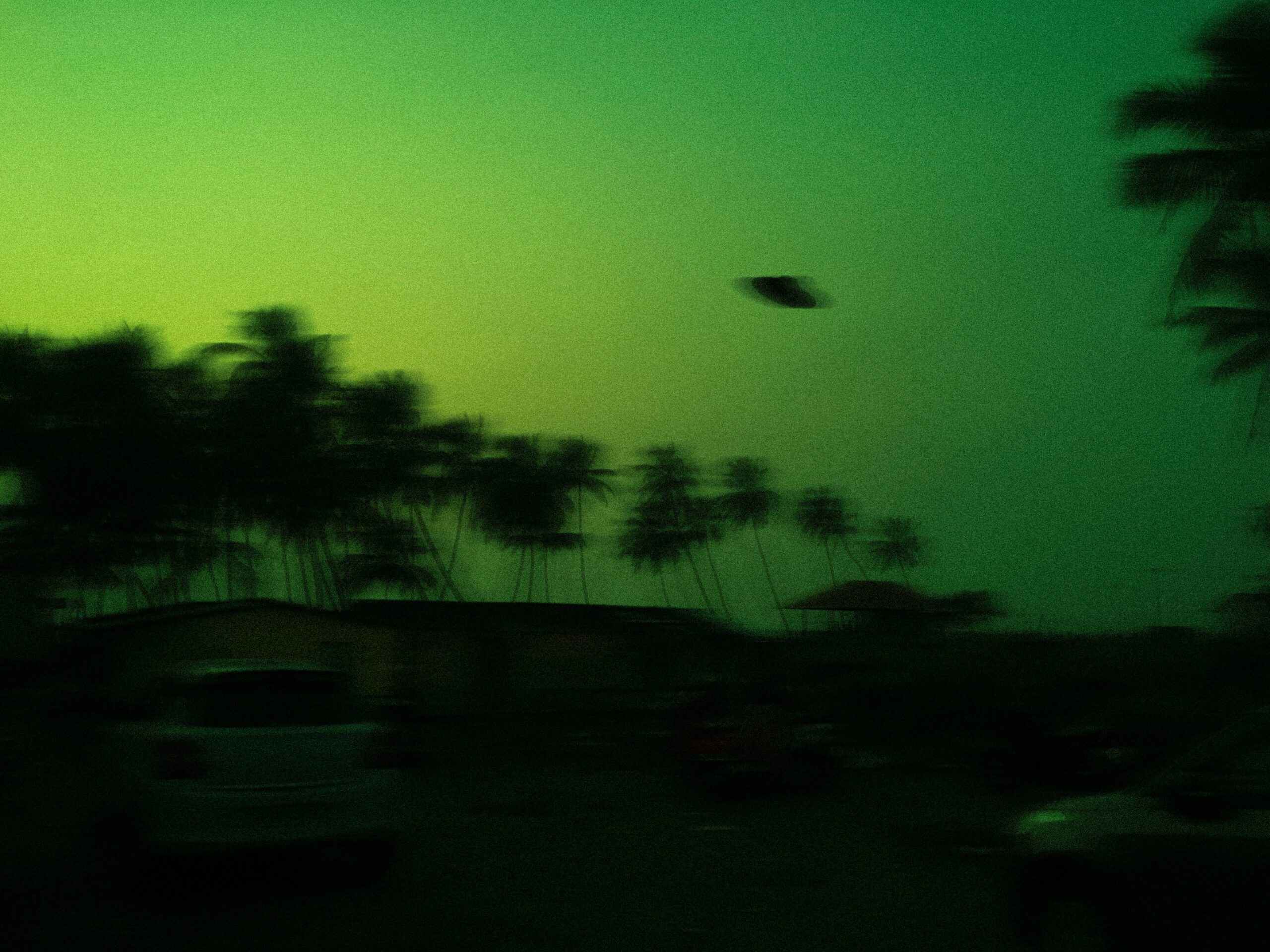
The hushed corridors of Brazilian government archives have long held secrets, whispered tales of unexplained phenomena and peculiar encounters. For years, these accounts remained shrouded in officialdom, subject to speculation and dismissed by many as mere flights of fancy. However, a seismic shift has occurred: the declassification of formerly classified Brazilian UFO files. This momentous release promises to unveil a trove of information, potentially shedding light on decades of unexplained aerial phenomena and the possibility of extraterrestrial visitation to Brazilian skies.
Brazil’s engagement with UFO phenomena is not a recent development. Throughout the 20th century, reports of strange lights, anomalous objects, and even alleged encounters with non-human entities began to surface with increasing frequency. The nature of these reports, often vivid and detailed, compelled a degree of official attention, albeit initially discreet. The Brazilian military and various governmental bodies recognized the need to investigate, not necessarily with the explicit intent of confirming extraterrestrial origins, but to understand potential national security implications and to allay public concern.
Early Reports and Official Silence
The early decades of the 20th century saw a piecemeal collection of UFO sightings. These were often relegated to local authorities or dismissed as misidentifications of conventional aircraft, atmospheric conditions, or celestial bodies. However, the sheer volume and the nature of some of these early accounts – describing objects that defied known aeronautical capabilities – began to paint a more complex picture. Official responses were largely characterized by silence and a lack of coordinated investigation. This reticence was likely influenced by a desire to avoid public panic, ridicule, and the potential for discrediting governmental agencies.
The Influence of Global UFO Waves
Brazil, like many nations, did not exist in a vacuum regarding the burgeoning global interest in UFOs. The mid-20th century witnessed several prominent UFO waves worldwide, which undoubtedly seeped into the public consciousness and likely emboldened individuals to report their own experiences. The awareness of these global phenomena may have subtly spurred a more organized, albeit still clandestine, approach within certain Brazilian institutions.
The Formation of Informal Investigation Groups
While official governmental bodies might have been hesitant to publicly acknowledge or investigate UFOs, it is plausible that informal groups within the military, intelligence agencies, and scientific communities began to compile and analyze information independently. These groups, operating with a degree of autonomy, would have served as early custodians of what would eventually become part of the declassified archives. Their work, though undocumented in public records at the time, laid the groundwork for more formal inquiries.
The recent declassification of Brazilian UFO files has sparked significant interest among researchers and enthusiasts alike, shedding light on numerous unexplained aerial phenomena reported over the years. For those looking to delve deeper into the subject, a related article can be found at XFile Findings, which explores various aspects of UFO sightings and government disclosures around the world, including the implications of Brazil’s newfound transparency on the topic.
The Varginha Incident: A Case Study in Government Secrecy
Perhaps the most notorious and debated event in Brazil’s UFO history is the Varginha Incident of 1996. This multifaceted event, involving alleged sightings of multiple UFOs, encounters with strange creatures, and subsequent military intervention, became a lightning rod for speculation and a symbol of government secrecy surrounding the UFO phenomenon. The eventual declassification of documents related to Varginha has been highly anticipated by researchers and the public alike.
Eyewitness Accounts and Public Outcry
The Varginha Incident was characterized by a surge of eyewitness testimonies. Numerous individuals, including civilians and even military personnel, reported seeing unidentified flying objects in the skies over Varginha, Minas Gerais. More sensational were the accounts of alleged encounters with distinct, non-human beings, sometimes described as short, brown creatures with large red eyes. The sheer number and consistency of these accounts, coupled with local media coverage, created a significant public outcry and a demand for official answers.
Military and Civilian Involvement
Reports suggested a swift and coordinated response involving various branches of the Brazilian military, including the army and air force, as well as civilian emergency services. There were claims of the capture of these alleged alien entities and their subsequent transport to undisclosed locations for examination. The military’s alleged involvement, particularly the purported securing of evidence and the suppression of information, only fueled the perception of a cover-up.
The Slow Unraveling of Information
For years following the Varginha Incident, official responses were characterized by denial or vague statements. Information trickled out sporadically, often through leaks or dedicated investigative journalism. However, the recent declassification efforts have begun to consolidate and reveal official documents that, while not necessarily confirming extraterrestrial life, demonstrate a significant level of government attention and investigation into the events of Varginha.
The Declassification Wave: Opening the Vaults of Information
The decision to declassify these previously secret UFO files represents a significant departure from past governmental stances. This move, driven by a combination of increased transparency, public interest, and a growing body of anecdotal evidence, promises to illuminate decades of official records and potentially reshape our understanding of Brazil’s engagement with the UFO phenomenon.
Motivations Behind the Declassification
Several factors likely contributed to the decision to declassify. Firstly, the sheer volume of accumulated reports and investigations reached a point where continued secrecy became more problematic than transparency. Secondly, the global trend towards greater openness regarding UFO matters, exemplified by similar declassifications in other countries, likely exerted pressure. Finally, a desire to demonstrate governmental accountability and to address persistent public curiosity about these unexplained phenomena played a crucial role.
The Scope of the Declassified Archives
The declassified files encompass a wide range of materials. These include official reports from military and civilian agencies, pilot testimonies, radar data, photographic and film evidence, as well as research conducted by various governmental bodies. The sheer volume of these documents suggests that Brazil has a more extensive historical record of UFO investigations than was previously understood by the public.
Early Revelations and Emerging Patterns
Initial analyses of the declassified documents have begun to reveal some intriguing patterns. Reports often detail sightings of objects exhibiting flight characteristics far beyond the capabilities of known technology of their time. There are instances of multiple witnesses, including trained observers like pilots and radar operators, reporting the same anomalous phenomena. The consistent description of certain types of anomalous aerial objects across different decades and regions within Brazil adds weight to the need for continued study.
Unveiling Key Cases and Notable Sightings

The declassified files are not just a collection of mundane reports; they contain accounts that have long captured the imagination of UFO enthusiasts and researchers. By bringing these formerly obscure cases into the light, the declassification offers a more comprehensive picture of Brazil’s UFO landscape.
The Colares Incident: A Chapter of Mass Hysteria and Unexplained Lights
The Colares Incident, which occurred in the Amazonian island municipality of Colares in 1977, is another significant event highlighted by the declassified files. This period was marked by a series of frightening encounters with strange aerial phenomena, locally dubbed “chupas” (suckers). Residents reported being attacked by beams of light emanating from these objects, causing burns and other injuries. The incident caused widespread panic and fear among the local population, leading to significant social disruption.
Official Military Intervention and Investigation
The Colares Incident triggered a substantial military investigation, codenamed “Operation Prato” (Operation Plate). This operation, which involved the Brazilian Air Force, sought to understand and control the disturbing phenomenon. The declassified documents related to Operation Prato are expected to shed light on the military’s findings, their assessment of the threat, and the measures they took to address the situation. Eyewitness testimonies and the collection of supposed evidence from Colares have been central to subsequent research.
The Ambiguity of the Findings
Despite the extensive military involvement, the official conclusions of Operation Prato remain largely ambiguous to the public. The declassification offers the potential to clarify the findings of this operation, to understand the military’s own interpretations of the events, and to assess whether any definitive conclusions about the nature of the Colares phenomena were reached. The presence of purported physical evidence collected during the operation is of particular interest to researchers.
The “Flying Saucer” Sightings of the Mid-Century
The declassified archives also contain a wealth of reports from the mid-20th century, a period characterized by a global surge in “flying saucer” sightings. These reports, often from laypeople but also from military personnel and pilots, describe disc-shaped objects, silent movement, and incredible speeds. The systematic compilation and analysis of these accounts by governmental bodies, revealed through the declassification, indicate a level of official awareness and concern that was not publicly evident.
Pilot Testimonies and Radar Anomalies
Among the most compelling are the testimonies of trained military pilots who reported close encounters with unidentified craft. These accounts often highlight the baffling performance characteristics of the observed objects, which defied conventional aerodynamic principles. Furthermore, the declassified files may contain radar data that corroborates these visual sightings, providing a more objective layer of evidence for the existence of anomalous airborne targets.
The Difficulty in Identifying Conventional Explanations
What makes these historical sightings particularly intriguing, and what the declassification aims to illuminate, is the consistent difficulty in providing conventional explanations. The descriptions often go beyond simple misidentifications, suggesting phenomena that genuinely challenged the understanding of aviation and atmospheric science at the time. The official records may reveal the internal debates and analyses conducted to reconcile these anomalies.
The recent release of declassified Brazilian UFO files has sparked significant interest among enthusiasts and researchers alike, shedding light on previously hidden encounters and sightings. For those looking to delve deeper into the subject, a related article provides further insights into the implications of these revelations and their impact on our understanding of unidentified aerial phenomena. You can explore this fascinating topic in more detail by visiting this article, which discusses the broader context of UFO investigations worldwide.
Broader Implications: National Security, Scientific Inquiry, and Public Perception
| Date | Location | Incident Description |
|---|---|---|
| 1952 | Trindade Island | Photographs of a UFO taken by the Brazilian Navy |
| 1977 | Colares | Reports of UFO attacks on locals |
| 1986 | Vigia | UFO sighting by military personnel |
The declassification of Brazil’s UFO files is more than just an unveiling of historical curiosities; it has profound implications for national security, scientific inquiry, and the ongoing public discourse surrounding extraterrestrial life. The transparency offered by these documents has the potential to shift paradigms and encourage a more open-minded approach to the unexplained.
Reassessing National Security Protocols
For decades, the possibility of unexplained aerial phenomena entering national airspace has been a concern for military and intelligence agencies worldwide. The declassified Brazilian files offer a unique perspective on how these concerns were addressed within a specific national context. By examining the nature of the reports and the official responses, it may be possible to glean insights into the evolution of national security protocols related to unidentified aerial phenomena.
Intelligence Gathering and Threat Assessment
The documents likely detail intelligence-gathering efforts, the analysis of potential threats, and the operational responses to sightings. This information can provide a valuable historical record of how governments have historically approached the unknown in their skies, and whether any perceived threats were ever substantiated. The declassification may reveal a more sophisticated and continuous process of investigation than previously assumed.
Inter-Agency Cooperation and Information Sharing
Understanding how different military branches and civilian agencies collaborated (or failed to collaborate) in investigating UFO reports can offer lessons for future inter-agency cooperation on matters of national security and scientific curiosity. The files may illustrate the challenges and successes of information sharing in a context where the very nature of the subject matter was sensitive and uncertain.
Fueling Scientific Research and Interdisciplinary Approaches
The declassified material provides a rich dataset for scientific researchers. Physicists, astronomers, meteorologists, and even social scientists can find valuable data points and anecdotal evidence within the archives. The transparency of these records encourages a more rigorous and data-driven approach to studying UFO phenomena, moving beyond speculation and into empirical analysis.
The Potential for New Avenues of Study
Historians of science, ufologists, and researchers in cognitive science may find fertile ground for new avenues of study. The documents offer a glimpse into the official decision-making processes, the societal reactions to UFO events, and the evolution of scientific thought in response to anomalous observations. This can lead to a deeper understanding of how humanity has historically grappled with the unknown.
Bridging the Gap Between Official and Public Understanding
The declassification has the potential to bridge the gap between official pronouncements and public perception. By making these records accessible, it allows for greater scrutiny and analysis by a wider scientific community, fostering a more informed and collaborative approach to understanding these complex phenomena.
Reshaping Public Perception and the Search for Extraterrestrial Life
The declassification of these files is likely to have a profound impact on public perception of UFOs and the possibility of extraterrestrial life. For those who have long believed in the existence of non-human visitation, these documents offer validation and a wealth of new information to analyze. For skeptics, they present an opportunity to engage with a more substantial and officially acknowledged body of evidence.
Encouraging Open Dialogue and Critical Thinking
The transparency introduced by the declassification process can foster a more open and critical dialogue about UFO phenomena. It moves the conversation away from conspiracy theories and towards a more evidence-based exploration of anomalies. This can encourage a more rational and informed public discourse on a topic that has often been relegated to the fringes of societal discussion.
The Continuing Quest for Answers
Ultimately, the declassification of Brazil’s UFO files is not an endpoint but a significant milestone in the ongoing quest for answers. It opens new doors for research, encourages further transparency, and reminds us that the universe may hold wonders that we are only beginning to comprehend. The secrets unveiled may be just the first chapter in a much larger story.

The Varginha UFO Incident: What the Evidence Really Shows
FAQs
What are the Declassified Brazilian UFO files?
The Declassified Brazilian UFO files refer to a collection of documents released by the Brazilian government that detail reports of unidentified flying objects (UFOs) and related phenomena. These files were previously classified but have since been made available to the public.
When were the Declassified Brazilian UFO files released?
The Declassified Brazilian UFO files were released in 2019 by the Brazilian government. This release was part of a broader effort to increase transparency and provide access to information about UFO sightings and related events.
What do the Declassified Brazilian UFO files contain?
The Declassified Brazilian UFO files contain a wide range of documents, including reports of UFO sightings by military personnel, radar data, photographs, and analysis of alleged UFO encounters. The files also include correspondence between government officials and military agencies regarding UFO incidents.
Why were the Declassified Brazilian UFO files released?
The release of the Declassified Brazilian UFO files was motivated by a desire for transparency and openness regarding the government’s handling of UFO-related incidents. The Brazilian government sought to provide the public with access to information about UFO sightings and to address public interest in the topic.
What impact have the Declassified Brazilian UFO files had?
The release of the Declassified Brazilian UFO files has sparked renewed interest in the topic of UFOs and has led to increased public discussion and scrutiny of UFO-related incidents in Brazil. Researchers and enthusiasts have been able to access previously classified information and analyze the contents of the files for potential insights into the nature of UFO phenomena.