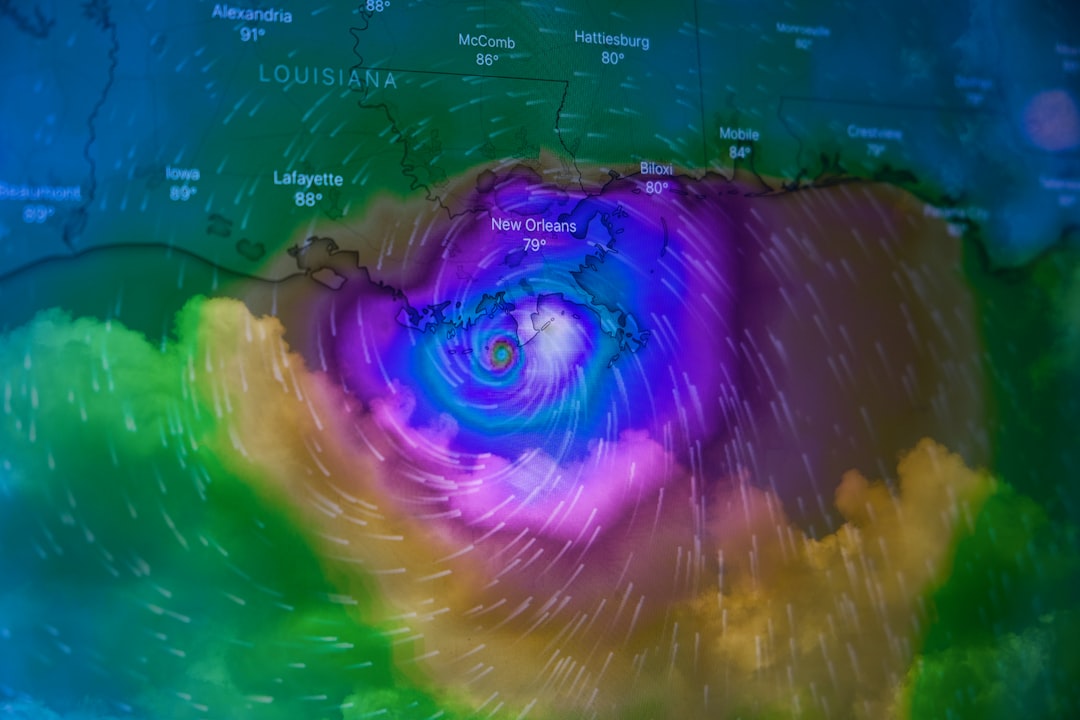
Vertical evacuation planning represents a critical disaster preparedness strategy for coastal communities vulnerable to flooding and severe weather events. This approach involves relocating people to higher elevations or multi-story structures when horizontal evacuation routes become inaccessible or unsafe. Climate data indicates increasing storm frequency and intensity, making robust evacuation protocols essential for public safety.
When traditional evacuation routes via roadways are compromised by floodwaters, debris, or infrastructure damage, vertical evacuation provides an alternative that can prevent casualties and reduce property loss. Coastal geography often presents unique evacuation challenges. Low-lying areas, limited road networks, and bridge dependencies can create bottlenecks or complete blockages during emergency situations.
Vertical evacuation planning addresses these constraints by identifying and preparing elevated refuge areas within the community, including designated buildings, parking structures, or purpose-built evacuation towers. Effective vertical evacuation systems require advance identification of suitable structures, establishment of clear protocols, community education programs, and coordination with emergency management agencies. These preparations enable rapid response when horizontal evacuation is not feasible, providing communities with multiple options for protecting residents during natural disasters.
Key Takeaways
- Vertical emergency planning is crucial for effective evacuation in coastal areas prone to flooding and storms.
- Identifying and developing safe vertical evacuation routes and centers can save lives during emergencies.
- Clear communication and public training are essential to ensure community readiness for vertical evacuation.
- Coordination with local authorities and emergency services enhances the implementation and success of vertical evacuation plans.
- Continuous evaluation and adaptation of vertical emergency planning improve resilience against future coastal hazards.
Understanding the Risks of Coastal Evacuation
Coastal areas face a unique set of risks that complicate evacuation efforts. Storm surges, high winds, and heavy rainfall can create hazardous conditions that threaten lives and property. The unpredictability of these events makes it difficult for residents to gauge when to evacuate, often leading to last-minute decisions that can result in chaos and confusion.
Understanding these risks is crucial for developing effective vertical emergency plans that can save lives during critical situations. Moreover, the demographic composition of coastal communities can further complicate evacuation efforts. Many residents may be elderly, disabled, or lack access to transportation, making it challenging for them to evacuate quickly.
By recognizing these vulnerabilities, planners can create more inclusive vertical evacuation strategies that account for the diverse needs of the community, ensuring that everyone has access to safe evacuation routes.
Developing a Vertical Emergency Plan
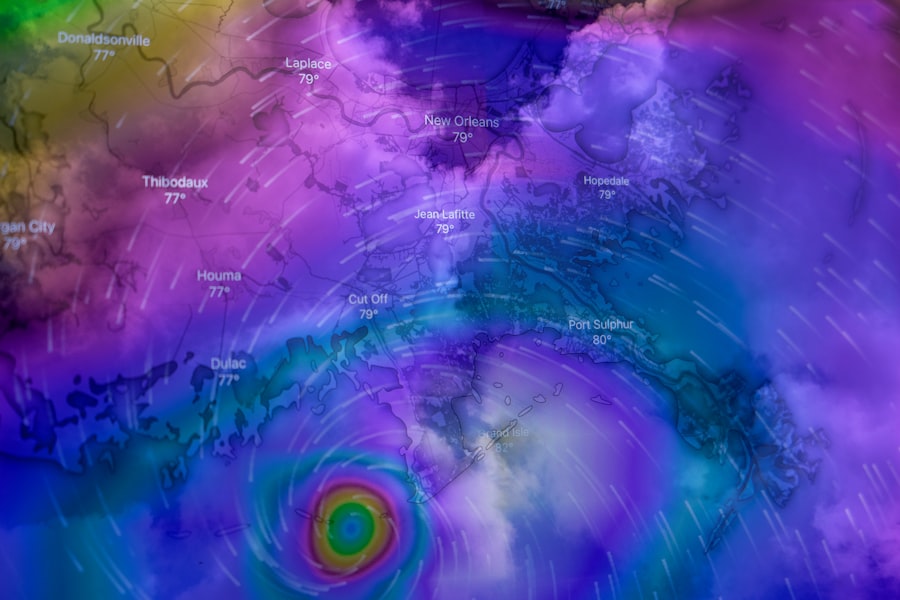
Creating a comprehensive vertical emergency plan requires collaboration among various stakeholders, including local government officials, emergency services, and community organizations. The first step in this process is conducting a thorough risk assessment to identify potential hazards and vulnerabilities within the community. This assessment should consider factors such as population density, infrastructure integrity, and historical data on past disasters.
By understanding these elements, planners can develop targeted strategies that address specific risks associated with vertical evacuation. Once the risks have been identified, the next phase involves establishing clear guidelines for vertical evacuation procedures. This includes determining which buildings or structures will serve as designated evacuation centers and ensuring they are equipped with necessary resources such as food, water, medical supplies, and communication tools.
Additionally, planners must consider how to effectively communicate these plans to the public, ensuring that residents are aware of their options and understand the importance of vertical evacuation in times of crisis.
Identifying Vertical Evacuation Routes
Identifying effective vertical evacuation routes is a critical aspect of any emergency plan. These routes must be easily accessible and clearly marked to facilitate quick movement during an emergency. Planners should consider existing infrastructure, such as stairwells, elevators, and ramps, when determining the best pathways for vertical evacuation.
It is essential to ensure that these routes are well-maintained and free from obstructions that could hinder movement during a crisis. In addition to physical accessibility, planners must also take into account the safety of these routes. For instance, buildings designated as evacuation centers should be structurally sound and capable of withstanding extreme weather conditions.
Furthermore, it is vital to conduct regular drills and simulations to test the effectiveness of these routes and identify any potential issues before a real emergency occurs.
Implementing Vertical Emergency Planning in Coastal Communities
| Metric | Description | Typical Value/Range | Unit | Notes |
|---|---|---|---|---|
| Evacuation Time | Time required to evacuate residents from coastal zones to vertical safe zones | 1-6 | Hours | Depends on population density and infrastructure |
| Vertical Shelter Capacity | Number of people a vertical evacuation structure can safely accommodate | 100-5000 | Persons | Varies by building size and design |
| Distance to Vertical Shelter | Average distance evacuees must travel to reach vertical evacuation points | 0.5-3 | Kilometers | Shorter distances improve evacuation efficiency |
| Warning Lead Time | Time between hazard detection and evacuation order issuance | 30-120 | Minutes | Critical for timely vertical evacuation |
| Structural Height Requirement | Minimum height above ground level for vertical evacuation to avoid flooding | 5-15 | Meters | Depends on expected surge and wave heights |
| Communication Coverage | Percentage of population with access to evacuation alerts and instructions | 85-100 | Percent | Includes sirens, mobile alerts, and public announcements |
| Accessibility Compliance | Percentage of vertical evacuation sites compliant with accessibility standards | 90-100 | Percent | Ensures safe evacuation for people with disabilities |
| Emergency Power Availability | Percentage of vertical shelters equipped with backup power systems | 70-95 | Percent | Supports lighting, ventilation, and communication during emergencies |
The implementation of vertical emergency planning in coastal communities requires a multifaceted approach that engages residents and local organizations. Community involvement is crucial for fostering a culture of preparedness and ensuring that residents understand the importance of vertical evacuation strategies. This can be achieved through public awareness campaigns, workshops, and community meetings that educate individuals about the risks they face and the steps they can take to protect themselves.
Moreover, local governments must allocate resources to support the development and maintenance of vertical evacuation infrastructure. This includes investing in building retrofits, signage, and communication systems that facilitate effective evacuations. Collaboration with local businesses and organizations can also enhance these efforts by providing additional resources and support during emergencies.
By working together, coastal communities can create a robust framework for vertical emergency planning that prioritizes safety and resilience.
The Role of Vertical Evacuation Centers
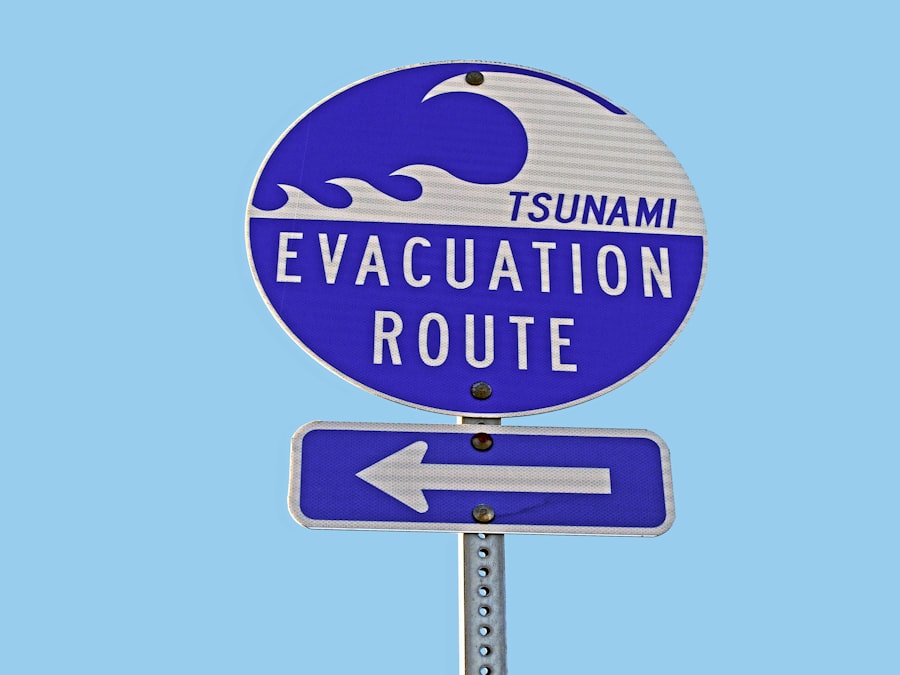
Vertical evacuation centers play a pivotal role in ensuring the safety of residents during emergencies. These designated locations provide refuge for individuals seeking higher ground during flooding or storm surges. It is essential for these centers to be strategically located in areas that are easily accessible and capable of accommodating large numbers of people.
Additionally, they should be equipped with essential supplies such as food, water, medical assistance, and communication tools to support evacuees during their time of need. The effectiveness of vertical evacuation centers relies heavily on proper training for staff and volunteers who will be responsible for managing these facilities during emergencies. Training programs should focus on emergency response protocols, first aid procedures, and effective communication strategies to ensure that evacuees receive the support they need.
Furthermore, regular drills should be conducted to familiarize staff with their roles and responsibilities in a crisis situation. By prioritizing the establishment and training of vertical evacuation centers, communities can enhance their overall preparedness for disasters.
Communicating Vertical Emergency Plans to the Public
Effective communication is vital for ensuring that residents are aware of vertical emergency plans and understand how to respond during a crisis. Communities must develop clear messaging that outlines the steps individuals should take in the event of an emergency, including information on designated evacuation routes and centers. Utilizing multiple communication channels—such as social media, local news outlets, community bulletin boards, and public meetings—can help reach a broader audience and ensure that critical information is disseminated quickly.
Additionally, it is important to tailor communication efforts to address the diverse needs of the community. This may involve providing materials in multiple languages or formats to accommodate individuals with varying levels of literacy or those who may have disabilities. Engaging local leaders and organizations can also enhance outreach efforts by leveraging existing networks to spread awareness about vertical emergency plans.
By prioritizing effective communication strategies, communities can empower residents to take proactive measures in preparing for emergencies.
Training and Preparedness for Vertical Evacuation
Training and preparedness are essential components of successful vertical emergency planning. Communities must invest in training programs for both emergency responders and residents to ensure everyone understands their roles during an evacuation. For emergency personnel, this may involve specialized training on managing vertical evacuations, coordinating with other agencies, and providing assistance to vulnerable populations.
Regular drills should be conducted to test response capabilities and identify areas for improvement. For residents, preparedness initiatives should focus on educating individuals about the importance of vertical evacuation and how to respond effectively during emergencies. This may include workshops on creating personal emergency plans, assembling disaster supply kits, and understanding local hazards.
Encouraging community members to participate in training exercises can foster a sense of ownership over their safety while building relationships among neighbors that can be invaluable during a crisis.
Coordinating with Local Authorities and Emergency Services
Successful vertical emergency planning requires seamless coordination between local authorities and emergency services. Establishing clear lines of communication among these entities is crucial for ensuring a unified response during emergencies. Regular meetings should be held to discuss potential risks, review existing plans, and identify areas for improvement.
This collaborative approach fosters trust among stakeholders while enhancing overall preparedness. Additionally, local authorities should work closely with emergency services to develop joint training exercises that simulate real-life scenarios involving vertical evacuations. These exercises provide valuable opportunities for responders to practice their skills while identifying potential challenges in executing evacuation plans.
By fostering strong partnerships between local authorities and emergency services, communities can create a more effective response framework for vertical evacuations.
Evaluating the Effectiveness of Vertical Emergency Planning
Evaluating the effectiveness of vertical emergency planning is essential for continuous improvement in disaster preparedness efforts. After each emergency event or drill, communities should conduct thorough assessments to identify what worked well and what areas need enhancement. Gathering feedback from residents who participated in evacuations can provide valuable insights into their experiences and perceptions of the process.
Moreover, communities should establish key performance indicators (KPIs) to measure the success of their vertical emergency plans over time. These metrics may include response times during evacuations, the number of individuals successfully evacuated to designated centers, or resident satisfaction with communication efforts. By regularly evaluating their plans against these benchmarks, communities can make informed decisions about necessary adjustments while fostering a culture of continuous improvement in disaster preparedness.
Future Considerations for Coastal Evacuation: Vertical Emergency Planning
As climate change continues to impact coastal regions worldwide, future considerations for vertical emergency planning will become increasingly important. Communities must remain vigilant in adapting their plans to address evolving risks associated with rising sea levels and more frequent extreme weather events. This may involve investing in innovative technologies or infrastructure improvements that enhance vertical evacuation capabilities.
Furthermore, ongoing education and outreach efforts will be crucial in ensuring that residents remain informed about potential hazards and effective response strategies. Engaging younger generations through school programs or community initiatives can help instill a culture of preparedness that extends beyond individual households. By prioritizing future considerations in vertical emergency planning, coastal communities can build resilience against the challenges posed by climate change while safeguarding their residents’ safety during emergencies.
Coastal evacuation vertical emergency planning is a critical aspect of disaster preparedness, especially in areas prone to hurricanes and flooding. For further insights on this topic, you can explore a related article that discusses various strategies and best practices for effective evacuation planning. Check it out here: Coastal Evacuation Strategies.
WATCH THIS! They Sealed This CIA File for a Reason—Here’s What the Psychic Saw
FAQs
What is coastal evacuation vertical emergency planning?
Coastal evacuation vertical emergency planning involves preparing for emergencies, such as hurricanes or floods, by identifying and utilizing vertical spaces like multi-story buildings or designated shelters to move people to higher ground instead of traditional horizontal evacuation routes.
Why is vertical evacuation important in coastal areas?
Vertical evacuation is crucial in coastal areas prone to storm surges and flooding because horizontal evacuation routes may become congested or impassable. Vertical evacuation provides a safer and faster alternative to protect residents when time or infrastructure limits horizontal movement.
Who should be involved in coastal evacuation vertical emergency planning?
Local government officials, emergency management agencies, urban planners, building owners, and community members should collaborate in vertical evacuation planning to ensure effective communication, resource allocation, and safe sheltering options.
What types of buildings are suitable for vertical evacuation?
Buildings suitable for vertical evacuation typically include sturdy, multi-story structures such as schools, government buildings, parking garages, and specially designed vertical evacuation shelters that can withstand high winds and flooding.
How can communities prepare for vertical evacuation?
Communities can prepare by identifying and designating vertical evacuation sites, conducting public education campaigns, developing clear evacuation routes and signage, and regularly conducting drills to ensure residents know when and how to evacuate vertically.
What are the challenges of implementing vertical evacuation plans?
Challenges include ensuring buildings meet safety standards, securing funding for shelter construction or retrofitting, coordinating among multiple agencies, addressing accessibility for vulnerable populations, and maintaining clear communication during emergencies.
How does vertical evacuation complement traditional evacuation methods?
Vertical evacuation serves as an alternative or supplement to horizontal evacuation, especially when roads are congested or flooded. It provides additional options to protect residents, increasing overall community resilience during coastal emergencies.
Are there any regulations or guidelines for vertical evacuation planning?
Yes, agencies like the Federal Emergency Management Agency (FEMA) provide guidelines and standards for vertical evacuation structures and planning. Local and state governments may also have specific regulations to ensure safety and effectiveness.
Can vertical evacuation be used for all types of coastal emergencies?
Vertical evacuation is most effective for emergencies involving flooding and storm surges, such as hurricanes and tsunamis. It may not be suitable for emergencies requiring complete evacuation away from the area, such as wildfires or chemical spills.
How often should vertical evacuation plans be reviewed and updated?
Vertical evacuation plans should be reviewed and updated regularly, at least annually or after any significant event, to incorporate new data, infrastructure changes, and lessons learned from drills or actual emergencies.