
The practice of covert civilian blood sample storage, a topic shrouded in both technical complexity and ethical debate, has emerged as a significant area of interest for security agencies, medical researchers, and civil liberties advocates alike. This phenomenon involves the collection and retention of biological material from individuals without their explicit, informed consent, often under the guise of routine health screenings, public health initiatives, or even as part of broader surveillance programs. The implications of such practices are far-reaching, touching upon fundamental rights to privacy, bodily autonomy, and the potential for misuse of sensitive genetic information.
The concept of covert civilian blood sample storage is not a monolithic entity. It encompasses a spectrum of activities, varying in their intent, methodology, and the scale of their implementation. Identifying the precise contours of this practice requires a nuanced understanding of the different scenarios in which it might occur.
Routine Healthcare and Public Health Programs
One of the least contentious, yet still potentially problematic, avenues for covert storage arises from standard medical procedures. When blood samples are collected for diagnostic purposes, residual amounts are often stored for a period by laboratories. While typically intended for re-testing or further analysis in relation to the individual’s immediate health concerns, questions arise concerning the duration of this storage and whether the samples might be accessed for other purposes without renewed consent. Public health initiatives, such as newborn screening programs, collect blood spots from infants for a battery of genetic and metabolic tests. While the primary purpose is clearly defined and generally accepted, the long-term storage of these samples, and the potential for their use beyond the initial screening, raises concerns. The argument here often centers on the potential for future research benefits, but the lack of explicit consent for such secondary uses is a critical point of contention.
Law Enforcement and Forensic Applications
More controversially, law enforcement agencies have been implicated in the covert collection and storage of blood samples. This can occur through various means, including the collection of discarded items containing biological material, such as cigarette butts or drinking cups, which can yield DNA. In some instances, there have been allegations of agencies obtaining blood samples through pretextual means, such as during traffic stops where drivers might be asked to provide a sample for an unspecified “health check” that is, in reality, for DNA profiling. The subsequent storage of these samples, especially if classified and maintained indefinitely, allows for future comparisons against crime scene DNA databases without the individual’s knowledge or agreement.
Research and Genetic Databases
The explosion of interest in genomics and personalized medicine has fueled the creation of vast biological databases. While many of these initiatives rely on voluntary participation and explicit consent for data usage, there are instances where samples may have been collected under broader, less specific consent forms, or where historical samples are being repurposed. Researchers may seek to identify genetic predispositions to diseases, understand population genetics, or develop new diagnostic tools. When blood samples are anonymized, the ethical considerations shift somewhat, but the initial act of collection and the potential for de-anonymization remain points of concern. The line between legitimate research and unwarranted data acquisition becomes blurred when the provenance of the samples is unclear or where consent was not fully informed.
Technological Advancements and Enabling Factors
The ability to store and analyze biological samples has been significantly enhanced by technological advancements.
DNA Sequencing and Profiling
Modern DNA sequencing technologies have become remarkably efficient and cost-effective. This allows for the rapid generation of detailed genetic profiles from even minute amounts of biological material. The increased capability for analysis makes the storage of samples more attractive, as their potential utility for identification and research has grown exponentially. Genetic fingerprinting, once a complex and time-consuming process, is now a standard procedure, readily applicable to stored blood samples.
Biobanking and Data Management Systems
The development of sophisticated biobanking infrastructure has facilitated the long-term preservation and cataloging of biological samples. These systems are designed for efficient sample retrieval, tracking, and integration with associated metadata. Advanced data management systems allow for the organization and searchability of vast quantities of genetic information, making it easier to identify individuals or genetic markers of interest within stored collections. The very efficiency and organization of these systems, while beneficial for legitimate research, also present opportunities for less transparent data utilization.
Challenges in Detection and Oversight: The covert nature of these storage practices presents significant challenges for detection and oversight.
- Limited Transparency: By definition, covert storage is not publicly disclosed. This makes it difficult for individuals or oversight bodies to know if their biological material is being stored, by whom, and for what purpose.
- Fragmented Regulatory Landscape: The legal and regulatory frameworks governing biological sample collection and storage are often fragmented, varying significantly by jurisdiction and by the context of the collection (e.g., medical, law enforcement, research). This patchwork of regulations can leave gaps that enable covert practices.
- Data Security and Access Controls: While not directly related to the covert collection, questions of data security and access controls are paramount. If samples are stored covertly, the mechanisms for preventing unauthorized access or misuse are likely to be equally opaque, raising further concerns about potential breaches or exploitation.
In recent discussions surrounding the ethical implications of biobanking, an intriguing article titled “The Hidden Dangers of Civilian Blood Sample Storage” delves into the secretive practices associated with the physical storage of civilian blood samples. This article highlights the potential risks and ethical concerns that arise when such sensitive biological materials are stored without proper transparency. For more insights on this critical topic, you can read the full article here: The Hidden Dangers of Civilian Blood Sample Storage.
The Genetic Information Imperative
The information contained within a blood sample extends far beyond basic health indicators. It is a repository of an individual’s genetic blueprint, holding data that can reveal predispositions to diseases, ancestry, familial relationships, and even behavioral tendencies. The management and potential exploitation of this information is at the heart of the ethical debate surrounding covert storage.
Identification and Forensic Linkages
The most immediate and widely understood application of DNA from blood samples is for identification. In criminal investigations, a DNA profile derived from a blood sample can be compared against databases of known offenders or crime scene DNA to establish a link between an individual and a specific offense. Covert storage, in this context, means that an individual’s DNA could be added to such a database without their knowledge or consent, potentially leading to future implications if they are later implicated in a crime.
Disease Predisposition and Predictive Medicine
Genetic information holds immense potential for the field of medicine. Identifying genetic predispositions to conditions like cancer, heart disease, or neurological disorders can enable proactive screening, preventative measures, and personalized treatment plans. However, the collection and storage of this data without informed consent raise profound ethical questions. Individuals have a right to control what is known about their susceptibility to illness, and the potential for this information to be used for discriminatory purposes by employers or insurers is a significant concern.
Ancestry and Familial Tracing
DNA analysis can provide insights into an individual’s ancestral origins and identify biological relatives. While this can be a source of immense personal discovery for many, it also has implications for covert storage. If samples are stored, they could potentially be used to identify distant relatives or to trace familial lineages without the consent of those individuals. This raises questions about the right to genetic privacy within family units.
“Genetic Surveillance” and Profiling
The most concerning potential application of covert blood sample storage is the development of a form of “genetic surveillance.” In this scenario, the state or other entities could build comprehensive genetic profiles of entire populations, not for direct investigation of crimes, but for broader monitoring, prediction, or even social control. This could involve identifying individuals who exhibit genetic markers associated with certain behaviors, or creating profiles for risk assessment that extend beyond immediate medical needs. The chilling effect on individual liberty and the potential for a society where genetic information dictates opportunity or suspicion is a deeply worrying prospect.
Legal and Ethical Frameworks Under Strain
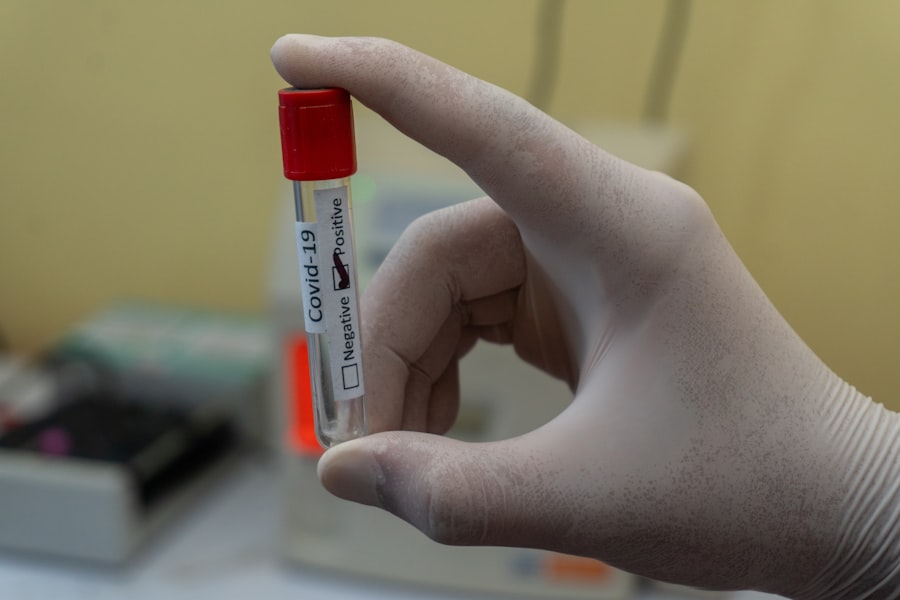
The existence and potential proliferation of covert civilian blood sample storage place considerable strain on existing legal and ethical frameworks designed to protect individual rights. These frameworks, often developed in an era with less sophisticated genetic technologies, are struggling to keep pace with the realities of modern biological data acquisition and retention.
The Doctrine of Informed Consent
At the core of medical ethics and individual rights is the principle of informed consent. This doctrine dictates that individuals must have sufficient information about a procedure, its risks, benefits, and potential uses, before agreeing to undergo it. In the context of blood sample collection, informed consent typically covers the immediate diagnostic purpose. Covert storage directly contravenes this principle, as it involves the retention and potential secondary use of biological material without the individual’s explicit agreement to those specific activities.
Privacy and Data Protection Laws
While many jurisdictions have robust laws regarding data privacy, their application to biological samples and genetic information can be complex. Genetic data is often considered highly sensitive personal information. However, the legal definitions of “personal information” and the specific protections afforded to genetic data can vary. Furthermore, laws designed to prevent the unauthorized disclosure of data may not always address the covert collection and retention of that data in the first place. The challenge is to ensure that these laws are interpreted and enforced in a way that accounts for the unique nature of genetic material.
Bodily Autonomy and Property Rights
The issue of bodily autonomy is central to this debate. Individuals are generally understood to have the right to control their own bodies and the biological material that originates from them. Covert storage can be seen as a violation of this autonomy, as an individual’s biological material is taken and retained without their agency. Additionally, some legal arguments have been made regarding whether individuals have a form of proprietary interest in their biological samples, though this is a complex and often debated area of law.
International Human Rights Standards
International human rights instruments, such as the Universal Declaration of Human Rights, emphasize the right to privacy and the protection of personal data. While these documents may not explicitly mention blood sample storage, their underlying principles are applicable. The potential for covert storage to undermine an individual’s right to a private life and to control the dissemination of personal information aligns with the spirit of these fundamental rights.
Potential Abuses and Societal Repercussions

The ramifications of widespread covert civilian blood sample storage extend beyond individual rights, posing significant threats to the broader societal fabric. The potential for misuse of such data is substantial, and the consequences could reshape fundamental aspects of how individuals interact with their governments and each other.
Discrimination and Stigmatization
One of the most immediate threats posed by the availability of covertly stored genetic information is the potential for discrimination. If an individual’s genetic predisposition to a particular condition is known, this information could be used to deny them employment, insurance coverage, or even housing. This risk is amplified if the data is collected without consent, as individuals would have no opportunity to challenge or contextualize such findings. Furthermore, certain genetic markers could be unfairly associated with undesirable traits, leading to stigmatization and social exclusion.
Erosion of Trust and Social Cohesion
A society where individuals suspect their biological material is being collected and stored without their knowledge or consent is likely to experience a significant erosion of trust. This breeds suspicion between citizens and the institutions that govern them, and can lead to a chilling effect on legitimate activities, as people become fearful of engaging in behaviors that might be misinterpreted or flagged by their genetic profiles. This breakdown in trust can undermine social cohesion and create an atmosphere of pervasive anxiety.
Unintended Consequences of Research
While the stated intent behind collecting and storing samples might be benign, the potential for unintended consequences in research is always present. If samples are collected covertly, the quality of the accompanying metadata might be poor, or the consent for initial collection might have been based on a misunderstanding. This can lead to flawed research outcomes that are then used to inform policy or medical decisions, potentially with harmful effects. Moreover, as genetic research advances, entirely new applications for stored samples might emerge that were never envisioned at the time of collection, raising further ethical quandaries.
The Slippery Slope Argument
The “slippery slope” argument is frequently invoked in discussions of covert surveillance. The idea is that once a society accepts a seemingly minor or justifiable infringement on privacy (e.g., covert sample storage for a specific, limited purpose), it becomes easier to justify progressively larger and more intrusive infringements in the future. The normalization of covert data collection, even if initially for seemingly good reasons, can pave the way for broader and more pervasive forms of state or corporate control based on biological information.
Recent discussions surrounding the secret physical storage of civilian blood samples have raised numerous ethical and privacy concerns. In light of these issues, an insightful article explores the implications of such practices and their potential impact on public trust in medical institutions. For a deeper understanding of this topic, you can read more in the article available at this link. The ongoing debate highlights the need for transparency and accountability in the handling of sensitive biological data.
Navigating the Future: Transparency and Accountability
| Location | Security Measures | Capacity |
|---|---|---|
| Secure Facility | 24/7 surveillance, access control, biometric authentication | Thousands of samples |
| Temperature Control | Constant monitoring and backup systems | Preservation of samples |
| Backup Power | Generators and uninterruptible power supply | Continuous operation |
Addressing the challenges posed by covert civilian blood sample storage necessitates a multi-faceted approach focused on enhancing transparency, strengthening accountability mechanisms, and fostering public dialogue. The goal is not necessarily to eliminate all forms of biological sample storage, but to ensure that it is conducted ethically, legally, and with due respect for individual rights.
Enhancing Legal and Regulatory Frameworks
A critical step involves updating and strengthening legal and regulatory frameworks to explicitly address the collection, storage, and use of biological samples and genetic information. This includes:
- Clear Definitions: Defining what constitutes “personal information” in the context of genetic data, and establishing specific protections for such information.
- Consent Requirements: Mandating explicit, informed consent for the collection and any secondary use of biological samples, with clear opt-out mechanisms.
- Oversight Bodies: Establishing independent oversight bodies with the authority to monitor compliance with regulations, investigate alleged violations, and impose sanctions.
- Data Minimization: Implementing principles of data minimization, ensuring that only the necessary biological material is collected and retained for specific, defined purposes.
Promoting Transparency and Public Discourse
Openness and public engagement are vital to building trust and ensuring that policies reflect societal values. This can be achieved through:
- Public Awareness Campaigns: Educating the public about their rights regarding biological samples and genetic information.
- Accessible Information: Providing clear and accessible information about how biological samples are collected, stored, and used by government agencies, research institutions, and healthcare providers.
- Facilitated Dialogue: Creating platforms for open discussion and debate among policymakers, ethicists, legal experts, and the public to address complex issues.
Technological Safeguards and Ethical Design
While technology enables covert storage, it can also be harnessed to ensure ethical practices.
- Anonymization and De-identification: Implementing robust techniques for anonymizing and de-identifying biological samples and their associated data, coupled with strict protocols to prevent re-identification.
- Secure Data Storage: Utilizing advanced cybersecurity measures to protect stored biological data from unauthorized access or breaches.
- Auditable Systems: Designing systems that maintain auditable records of sample access and data usage, allowing for scrutiny and accountability.
The practice of covert civilian blood sample storage represents a complex and evolving challenge at the intersection of technology, law, and fundamental human rights. As our ability to collect, analyze, and store biological information continues to advance, so too must our commitment to upholding principles of consent, privacy, and accountability. The responsible stewardship of this sensitive data is paramount to safeguarding individual liberty and fostering a society that values trust and respect for the intrinsic dignity of every person.
FAQs
What is the secret physical storage of civilian blood samples?
The secret physical storage of civilian blood samples refers to the practice of storing blood samples from individuals in a secure and undisclosed location for various purposes such as research, medical testing, or forensic investigations.
Why are civilian blood samples stored in secret physical locations?
Civilian blood samples may be stored in secret physical locations to protect the privacy and confidentiality of the individuals from whom the samples were collected. Additionally, storing blood samples in secure and undisclosed locations can help prevent unauthorized access and misuse of the samples.
Who has access to the secret physical storage of civilian blood samples?
Access to the secret physical storage of civilian blood samples is typically restricted to authorized personnel such as researchers, medical professionals, and law enforcement officials who have a legitimate need to access the samples for specific purposes such as medical research, diagnostic testing, or criminal investigations.
What are the potential benefits of storing civilian blood samples in secret physical locations?
Storing civilian blood samples in secret physical locations can help safeguard the privacy and confidentiality of individuals, ensure the integrity of the samples, and prevent unauthorized access or tampering. Additionally, it can facilitate research and medical advancements while maintaining the trust of the public.
Are there any ethical or legal considerations associated with the secret physical storage of civilian blood samples?
Yes, there are ethical and legal considerations associated with the secret physical storage of civilian blood samples, including issues related to informed consent, privacy protection, data security, and compliance with relevant regulations and guidelines governing the collection, storage, and use of human biological samples. It is important for organizations and institutions involved in storing civilian blood samples to adhere to ethical and legal standards to ensure the rights and well-being of individuals are respected.