
The development of classified space programs during the Cold War era represents a significant chapter in aerospace history, characterized by intense competition between the United States and Soviet Union. Following the Soviet launch of Sputnik 1 in October 1957, the United States accelerated its space-related intelligence and military programs to address perceived strategic vulnerabilities and technological gaps. The U.S. government established multiple classified space initiatives through various agencies, including the newly formed NASA in 1958 and the National Reconnaissance Office (NRO) in 1961. These programs focused primarily on satellite-based reconnaissance, communications, and early warning systems. The Corona program, operational from 1959 to 1972, served as one of the most significant early reconnaissance satellite systems. This program utilized film-return satellites to photograph Soviet territory and military installations, providing crucial intelligence data during the height of the Cold War. The Corona satellites employed a film-based imaging system that required physical recovery of film canisters, which were ejected from orbit and retrieved by aircraft over the Pacific Ocean. Over its operational lifetime, the program conducted 145 missions and collected over 800,000 images of strategic locations worldwide. The existence of Corona remained classified until 1995, when the program was declassified and its historical significance was publicly acknowledged.
Key Takeaways
- Covert space programs have a long, secretive history involving advanced, classified technologies.
- Government agencies play a central role in managing and concealing these programs from the public.
- These programs impact global security and international relations, often raising ethical and legal concerns.
- Secrecy fuels speculation, linking covert space activities to UFO sightings and conspiracy theories.
- There is ongoing debate about transparency and the public’s right to know about hidden space initiatives.
The Technology Behind Covert Space Programs
The technology underpinning covert space programs has evolved dramatically since their inception. Initially, these programs relied on rudimentary satellite technology that was often limited by the constraints of the era’s engineering capabilities. However, as advancements in materials science, computer technology, and aerospace engineering emerged, so too did the sophistication of these covert initiatives.
The development of high-resolution imaging systems allowed for unprecedented surveillance capabilities, enabling agencies to monitor activities on Earth with remarkable precision. Moreover, the integration of artificial intelligence and machine learning into satellite systems has revolutionized data analysis. Modern covert space programs can now process vast amounts of information in real-time, identifying patterns and anomalies that would have been impossible to detect manually.
This technological evolution has not only enhanced intelligence-gathering capabilities but has also raised questions about privacy and surveillance in an increasingly interconnected world. As these technologies continue to advance, they blur the lines between national security and individual rights, prompting a reevaluation of ethical considerations surrounding their use.
The Global Impact of Covert Space Programs
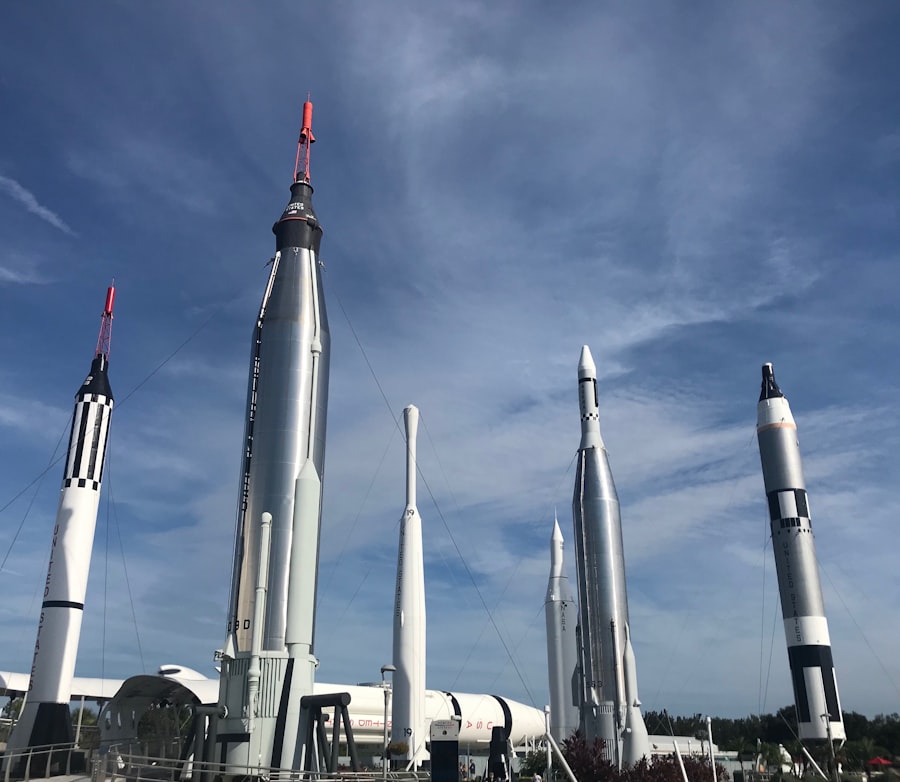
The global impact of covert space programs extends far beyond national borders, influencing international relations and shaping geopolitical dynamics. These programs have often served as tools for power projection, allowing nations to assert their influence on a global scale. For instance, satellite reconnaissance has played a crucial role in monitoring arms control agreements and verifying compliance among nations.
By providing critical intelligence on military capabilities, covert space programs have contributed to strategic stability in various regions. However, the implications are not solely positive. The existence of such programs can exacerbate tensions between nations, leading to an arms race in space technology.
Countries may feel compelled to develop their own covert initiatives in response to perceived threats, resulting in a cycle of mistrust and competition. Additionally, the potential for misinterpretation of satellite data can lead to diplomatic crises or military confrontations. As nations continue to invest in advanced space technologies, the need for transparency and dialogue becomes increasingly vital to mitigate these risks.
The Role of Government Agencies in Covert Space Programs
Government agencies play a pivotal role in the development and execution of covert space programs. In the United States, organizations such as NASA, the National Security Agency (NSA), and the NRO collaborate to design and implement initiatives that align with national security objectives. Each agency brings its unique expertise to the table, creating a multifaceted approach to space exploration and intelligence gathering.
This collaboration often involves sharing resources, technology, and information to maximize efficiency and effectiveness. However, this inter-agency cooperation is not without its challenges. The secretive nature of covert programs can lead to bureaucratic hurdles and conflicts over priorities.
Different agencies may have competing interests or divergent views on how best to utilize resources, which can hinder progress. Furthermore, oversight mechanisms are often limited due to the classified nature of these initiatives, raising concerns about accountability and governance. As technology continues to advance and the stakes grow higher, it is essential for government agencies to navigate these complexities while ensuring that their actions align with democratic principles.
The Ethical and Legal Implications of Covert Space Programs
| Program Name | Agency/Organization | Operational Period | Known Objectives | Estimated Budget (in billions) | Notable Technologies |
|---|---|---|---|---|---|
| Project Aurora | US Air Force | 1980s – 1990s | Hypersonic reconnaissance aircraft development | 5 | Hypersonic propulsion, stealth technology |
| Black Manta | Unknown | 2000s – Present | Advanced space surveillance and reconnaissance | 3 | Stealth satellites, advanced sensors |
| Solar Warden | Alleged multinational coalition | 1990s – Present | Space defense and patrol | 10 | Orbital battle stations, advanced spacecraft |
| Dark Fleet | Alleged secret military group | Unknown | Deep space exploration and defense | Unknown | Advanced propulsion, cloaking technology |
| Project Blue Book (Space Variant) | US Air Force | 1950s – 1960s | UFO investigation and reverse engineering | 1 | Experimental aircraft, radar technology |
The ethical and legal implications surrounding covert space programs are profound and multifaceted. On one hand, proponents argue that such initiatives are necessary for national security and defense against potential threats. They contend that gathering intelligence from space is a legitimate means of protecting citizens and maintaining global stability.
However, critics raise significant concerns about privacy violations and the potential for abuse of power. The lack of transparency associated with these programs can lead to a culture of secrecy that undermines public trust in government institutions. Legal frameworks governing space activities are also evolving in response to these challenges.
International treaties such as the Outer Space Treaty establish guidelines for the peaceful use of outer space but often fall short in addressing the complexities of covert operations. As nations continue to push the boundaries of technology and surveillance capabilities, there is an urgent need for comprehensive legal frameworks that balance national security interests with individual rights. This ongoing dialogue will be crucial in shaping the future landscape of space exploration and intelligence gathering.
The Secrecy Surrounding Covert Space Programs

Secrecy is a defining characteristic of covert space programs, often justified by national security concerns. Governments maintain classified information about these initiatives to protect sensitive technologies and operational strategies from adversaries. However, this veil of secrecy can lead to public skepticism and conspiracy theories regarding the true nature of these programs.
The lack of transparency fosters an environment where speculation thrives, often overshadowing legitimate discussions about the implications of such initiatives. Moreover, this secrecy can create barriers to accountability and oversight. When information is classified, it becomes challenging for citizens and watchdog organizations to scrutinize government actions effectively.
This lack of oversight can result in unchecked power dynamics within government agencies, raising ethical questions about their authority to operate without public knowledge or consent. As society grapples with these issues, finding a balance between necessary secrecy for national security and the public’s right to know remains a critical challenge.
The Connection Between Covert Space Programs and UFO Sightings
The connection between covert space programs and UFO sightings has long been a topic of fascination and speculation. Many UFO enthusiasts posit that some unidentified flying objects may actually be advanced military technologies developed under the auspices of secretive government initiatives.
While there is no definitive evidence linking covert space programs directly to UFO sightings, the overlap between advanced aerospace technology and public curiosity fuels ongoing debates within both scientific communities and popular culture. Government disclosures regarding previously classified documents related to UFOs have only intensified interest in this connection. As more information comes to light about covert operations in space, it raises questions about what remains hidden from public view and whether there are indeed phenomena that challenge conventional understanding.
The Potential Dangers of Covert Space Programs
The potential dangers associated with covert space programs are manifold and warrant careful consideration. One significant concern is the risk of militarization of space. As nations develop advanced technologies for surveillance and reconnaissance, there is a growing fear that space could become a battleground for conflicts between superpowers.
The deployment of weapons in orbit or aggressive posturing could escalate tensions and lead to catastrophic consequences for global security. Additionally, there are environmental implications tied to these programs. The launch of satellites and other spacecraft contributes to space debris accumulation, posing risks not only to operational satellites but also to human life aboard the International Space Station (ISS).
As more countries engage in space exploration activities, addressing these environmental challenges becomes increasingly urgent. The potential for accidents or collisions in orbit underscores the need for responsible practices within covert space initiatives.
The Future of Covert Space Programs
The future of covert space programs is poised for transformation as technological advancements continue at an unprecedented pace. Emerging technologies such as quantum computing, miniaturization of satellites, and enhanced propulsion systems promise to revolutionize how nations approach intelligence gathering and space exploration. These innovations may enable more efficient data collection while reducing costs associated with traditional methods.
However, this future also raises critical questions about governance and ethical considerations surrounding these initiatives. As capabilities expand, so too does the potential for misuse or unintended consequences. Striking a balance between leveraging technological advancements for national security purposes while respecting individual rights will be paramount in shaping the trajectory of covert space programs moving forward.
The Efforts to Unveil the Hidden Agenda of Covert Space Programs
Efforts to unveil the hidden agenda behind covert space programs have gained momentum in recent years as public interest grows alongside calls for transparency from government entities. Investigative journalists, researchers, and advocacy groups have sought access to classified documents and information related to these initiatives, aiming to shed light on their true nature and objectives. This push for transparency reflects a broader societal demand for accountability from those in power.
Moreover, advancements in technology have facilitated greater scrutiny over government actions related to covert operations. Whistleblowers have emerged as critical sources of information regarding clandestine activities within agencies involved in space exploration and intelligence gathering. Their revelations have sparked debates about ethical responsibilities within government institutions while highlighting the importance of protecting whistleblowers who seek to expose wrongdoing.
The Public’s Right to Know about Covert Space Programs
The public’s right to know about covert space programs is a contentious issue that lies at the intersection of national security interests and democratic principles.
They contend that informed citizens are better equipped to engage in meaningful discourse about policies affecting their communities.
Conversely, proponents of secrecy maintain that certain information must remain classified to protect national security interests from adversaries who may exploit vulnerabilities revealed through disclosure. This ongoing debate underscores the need for robust mechanisms that balance transparency with security concerns while fostering public trust in government institutions. In conclusion, as society navigates an increasingly complex landscape shaped by technological advancements and geopolitical dynamics, understanding covert space programs becomes essential for fostering informed dialogue about their implications on global security, ethics, and individual rights.
In exploring the intriguing world of covert space programs, one can gain valuable insights from the article available on XFile Findings. This resource delves into various aspects of secretive space initiatives and their implications for our understanding of technology and extraterrestrial life. For more information, you can read the article [here](https://www.xfilefindings.com/).
WATCH THIS! 🛰️125 Years of Hidden Signals: What NASA Just Admitted About the Black Knight Satellite
FAQs
What are covert space programs?
Covert space programs refer to secret or classified space missions and projects conducted by governments or organizations, often for military, intelligence, or strategic purposes. These programs are typically not disclosed to the public.
Which countries are known to have covert space programs?
The United States and Russia are the most commonly cited countries with covert space programs, primarily through their military and intelligence agencies. Other nations may also have secretive space initiatives, but details are often scarce.
Why do countries maintain covert space programs?
Countries maintain covert space programs to protect national security interests, conduct surveillance, develop advanced technologies, and maintain strategic advantages without revealing capabilities or intentions to potential adversaries.
Are covert space programs related to the military?
Yes, many covert space programs are military-related, involving reconnaissance satellites, space-based weapons research, or other defense-related activities that require secrecy.
How do covert space programs differ from public space programs?
Covert space programs operate under secrecy with limited or no public disclosure, whereas public space programs are openly announced and often involve scientific research, exploration, and international cooperation.
Is there evidence supporting the existence of covert space programs?
While official information is limited, declassified documents, whistleblower testimonies, and investigative journalism have provided some evidence suggesting the existence of covert space programs, though many claims remain unverified.
Can civilians access information about covert space programs?
Information about covert space programs is generally classified and not accessible to the public. However, some details may emerge through declassification, leaks, or investigative reporting over time.
Do covert space programs involve extraterrestrial research?
There are speculative claims and conspiracy theories linking covert space programs to extraterrestrial research, but no verified evidence supports these assertions in official or credible sources.
How do covert space programs impact international relations?
Covert space programs can contribute to strategic competition and mistrust among nations, potentially influencing arms races and diplomatic negotiations related to space security and governance.
Are covert space programs regulated by international law?
International space law, such as the Outer Space Treaty, applies to all space activities, but enforcement and transparency are challenging for covert programs, which may operate in legal gray areas or under national security exemptions.