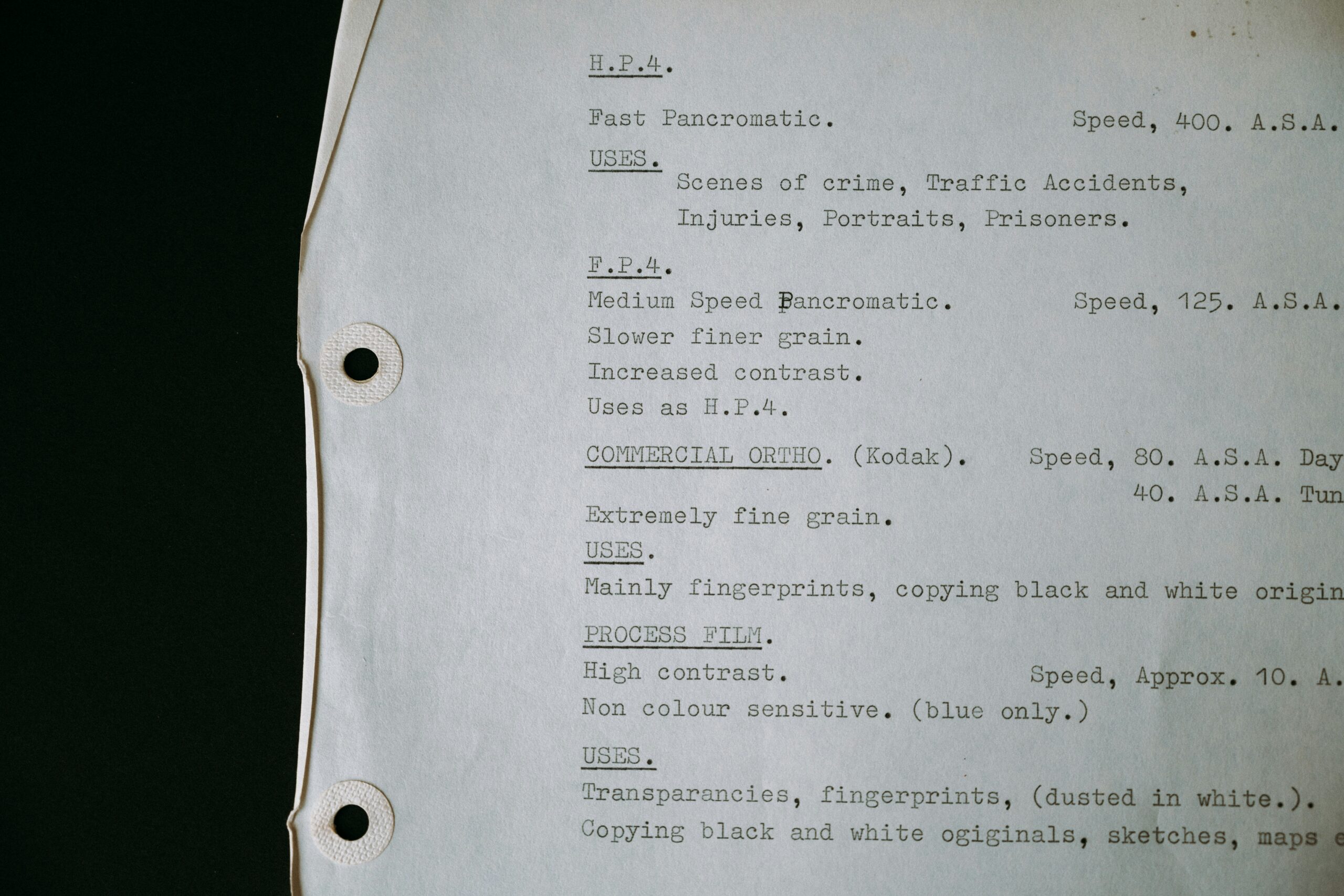
The veil of secrecy, meticulously maintained for decades, has been slowly but surely lifted, revealing glimpses into the more unusual corners of the Central Intelligence Agency’s history. Through the Freedom of Information Act (FOIA) and scheduled declassification, a trove of previously hidden documents has surfaced, offering a fascinating, and sometimes unsettling, peek behind the curtain of America’s premier intelligence agency. These declassified CIA documents, far from solely detailing geopolitical maneuvers and espionage tradecraft, frequently delve into the bizarre, the speculative, and the downright peculiar. What follows is an exploration of some of the strangest documents to have emerged from the classified archives.
One of the most consistently recurring and undeniably strange themes to emerge from declassified CIA files concerns the agency’s deep, and often prolonged, interest in parapsychological phenomena, particularly extrasensory perception (ESP) and psychic abilities. This fascination wasn’t a fleeting curiosity; it spanned decades and involved significant resources, leading to projects with names that sound more like science fiction than intelligence operations.
Project MKUltra’s Psychic Explorations
While Project MKUltra is infamous for its mind-control experiments involving drugs and psychological manipulation, a lesser-known facet of this sprawling, ethically dubious endeavor involved the exploration of psychic abilities. Declassified documents reveal that the CIA funded research into telepathy, clairvoyance, and psychokinesis, seeking to determine if such abilities could be harnessed for intelligence gathering or operational advantage. This included attempts to train individuals in these purported psychic skills, often with questionable methodologies and even more questionable results. The reports detail experiments involving remote viewing, where individuals attempted to “see” locations or events far from their physical presence, and attempts to influence random number generators through sheer mental force. The underlying motivation was clear: if psychic abilities were real, they could represent an unparalleled, undetectable intelligence asset.
Stargate and the Military’s Psychic Ambitions
Beyond MKUltra, a dedicated, long-term project known as Project Stargate (and its predecessors like Grill Flame and Sun Streak) delved even deeper into the military and intelligence applications of psychic phenomena. This multi-million dollar, decades-long program involved a diverse range of individuals, from alleged psychics to scientists studying the phenomenon. Declassified documents related to Stargate offer tantalizing, if often ambiguous, accounts of successful remote viewing sessions, where operatives accurately described distant locations or even individuals. However, the program was plagued by skepticism, inconsistent results, and the inherent difficulty in objectively verifying subjective experiences. The reports showcase a constant struggle between the allure of potentially revolutionary capabilities and the rigorous demands of scientific validation. Despite its eventual termination, the sheer volume of documentation surrounding Stargate underscores the seriousness with which the CIA and other government agencies pursued these unconventional avenues of intelligence.
The Scientific Skepticism and Unanswered Questions
Crucially, the declassified documents also reveal the internal debates and skepticism that often accompanied these parapsychological investigations. While some researchers and operatives reported intriguing results, others remained unconvinced, attributing successes to chance, suggestion, or even deliberate deception. The scientific community, for the most part, remained highly critical of the claims, demanding reproducible evidence that was often difficult to provide in the context of psychic phenomena. The documents leave a lingering question: did the CIA uncover any genuine psychic abilities, or were they simply chasing shadows in the pursuit of a scientific holy grail? The lack of definitive, universally accepted proof means these documents remain subjects of intense speculation and debate.
One of the most intriguing aspects of the CIA’s operations is the collection of declassified documents that reveal bizarre and often unsettling activities. For those interested in exploring more about the strangest declassified CIA documents, a related article can be found at XFile Findings, which delves into some of the most unusual and controversial projects undertaken by the agency throughout its history. This resource offers a fascinating glimpse into the shadowy world of intelligence and the secrets that have been kept hidden for decades.
Unidentified Flying Objects: From Observation to Investigation
Another area where declassified CIA documents reveal an unexpectedly active and sometimes quite detailed engagement is in the realm of Unidentified Flying Objects (UFOs), or as they are now more commonly termed, Unidentified Aerial Phenomena (UAP). While the public often associates government interest in UFOs with the Air Force and the Roswell incident, the CIA, in its mandate to monitor and analyze potential threats, also collected and investigated numerous reports.
The “Flying Saucer” Craze and Early Investigations
In the post-World War II era, as the “flying saucer” craze swept the globe, the CIA found itself inundated with reports from credible witnesses, including military personnel and civilian aviators. Declassified documents from this period show a structured approach to categorizing and analyzing these sightings. Initial investigations often focused on identifying conventional explanations, such as misidentified aircraft, weather phenomena, or optical illusions. However, the sheer volume and the recurring descriptions of objects exhibiting capabilities beyond known technology prompted further, more serious inquiries.
Project Blue Book and CIA Collaboration
While Project Blue Book was the most prominent public-facing Air Force initiative to investigate UFOs, declassified CIA records indicate a significant level of collaboration and information sharing. The CIA provided intelligence assessments and analysis to Blue Book, and vice versa. The declassified documents often reveal CIA analysts poring over Blue Book reports, looking for patterns, potential technological threats, or even evidence of sophisticated foreign surveillance. The agency’s interest was not necessarily in proving extraterrestrial visitation, but rather in assessing whether these phenomena represented a threat to national security, either through advanced foreign technology or other unknown means.
The Enigmatic Case Files and Unexplained Sightings
Among the most intriguing declassified UFO-related documents are those that detail specific, unexplained sightings. These are not mere anecdotal accounts but often involve detailed reports from multiple witnesses, radar data, and photographic evidence. Some of these cases, even after extensive analysis, remain stubbornly without a clear, conventional explanation. The language used in these classified reports often reflects a genuine puzzlement, highlighting the unusual speed, maneuverability, or lack of discernible propulsion systems exhibited by the objects in question. The fact that these documents were deemed important enough to be classified for so long suggests that they were not easily dismissed as misidentifications.
Covert Operations and Deceptive Tactics: Beyond the Obvious

While the public generally understands that intelligence agencies engage in covert operations, the declassified documents reveal the sheer breadth and often surprising nature of these activities. These go beyond traditional espionage and delve into areas that highlight the agency’s willingness to employ deception, psychological warfare, and even unconventional means to achieve its objectives.
Operation Mockingbird and Media Manipulation
Perhaps one of the most widely discussed, and certainly one of the most controversial, declassified operations is “Operation Mockingbird.” While the full scope and intent of Mockingbird remain subjects of debate, declassified documents suggest a CIA program that involved influencing and utilizing journalists and media outlets to disseminate propaganda and shape public opinion, both domestically and internationally. The documents reveal efforts to plant stories, cultivate sources within news organizations, and even recruit journalists as intelligence assets. The aim was to control narratives, counter Soviet propaganda, and advance U.S. foreign policy objectives through carefully crafted media messaging.
Psychological Warfare and Disinformation Campaigns
The CIA’s interest in psychological warfare (psy-war) is a recurring theme in declassified documents. These records detail sophisticated campaigns designed to undermine enemy morale, sow discord, and manipulate perceptions. This could involve spreading rumors, creating elaborate hoaxes, or using propaganda disseminated through various channels, including radio broadcasts and leaflets. The documents illustrate the agency’s understanding that perception is often reality, and that controlling information flow could be as powerful as any military force. These operations highlight a pragmatic, albeit sometimes morally ambiguous, approach to achieving strategic goals.
The ‘Human Resources’ of Espionage: Recruitment and Manipulation
Declassified files offer insights into the sometimes ethically questionable methods employed in recruiting and handling intelligence assets. This could range from leveraging personal vulnerabilities and offering financial incentives to more coercive tactics. The documents reveal the intricate processes involved in vetting, training, and deploying agents, and the constant need to maintain operational security and manage the risks associated with human intelligence. The sheer complexity of these operations, often involving navigating cultural nuances and personal motivations, is a testament to the challenges of human espionage.
The Unconventional and the Unexplained: A Spectrum of Strangeness

Beyond specific projects or operational categories, a vast number of declassified CIA documents touch upon a bewildering array of peculiar topics, ranging from the slightly eccentric to the profoundly bizarre. These documents often leave the reader scratching their head, wondering about the context, the motivation, and the ultimate outcome of these investigations.
The Quest for Truth Serum and Mind Alteration
While Project MKUltra is the most infamous example, declassified documents reveal a persistent CIA interest in developing “truth serum” and methods of mind alteration for interrogation and other purposes. This involved experimenting with various drugs, including LSD, mescaline, and scopolamine, and exploring their effects on human behavior and cognition. The records detail the often uncontrolled and ethically dubious nature of these experiments, as well as the agency’s relentless pursuit of a chemical key to unlocking secrets or controlling individuals. The sheer persistence of this line of research, even with its inherent dangers and limitations, is striking.
Animal Intelligence and Unusual Applications
In a move that borders on the absurd, declassified documents reveal CIA interest in training animals for intelligence and surveillance purposes. Projects explored the potential of cats as listening devices, using implanted microphones, and even attempts to train pigeons for aerial reconnaissance. While some of these endeavors may have had a kernel of practical application in theory, the documentation often highlights the challenges and ultimately the limited success of these unconventional approaches. The sheer novelty and imagination involved in these projects are undeniably intriguing.
Cryptids, Folklore, and the Fringe
Perhaps one of the most surprising categories of declassified documents relates to the CIA’s occasional dabbling in subjects that fall firmly into the realm of folklore and cryptozoology. While not a primary focus, there are instances where reports of cryptids, such as Bigfoot or the Loch Ness Monster, were flagged for potential intelligence value. The rationale, however unconventional, often stemmed from the possibility that these reports could be masking the presence of unknown technologies, unusual natural phenomena, or even foreign espionage disguised as local legends. While these instances are rare, their presence in the declassified archives adds another layer of bewilderment to the CIA’s investigative scope.
One of the most intriguing aspects of the CIA’s history is the collection of strange declassified documents that have surfaced over the years. These documents often reveal bizarre experiments and unusual operations that challenge our understanding of intelligence work. For those interested in exploring more about these peculiar revelations, a fascinating article can be found at XFile Findings, which delves into some of the most unusual cases and the implications they have on our perception of government secrecy.
The Legacy of Secrecy and the Unanswered Questions
| Document Title | Declassified Date | Summary |
|---|---|---|
| Project MK-ULTRA | 1975 | Experiments on mind control and behavior modification |
| Stargate Project | 1995 | Research on psychic phenomena and remote viewing |
| Operation Acoustic Kitty | 2001 | Attempt to use cats as listening devices |
The declassification of these documents, while illuminating, also serves to underscore the vast amount of information that likely remains classified. The process of declassification is slow, selective, and often incomplete, leaving many questions unanswered and fueling further speculation.
The Tip of the Iceberg: What Remains Hidden?
It is crucial to remember that the documents that have been released represent only a fraction of the CIA’s historical records. The sheer volume of information generated by a global intelligence agency over decades means that countless more files, potentially containing even stranger revelations, are still locked away. The reasons for continued classification can range from ongoing national security concerns to the sheer bureaucratic inertia of maintaining secrecy.
The Ethics of Intelligence: A Moral Compass in the Shadows
The declassified documents, particularly those related to MKUltra and media manipulation, raise profound ethical questions about the conduct of intelligence agencies. They highlight the tension between the perceived necessity of certain actions for national security and the fundamental rights and freedoms of individuals. The release of these records allows for a greater public understanding and scrutiny of these past actions, prompting important discussions about oversight and accountability.
The Enduring Allure of the Unknown
Ultimately, the declassified CIA documents, with their tantalizing glimpses into psychic phenomena, UFO investigations, unconventional operations, and downright bizarre explorations, continue to captivate the public imagination. They serve as a reminder that the world of intelligence is far more complex, and often far stranger, than depicted in popular fiction. While many of these revelations may remain unexplained, their declassification offers a unique and often unsettling window into the hidden history of American intelligence. The allure of the unknown, and the persistent questions that these documents raise, ensures that the fascination with these declassified CIA revelations will endure.

The CIA Asked a Man to Look at Mars 1 Million Years Ago
FAQs
What are declassified CIA documents?
Declassified CIA documents are records that were once classified as confidential or top secret but have since been released to the public. These documents often contain information about CIA operations, intelligence gathering, and analysis.
What kind of information can be found in declassified CIA documents?
Declassified CIA documents can contain a wide range of information, including details about covert operations, intelligence reports, analysis of foreign governments and leaders, and assessments of global threats. They can also include information about surveillance techniques, interrogation methods, and espionage activities.
How are declassified CIA documents released to the public?
Declassified CIA documents are typically released to the public through the CIA’s Freedom of Information Act (FOIA) Electronic Reading Room. This online database allows individuals to search for and access declassified documents that have been cleared for public release.
What are some examples of strange declassified CIA documents?
Some examples of strange declassified CIA documents include reports of alleged UFO sightings, experiments with mind control and psychic phenomena, and surveillance of unusual individuals or groups. These documents often generate public interest and speculation about the CIA’s involvement in unconventional activities.
Why are declassified CIA documents important?
Declassified CIA documents are important because they provide insight into the inner workings of the CIA and its historical activities. They can shed light on past events, inform public debate about government policies and actions, and contribute to a better understanding of intelligence operations and national security.