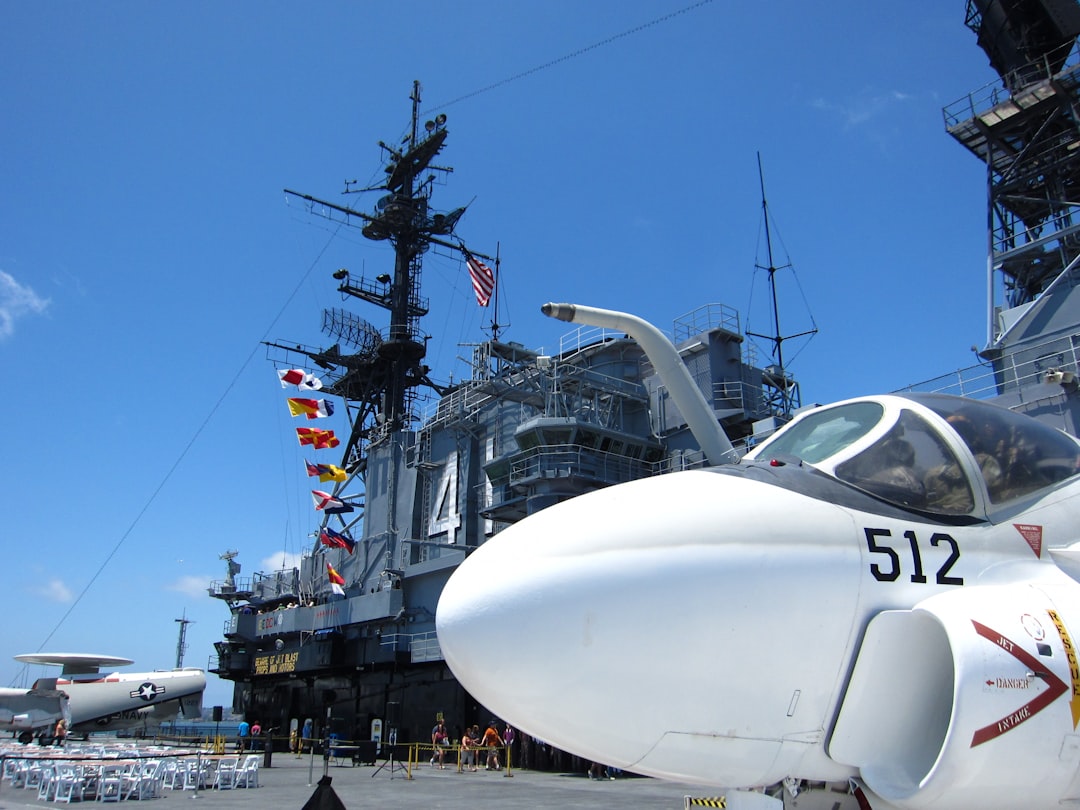
The history of Navy acoustic research is a fascinating journey that intertwines technological advancement with military necessity. It began in earnest during World War I, when the need for effective submarine detection became paramount. The introduction of sonar technology marked a significant turning point, allowing naval forces to detect enemy submarines lurking beneath the waves.
This early form of acoustic research laid the groundwork for more sophisticated methods that would evolve over the decades. As the threat of submarines grew during World War II, so too did the urgency for improved acoustic detection systems, leading to innovations that would shape naval warfare. Post-war periods saw an expansion of research into underwater acoustics, driven by both military and scientific interests.
The Cold War era further accelerated advancements in this field, as nations sought to gain an upper hand in submarine warfare. The U.S. Navy invested heavily in research programs, leading to breakthroughs in understanding sound propagation in water and the development of advanced sonar systems.
This period not only solidified the Navy’s commitment to acoustic research but also established a framework for collaboration with academic institutions and private industry, fostering a culture of innovation that continues to this day.
Key Takeaways
- Navy acoustic research has evolved significantly, revealing critical insights into underwater sound and its applications.
- Understanding underwater acoustics is vital for submarine technology, national security, and marine environmental protection.
- Declassified research has highlighted the impact of underwater noise on marine life, prompting conservation efforts.
- Collaborative and ethical approaches are increasingly important in advancing acoustic research responsibly.
- Public education and awareness are essential to support informed discussions about the benefits and challenges of navy acoustic research.
The Importance of Understanding Underwater Acoustics
Understanding underwater acoustics is crucial for a variety of reasons, particularly in the context of naval operations and marine ecology. Sound travels differently in water than in air, with factors such as temperature, salinity, and depth influencing how sound waves propagate. This unique environment necessitates specialized knowledge for effective communication and detection in naval operations.
For the Navy, mastering underwater acoustics means enhancing capabilities in submarine detection, navigation, and communication, which are vital for maintaining national security. Moreover, the implications of underwater acoustics extend beyond military applications. Scientists and researchers rely on acoustic methods to study marine life and ecosystems.
By utilizing sound waves, they can monitor fish populations, track migratory patterns, and assess the health of marine habitats. This understanding is essential for sustainable fisheries management and conservation efforts. Thus, the study of underwater acoustics serves a dual purpose: it bolsters national defense while simultaneously contributing to the preservation of marine environments. Many people have reported [USO sightings] near coastal areas around the world.
Declassified Navy Acoustic Research: What We’ve Learned
The declassification of Navy acoustic research has provided invaluable insights into both military strategies and environmental science. As previously classified documents become accessible to researchers and the public, they reveal the extensive efforts made by the Navy to understand sound propagation and its implications for submarine warfare. These findings have not only enhanced tactical operations but have also contributed to a broader understanding of how sound interacts with various underwater environments.
One significant area of learning from declassified research is the impact of underwater acoustics on marine life. Studies have shown that certain frequencies can disrupt communication among marine species, affecting their behavior and migration patterns. This knowledge has prompted further investigation into how naval operations can be conducted with minimal disruption to marine ecosystems.
The transparency brought about by declassification has fostered collaboration between military researchers and environmental scientists, leading to more informed decision-making regarding naval exercises and their potential ecological consequences.
The Impact of Underwater Noise on Marine Life
Underwater noise pollution has emerged as a pressing concern for marine life, with significant implications for biodiversity and ecosystem health. The sounds generated by naval operations, commercial shipping, and industrial activities can interfere with the natural acoustic environment that many marine species rely on for communication, navigation, and hunting.
Research has shown that chronic exposure to underwater noise can result in behavioral changes in marine animals, including altered migration routes and reduced reproductive success. The consequences extend beyond individual species; entire ecosystems can be affected as predator-prey dynamics shift due to changes in animal behavior. As awareness of these impacts grows, there is an increasing call for regulations and practices that mitigate noise pollution from naval activities, ensuring that military readiness does not come at the expense of marine health.
How Navy Acoustic Research Affects Submarine Technology
| Year | Research Focus | Key Findings | Technology Used | Impact on Navy Operations |
|---|---|---|---|---|
| 1950 | Underwater Sound Propagation | Sound speed varies with temperature, salinity, and depth | Hydrophones, Sonar Arrays | Improved submarine detection and navigation |
| 1960 | Passive Acoustic Surveillance | Development of passive sonar for long-range detection | Passive Sonar Systems | Enhanced stealth tracking of enemy vessels |
| 1970 | Acoustic Signal Processing | Advanced algorithms for noise reduction and target classification | Digital Signal Processors | Increased accuracy in identifying underwater contacts |
| 1980 | Low Frequency Active Sonar | Use of low frequency sound waves for deep ocean detection | Low Frequency Transducers | Extended detection range for submarines |
| 1990 | Environmental Acoustic Modeling | Models predicting sound propagation in complex ocean environments | Computational Acoustic Models | Optimized sonar deployment strategies |
Navy acoustic research has been instrumental in shaping modern submarine technology, enhancing stealth capabilities and operational effectiveness. The development of advanced sonar systems has allowed submarines to detect threats while remaining undetected themselves. Innovations such as passive sonar technology enable submarines to listen for sounds made by other vessels without emitting their own noise, thereby maintaining a tactical advantage in hostile environments.
Furthermore, ongoing research into sound propagation continues to inform submarine design and operation. Understanding how sound travels through different water conditions allows engineers to optimize hull shapes and materials to minimize noise production. This focus on stealth not only enhances military effectiveness but also aligns with broader environmental goals by reducing the acoustic footprint of submarines in sensitive marine areas.
As technology evolves, the interplay between acoustic research and submarine design will remain a critical aspect of naval strategy.
The Role of Acoustic Research in National Security
Acoustic research plays a pivotal role in national security by providing essential tools for surveillance and intelligence gathering. The ability to detect submarines and other underwater threats is crucial for maintaining maritime security and protecting national interests. Advanced sonar systems developed through extensive research enable navies to monitor vast ocean areas effectively, ensuring that potential adversaries cannot operate undetected.
Moreover, acoustic research contributes to strategic planning and operational readiness. By understanding the acoustic environment in various regions, military planners can devise tactics that exploit or mitigate sound propagation characteristics. This knowledge is particularly important in contested waters where adversaries may employ similar technologies.
As global tensions rise and maritime threats evolve, the importance of robust acoustic research will only increase, underscoring its significance in safeguarding national security.
Declassified Navy Acoustic Research and Environmental Conservation
The intersection of declassified Navy acoustic research and environmental conservation highlights a growing recognition of the need for responsible military practices. As previously classified studies become public, they reveal not only military strategies but also insights into the ecological impacts of naval operations. This transparency fosters collaboration between military researchers and environmental advocates, leading to more sustainable practices that consider both national security and ecological health.
One notable outcome of this collaboration is the development of guidelines aimed at minimizing the impact of naval exercises on marine life. By integrating findings from acoustic research into operational planning, the Navy can conduct training exercises while mitigating potential harm to sensitive ecosystems. This approach reflects a commitment to balancing military readiness with environmental stewardship, demonstrating that national security and conservation efforts can coexist harmoniously.
The Future of Navy Acoustic Research
The future of Navy acoustic research is poised for exciting developments as technology continues to advance at a rapid pace. Innovations in artificial intelligence and machine learning are beginning to play a significant role in analyzing acoustic data, enabling more accurate threat detection and environmental monitoring. These technologies can process vast amounts of data from sonar systems, identifying patterns that may be imperceptible to human analysts.
Additionally, as climate change alters ocean conditions, ongoing research will be essential for understanding how these changes affect sound propagation and marine ecosystems. The Navy’s commitment to adapting its acoustic research efforts will be crucial in addressing emerging challenges related to underwater noise pollution and its impact on marine life. By staying at the forefront of technological advancements and environmental science, Navy acoustic research will continue to evolve in ways that enhance both military capabilities and ecological conservation.
Collaborative Efforts in Acoustic Research
Collaboration has become a cornerstone of modern acoustic research, bringing together military experts, academic institutions, and environmental organizations to address complex challenges related to underwater acoustics. Joint initiatives allow for the sharing of knowledge and resources, fostering innovation that benefits both national security and environmental conservation efforts. These partnerships have led to groundbreaking studies that explore the effects of underwater noise on marine life while simultaneously enhancing naval capabilities.
One example of successful collaboration is the establishment of research consortia that focus on specific issues related to underwater acoustics.
By pooling expertise from diverse fields, these collaborative efforts are paving the way for more sustainable approaches to naval operations that prioritize both security needs and ecological health.
The Ethical Considerations of Navy Acoustic Research
As with any field involving military applications, ethical considerations play a significant role in Navy acoustic research. The potential impacts on marine life raise important questions about responsibility and accountability in conducting naval operations. Researchers must grapple with balancing national security interests against the need to protect vulnerable ecosystems from the adverse effects of underwater noise pollution.
Furthermore, transparency in research findings is essential for fostering public trust and ensuring informed decision-making regarding naval activities. Engaging with stakeholders—including environmental organizations, local communities, and policymakers—can help address concerns about the ecological impacts of military operations while promoting responsible practices that align with ethical standards. By prioritizing ethical considerations in their research endeavors, the Navy can demonstrate its commitment to both national security and environmental stewardship.
Public Awareness and Education on Navy Acoustic Research
Public awareness and education regarding Navy acoustic research are vital for fostering understanding and support for its objectives. As citizens become more informed about the complexities of underwater acoustics and their implications for both national security and marine conservation, they are better equipped to engage in discussions about military practices and environmental protection. Educational initiatives aimed at schools, community organizations, and public forums can help demystify the science behind underwater acoustics while highlighting its relevance to everyday life.
By promoting dialogue between researchers, military personnel, environmental advocates, and the public, these efforts can bridge gaps in understanding and encourage collaborative approaches to addressing challenges related to underwater noise pollution. Ultimately, raising awareness about Navy acoustic research not only enhances public knowledge but also fosters a sense of shared responsibility for protecting marine ecosystems while ensuring national security.
Recent developments in declassified Navy acoustic research have shed light on various underwater phenomena, including the detection of submarines and marine life. For a deeper understanding of these advancements and their implications, you can read more in the related article found here: Navy Acoustic Research Insights. This article explores the methodologies and technologies used in acoustic research, providing valuable context to the declassified information.
WATCH THIS! 🤯 THEY FOUND IT: NAVY EXPERT EXPOSES PUERTO RICO TRENCH SECRET 🤫
FAQs
What is declassified Navy acoustic research?
Declassified Navy acoustic research refers to studies and data related to underwater sound and sonar technologies that were previously restricted for national security reasons but have since been made publicly available.
Why was Navy acoustic research classified initially?
Navy acoustic research was classified to protect sensitive information about submarine detection, underwater communication, and sonar capabilities that could compromise military advantages if disclosed.
What types of information are included in declassified acoustic research?
The information may include sonar system designs, underwater sound propagation data, acoustic signal processing techniques, and findings on marine life interactions with sonar.
How can declassified acoustic research benefit civilian applications?
Declassified research can aid in improving underwater navigation, marine biology studies, environmental monitoring, and the development of commercial sonar and communication systems.
Where can one access declassified Navy acoustic research documents?
These documents are often available through government archives, the National Archives and Records Administration (NARA), or specific Navy research institutions’ public repositories.
Are there any restrictions on using declassified Navy acoustic research?
Once declassified, the information is generally free for public use, but users should verify that no additional restrictions or export controls apply to specific data or technologies.
When did the Navy start declassifying acoustic research?
Declassification has occurred gradually over several decades, often aligned with changes in technology relevance and national security assessments.
How does acoustic research impact naval operations?
Acoustic research enhances submarine detection, mine hunting, underwater communication, and stealth capabilities, which are critical for effective naval operations.
What role does acoustic research play in environmental protection?
Understanding underwater acoustics helps assess the impact of sonar on marine life and supports the development of guidelines to minimize environmental harm.
Can the public contribute to ongoing acoustic research?
While military research is controlled, civilian scientists and institutions often collaborate on acoustic studies, especially in environmental and oceanographic fields.