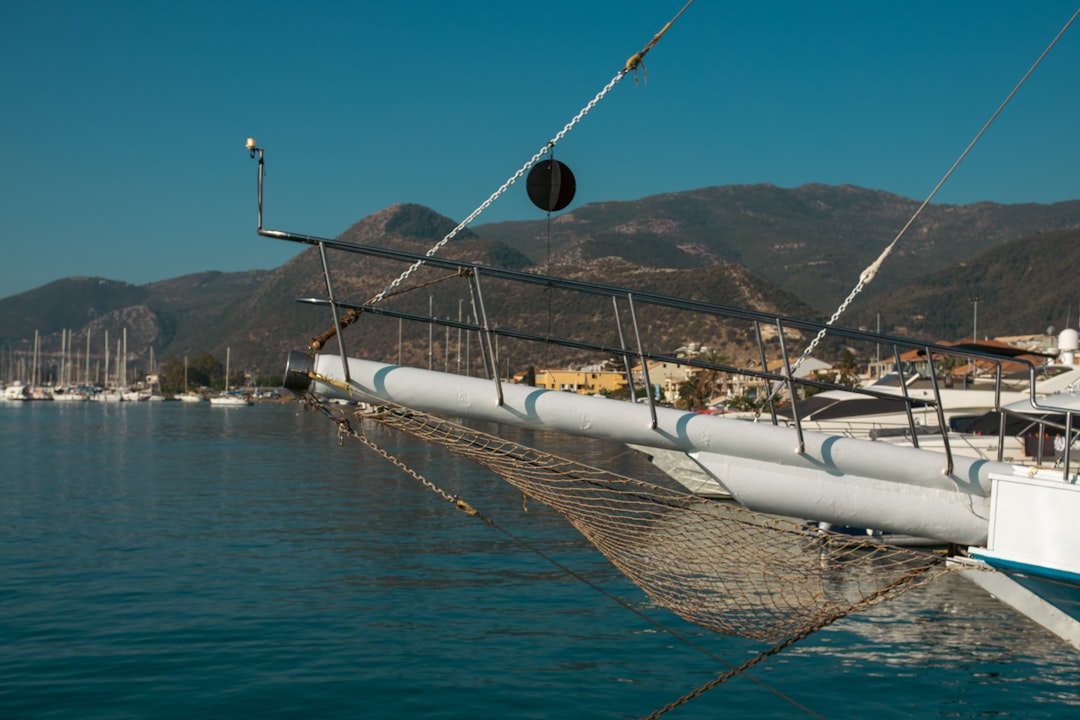
Navy sonar technology serves as a fundamental element of contemporary naval operations, providing capabilities for detecting, classifying, and tracking underwater objects. This technology utilizes acoustic wave propagation through water to collect data about the marine environment, including submarines, underwater mines, and surface vessels. Naval forces employ sonar systems to maintain underwater situational awareness and improve operational effectiveness across diverse maritime missions.
Sonar technology functions as a primary tool for underwater surveillance and navigation in military applications. Sonar technology development has progressed substantially since its introduction during World War I. Early sonar systems relied on basic acoustic principles and analog processing methods.
Modern sonar systems incorporate digital signal processing, computational algorithms, and machine learning techniques to analyze acoustic data. These technological improvements have enhanced detection range, target discrimination, and noise reduction capabilities. Current research focuses on integrating artificial intelligence for automated target recognition and improving performance in challenging acoustic environments.
The technology continues to advance through developments in transducer design, signal processing methods, and data fusion techniques.
Key Takeaways
- Navy sonar technology has evolved significantly, enhancing underwater surveillance and naval operations.
- Declassified sonar advancements have improved detection capabilities while raising concerns about marine life impact.
- Environmental regulations and collaboration with civilian agencies are crucial in managing sonar use responsibly.
- Training and education are key to effectively operating and advancing sonar technologies in the Navy.
- Future applications of declassified sonar promise enhanced maritime security with a focus on minimizing ecological effects.
History of Declassified Navy Sonar Technology
The history of declassified Navy sonar technology is a fascinating journey that reflects the broader developments in military technology and underwater exploration. The origins of sonar can be traced back to the early 20th century when the need for effective anti-submarine warfare became apparent during World War
As the decades progressed, particularly during World War II, sonar technology saw significant enhancements. The introduction of more sophisticated equipment allowed for improved detection ranges and accuracy. The post-war era marked a turning point as declassified research and development efforts led to the refinement of sonar systems.
The Cold War further accelerated advancements in sonar technology, as both the United States and the Soviet Union invested heavily in underwater surveillance capabilities. The declassification of certain technologies in subsequent years has provided valuable insights into the evolution of sonar systems and their applications in naval operations. Many people have reported [
The advancements in underwater surveillance through sonar technology have been nothing short of revolutionary. Modern sonar systems utilize a variety of techniques, including active and passive sonar, to gather comprehensive data about underwater environments. Active sonar emits sound waves that bounce off objects and return to the source, allowing for precise location tracking.
In contrast, passive sonar listens for sounds generated by other vessels or marine life, providing a stealthy means of surveillance without revealing the listener’s position. Recent innovations have also introduced multi-beam sonar systems that can cover larger areas with greater detail. These systems employ multiple beams to create high-resolution images of the seafloor and detect objects at various depths.
Additionally, advancements in signal processing algorithms have enhanced the ability to filter out background noise and improve target detection capabilities. As a result, naval forces can now conduct more effective reconnaissance missions, monitor maritime traffic, and respond swiftly to potential threats.
The Role of Sonar in Naval Operations
Sonar technology plays an indispensable role in naval operations, serving as a cornerstone for various mission types. One of its primary functions is anti-submarine warfare (ASW), where sonar systems are employed to detect and track enemy submarines. By providing real-time data on submarine movements, naval forces can develop strategies to counter potential threats effectively.
This capability is crucial for maintaining maritime security and ensuring safe passage for naval vessels. Moreover, sonar technology is integral to mine detection and clearance operations. Underwater mines pose significant risks to naval vessels and commercial shipping alike.
Sonar systems equipped with advanced imaging capabilities can identify and classify mines, allowing for safe navigation through potentially hazardous waters. Additionally, sonar aids in search and rescue missions by locating distressed vessels or individuals submerged underwater. The versatility of sonar technology underscores its importance across a wide range of naval operations.
Impact of Declassified Sonar Technology on Marine Life
| Metric | Description | Value / Detail | Source / Year |
|---|---|---|---|
| Frequency Range | Operational frequency band of declassified sonar systems | 1 kHz to 100 kHz | US Navy, 2010 |
| Detection Range | Maximum effective detection distance for submarines | Up to 50 km (surface ships) | Declassified report, 2015 |
| Sonar Type | Type of sonar technology declassified | Active and Passive Sonar | US Navy, 2008 |
| Array Size | Typical size of sonar transducer arrays | Up to 100 elements | Declassified technical manual, 2012 |
| Signal Processing | Type of signal processing used in declassified systems | Beamforming and Doppler processing | US Navy, 2010 |
| Deployment Platforms | Platforms where declassified sonar tech is used | Surface ships, submarines, fixed arrays | Declassified documents, 2013 |
| Noise Reduction | Techniques used to reduce ambient noise interference | Adaptive filtering and signal averaging | US Navy, 2011 |
While declassified Navy sonar technology has significantly enhanced naval capabilities, it has also raised concerns regarding its impact on marine life. The use of active sonar systems generates loud sound waves that can disrupt marine ecosystems and affect various species, particularly marine mammals such as whales and dolphins. These animals rely on echolocation for communication and navigation; thus, exposure to intense sound waves can lead to disorientation, stress, and even strandings.
Research has shown that certain frequencies emitted by sonar can interfere with the natural behaviors of marine life, leading to changes in migration patterns and feeding habits. As awareness of these impacts has grown, environmental organizations have called for stricter regulations on the use of sonar technology in sensitive marine areas. Balancing national security interests with environmental protection remains a complex challenge that requires ongoing dialogue among stakeholders.
Challenges and Limitations of Sonar Technology
Despite its many advantages, sonar technology is not without its challenges and limitations. One significant issue is the phenomenon known as “acoustic clutter,” where background noise from various sources can obscure target signals. This clutter can arise from natural phenomena such as waves or marine life activity, complicating the interpretation of sonar data.
As a result, operators must employ advanced filtering techniques to distinguish between relevant signals and background noise. Another limitation lies in the performance of sonar systems at varying depths and water conditions. Factors such as temperature gradients, salinity levels, and underwater topography can affect sound propagation, leading to reduced detection ranges or inaccuracies in target classification.
Additionally, while advancements in technology have improved sonar capabilities, there remains a constant need for research and development to address these challenges effectively.
Future Applications of Declassified Navy Sonar Technology
The future applications of declassified Navy sonar technology hold great promise for both military and civilian sectors. As technological advancements continue to unfold, there is potential for integrating artificial intelligence and machine learning into sonar systems. These innovations could enhance data analysis capabilities, allowing for faster decision-making processes during naval operations.
Furthermore, autonomous underwater vehicles (AUVs) equipped with advanced sonar systems could revolutionize underwater exploration and surveillance. In addition to military applications, declassified sonar technology may find utility in environmental monitoring and marine research.
Such applications would not only contribute to scientific knowledge but also support conservation efforts aimed at protecting vulnerable marine habitats.
Environmental and Regulatory Considerations in the Use of Sonar
As the use of sonar technology continues to expand, environmental and regulatory considerations have become increasingly important. Governments and military organizations must navigate complex legal frameworks that govern the use of sound in marine environments. Regulatory bodies often impose restrictions on active sonar use in sensitive areas to mitigate potential harm to marine life.
Moreover, collaboration between military agencies and environmental organizations is essential for developing best practices that minimize ecological impacts while maintaining operational effectiveness. Research initiatives aimed at understanding the effects of sonar on marine ecosystems are crucial for informing policy decisions and ensuring responsible use of this technology.
Collaboration with Other Military and Civilian Agencies
Collaboration between military and civilian agencies is vital for maximizing the benefits of declassified Navy sonar technology while addressing its challenges. Joint efforts can lead to improved data sharing and research initiatives that enhance understanding of both military needs and environmental concerns. For instance, partnerships between naval forces and marine research institutions can facilitate studies on the impact of sonar on marine life while also exploring innovative solutions to mitigate these effects.
Additionally, inter-agency collaboration can foster advancements in technology development by pooling resources and expertise from various sectors. By working together, military organizations can leverage civilian innovations in signal processing or data analysis to enhance their operational capabilities while ensuring compliance with environmental regulations.
Training and Education in Navy Sonar Technology
Training and education play a crucial role in ensuring that personnel operating sonar systems are well-equipped with the necessary skills and knowledge. The complexity of modern sonar technology requires comprehensive training programs that cover both technical aspects and operational procedures. Naval training institutions often incorporate simulations and hands-on exercises to provide personnel with practical experience in using sonar systems effectively.
Furthermore, ongoing education is essential as technology continues to evolve rapidly. Continuous professional development programs can help personnel stay abreast of advancements in sonar technology, ensuring they are prepared to adapt to new challenges in naval operations. By investing in training and education, navies can enhance their operational readiness while maximizing the potential of declassified sonar technology.
The Future of Declassified Navy Sonar Technology
The future of declassified Navy sonar technology is poised for exciting developments that will shape both military operations and environmental stewardship. As advancements continue to emerge, there is potential for enhanced capabilities that will improve underwater surveillance while minimizing ecological impacts. The integration of artificial intelligence and machine learning into sonar systems promises to revolutionize data analysis processes, enabling faster decision-making during critical missions.
However, navigating the complexities associated with environmental considerations will remain a priority as stakeholders seek to balance national security interests with marine conservation efforts. Collaborative initiatives between military agencies, civilian organizations, and regulatory bodies will be essential for fostering responsible use of sonar technology while advancing scientific understanding of its effects on marine ecosystems. Ultimately, the future holds great promise for declassified Navy sonar technology as it continues to evolve in response to emerging challenges and opportunities within both military and civilian contexts.
Recent advancements in declassified sonar technology have significantly enhanced naval operations, allowing for improved underwater surveillance and detection capabilities. For a deeper understanding of how these technologies have evolved and their implications for modern naval warfare, you can read more in this related article on XFile Findings: XFile Findings. This resource provides insights into the historical context and future potential of sonar systems in the Navy.
WATCH THIS! 🤯 THEY FOUND IT: NAVY EXPERT EXPOSES PUERTO RICO TRENCH SECRET 🤫
FAQs
What is declassified sonar technology?
Declassified sonar technology refers to sonar systems and related information that were previously restricted or classified for military use but have since been made available to the public or civilian sectors.
Why does the Navy declassify sonar technology?
The Navy declassifies sonar technology to promote scientific research, enhance commercial applications, foster innovation, and share advancements that no longer pose a security risk.
How does sonar technology work?
Sonar technology works by emitting sound waves underwater and detecting the echoes that bounce back from objects, allowing users to determine the location, distance, and characteristics of underwater objects.
What are the common uses of declassified sonar technology?
Declassified sonar technology is commonly used in marine research, underwater mapping, commercial fishing, navigation, environmental monitoring, and search and rescue operations.
When was sonar technology first developed by the Navy?
The Navy began developing sonar technology in the early 20th century, with significant advancements during World War I and World War II to detect submarines and underwater threats.
Is declassified sonar technology still effective compared to modern systems?
While declassified sonar technology may not have the advanced capabilities of the latest classified systems, it remains effective for many civilian and research applications.
Can civilians access declassified Navy sonar technology?
Yes, civilians, researchers, and commercial entities can access declassified sonar technology through public records, government releases, and specialized equipment manufacturers.
What impact has declassified sonar technology had on marine science?
Declassified sonar technology has greatly enhanced marine science by enabling detailed seafloor mapping, studying marine life, and improving understanding of underwater environments.
Are there any restrictions on using declassified sonar technology?
While the technology is declassified, users must still comply with local, national, and international regulations regarding sonar use, especially to protect marine wildlife and ensure safe navigation.
Where can I find more information about declassified Navy sonar technology?
More information can be found through official Navy publications, government archives, scientific journals, and organizations specializing in marine technology and defense history.