
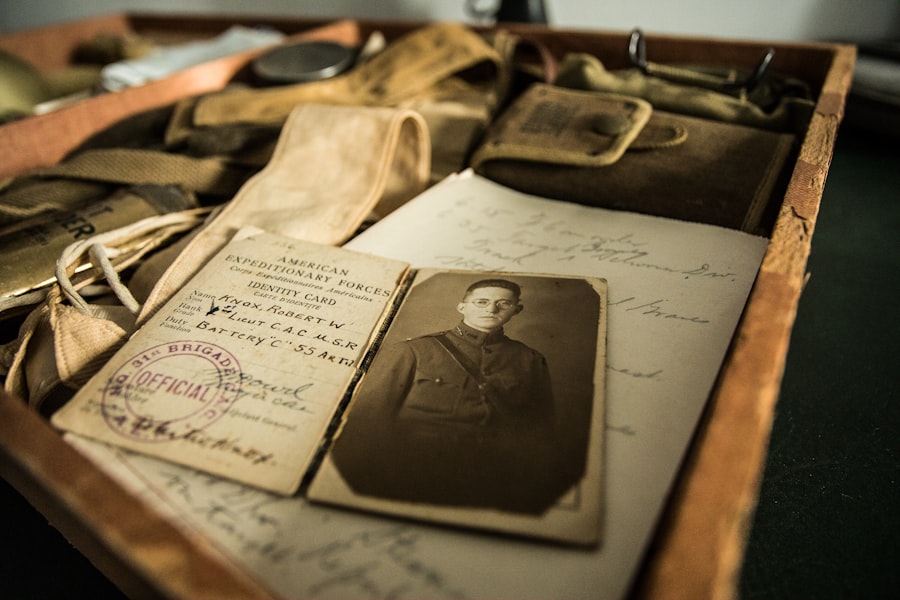
The unveiling of declassified military records from the mid-20th century offers a significant opportunity for historical examination. These documents, once shielded by the veil of national security, now provide granular insights into the thinking, planning, and execution of military operations during a period of profound global change. The mid-20th century was a crucible of innovation and conflict, shaping the geopolitical landscape for decades to come. Examining these declassified files allows for a more nuanced understanding of the forces at play, moving beyond official narratives and publicly released accounts.
The Shadow of the Cold War
The declassified records cast a stark light on the pervasive influence of the Cold War on military strategy. Documents detail the constant recalibration of defense postures, the assessment of Soviet capabilities, and the development of doctrine aimed at deterring or, if necessary, engaging in large-scale conflict. The emphasis was on the perceived existential threat from the Soviet Union, driving a relentless pursuit of technological and strategic superiority. This was not merely a matter of military preparedness but a deeply ingrained ideological struggle that permeated all levels of planning.
Intelligence Gathering and Analysis
- Espionage and Counter-Espionage: Freed documents reveal the intricate web of intelligence operations. Reports detail the efforts to penetrate Soviet missile programs, monitor troop movements, and understand the internal political dynamics of the Eastern Bloc. Conversely, they also illuminate the significant resources dedicated to uncovering and thwarting Soviet intelligence efforts within the West. The constant threat of infiltration and the struggle to maintain secure communication channels were recurring themes.
- The Role of Cryptography: The development and application of cryptographic techniques played a pivotal role. Declassified memos and reports discuss the successes and failures in code-breaking, the importance of secure communication, and the continuous arms race in the field of cryptography itself, between Allied and Soviet forces. The ability to intercept and decipher enemy communications offered a significant strategic advantage, and the race to maintain this advantage was ongoing.
- Human Intelligence (HUMINT) Operations: Beyond technological surveillance, the documents underscore the continued reliance on human sources. Accounts of agents operating in hostile territories, the risks they undertook, and the intelligence they provided are present. The ethical complexities and operational challenges associated with HUMINT are often implicit in the bureaucratic reports and risk assessments.
Nuclear Deterrence and Doctrine
- The Birth of the Nuclear Age: The early decades of the nuclear age are heavily represented in these files. The development of nuclear weapons, the initial stockpile calculations, and the establishment of delivery systems are meticulously documented. The sheer destructive potential of these weapons fundamentally altered strategic thinking, introducing the concept of mutually assured destruction (MAD).
- Flexible Response and Escalation Control: As the nuclear standoff solidified, military planners grappled with the concept of escalation. Documents explore the development of doctrines designed to avoid immediate nuclear war, focusing on “flexible response” – the ability to engage at various levels of conflict, from conventional warfare to limited nuclear exchanges. The challenges of controlling escalation and the potential for miscalculation were constant anxieties.
- Targeting Strategy: The grim reality of nuclear war planning is laid bare in documents outlining targeting strategies. These files, often highly technical, detail the selection of military installations, industrial centers, and even urban areas as potential targets. The rationale behind these selections, often framed in terms of crippling enemy capacity, reflects a pragmatic if chilling approach to warfare.
Conventional Warfare Preparations
- Force Modernization and Deployment: Beyond nuclear capabilities, the records showcase the continual push for modernizing conventional forces. Plans for tank development, aircraft design, naval fleet expansion, and infantry equipment upgrades are detailed. The strategic rationale behind these developments, often driven by perceived Soviet strengths, is evident.
- Logistics and Supply Chain Management: The sheer scale of military operations required an immense logistical undertaking. Declassified documents reveal the meticulous planning involved in supply chain management, troop deployment, and infrastructure development to support forces across vast distances. Ensuring a constant flow of resources was a critical component of any military strategy.
- Joint Operations and Interoperability: The mid-20th century saw an increasing emphasis on coordinated operations between different branches of the military. Records illustrate the efforts to develop joint doctrines, improve communication between services, and ensure interoperability of equipment and forces for effective combined arms operations.
In exploring the intriguing realm of secret military records from the mid-twentieth century, one can gain valuable insights into the clandestine operations and strategies of that era. A related article that delves into the complexities of these hidden documents is available at X File Findings, which examines the implications of declassified military files and their impact on our understanding of historical events. This resource provides a comprehensive overview of how these records shape our perception of military history and the ongoing quest for transparency.
Technological Innovation and Military Applications
The Cutting Edge of Warfare
The mid-20th century was a period of unprecedented technological advancement, and the military was both a driver and a beneficiary of this innovation. Declassified records reveal the intense research and development efforts that sought to translate scientific breakthroughs into tangible military advantages. This was a relentless pursuit of the next leap in capability, often with implications that extended far beyond the battlefield.
Aerospace and Aviation Developments
- Jet Propulsion and Supersonic Flight: The transition from propeller-driven aircraft to jet engines is a significant theme. Documents detail the development of early jet fighters and bombers, the challenges of achieving supersonic speeds, and the impact this had on aerial combat and strategic bombing capabilities. The race for air superiority was a key component of the Cold War.
- Ballistic Missile Development: The development of intercontinental ballistic missiles (ICBMs) represented a paradigm shift in warfare. Records outline the scientific and engineering hurdles, the testing phases, and the strategic implications of possessed intercontinental strike capabilities – capable of reaching targets thousands of miles away with nuclear warheads.
- Early Space Exploration and Military Objectives: The burgeoning space race had significant military undertones. Documents reveal early considerations for satellite reconnaissance, communication satellites, and even weaponizing space. The potential of orbiting platforms for intelligence gathering and surveillance was recognized early on.
Electronic Warfare and Communications
- Radars and Sonar: The advancement of radar and sonar technologies was critical for both offensive and defensive operations. Files detail the development of increasingly sophisticated radar systems for early warning, target acquisition, and navigation. Similarly, sonar advancements revolutionized submarine warfare and anti-submarine operations.
- Jamming and Counter-Measures: As electronic systems became more sophisticated, so did the efforts to disrupt them. Declassified records describe the development of electronic jamming techniques to blind enemy radar and disrupt communication. Conversely, they also outline the efforts to develop counter-measures to overcome such disruptions.
- Secure Communication Systems: The importance of secure and reliable communication channels was paramount. Documents illustrate the ongoing efforts to develop encrypted communication systems, robust radio networks, and the infrastructure needed to support command and control operations under duress.
Emerging Technologies and Research
- Early Computing and Data Processing: The nascent field of computing found early military applications. Records show the use of early computers for complex calculations, simulations, and data analysis, particularly in areas like ballistics and logistics. This marked the beginning of the information revolution in military affairs.
- Materials Science and Weaponry: Innovations in materials science directly impacted weapon design. Documents may allude to the development of stronger alloys for aircraft and submarines, more effective explosives, or novel materials for protective gear.
- Biological and Chemical Warfare Research (Limited Scope): While often shrouded in secrecy and ethical controversy, some declassified records touch upon research into biological and chemical agents. These documents, though potentially limited in scope due to their sensitive nature, can provide glimpses into the research programs and the strategic considerations, however misguided, that drove them.
Societal Impact and Human Cost
The War at Home and Abroad
The mid-20th century was not solely defined by military strategizing and technological innovation; it also had a profound and often devastating impact on human societies, both within the participating nations and in the affected theaters of conflict. These declassified records, when viewed through a societal lens, illuminate the human cost and the societal adaptations that arose from wartime imperatives.
Mobilization and Domestic Front
- Conscription and Manpower: The need for vast numbers of personnel often led to widespread conscription. Documents might detail the quotas, the exemptions, and the societal impact of drafting large segments of the male population. The mobilization efforts profoundly altered family structures and labor markets.
- Industrial Production and Economic Shifts: The war effort required a massive shift in industrial production. Records can illustrate the conversion of factories, the allocation of resources, and the economic boom that accompanied war production, alongside the rationing and sacrifices made by the civilian population.
- Propaganda and Public Opinion: The shaping of public opinion was a critical aspect of maintaining support for the war effort. While not always directly military records, related documents might touch on the directives for propaganda campaigns, the monitoring of public sentiment, and the efforts to maintain morale on the home front.
The Soldier’s Experience
- Training and Readiness: The effectiveness of any military hinges on the quality of its personnel. Records may detail the evolution of training regimes, the emphasis on discipline, and the psychological preparation of soldiers for the rigors of combat. The transition from civilian to soldier was a rigorously managed process.
- Medical Care and Veterans’ Affairs: The physical and psychological wounds of war demanded significant medical resources. Documents might reflect the advancements in battlefield medicine, the organization of field hospitals, and the subsequent efforts to care for returning veterans, including rehabilitation and support programs.
- Morale and Psychological Warfare: Maintaining troop morale was a constant concern. Records could shed light on the strategies employed to boost morale, the impact of combat stress, and the measures taken to address psychological casualties in the field. The mental toll of warfare was increasingly recognized.
Civilian Impact and War Crimes
- Occupied Territories and Civilian Populations: The impact of military operations on civilian populations in occupied territories is a difficult but crucial area of examination. Documents, where they exist, might offer insights into the policies enforced, the distribution of resources, and the interactions between occupying forces and local populations.
- Prisoner of War (POW) Treatment: The treatment of prisoners of war was a significant concern, with international conventions attempting to govern their welfare. Records might address the protocols for handling POWs, reports of conditions, and investigations into any alleged violations of these protocols.
- The Shadow of Atrocities: While official records often strive for objectivity, the darker aspects of conflict, including tales of atrocities, can sometimes be glimpsed. Declassified documents might include initial reports of suspected war crimes, investigations, or intelligence assessments related to enemy actions, providing a somber counterpoint to strategic discussions.
Geopolitical Realignments and Diplomatic Undercurrents

The Shifting World Stage
The mid-20th century was a period of immense geopolitical flux, with the established world order dramatically reshaped by global conflicts and the rise of new superpowers. Declassified military records, when analyzed in tandem with diplomatic histories, offer a clearer picture of the strategic calculations that underpinned these realignments and the delicate dance of international relations.
Post-War Settlements and Spheres of Influence
- The Division of Europe: The division of Europe into Eastern and Western spheres of influence is a central theme. Documents from this era illuminate the military planning and strategies that solidified these divisions, including the establishment of alliances like NATO and the Warsaw Pact and the military presence in occupied Germany.
- Decolonization and Proxy Conflicts: The mid-20th century witnessed the decline of colonial empires and the rise of proxy conflicts in newly independent nations. Military records may provide context for the involvement of major powers in these regions, often indirectly supporting one side or the other in local disputes.
- International Treaties and Agreements: While primarily diplomatic, military planning often informed the leverage and considerations behind international treaties. Records might offer insights into how military capabilities or postures influenced negotiations and the enforcement of post-war agreements.
Intelligence Cooperation and Rivalry
- Allied Intelligence Sharing: During periods of common threat, Allied nations engaged in intelligence sharing to a considerable extent. Declassified documents can reveal the extent and limitations of this cooperation, the types of intelligence exchanged, and the administrative structures that facilitated it.
- Covert Operations and Influence: Beyond overt military deployments, the era was characterized by covert operations aimed at influencing political outcomes in other nations. Records may touch upon the planning, execution, and objectives of such operations, often conducted in secrecy.
- The Intelligence Cycle and Feedback Loops: Understanding the intelligence cycle – collection, analysis, dissemination, and action – is crucial. Declassified documents can illustrate how intelligence gathered by military means informed policy decisions and vice versa, creating feedback loops that shaped strategic responses.
The United Nations and International Security
- Early UN Peacekeeping Mandates: The establishment of the United Nations presented a new framework for international security. While military records might not directly detail UN debates, they could offer insights into the military capabilities and readiness assessments that influenced the mandates and operations of early UN peacekeeping missions.
- Enforcement and Deterrence: The military capacities of signatory nations played a role in the perceived effectiveness of the UN as a deterrent. Documents might implicitly or explicitly link military strength to the international body’s ability to enforce resolutions or deter aggression.
During the mid-twentieth century, secret military records played a crucial role in shaping global events and strategies, often remaining classified for decades. These documents not only provide insight into military operations but also reveal the political climate of the time. For those interested in exploring this topic further, a fascinating article can be found at this link, which delves into the implications of these hidden records and their impact on contemporary military policy. Understanding these historical contexts can shed light on current defense strategies and international relations.
Evolving Doctrine and Future Implications
| Record Type | Time Period | Location | Content |
|---|---|---|---|
| Declassified Documents | 1940s-1950s | United States | Information on Cold War strategies and espionage activities |
| Classified Files | 1945-1960 | Europe | Details on military operations and intelligence gathering |
| Top Secret Records | 1950s-1960s | Asia | Insights into covert missions and technological advancements |
Lessons Learned and Enduring Legacies
The declassified records from the mid-20th century are not merely historical artifacts; they are repositories of lessons learned, operational insights, and strategic thinking that continue to resonate. Examining these documents allows for an assessment of how military doctrine has evolved and what enduring legacies were forged during this pivotal era.
Rethinking Warfare and Strategy
- Adaptation to New Threats: The rapid pace of technological and geopolitical change necessitated constant adaptation of military doctrine. Documents reveal how planners grappled with the implications of nuclear weapons, the rise of unconventional warfare, and the changing nature of global power dynamics.
- The Interplay of Technology and Tactics: The relationship between technological innovation and tactical development is a recurring theme. Records demonstrate how new weapons systems led to the revision of battlefield tactics, and conversely, how tactical needs drove technological advancements.
- The Evolution of Command and Control: The ability to effectively command and control forces in increasingly complex environments was a constant concern. Documents may illustrate the development of new communication systems, organizational structures, and doctrines to ensure effective command and control in both conventional and unconventional scenarios.
Human Factors and Psychological Warfare
- The Recognition of Psychological Impact: The mid-20th century saw a growing, albeit often nascent, recognition of the psychological toll of warfare on soldiers. Declassified records can hint at the evolving understanding of combat stress, morale management, and the long-term psychological effects of conflict.
- The Shaping of Perception: The concept of psychological warfare, the deliberate manipulation of enemy morale and public opinion, gained prominence. Documents might reflect the strategic thinking behind such operations and their integration into overall military planning.
The Enduring Legacy of Secrecy
- The Justification for Secrecy: The very act of declassification highlights the historical justification for secrecy in military affairs, often citing national security concerns. Examining the types of documents released and those that remain classified can offer insights into the perceived sensitivities of the era.
- Revisiting Historical Narratives: The release of declassified materials provides an opportunity to revisit and revise historical narratives, moving beyond official accounts to a more granular and evidence-based understanding of past events. This process can challenge established interpretations and foster a more nuanced historical perspective.
- Implications for Modern Security: The strategic challenges and decision-making processes documented in these mid-20th-century records can offer valuable context and even cautionary tales for contemporary security issues. Understanding the historical evolution of military thought and practice is essential for navigating current and future geopolitical landscapes.
The declassification of these secret military records from the mid-20th century represents a crucial step in understanding a period that fundamentally shaped the world we inhabit. By carefully examining these documents, historians, analysts, and the public alike can gain a more profound appreciation for the strategic realities, technological advancements, human costs, and geopolitical shifts that defined this transformative era. The insights gleaned from these once-guarded files offer a vital perspective, not only on the past but also on the ongoing evolution of warfare and international relations.
FAQs
What are secret military records from the mid twentieth century?
Secret military records from the mid twentieth century are classified documents that contain information about military operations, intelligence activities, and other sensitive matters from that time period.
Why were these records kept secret?
These records were kept secret to protect national security, safeguard sensitive information, and maintain the confidentiality of military operations and intelligence activities during that era.
What kind of information do these records contain?
These records may contain details about military strategies, weapons development, intelligence gathering, covert operations, and other classified information related to the military activities of that time period.
How were these records declassified?
Some of these records have been declassified over time through the Freedom of Information Act (FOIA) or other government declassification processes, allowing researchers and the public to access previously classified information.
What insights can these records provide about the mid twentieth century military activities?
These records can provide valuable insights into the historical events, military strategies, and intelligence operations of the mid twentieth century, shedding light on previously undisclosed aspects of that era’s military history.