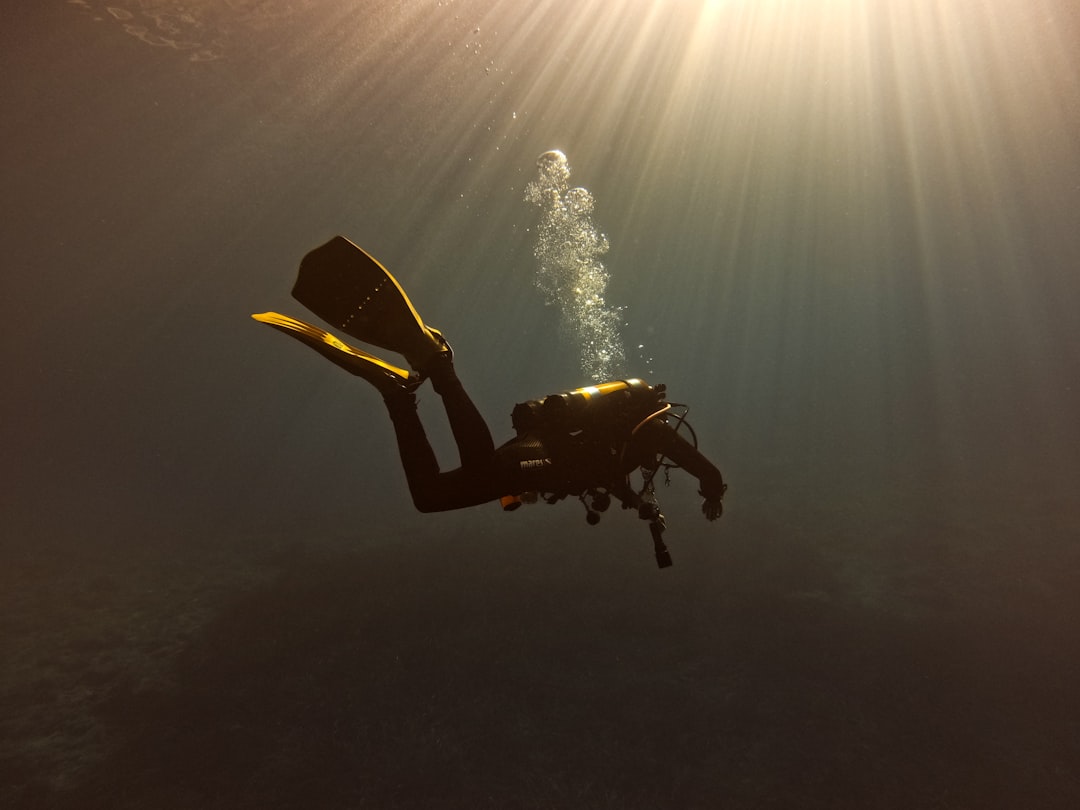
In recent years, the world has witnessed a remarkable shift in the realm of underwater technology, particularly with the declassification of various military and governmental research projects. This newfound transparency has opened the floodgates for innovation and collaboration among scientists, engineers, and researchers. The declassification of underwater tech not only enhances the understanding of marine environments but also paves the way for advancements that can benefit multiple sectors, including environmental conservation, resource management, and even national security.
As nations share their previously guarded knowledge, the potential for groundbreaking discoveries in subsea exploration becomes increasingly tangible. The implications of declassified underwater technology extend far beyond mere academic interest. They represent a convergence of scientific inquiry and practical application, where the mysteries of the ocean floor can be unraveled with cutting-edge tools and methodologies.
This article delves into the historical context of subsea exploration, the evolution of underwater technology, and the critical role it plays in various industries today. By examining the key players in this field and the challenges they face, one can appreciate the significance of these advancements and their potential to shape the future of marine exploration.
Key Takeaways
- Declassified underwater technology has significantly advanced subsea exploration capabilities.
- Historical developments have paved the way for modern, sophisticated underwater tools and equipment.
- Subsea exploration is crucial for scientific research, resource discovery, and environmental monitoring.
- Key industry players drive innovation, addressing challenges and minimizing environmental impacts.
- Future trends point to enhanced technology applications across multiple industries, expanding underwater exploration potential.
Historical Overview of Subsea Exploration
The history of subsea exploration is rich and varied, tracing back to ancient civilizations that relied on rudimentary diving techniques for fishing and resource gathering. The Greeks and Romans utilized primitive diving bells, while early explorers like Jacques Cousteau revolutionized underwater exploration in the 20th century with innovations such as the Aqua-Lung. These early endeavors laid the groundwork for modern subsea exploration, highlighting humanity’s enduring fascination with the ocean’s depths.
As technology progressed, so too did the methods employed to explore these uncharted territories. The Cold War era marked a significant turning point in underwater exploration, as nations invested heavily in submarine technology and deep-sea research for military purposes. The development of advanced submersibles and remotely operated vehicles (ROVs) allowed for unprecedented access to the ocean’s depths.
This period also saw the establishment of various research institutions dedicated to studying marine ecosystems and underwater geology. The declassification of many military projects in recent years has provided a wealth of information that was previously inaccessible, allowing researchers to build upon decades of knowledge and experience. Many people have reported [USO sightings] near coastal areas around the world.
Evolution of Underwater Technology
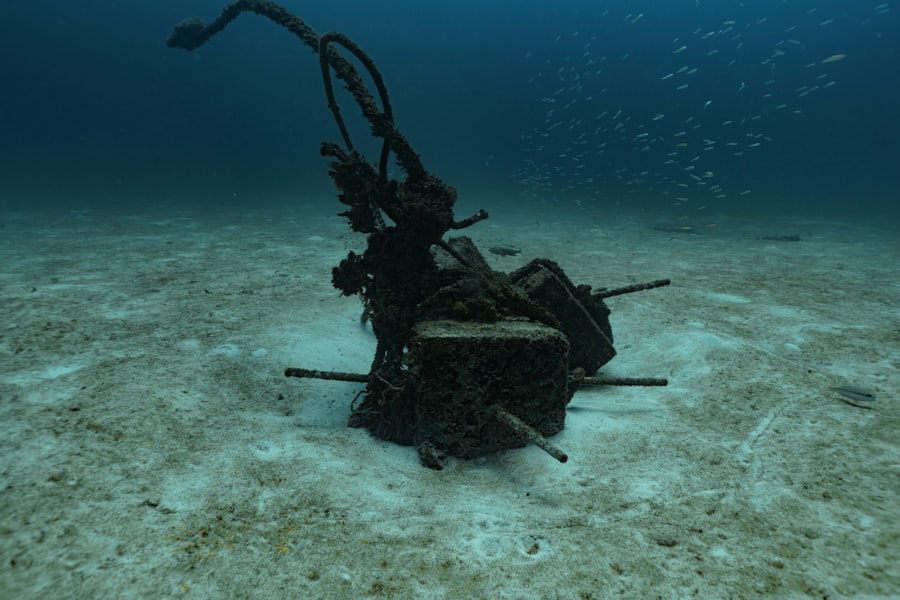
The evolution of underwater technology has been characterized by a series of groundbreaking innovations that have transformed how humans interact with the ocean. From early diving suits to sophisticated autonomous underwater vehicles (AUVs), each advancement has expanded the possibilities for exploration and research. The introduction of sonar technology revolutionized underwater mapping, enabling scientists to create detailed topographical maps of the ocean floor.
This capability has been instrumental in identifying potential resources and understanding geological formations. In recent years, advancements in materials science have led to the development of more durable and efficient equipment designed to withstand extreme underwater conditions. Innovations such as advanced robotics and artificial intelligence have further enhanced the capabilities of underwater vehicles, allowing them to perform complex tasks autonomously.
These technological strides have not only improved data collection but have also increased safety for human operators by reducing their exposure to hazardous environments. As a result, the evolution of underwater technology continues to push the boundaries of what is possible in subsea exploration.
Importance of Subsea Exploration
Subsea exploration holds immense importance for a variety of reasons, ranging from environmental conservation to resource management. Understanding marine ecosystems is crucial for preserving biodiversity and ensuring sustainable practices in fishing and tourism industries. By studying underwater habitats, scientists can identify critical areas that require protection and develop strategies to mitigate human impact on these fragile environments.
Furthermore, subsea exploration plays a vital role in climate change research, as oceans absorb a significant portion of carbon dioxide emissions and regulate global temperatures. In addition to environmental considerations, subsea exploration is essential for resource management. The ocean is home to vast reserves of minerals, oil, and gas, which are increasingly being tapped as terrestrial resources become scarcer.
By employing advanced technologies to explore these underwater resources responsibly, nations can secure energy supplies while minimizing ecological disruption. Moreover, subsea exploration contributes to scientific knowledge that can lead to new medical discoveries and technological innovations, underscoring its multifaceted significance in contemporary society.
Key Players in Underwater Tech Advancements
| Technology | Year Declassified | Purpose | Key Features | Impact on Underwater Exploration |
|---|---|---|---|---|
| Side-Scan Sonar | 1990 | Seafloor Mapping | High-resolution imaging, wide area coverage | Improved detailed mapping of underwater terrain and shipwreck detection |
| Acoustic Doppler Current Profiler (ADCP) | 1985 | Water Current Measurement | Measures water velocity using Doppler effect | Enhanced understanding of ocean currents and underwater navigation |
| Underwater Communication Systems | 2000 | Submarine Communication | Low-frequency acoustic signals, encrypted transmission | Enabled secure and long-range communication between submerged vessels |
| Remotely Operated Vehicles (ROVs) | 1995 | Underwater Inspection and Repair | Remote control, high maneuverability, equipped with cameras and tools | Allowed deep-sea exploration and maintenance without human divers |
| Magnetometer Arrays | 1988 | Detection of Submerged Objects | Measures magnetic anomalies, towed or mounted on vessels | Improved detection of submarines, mines, and archaeological artifacts |
The landscape of underwater technology is shaped by a diverse array of key players, including government agencies, private companies, and academic institutions. Organizations such as NASA and NOAA have been at the forefront of marine research, leveraging their expertise to develop innovative technologies for subsea exploration. These agencies often collaborate with universities and research institutions to conduct studies that advance scientific understanding while fostering new talent in the field.
Private companies also play a crucial role in driving advancements in underwater technology. Firms specializing in robotics, engineering, and marine services are constantly pushing the envelope by developing cutting-edge equipment designed for deep-sea exploration. Partnerships between public institutions and private enterprises have become increasingly common, facilitating knowledge transfer and resource sharing that accelerates innovation.
As these key players continue to collaborate, they are likely to unlock new possibilities for subsea exploration that were previously unimaginable.
Cutting-Edge Subsea Exploration Tools and Equipment
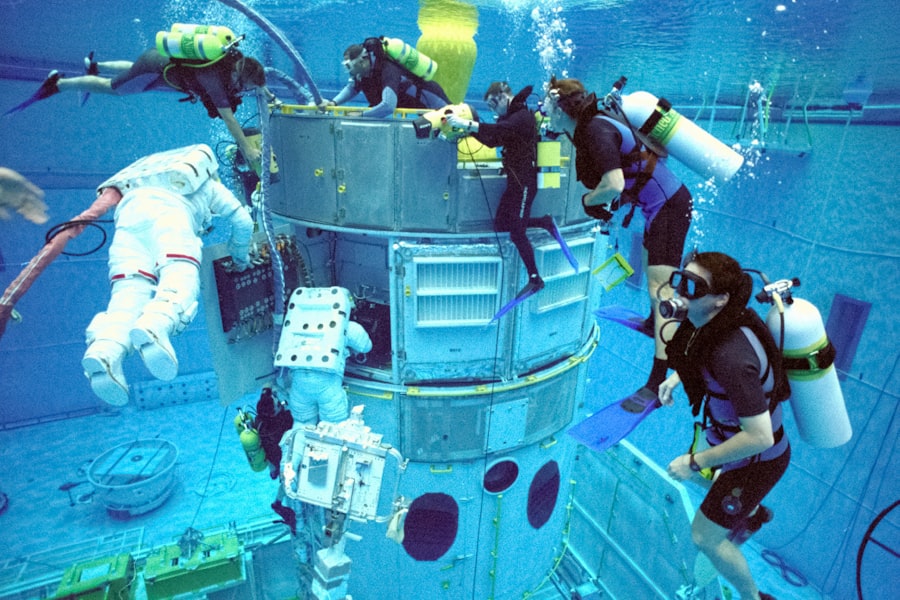
The tools and equipment used in subsea exploration have evolved dramatically over the years, reflecting advancements in technology and engineering. One notable innovation is the development of autonomous underwater vehicles (AUVs), which are capable of conducting surveys and collecting data without direct human intervention. These vehicles are equipped with sophisticated sensors that can measure temperature, salinity, and other critical parameters essential for understanding marine environments.
In addition to AUVs, remotely operated vehicles (ROVs) have become indispensable tools for deep-sea exploration. These tethered machines allow operators to manipulate equipment and conduct inspections at great depths while remaining safely on the surface. Equipped with high-definition cameras and advanced manipulation arms, ROVs can perform tasks ranging from geological sampling to infrastructure inspection.
The integration of artificial intelligence into these systems further enhances their capabilities, enabling them to adapt to changing conditions and execute complex missions autonomously.
Challenges and Risks in Subsea Exploration
Despite the remarkable advancements in underwater technology, subsea exploration is fraught with challenges and risks that must be navigated carefully.
These factors can complicate operations and pose risks to both equipment and personnel involved in exploratory missions.
Ensuring that technology is robust enough to withstand these conditions is paramount for successful subsea endeavors. Moreover, navigating legal and regulatory frameworks presents another layer of complexity in subsea exploration. As nations vie for control over marine resources, disputes can arise regarding territorial waters and resource rights.
Environmental regulations also play a critical role in shaping exploration activities; researchers must balance their objectives with the need to protect fragile ecosystems from potential harm. Addressing these challenges requires collaboration among stakeholders from various sectors to develop comprehensive strategies that prioritize safety and sustainability.
Environmental Impact of Subsea Exploration
The environmental impact of subsea exploration is a topic of growing concern as technological advancements enable deeper access to marine ecosystems. While exploring these areas can yield valuable scientific insights, it also poses risks to delicate habitats that may be disrupted by human activity. For instance, deep-sea mining operations can lead to habitat destruction and sediment plumes that affect local marine life.
As such, it is crucial for researchers and industry leaders to adopt responsible practices that minimize ecological disruption.
These initiatives often involve collaboration between scientists, policymakers, and industry representatives who seek to establish standards for sustainable practices in marine research and resource extraction.
By prioritizing environmental stewardship alongside technological advancement, stakeholders can work towards a future where subsea exploration contributes positively to both scientific knowledge and ecological preservation.
Future Trends in Underwater Technology
As technology continues to evolve at an unprecedented pace, several trends are emerging that will shape the future of underwater exploration. One notable trend is the increasing integration of artificial intelligence (AI) into subsea technologies. AI algorithms can analyze vast amounts of data collected during exploratory missions, identifying patterns and anomalies that may not be immediately apparent to human researchers.
This capability enhances decision-making processes and allows for more efficient data collection. Another trend is the growing emphasis on sustainability within subsea exploration practices. As awareness of environmental issues rises globally, there is a concerted effort among researchers and industry leaders to develop technologies that minimize ecological impact while maximizing scientific output.
Innovations such as biodegradable materials for underwater equipment or energy-efficient power sources are gaining traction as stakeholders seek ways to balance exploration with environmental responsibility.
Applications of Subsea Exploration in Various Industries
The applications of subsea exploration extend far beyond academic research; they permeate various industries that rely on marine resources or seek to understand oceanic processes better. In the energy sector, subsea exploration plays a critical role in locating oil and gas reserves beneath the ocean floor. Advanced technologies enable companies to conduct seismic surveys that inform drilling decisions while minimizing environmental impact.
Additionally, fisheries management relies heavily on data gathered through subsea exploration efforts. By monitoring fish populations and assessing habitat health, scientists can provide valuable insights that inform sustainable fishing practices. The tourism industry also benefits from subsea exploration through initiatives aimed at preserving coral reefs and other marine attractions that draw visitors worldwide.
As industries increasingly recognize the value of responsible marine stewardship, subsea exploration will continue to play a pivotal role in shaping their practices.
The Future of Declassified Underwater Tech
The future of declassified underwater technology holds immense promise as nations collaborate to unlock the mysteries of the ocean’s depths. With advancements in tools and methodologies driving innovation across various sectors, there is an unprecedented opportunity for scientific discovery that can benefit humanity as a whole. As stakeholders prioritize sustainability alongside technological progress, they pave the way for responsible practices that protect fragile marine ecosystems while harnessing their potential.
As we look ahead, it becomes clear that declassified underwater tech will play an integral role in addressing some of society’s most pressing challenges—from climate change mitigation to resource management—while fostering a deeper understanding of our planet’s oceans. By embracing collaboration among governments, private enterprises, and academic institutions, humanity stands poised at the brink of a new era in subsea exploration—one characterized by discovery, innovation, and stewardship for generations to come.
Recent discussions surrounding declassified underwater technology have shed light on various advancements and their implications for national security and environmental monitoring. For a deeper dive into this topic, you can explore an insightful article on the subject at XFile Findings, which examines the evolution of underwater technology and its potential applications in both military and civilian sectors.
WATCH THIS! 🤯 THEY FOUND IT: NAVY EXPERT EXPOSES PUERTO RICO TRENCH SECRET 🤫
FAQs
What is declassified underwater technology?
Declassified underwater technology refers to equipment, methods, and systems previously restricted or classified by governments or military organizations that have now been made publicly available. These technologies are used for underwater exploration, research, surveillance, and communication.
Why are some underwater technologies classified?
Underwater technologies are often classified to protect national security interests, maintain military advantages, and safeguard sensitive information related to submarine operations, underwater surveillance, and defense systems.
What types of underwater technologies have been declassified?
Declassified underwater technologies can include sonar systems, underwater communication devices, remotely operated vehicles (ROVs), autonomous underwater vehicles (AUVs), underwater navigation systems, and advanced diving equipment.
How does declassification impact scientific research?
Declassification allows scientists and researchers access to advanced technologies that were previously unavailable, enabling improved underwater exploration, marine biology studies, oceanography, and environmental monitoring.
Are declassified underwater technologies available for commercial use?
Yes, many declassified technologies have been adapted for commercial applications such as offshore oil and gas exploration, underwater construction, environmental assessment, and maritime archaeology.
Who is responsible for declassifying underwater technology?
Government agencies, typically defense departments or intelligence organizations, are responsible for reviewing and declassifying technologies when they determine that the information no longer poses a security risk.
Can declassified underwater technology be used for military purposes?
While declassified technologies are generally released for civilian use, some may still be utilized by military or defense contractors in non-classified roles or adapted for new applications.
Where can one find information about declassified underwater technology?
Information can be found through government archives, defense department publications, scientific journals, and specialized websites dedicated to military history and technology.
What are the benefits of declassifying underwater technology?
Benefits include fostering innovation, enhancing scientific knowledge, promoting commercial development, improving safety in underwater operations, and encouraging international collaboration in marine research.
Are there any risks associated with declassifying underwater technology?
Potential risks include the possibility of adversaries gaining access to sensitive capabilities, misuse of technology, and challenges in controlling the spread of advanced underwater systems. However, declassification processes aim to mitigate these risks.