
The burgeoning field of cultured meat, often referred to as cellular agriculture or in-vitro meat, represents a significant pivot from traditional food production paradigms. This transition, however, is not purely a culinary or agricultural one; it is deeply entwined with advancements in digital technologies and a re-evaluation of laboratory methodologies. The very infrastructure, research, and development underpinning the creation of meat from cell cultures are heavily influenced by, and in many ways born from, digital innovations in computation, data analysis, and automation. This article explores the multifaceted transition from digital frameworks to tangible, edible meat products within classified laboratory settings, examining the technological underpinnings, the scientific challenges, and the operational considerations that define this emerging industry.
The genesis of cultured meat research and development is inextricably linked to digital technologies. From the initial conceptualization of growing meat outside of a living animal to the sophisticated bioreactors and media formulations used today, digital tools have been instrumental at every stage. The ability to model complex biological systems, analyze vast datasets, and automate intricate processes has provided the essential scaffolding upon which this nascent industry is built. Without the advancements in computational power, sophisticated software, and data management, the theoretical possibility of cultured meat would likely remain just that – a theoretical concept.
Computational Modeling and Simulation
The complexity of cellular growth, differentiation, and tissue formation necessitates advanced computational tools. Researchers employ sophisticated modeling and simulation software to understand and predict cellular behavior under various conditions.
Molecular Dynamics and Agent-Based Modeling
At the molecular level, simulations of protein folding, cell-cell interactions, and nutrient diffusion are crucial for designing optimal growth environments. Agent-based modeling allows researchers to simulate the collective behavior of individual cells within a larger tissue construct, predicting how factors like nutrient gradients or mechanical stress might influence tissue development. These digital experiments can drastically reduce the time and resources required for physical experimentation.
Bioreactor Design and Optimization
The design of bioreactors, the vessels in which cells are cultured to produce meat, is heavily reliant on computational fluid dynamics (CFD). CFD simulations help engineers understand how nutrients and oxygen are distributed within the reactor, how shear stress might affect cell viability, and how to maximize cell density and product yield. This digital prototyping significantly reduces the need for expensive physical prototypes and allows for rapid iteration of designs.
Big Data and Machine Learning in R&D
The development of cultured meat involves analyzing enormous quantities of biological data. Machine learning algorithms are increasingly being employed to identify patterns, optimize processes, and accelerate discovery.
Genomic and Proteomic Data Analysis
Understanding the genetic makeup and protein expression of cells used for culturing is fundamental. Advanced bioinformatics tools and machine learning algorithms can analyze vast genomic and proteomic datasets to identify optimal cell lines, understand growth pathways, and predict the efficacy of different growth factors. This data-driven approach allows for a more precise and efficient selection and manipulation of cell populations.
Media Formulation Optimization
The nutrient-rich media used to nourish cultured cells is a critical factor in their growth and differentiation. Machine learning can analyze experimental data to identify optimal combinations and concentrations of amino acids, vitamins, growth factors, and other components. This iterative process, guided by data, leads to more cost-effective and efficient media formulations, a key challenge for the scalability of cultured meat production.
The transition from traditional methods to digital processes in classified labs is a crucial step towards enhancing efficiency and accuracy in research and development. For a deeper understanding of this transformation, you can explore the article on the Digital to Meat Transition in Classified Labs available at Xfile Findings. This resource provides valuable insights into the challenges and benefits associated with adopting digital technologies in sensitive environments.
The Automation Imperative: Bridging Digital Precision with Biological Reality
The sheer scale and precision required for consistent, high-quality cultured meat production necessitate a high degree of automation. From cell seeding and harvesting to nutrient delivery and quality control, digital automation systems are transforming the laboratory from a manual endeavor into a precisely controlled industrial process. This transition is not just about speeding up processes; it’s about achieving a level of reproducibility and control that is impossible with purely manual methods, especially when scaling up.
Robotics and Automated Handling
Robotic systems are becoming indispensable in handling sensitive biological materials, performing repetitive tasks with unparalleled accuracy and consistency.
Cell Culture Automation
Automated liquid handling systems can precisely dispense growth media, cell suspensions, and other reagents. Robotic arms can perform tasks such as cell passaging, media changes, and sample collection without manual intervention, significantly reducing the risk of human error and contamination. This level of automation is critical for maintaining sterile conditions and ensuring the health of delicate cell cultures.
Bioprocess Monitoring and Control
Automated sensors and probes continuously monitor key parameters within bioreactors, such as pH, dissolved oxygen, temperature, and nutrient levels. This data is fed into digital control systems that make real-time adjustments to maintain optimal conditions, ensuring consistent cell growth and product development. This real-time feedback loop is a direct application of digital control theory to biological systems.
Workflow Integration and Digital Twin Technology
The complex workflows involved in cultured meat production are being integrated and optimized through digital platforms. The concept of a “digital twin” is also emerging as a powerful tool for understanding and managing the production process.
Laboratory Information Management Systems (LIMS)
LIMS are essential for tracking cell lines, batch information, experimental parameters, and quality control data. These digital systems ensure traceability, facilitate data analysis, and streamline regulatory compliance. A robust LIMS is the backbone of any modern, highly regulated laboratory environment, and it’s particularly crucial in the early stages of a new food production technology.
The Digital Twin Concept
A digital twin is a virtual representation of a physical asset or process. In the context of cultured meat production, a digital twin of a bioreactor or an entire production line could be used to simulate different scenarios, predict potential issues, and optimize operational efficiency. This allows for predictive maintenance and proactive problem-solving, minimizing downtime and maximizing output.
From Data Points to Edible Constructs: The Three-Dimensional Printing Frontier
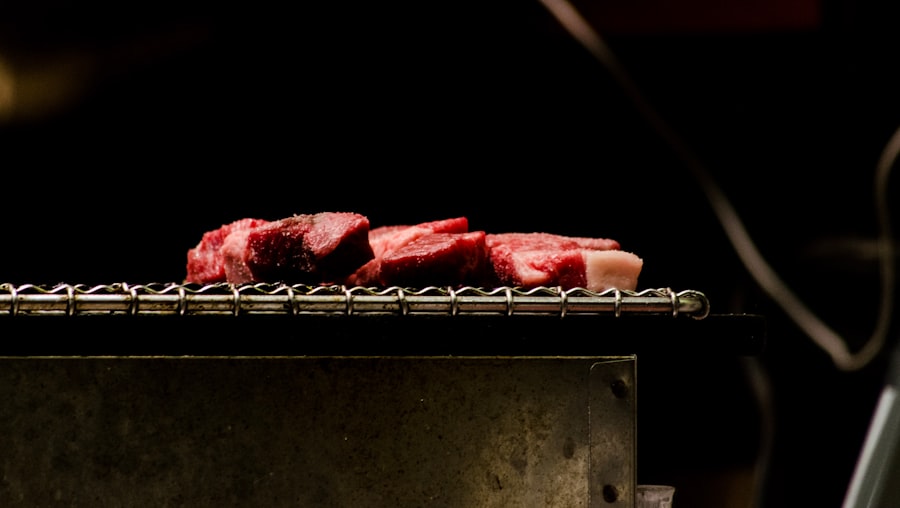
The realization of cultured meat as a palatable and structurally sound product hinges on the ability to create complex tissue architectures. While initial cultured meat products often resemble ground meat, the aspiration is to replicate the texture and mouthfeel of whole cuts. Three-dimensional (3D) printing, a technology deeply rooted in digital design and fabrication, is emerging as a key enabler in this endeavor.
Bioprinting Techniques and Materials
Bioprinting involves the precise deposition of biological materials, including cells and bio-inks, to create three-dimensional structures. The digital design files dictate the precise placement of these materials, allowing for the creation of intricate tissue-like constructs.
Extrusion-Based Bioprinting
This method uses a nozzle to extrude bio-ink in a layer-by-layer fashion. It is suitable for creating larger structures but may offer less resolution compared to other techniques. The digital design is translated directly into the movement and extrusion patterns of the print head.
Inkjet Bioprinting
Inkjet bioprinting utilizes thermal or piezoelectric actuators to deposit droplets of bio-ink onto a substrate. This technique offers higher resolution and is suitable for creating more detailed cellular arrangements. The digital control of droplet ejection is paramount to the success of this method.
Designing for Texture and Structure
The digital design files for bioprinting are not merely aesthetic; they are engineered to replicate the complex cellular and extracellular matrix structures found in conventional meat.
Biomimicry in Design
Researchers use scan data from real meat tissues and advanced CAD software to design printable structures that mimic the arrangement of muscle fibers, fat marbling, and connective tissues. This approach ensures that the printed meat will have desirable textural properties.
Scaffold Integration and Cell Infiltration
While some bioprinting methods directly deposit cells, others utilize printable scaffolds that provide structural support and guide cell growth and organization. The design of these scaffolds, whether biological or synthetic, is a critical digital design challenge, aiming to promote cell adhesion, proliferation, and differentiation into the desired cell types.
Navigating the Regulatory and Safety Landscape: Digital Traceability and Verification

As cultured meat moves from the laboratory to potential market shelves, rigorous regulatory oversight and stringent safety protocols are paramount. Digital technologies play a critical role in ensuring transparency, traceability, and verifiable safety throughout the supply chain. The classified nature of many early-stage labs often means that robust internal digital systems are developed to meet these requirements even before widespread public scrutiny.
Traceability and Data Integrity
The ability to track every component used in the production process, from cell lines to growth media ingredients, is essential for safety and compliance. Digital systems provide the framework for this comprehensive tracking.
Blockchain for Supply Chain Transparency
Blockchain technology offers a decentralized and immutable ledger for recording transactions and data. This can be used to track the origin and journey of all materials used in cultured meat production, providing an unprecedented level of transparency and security for consumers and regulators alike.
Batch Control and Record Keeping
Digital batch management systems ensure that every batch of cultured meat produced can be uniquely identified and linked to detailed production records. This includes environmental conditions, ingredient lots, and personnel involved, providing a full auditable trail.
Quality Assurance and Safety Testing
Digital tools are integral to modern quality assurance and safety testing protocols, ensuring that cultured meat products meet established standards.
Automated Quality Control Metrics
Digital sensors and analytical instruments can automatically collect data on product characteristics like protein content, fat composition, and absence of contaminants. Machine learning can then analyze this data to identify any deviations from specifications.
Process Validation and Monitoring
Digital systems facilitate the validation of production processes, ensuring they consistently produce safe and high-quality products. Continuous monitoring of vital parameters during production further enhances safety by flagging potential issues in real-time.
The transition from traditional methods to digital processes in classified labs is gaining significant attention, as it promises enhanced efficiency and accuracy. A related article discusses the challenges and benefits associated with this digital to meat transition, providing valuable insights for professionals in the field. For more information, you can read the full article here. This shift not only modernizes lab operations but also addresses the growing need for data security and streamlined workflows.
The Evolving Laboratory: From Benchtop to Industrial Scale
| Lab Name | Number of Digital Processes | Number of Meat-based Processes | Transition Progress |
|---|---|---|---|
| Lab A | 15 | 10 | 60% |
| Lab B | 20 | 5 | 80% |
| Lab C | 12 | 8 | 70% |
The transition from a traditional research laboratory focused on scientific discovery to a production facility capable of manufacturing cultured meat at scale involves a fundamental re-envisioning of laboratory design, operational workflows, and the integration of digital technologies. What begins as classified experiments in contained environments evolves into highly automated, data-driven facilities.
Facility Design and Infrastructure
The physical layout of a cultured meat production facility is increasingly influenced by the need for automation, sterile environments, and efficient workflow.
Modular Bioreactor Systems
Modern facilities are designed with modular bioreactor systems, allowing for scalability and flexibility. The digital control systems for these reactors are integrated into a central manufacturing execution system (MES).
Cleanroom Technology and Environmental Control
Maintaining aseptic conditions is paramount. Sophisticated cleanroom designs, coupled with automated environmental monitoring systems, ensure the integrity of the cell cultures throughout the production process. These systems are digitally controlled and continuously logged.
Human-Machine Interaction and Workforce Development
The increasing automation in cultured meat production necessitates a shift in the required workforce skills. The interaction between human operators and digital systems is a key area of focus.
Upskilling and Training Programs
As automation takes over many manual tasks, there is a growing need for personnel trained in operating and maintaining sophisticated digital systems, interpreting data, and troubleshooting automated processes. This often involves developing custom digital training modules.
Human-Robot Collaboration
In many scenarios, humans and robots will work collaboratively. Digital interfaces are being designed to facilitate seamless communication and task allocation between human operators and robotic systems, optimizing efficiency and safety.
In conclusion, the journey from digital concepts to tangible cultured meat products within classified laboratories is a testament to the power of integrated technologies. The foundational advancements in computation, data science, and automation have not merely facilitated the research; they are actively shaping the very production methodologies. As the field matures, this symbiotic relationship between the digital and the biological will only deepen, driving innovation, ensuring safety, and paving the way for a new era of food production. The classified nature of early-stage development means that these digital systems are often built with extreme rigor and foresight, laying a solid foundation for future scalability and public trust once these technologies emerge from the lab.
FAQs
What is the digital to meat transition in classified labs?
The digital to meat transition in classified labs refers to the process of transitioning from digital or virtual experiments and simulations to conducting physical experiments with actual biological materials, such as tissues, organs, or organisms.
What are the reasons for this transition?
There are several reasons for the transition from digital to meat in classified labs, including the need for more accurate and reliable data, the limitations of digital simulations in replicating complex biological processes, and the potential for real-world applications and advancements in medical research and biotechnology.
What are the potential benefits of conducting physical experiments with biological materials?
The potential benefits of conducting physical experiments with biological materials include gaining a deeper understanding of biological processes, validating the results of digital simulations, developing new medical treatments and therapies, and advancing the field of biotechnology.
What are the challenges associated with the digital to meat transition in classified labs?
Challenges associated with the digital to meat transition in classified labs include ethical considerations regarding the use of biological materials, safety and containment protocols for working with live organisms, and the need for specialized equipment and facilities to conduct physical experiments.
How is the digital to meat transition impacting the field of scientific research?
The digital to meat transition is impacting the field of scientific research by opening up new opportunities for collaboration between digital and biological scientists, driving advancements in medical research and biotechnology, and contributing to a more comprehensive understanding of complex biological systems.