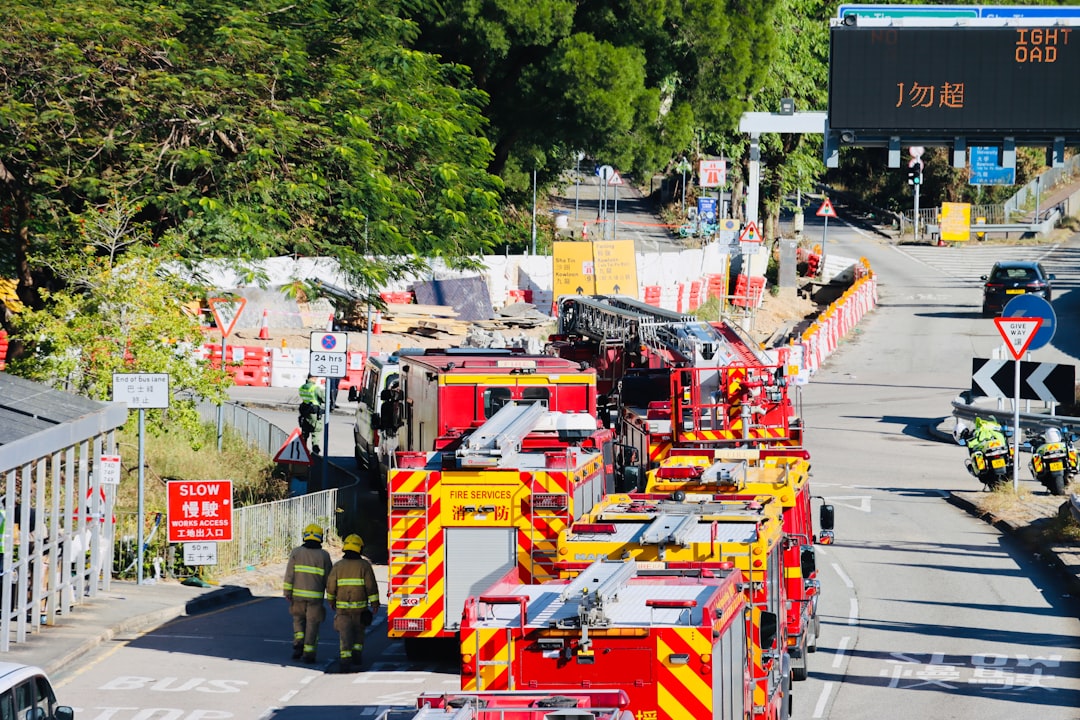
Emergency preparedness involves developing plans and acquiring resources to respond effectively to potential disasters and crises. This process includes creating evacuation routes, assembling emergency supply kits, establishing communication protocols, and understanding local hazard risks. Research indicates that prepared individuals and families experience reduced injury rates and property damage during emergencies compared to unprepared populations.
Effective emergency preparedness operates at multiple levels, from individual households to entire communities. At the household level, preparation typically includes maintaining 72-hour supply kits with food, water, medications, and essential documents. Community-level preparedness involves coordinated planning between local government agencies, emergency services, schools, and businesses.
Studies show that communities with comprehensive emergency plans and trained volunteers demonstrate faster response times and more efficient resource allocation during disasters. The economic benefits of emergency preparedness are well-documented. The Federal Emergency Management Agency estimates that every dollar spent on disaster preparedness saves approximately six dollars in post-disaster recovery costs.
Additionally, prepared communities experience shorter business interruptions and reduced infrastructure damage, contributing to faster economic recovery following emergencies.
Key Takeaways
- Emergency preparedness is crucial for protecting lives and minimizing risks during disasters.
- Developing a clear family emergency plan ensures everyone knows roles and meeting points.
- An emergency kit with essential supplies supports survival during unexpected events.
- Understanding various disaster types helps tailor preparedness and response strategies.
- Effective communication, first aid skills, and knowledge of community resources enhance overall safety.
Creating a Family Emergency Plan
Creating a family emergency plan is a fundamental step in ensuring that all members of a household know what to do in the event of a crisis. This plan should outline specific actions to take during various emergencies, such as fires, floods, or medical emergencies. It is essential for families to sit down together and discuss potential scenarios, ensuring that everyone understands their roles and responsibilities.
This collaborative approach not only empowers individuals but also strengthens family bonds as they work together towards a common goal. In addition to outlining actions, a family emergency plan should include important contact information, such as phone numbers for local emergency services, family members, and close friends. Establishing a designated meeting place outside the home is also crucial, as it provides a clear point of reference in case family members become separated during an emergency.
Regularly reviewing and practicing the plan ensures that everyone remains familiar with it, making it easier to execute under pressure. By taking these proactive steps, families can significantly enhance their preparedness for any situation that may arise.
Building an Emergency Kit
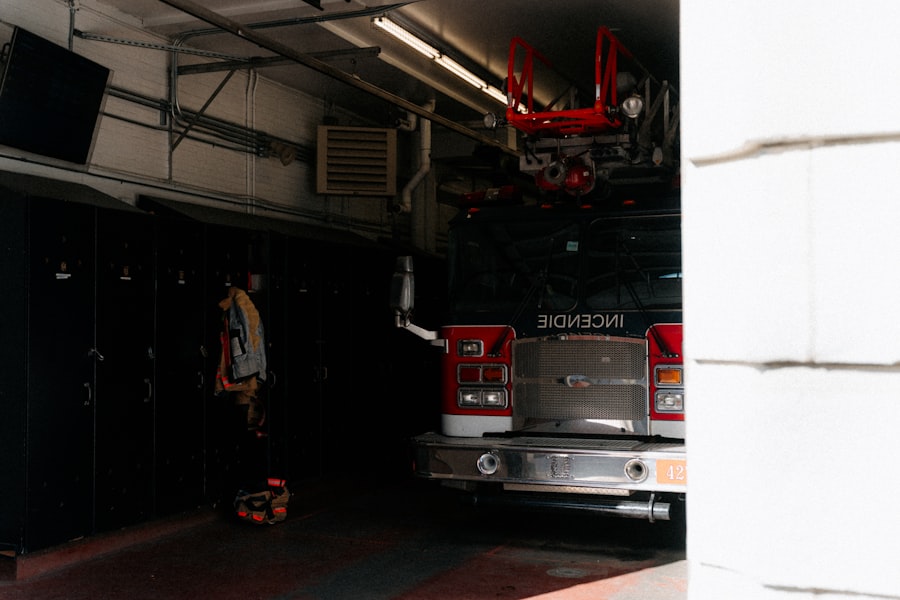
An emergency kit is an essential component of any preparedness strategy. It serves as a lifeline during crises, providing individuals and families with the necessary supplies to sustain themselves until help arrives or until they can reach safety. When building an emergency kit, it is important to consider the specific needs of each family member, including pets.
A well-rounded kit typically includes non-perishable food items, water, first aid supplies, flashlights, batteries, and essential medications. In addition to basic supplies, personal items such as important documents, cash, and clothing should also be included in the kit.
Regularly checking and updating the kit ensures that all items remain in good condition and that food and medications have not expired. By taking the time to build a comprehensive emergency kit, families can ensure they are prepared for a variety of situations, providing peace of mind in uncertain times.
Understanding Different Types of Disasters
Understanding the various types of disasters that can occur is crucial for effective emergency preparedness. Disasters can be broadly categorized into natural disasters—such as hurricanes, earthquakes, floods, and wildfires—and man-made disasters, including industrial accidents or acts of terrorism. Each type of disaster presents unique challenges and requires specific responses.
For instance, preparing for a hurricane may involve securing windows and stocking up on water and food supplies, while earthquake preparedness might focus on securing heavy furniture and knowing how to “drop, cover, and hold on.” Moreover, understanding the likelihood of different disasters occurring in one’s area can help tailor preparedness efforts. For example, residents in coastal regions may prioritize hurricane preparedness, while those living near fault lines may focus on earthquake readiness. By educating themselves about potential risks and their associated responses, individuals can create more effective emergency plans and kits tailored to their specific circumstances.
Evacuation Planning
| Category | Recommended Items/Actions | Suggested Quantity/Duration | Notes |
|---|---|---|---|
| Water | Clean drinking water | 1 gallon per person per day for at least 3 days | Include water purification tablets or filters |
| Food | Non-perishable food items | 3-day supply per person | Include ready-to-eat canned goods, energy bars |
| First Aid | First aid kit with essential medical supplies | One complete kit per household | Include prescription medications and allergy treatments |
| Communication | Battery-powered or hand-crank radio | One per household | To receive emergency alerts and updates |
| Lighting | Flashlights and extra batteries | At least one flashlight per person | Consider LED lights for longer battery life |
| Clothing & Bedding | Warm clothing, blankets, sleeping bags | One set per person | Prepare for varying weather conditions |
| Tools & Supplies | Multi-tool, duct tape, plastic sheeting | One set per household | Useful for repairs and shelter |
| Sanitation | Moist towelettes, garbage bags, plastic ties | Sufficient for at least 3 days | Maintain hygiene and prevent illness |
| Important Documents | Copies of IDs, insurance policies, emergency contacts | Keep in waterproof container | Essential for recovery and assistance |
| Emergency Plan | Family communication and evacuation plan | Reviewed and practiced regularly | Ensure all family members know the plan |
Evacuation planning is a critical aspect of emergency preparedness that often goes overlooked. In certain situations—such as severe weather events or hazardous material spills—evacuating quickly and safely can be paramount. Families should identify multiple evacuation routes from their home and practice these routes regularly to ensure everyone knows how to exit safely under pressure.
It is also wise to have a backup plan in case primary routes are blocked or unsafe. In addition to identifying routes, families should consider transportation options during an evacuation. Having a reliable vehicle ready with a full tank of gas can make a significant difference in an emergency situation.
Furthermore, it is essential to have a plan for pets; many shelters do not accept animals, so knowing where to take pets during an evacuation is crucial. By developing a comprehensive evacuation plan that addresses these factors, families can enhance their safety and increase their chances of successfully navigating an emergency situation.
Emergency Communication

Effective communication during emergencies is vital for ensuring safety and coordination among family members and community resources. Establishing a communication plan that includes designated contacts outside the immediate area can help families stay connected if local networks become overwhelmed or fail entirely. This plan should outline how family members will communicate during an emergency—whether through phone calls, text messages, or social media—and designate a meeting point if they become separated.
In addition to internal communication plans, individuals should familiarize themselves with local emergency communication systems. Many communities have alert systems that provide real-time information about emergencies via text messages or emails. Staying informed about these resources allows individuals to receive timely updates about evacuations or safety measures being implemented in their area.
By prioritizing communication strategies before an emergency occurs, families can enhance their ability to respond effectively when faced with crises.
First Aid and Medical Training
First aid knowledge is an invaluable asset during emergencies when professional medical help may not be immediately available. Basic first aid training equips individuals with the skills needed to address common injuries or medical issues until help arrives. Courses offered by organizations such as the Red Cross provide comprehensive training on topics ranging from CPR to wound care and recognizing signs of shock or stroke.
In addition to formal training, families should ensure that their emergency kits include essential first aid supplies such as bandages, antiseptics, and over-the-counter medications. Regularly reviewing first aid techniques and practicing them as a family can reinforce this knowledge and build confidence in handling medical emergencies. By prioritizing first aid training and preparation, families can significantly improve their ability to respond effectively during crises.
Shelter and Safety
During emergencies, finding safe shelter is often one of the most pressing concerns. Understanding the types of shelters available—whether it be home-based shelters for severe weather or designated community shelters during evacuations—is crucial for ensuring safety. Families should identify safe areas within their homes where they can take refuge during specific emergencies; for example, basements or interior rooms away from windows are ideal during tornadoes.
Additionally, knowing how to access community shelters can provide peace of mind during larger-scale emergencies. Local governments often set up designated shelters equipped with basic necessities for those displaced by disasters. Familiarizing oneself with these resources ahead of time allows families to act quickly when the need arises.
By prioritizing shelter planning and safety measures, individuals can enhance their overall preparedness for emergencies.
Food and Water Preparation
Food and water preparation are fundamental components of any emergency preparedness plan. In times of crisis, access to clean water and nutritious food can become limited or entirely unavailable. Families should aim to store at least three days’ worth of non-perishable food items that require minimal preparation—canned goods, dried fruits, nuts, and energy bars are excellent options.
It is also essential to include a manual can opener in the emergency kit if canned goods are part of the food supply. Water storage is equally important; experts recommend having at least one gallon of water per person per day for at least three days. This water should be stored in clean containers and replaced regularly to ensure freshness.
Additionally, families should consider methods for purifying water if necessary—such as water purification tablets or filters—especially if they live in areas prone to flooding or contamination during disasters. By taking proactive steps in food and water preparation, families can significantly enhance their resilience during emergencies.
Financial Preparedness
Financial preparedness is often overlooked in discussions about emergency planning but is crucial for long-term recovery after a disaster strikes. Families should maintain an emergency fund that can cover at least three months’ worth of living expenses; this fund provides financial security during times when income may be disrupted due to unforeseen circumstances. Additionally, keeping important financial documents—such as insurance policies, bank account information, and identification—in a secure yet accessible location ensures that individuals can quickly access necessary information when needed.
Moreover, understanding insurance coverage related to natural disasters is vital for financial preparedness. Homeowners should review their policies to ensure they have adequate coverage for potential risks specific to their area—such as flood insurance in flood-prone regions or earthquake coverage where seismic activity is common. By taking these financial steps ahead of time, families can better navigate the aftermath of emergencies without facing undue financial strain.
Community Resources and Support
Community resources play an essential role in enhancing individual preparedness efforts and fostering resilience during emergencies. Local organizations often provide valuable information about disaster preparedness initiatives, training programs, and resources available for residents facing crises. Engaging with community groups focused on emergency management allows individuals to stay informed about local risks while also connecting with neighbors who share similar concerns.
Additionally, participating in community drills or workshops can strengthen collective preparedness efforts by fostering collaboration among residents. These activities not only build skills but also create networks of support that can be invaluable during actual emergencies. By leveraging community resources and support systems, individuals can enhance their own preparedness while contributing to the overall resilience of their neighborhoods in times of crisis.
For those looking to deepen their understanding of effective strategies and resources, a related article can be found at this link. This resource offers valuable insights and practical tips that complement the information found in a disaster survival guide, helping individuals and families better prepare for emergencies.
WATCH THIS! They Sealed This CIA File for a Reason—Here’s What the Psychic Saw
FAQs
What is emergency preparedness?
Emergency preparedness involves planning and taking steps to ensure safety and survival during and after a disaster or emergency situation. It includes having supplies, knowledge, and a plan in place to respond effectively.
Why is having a disaster survival guide important?
A disaster survival guide provides essential information and instructions to help individuals and families stay safe, make informed decisions, and manage resources during emergencies such as natural disasters, power outages, or other crises.
What basic supplies should be included in an emergency kit?
An emergency kit should include water (one gallon per person per day for at least three days), non-perishable food, a flashlight, extra batteries, a first aid kit, medications, a multi-tool, personal hygiene items, important documents, and a battery-powered or hand-crank radio.
How often should I update my emergency preparedness plan?
It is recommended to review and update your emergency preparedness plan at least once a year or whenever there are significant changes in your household, such as new family members, changes in health conditions, or relocation.
What types of disasters should I prepare for?
Preparation should be based on the most likely disasters in your area, which may include hurricanes, earthquakes, floods, tornadoes, wildfires, or man-made emergencies like power outages or chemical spills.
How can I stay informed during a disaster?
Stay informed by monitoring local news, weather alerts, and emergency notifications through reliable sources such as government agencies, weather apps, NOAA Weather Radio, and community alert systems.
What is the importance of having a communication plan?
A communication plan ensures that family members can contact each other and know where to meet if separated during an emergency. It helps reduce confusion and stress during chaotic situations.
Can pets be included in emergency preparedness plans?
Yes, pets should be included in emergency plans. Prepare a pet emergency kit with food, water, medications, leashes, carriers, and vaccination records to ensure their safety during disasters.
What should I do if I have to evacuate during a disaster?
Follow official evacuation orders promptly, take your emergency kit, secure your home if time allows, inform family or friends of your plans, and use designated evacuation routes to reach a safe location.
How can I help my community be better prepared for emergencies?
You can help by participating in community preparedness programs, volunteering with local emergency response teams, sharing preparedness information, and encouraging neighbors to develop their own emergency plans.