
Emergency shelters provide essential refuge for individuals and families displaced by disasters, including natural events such as earthquakes and floods, as well as man-made crises. Established criteria for these facilities are fundamental to meeting the varied requirements of displaced persons. Key factors include location accessibility, capacity planning, safety infrastructure, and provision of basic necessities such as food, water, and sanitation facilities.
Each component contributes to creating a functional environment where vulnerable populations can receive necessary support and protection. Clear emergency shelter criteria facilitate efficient resource distribution and enable shelters to address the specific demands of different emergency scenarios. Shelter requirements vary depending on the type of crisis; for example, hurricane evacuation shelters require different specifications than facilities designed for pandemic response.
By identifying the particular needs associated with various emergencies, authorities can implement appropriate preparedness measures and response strategies, thereby improving survival outcomes and strengthening community resilience.
Key Takeaways
- Emergency shelters must be strategically located and easily accessible to serve affected populations effectively.
- Safety, security, and capacity are critical factors to ensure shelters can accommodate and protect individuals during emergencies.
- Providing basic necessities, including medical and mental health services, is essential for the well-being of shelter residents.
- Special needs and vulnerable populations require tailored support and inclusion in emergency shelter planning.
- Coordination with local authorities and community engagement enhances the effectiveness and cultural sensitivity of emergency shelter services.
Location and Accessibility of Emergency Shelters
The location of emergency shelters is a fundamental aspect that directly impacts their effectiveness. Shelters must be strategically placed to ensure they are easily accessible to those in need. Proximity to affected populations is crucial; if individuals cannot reach a shelter quickly, the purpose of providing refuge is undermined.
Ideal locations are often near public transportation routes or within walking distance of densely populated areas, allowing for swift evacuation and access during emergencies. Accessibility goes beyond mere physical location; it also encompasses the ability of individuals with disabilities or mobility challenges to enter and navigate the shelter. Emergency shelters should be designed with universal access in mind, featuring ramps, wide doorways, and accessible restrooms.
This consideration ensures that all individuals, regardless of their physical capabilities, can find safety and support during crises. Furthermore, clear signage and communication about shelter locations can enhance accessibility, ensuring that everyone knows where to go when disaster strikes.
Capacity and Accommodation of Emergency Shelters

Capacity is another critical factor in the effectiveness of emergency shelters. Each shelter must be able to accommodate a sufficient number of individuals while maintaining a safe and comfortable environment. Overcrowding can lead to increased stress and tension among occupants, making it essential for planners to accurately assess the needs of the community before an emergency occurs.
This assessment should consider not only the population size but also the demographics, including families with children, elderly individuals, and those with special needs. In addition to sheer capacity, the type of accommodation provided within shelters is equally important. Shelters should offer a range of sleeping arrangements, from communal spaces to private areas for families or vulnerable individuals.
The layout should promote a sense of safety and privacy while also facilitating social interaction among occupants. By creating a welcoming atmosphere, emergency shelters can help alleviate some of the psychological burdens associated with displacement, allowing individuals to focus on recovery and rebuilding their lives.
Safety and Security Measures in Emergency Shelters
Safety and security are paramount in emergency shelters, as individuals seeking refuge are often in vulnerable situations. Implementing robust safety measures is essential to protect occupants from potential threats, whether they arise from external sources or within the shelter itself. This includes employing trained security personnel who can monitor the premises and respond swiftly to any incidents that may occur.
Additionally, shelters should have clear protocols in place for emergencies, such as fire drills or evacuation procedures, ensuring that all occupants are aware of how to respond in various situations. Moreover, creating a secure environment involves fostering a sense of trust among occupants. This can be achieved through transparent communication about shelter rules and expectations, as well as providing avenues for individuals to voice their concerns or report issues confidentially.
By prioritizing safety and security, emergency shelters can create an atmosphere where individuals feel protected and supported, allowing them to focus on their recovery without fear or anxiety.
Provision of Basic Necessities in Emergency Shelters
| Criteria | Description | Measurement | Threshold | Compliance Status |
|---|---|---|---|---|
| Capacity | Maximum number of individuals the shelter can accommodate | Number of persons | Minimum 50 persons | Compliant |
| Accessibility | Availability of ramps and facilities for disabled persons | Percentage of accessible entrances | 100% | Compliant |
| Sanitation Facilities | Number of toilets and handwashing stations per occupant | Ratio (toilets/person) | 1:20 | Non-compliant |
| Emergency Exits | Number of clearly marked emergency exits | Count | Minimum 2 exits | Compliant |
| Fire Safety | Presence of fire extinguishers and alarms | Number of devices | At least 2 per shelter | Compliant |
| Lighting | Availability of emergency lighting | Operational status | 100% functional | Compliant |
| Signage | Clear posting of shelter rules and emergency procedures | Presence of posted signs | All required signs posted | Compliant |
The provision of basic necessities is a cornerstone of effective emergency shelter operations. Individuals seeking refuge require access to food, water, sanitation facilities, and hygiene products to maintain their health and well-being during their stay. Shelters must establish partnerships with local organizations and agencies to ensure a steady supply of these essentials.
This collaboration can help streamline logistics and ensure that resources are available when needed most. In addition to food and water, shelters should also consider the psychological impact of displacement on occupants. Providing access to recreational activities or spaces for social interaction can help alleviate stress and foster a sense of community among those affected by disaster.
By addressing both physical and emotional needs, emergency shelters can create a more holistic approach to care that supports individuals in their recovery journey.
Accessibility to Medical and Mental Health Services in Emergency Shelters
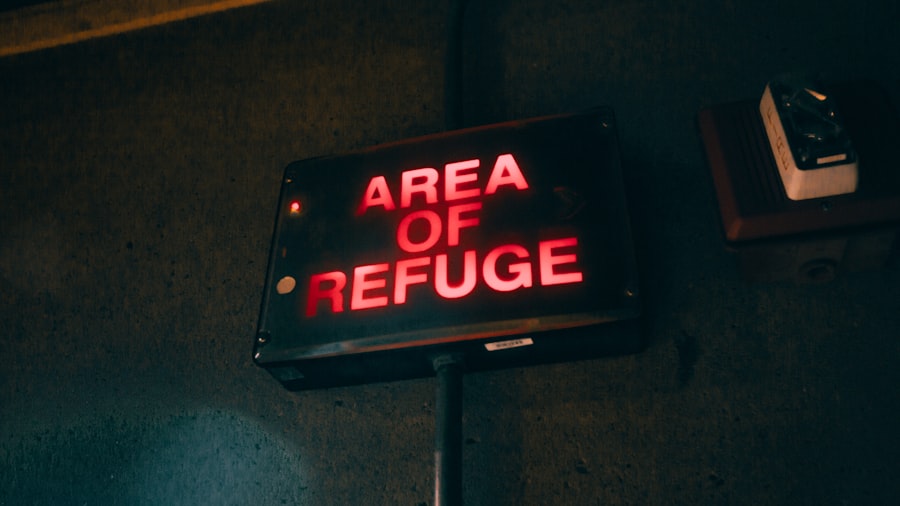
Access to medical and mental health services is crucial in emergency shelters, as many individuals may arrive with pre-existing health conditions or experience trauma due to their circumstances. Shelters should be equipped with basic medical supplies and have protocols in place for addressing health concerns that may arise during an emergency situation. Collaborating with local healthcare providers can enhance the availability of medical services on-site, ensuring that individuals receive timely care when needed.
Mental health support is equally important in emergency shelters. The stress of displacement can take a significant toll on individuals’ mental well-being, leading to anxiety, depression, or other psychological issues. Providing access to trained mental health professionals who can offer counseling or support groups can help occupants process their experiences and begin to heal.
By prioritizing both physical and mental health services, emergency shelters can create a more comprehensive support system for those in need.
Inclusion of Special Needs and Vulnerable Populations in Emergency Shelters
Inclusion is a vital consideration when establishing emergency shelters, particularly for special needs populations such as the elderly, disabled individuals, or those with chronic health conditions. These groups often face unique challenges during emergencies and require tailored accommodations to ensure their safety and comfort. Emergency planners must engage with representatives from these communities to understand their specific needs and incorporate them into shelter design and operations.
Creating an inclusive environment involves not only physical accommodations but also fostering a culture of respect and understanding among all occupants. Training shelter staff on sensitivity and awareness regarding diverse needs can help create an atmosphere where everyone feels valued and supported. By prioritizing inclusion, emergency shelters can ensure that no one is left behind during times of crisis.
Coordination with Local Authorities and Emergency Response Teams
Effective coordination with local authorities and emergency response teams is essential for the successful operation of emergency shelters. Collaboration among various agencies ensures that resources are allocated efficiently and that information flows seamlessly between organizations involved in disaster response efforts. Establishing clear lines of communication before an emergency occurs can facilitate rapid mobilization when disaster strikes.
Moreover, local authorities play a crucial role in identifying potential shelter locations based on community needs and available resources. Engaging with community leaders can provide valuable insights into the unique challenges faced by residents during emergencies. By fostering strong partnerships between emergency management agencies and local organizations, shelters can enhance their preparedness and responsiveness during crises.
Duration and Flexibility of Emergency Shelter Services
The duration of emergency shelter services is another critical aspect that requires careful consideration. While some emergencies may necessitate short-term sheltering solutions, others may require longer-term accommodations for displaced individuals. Emergency planners must assess the specific needs of affected populations to determine how long shelters should remain operational after a disaster occurs.
Flexibility is key in this regard; shelters should be prepared to adapt their services based on evolving circumstances. For instance, as recovery efforts progress, some individuals may transition from emergency shelters to temporary housing solutions or permanent residences. Providing support throughout this transition period is essential for helping individuals regain stability in their lives after experiencing displacement.
Consideration of Cultural and Religious Sensitivities in Emergency Shelters
Cultural and religious sensitivities must be taken into account when establishing emergency shelters to ensure that all occupants feel respected and valued during their stay. Different cultures may have specific dietary restrictions or practices related to privacy that should be honored within the shelter environment. Engaging with community leaders from diverse backgrounds can provide valuable insights into these sensitivities and help inform shelter policies.
Additionally, creating designated spaces for prayer or reflection can foster a sense of belonging among occupants from various faith traditions. By acknowledging and accommodating cultural differences, emergency shelters can create an inclusive atmosphere that promotes healing and resilience among all individuals seeking refuge.
Community Engagement and Support for Emergency Shelter Criteria
Community engagement is vital for developing effective emergency shelter criteria that truly reflect the needs of those they serve. Involving community members in the planning process allows for diverse perspectives to be considered, leading to more comprehensive solutions that address specific challenges faced by residents during emergencies.
Furthermore, ongoing support from local organizations and volunteers can enhance the effectiveness of emergency shelters during crises. Community members often possess unique skills or resources that can contribute significantly to shelter operations, whether through providing meals, offering medical assistance, or simply lending emotional support to those in need. By fostering strong community ties around emergency shelter initiatives, authorities can create a robust network of support that enhances resilience in times of crisis.
In conclusion, understanding the multifaceted criteria surrounding emergency shelters is essential for effective disaster response efforts. From location accessibility to safety measures and cultural considerations, each element plays a crucial role in ensuring that individuals seeking refuge receive the support they need during challenging times. By prioritizing inclusivity, collaboration with local authorities, and community engagement, emergency shelters can become vital resources that not only provide immediate relief but also foster long-term recovery and resilience within affected communities.
In the context of emergency shelter criteria, it’s essential to consider various factors that ensure the safety and well-being of individuals in crisis situations. A related article that delves into these criteria can be found at com/sample-page/’>this link.
This resource provides valuable insights into the standards and guidelines necessary for establishing effective emergency shelters.
FAQs
What are the basic criteria for an emergency shelter?
Emergency shelters typically must provide safe, secure, and accessible accommodations for individuals or families in crisis. They should offer protection from the elements, basic sanitation facilities, and a supportive environment.
Who is eligible to use an emergency shelter?
Eligibility varies by shelter but generally includes individuals or families experiencing homelessness, victims of domestic violence, or those displaced by natural disasters or other emergencies.
What services are commonly provided at emergency shelters?
Services often include temporary housing, meals, hygiene facilities, counseling, case management, and referrals to longer-term housing or social services.
Are emergency shelters required to accommodate people with disabilities?
Yes, emergency shelters are generally required to comply with accessibility standards to accommodate individuals with disabilities, ensuring equal access to shelter and services.
How long can someone stay in an emergency shelter?
The length of stay varies by shelter and individual circumstances but is usually short-term, ranging from a few days to several weeks, until more permanent housing solutions are found.
Do emergency shelters require identification or documentation for entry?
Policies differ; some shelters may require identification or intake forms, while others prioritize immediate shelter without documentation to ensure access for all in need.
Are pets allowed in emergency shelters?
Many emergency shelters do not allow pets due to health and safety regulations, but some have provisions or partnerships with pet-friendly facilities or animal shelters.
How can someone find an emergency shelter?
Individuals can locate emergency shelters through local government agencies, social service organizations, hotlines, or online directories dedicated to homelessness and disaster relief resources.
What safety measures are in place at emergency shelters?
Shelters implement safety protocols such as secure entry, staff supervision, emergency plans, and sometimes security personnel to protect residents and staff.
Can families stay together in emergency shelters?
Many emergency shelters strive to keep families together, providing family-friendly accommodations, but availability depends on the shelter’s capacity and resources.