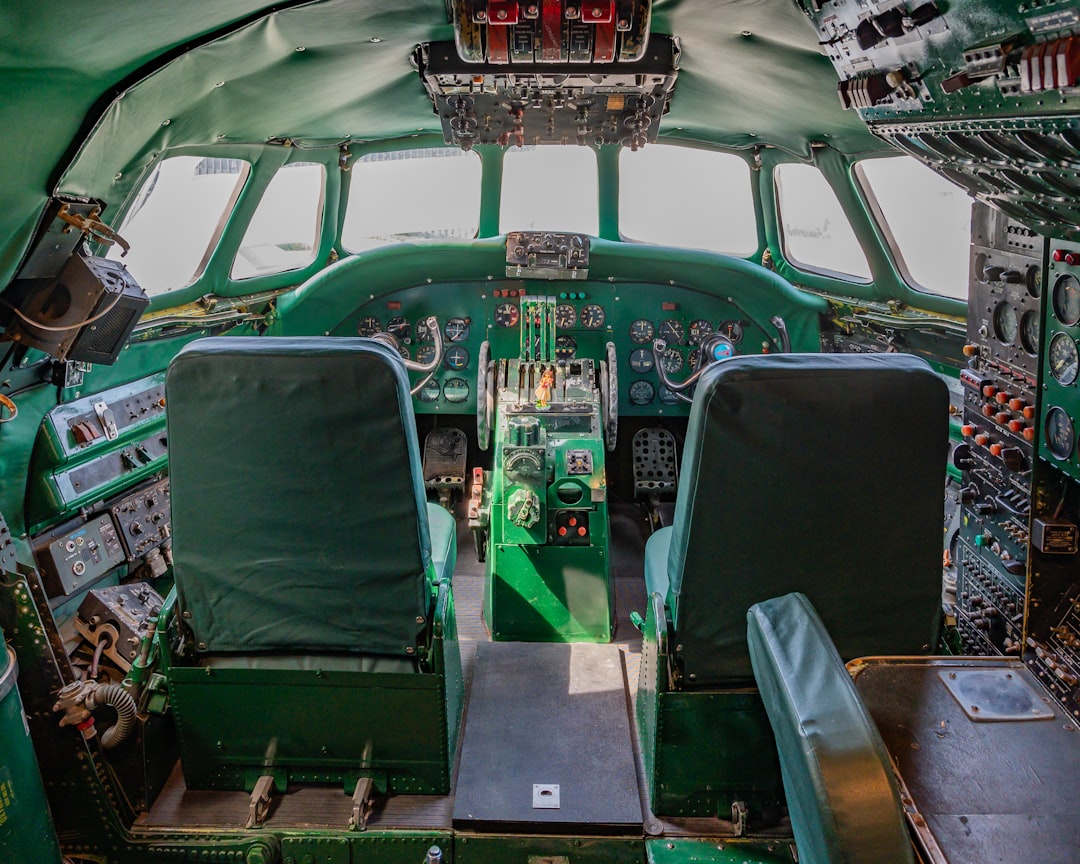
Helicopter safety is a paramount concern in the aviation industry, given the unique challenges and risks associated with rotorcraft operations. Unlike fixed-wing aircraft, helicopters operate in diverse environments, often landing in confined spaces and navigating through complex air traffic scenarios. The inherent design of helicopters, with their rotating blades and dynamic flight capabilities, necessitates a comprehensive approach to safety that encompasses not only pilot training and operational protocols but also the engineering of safety systems.
As the demand for helicopter services continues to grow across various sectors, including emergency medical services, law enforcement, and tourism, the focus on enhancing safety measures has never been more critical. One of the most significant aspects of helicopter safety is the protection of occupants during flight and in the event of an emergency. The potential for accidents, whether due to mechanical failure, adverse weather conditions, or human error, underscores the need for robust safety systems.
Among these systems, seat protection mechanisms play a vital role in safeguarding passengers and crew members. By understanding the importance of these systems and their evolution over time, stakeholders can better appreciate the advancements made in helicopter safety and the ongoing efforts to mitigate risks associated with rotorcraft operations.
Key Takeaways
- Seat protection systems are crucial for enhancing helicopter occupant safety during crashes and hard landings.
- Various types of seat protection systems include energy-absorbing seats, harnesses, and crashworthy designs.
- Proper training, maintenance, and adherence to regulations are essential for the effectiveness of seat protection systems.
- Case studies demonstrate significant injury reduction when seat protection systems are properly implemented.
- Future advancements aim to improve seat protection technology while balancing cost and regulatory compliance.
Importance of Seat Protection Systems
Seat protection systems are essential components of helicopter safety that directly impact the survivability of occupants during an accident. In the event of a crash or hard landing, these systems are designed to absorb impact forces and minimize injury to passengers and crew. The significance of seat protection cannot be overstated; studies have shown that a substantial percentage of fatalities in helicopter accidents are attributable to injuries sustained during impact.
Therefore, investing in effective seat protection systems is not merely a regulatory requirement but a moral imperative for operators committed to ensuring the safety of their personnel and passengers. Moreover, seat protection systems contribute to overall flight safety by enhancing occupant restraint during turbulence or sudden maneuvers. Helicopters are subject to unique aerodynamic forces that can lead to abrupt changes in altitude or direction.
In such scenarios, properly designed seat protection systems help keep occupants securely in place, reducing the risk of injury from being thrown against the cabin interior. This aspect of safety is particularly crucial in high-stress situations where quick decision-making is essential. By providing a secure environment for occupants, seat protection systems bolster confidence in helicopter operations and promote a culture of safety within the aviation community.
Types of Seat Protection Systems
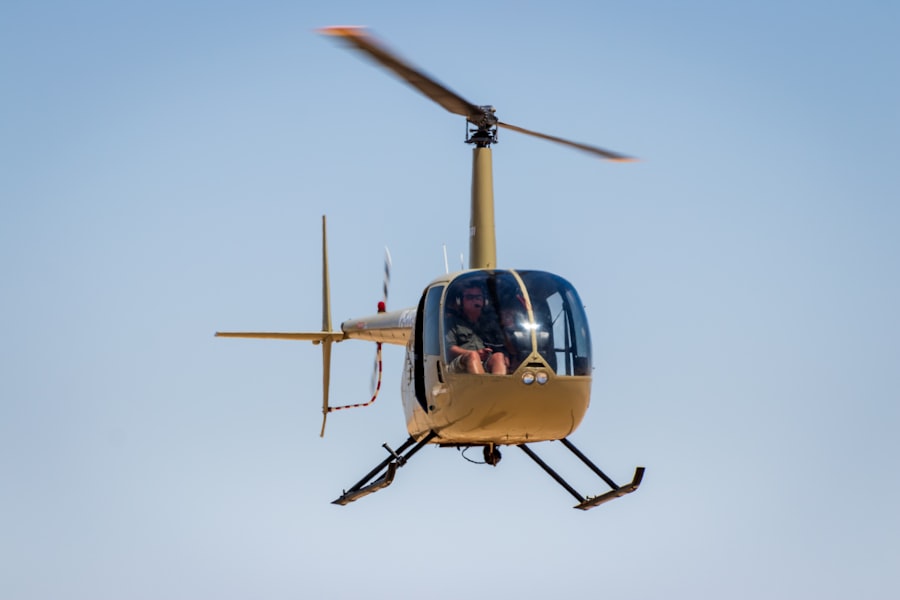
There are several types of seat protection systems designed specifically for helicopters, each tailored to address different aspects of occupant safety. One common type is the energy-absorbing seat, which incorporates materials and designs that dissipate impact forces during a crash. These seats often feature advanced cushioning materials that compress upon impact, reducing the transfer of energy to the occupant’s body.
This technology has evolved significantly over the years, with manufacturers continuously seeking innovative materials and designs to enhance performance. Another important category is restraint systems, which include harnesses and belts designed to keep occupants securely fastened in their seats during flight. These systems are critical for preventing ejection from the seat during turbulence or an accident.
Modern restraint systems often utilize multi-point harnesses that distribute forces more evenly across the body, thereby reducing the risk of injury. Additionally, some advanced systems incorporate automatic locking mechanisms that engage during sudden deceleration, further enhancing occupant safety.
Advantages of Seat Protection Systems
The advantages of implementing effective seat protection systems in helicopters extend beyond mere compliance with regulations; they significantly enhance occupant safety and comfort. One primary benefit is the reduction in injury severity during accidents. By absorbing impact forces and providing secure restraints, these systems can mitigate the risk of serious injuries or fatalities.
Furthermore, seat protection systems contribute to overall operational efficiency. When operators invest in high-quality safety equipment, they not only protect their personnel but also reduce potential liabilities associated with accidents.
This proactive approach can lead to lower insurance premiums and fewer legal claims, ultimately benefiting the organization’s bottom line. Additionally, enhanced safety measures can improve crew morale and confidence, fostering a culture of safety that permeates all levels of operation.
Case Studies of Seat Protection Systems in Action
| Metric | Description | Typical Value / Range | Unit |
|---|---|---|---|
| Energy Absorption Capacity | Amount of kinetic energy the seat protection system can absorb during impact | 15 – 30 | kJ (kilojoules) |
| Peak Deceleration | Maximum deceleration experienced by occupant during crash | 20 – 40 | g (gravity units) |
| Seat Stroke | Distance the seat moves downward to absorb impact energy | 150 – 300 | mm (millimeters) |
| Weight of Seat Protection System | Total weight added by the protection system to the helicopter seat | 5 – 15 | kg (kilograms) |
| Certification Standard | Regulatory standard met by the seat protection system | FAA TSO C127 / MIL-STD-1472 | Standard |
| Occupant Height Range | Range of occupant heights accommodated by the seat system | 150 – 190 | cm (centimeters) |
| Occupant Weight Range | Range of occupant weights supported by the seat protection system | 50 – 120 | kg (kilograms) |
| Installation Time | Time required to install or retrofit the seat protection system | 2 – 4 | hours |
Real-world case studies illustrate the effectiveness of seat protection systems in mitigating injuries during helicopter accidents. One notable example occurred during a medical evacuation mission where a helicopter experienced a hard landing due to engine failure. Thanks to the advanced energy-absorbing seats equipped with multi-point harnesses, both the pilot and medical personnel sustained only minor injuries despite the severity of the incident.
Investigators credited the seat protection system with preventing more serious outcomes, highlighting its critical role in occupant safety. Another case involved a law enforcement helicopter that encountered severe turbulence while responding to an emergency call. The pilot’s quick maneuvering led to a sudden drop in altitude, causing several passengers to be thrown against the cabin walls.
However, those secured in seats equipped with modern restraint systems reported minimal injuries compared to those without proper restraints. This incident underscored the importance of having reliable seat protection systems in place, as they can make a significant difference in survival rates during unexpected situations.
Regulations and Standards for Helicopter Seat Protection Systems
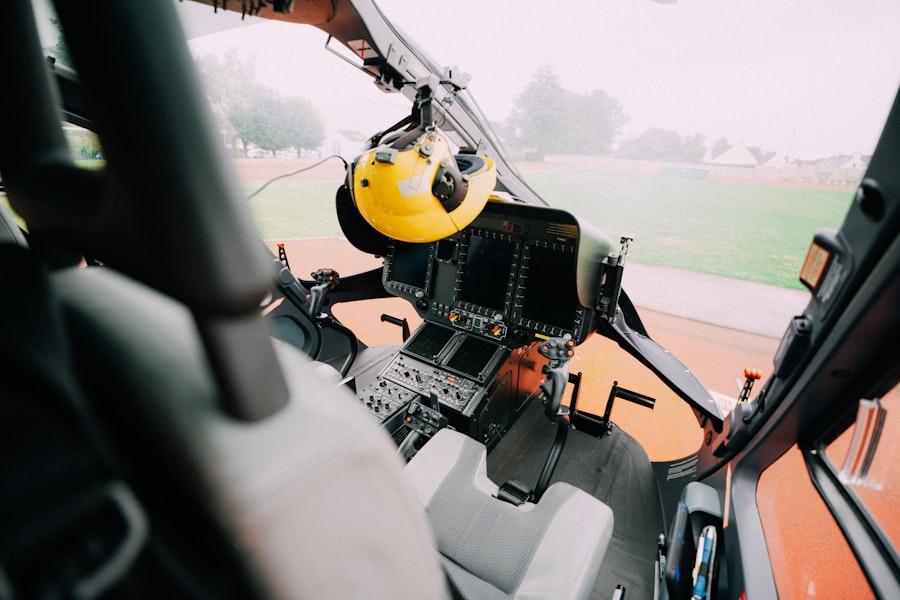
The aviation industry is governed by stringent regulations and standards aimed at ensuring the safety of all aircraft operations, including helicopters. Regulatory bodies such as the Federal Aviation Administration (FAA) and the European Union Aviation Safety Agency (EASA) have established guidelines for seat protection systems that manufacturers must adhere to when designing and producing these critical components. These regulations encompass various aspects, including crashworthiness testing, material specifications, and installation requirements.
Compliance with these regulations not only enhances safety but also instills confidence among operators and passengers alike. By adhering to established standards, manufacturers demonstrate their commitment to producing reliable and effective seat protection systems. Furthermore, ongoing collaboration between regulatory agencies and industry stakeholders fosters continuous improvement in safety practices, ensuring that advancements in technology are integrated into existing frameworks.
Training and Education for Helicopter Seat Protection Systems
Training and education play a vital role in maximizing the effectiveness of seat protection systems within helicopter operations. Pilots and crew members must be well-versed in the proper use of restraint systems and understand how these mechanisms function during flight. Regular training sessions can help reinforce best practices for securing occupants before takeoff and during turbulence or emergency situations.
Additionally, educating personnel about the importance of seat protection systems fosters a culture of safety within organizations. When crew members recognize the value of these systems and understand their role in preventing injuries, they are more likely to prioritize their use consistently. This proactive approach not only enhances individual safety but also contributes to overall operational effectiveness.
Maintenance and Inspection of Seat Protection Systems
Regular maintenance and inspection of seat protection systems are crucial for ensuring their reliability and effectiveness over time. Like any other component of an aircraft, these systems are subject to wear and tear due to environmental factors and usage patterns. Operators must establish comprehensive maintenance protocols that include routine inspections to identify any signs of damage or degradation.
During inspections, technicians should assess both the structural integrity of seats and the functionality of restraint mechanisms. Any issues identified should be addressed promptly to prevent potential failures during flight.
Future Developments in Helicopter Seat Protection Systems
As technology continues to advance at a rapid pace, future developments in helicopter seat protection systems hold great promise for enhancing occupant safety even further. Innovations such as smart materials that can adapt to varying impact forces may revolutionize how energy absorption is achieved during crashes. Additionally, advancements in sensor technology could enable real-time monitoring of seat performance, alerting operators to any potential issues before they become critical.
Furthermore, ongoing research into human factors will likely inform future designs of seat protection systems. Understanding how occupants interact with these systems during flight can lead to more intuitive designs that enhance usability while maintaining high safety standards. As manufacturers collaborate with researchers and regulatory bodies, the next generation of seat protection systems will undoubtedly reflect a commitment to continuous improvement in helicopter safety.
Cost Considerations for Implementing Seat Protection Systems
While investing in advanced seat protection systems is essential for enhancing helicopter safety, cost considerations cannot be overlooked. Operators must weigh the initial investment against potential long-term benefits such as reduced liability costs and improved crew morale. Although high-quality seat protection systems may come with a higher price tag upfront, their ability to prevent serious injuries can lead to significant savings over time.
Additionally, operators should consider the potential impact on insurance premiums when evaluating cost-effectiveness. Insurers often reward organizations that prioritize safety through lower premiums or favorable terms on policies. By demonstrating a commitment to implementing effective seat protection systems, operators may find themselves better positioned within the insurance market.
The Future of Helicopter Safety with Seat Protection Systems
The future of helicopter safety is intricately linked to advancements in seat protection systems that prioritize occupant well-being during flight operations. As technology evolves and regulatory standards continue to adapt, stakeholders must remain vigilant in their commitment to enhancing safety measures within rotorcraft operations. The importance of effective seat protection cannot be overstated; it serves as a critical line of defense against injuries during accidents while also contributing to overall operational efficiency.
By investing in high-quality seat protection systems, prioritizing training and education, and adhering to maintenance protocols, operators can create a safer environment for both crew members and passengers alike. As innovations continue to emerge within this field, there is hope for even greater advancements that will further reduce risks associated with helicopter operations. Ultimately, a proactive approach toward implementing effective seat protection systems will pave the way for a safer future in helicopter aviation.
In the realm of aviation safety, the development of advanced helicopter seat protection systems has garnered significant attention. These systems are designed to enhance occupant safety during emergency landings and crashes. For further insights into related innovations and findings in this field, you can explore the article on XFile Findings, which discusses various safety technologies in aviation. Check it out here: XFile Findings.
WATCH THIS! 🚨 The Engineer Who Vanished: He Left ONE Note Before They Took Him
FAQs
What is a helicopter seat protection system?
A helicopter seat protection system is a safety feature designed to protect the seats and occupants during impact or crash scenarios. It typically includes energy-absorbing materials and structural reinforcements to reduce injury risk.
Why is a seat protection system important in helicopters?
Helicopter seat protection systems are crucial because they help minimize injuries to passengers and crew during hard landings or crashes by absorbing impact forces and preventing seat damage.
How does a helicopter seat protection system work?
The system works by incorporating energy-absorbing components such as crushable materials, shock absorbers, or specially designed seat frames that deform or absorb energy upon impact, reducing the force transmitted to occupants.
Are helicopter seat protection systems mandatory?
Regulations vary by country and helicopter type, but many aviation authorities require seat protection systems in certain classes of helicopters, especially those used for passenger transport or military operations.
Can helicopter seat protection systems be retrofitted?
Yes, many seat protection systems can be retrofitted into existing helicopters, provided the modifications meet certification standards and do not interfere with other safety features.
Do seat protection systems add significant weight to helicopters?
While they do add some weight, modern seat protection systems are designed to be lightweight and efficient, balancing safety benefits with minimal impact on helicopter performance.
How often should helicopter seat protection systems be inspected or maintained?
Regular inspections are recommended as part of routine helicopter maintenance schedules. Specific intervals depend on manufacturer guidelines and regulatory requirements.
Are there different types of seat protection systems for helicopters?
Yes, systems vary depending on helicopter size, mission, and certification standards. They can include energy-absorbing seats, harnesses, and structural reinforcements tailored to specific operational needs.
Do seat protection systems protect against all types of crashes?
While they significantly improve occupant safety in many crash scenarios, no system can guarantee complete protection in all types of accidents. They are part of a comprehensive safety strategy including pilot training and aircraft design.
Where can I find more information about helicopter seat protection systems?
Detailed information can be found through aviation regulatory bodies such as the FAA or EASA, helicopter manufacturers, and specialized safety equipment providers.