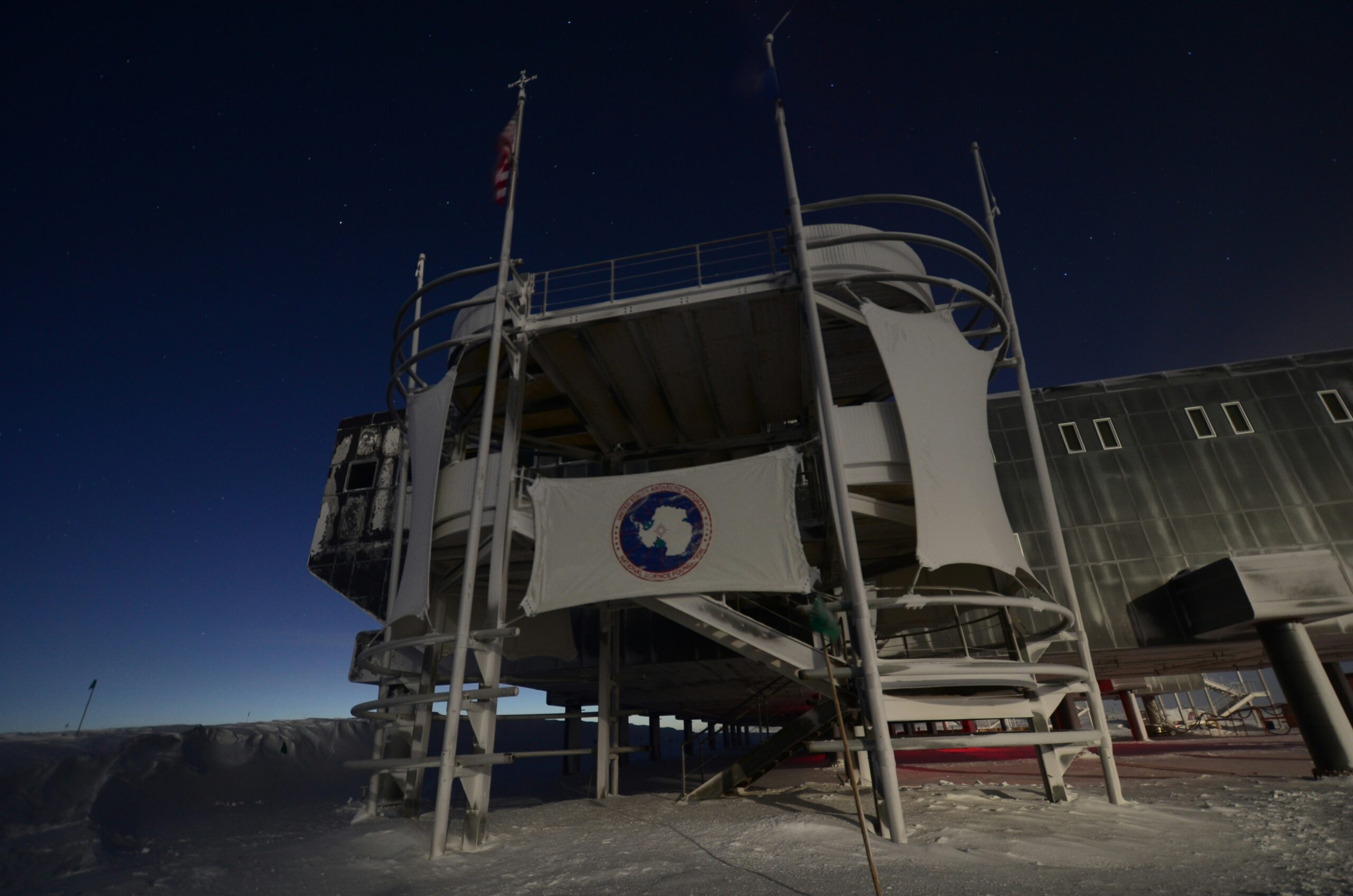
The persistent hum of life support systems, the ever-present whisper of recycled air, and the stark beauty of the Earth hanging like a sapphire in the obsidian sky – these are the sensory realities that will define the existence of humanity’s first permanent lunar outpost. Establishing a 12-man facility on the Moon represents not merely an engineering marvel or a scientific endeavor, but a profound evolutionary step for our species, marking the definitive assertion of our presence beyond Earth. This is the next frontier, a bold declaration that our destiny lies not solely within the cradle of our home planet, but amongst the stars.
This ambitious undertaking, codenamed “Artemis Base Alpha,” will serve as a crucible for innovation, a launchpad for deeper space exploration, and a sanctuary for scientific discovery. The challenges are immense, spanning the technological, physiological, psychological, and logistical. Yet, the potential rewards – an unparalleled understanding of lunar geology and resources, a unique vantage point for astronomical observation, and the invaluable experience gained for future Martian missions – far outweigh the inherent risks. The establishment of Artemis Base Alpha is more than a goal; it is an imperative.
The dream of a permanent human presence on the Moon is as old as humanity’s gaze upwards. For decades, it has been relegated to the realm of science fiction, a tantalizing vision of domed cities and intrepid explorers. However, recent advancements in rocketry, materials science, robotics, and life support have transformed this dream into a tangible possibility. The Artemis program, spearheaded by NASA and its international partners, has laid the foundational architecture for returning humans to the lunar surface, and Artemis Base Alpha is the natural, inevitable progression of that effort.
Strategic Site Selection: The Foundation of Success
The location of Artemis Base Alpha is paramount to its long-term viability and operational efficiency. It is not a decision to be made lightly, but one that requires meticulous analysis of numerous factors, each contributing to the outpost’s safety, resource accessibility, and scientific potential.
Permanently Shadowed Regions (PSRs) and Their Promise
A primary consideration for site selection revolves around the potential for water ice. Permanently shadowed regions (PSRs), primarily found near the lunar poles, are believed to contain significant quantities of frozen water, a critical resource for life support, propellant production, and scientific study.
- Water as a Cornerstone Resource: The presence of water ice offers a paradigm shift in lunar operations. It reduces the reliance on Earth-based resupply, significantly lowering mission costs and increasing self-sufficiency. Water can be electrolyzed into hydrogen and oxygen, essential components for rocket fuel, enabling refueling capabilities for missions departing from the Moon to further destinations.
- Challenges of PSR Exploration: While promising, PSRs present unique challenges. Their perpetual darkness necessitates robust lighting systems and advanced navigation techniques. Extreme cold temperatures require specialized equipment and insulation. The scientific value of analyzing pristine ice deposits, potentially holding clues to the early solar system, is immense, but accessing and studying these environments requires careful planning and specialized instrumentation.
Lunar Poles: A Unique Operational Environment
Beyond the allure of PSRs, the lunar poles offer distinct advantages for a permanent base.
- Near-Constant Sunlight for Power: Regions near the poles experience periods of near-constant sunlight, ideal for solar power generation. This consistent energy supply is crucial for maintaining life support, powering scientific instruments, and facilitating ongoing construction and expansion.
- Strategic Communication Advantages: The elevated terrain at the poles can offer line-of-sight communication with Earth, though some relay infrastructure might still be necessary. This consistent communication is vital for mission control, scientific data transfer, and astronaut well-being.
- Scientific Observatories: The stable and quiet environment of the lunar poles makes them an exceptional location for astronomical observatories, free from atmospheric interference and Earth’s radio noise.
Lava Tubes and Subsurface Habitats
Another critical area of investigation for site selection involves exploring lunar lava tubes.
- Natural Radiation Shielding: These ancient, collapsed lava tubes offer a natural shield against the harsh lunar radiation environment, a significant threat to human health. Habitation within lava tubes could drastically reduce the need for heavy, artificial shielding.
- Stable Temperature Environments: Lava tubes provide a more stable temperature environment compared to the lunar surface, where extreme fluctuations occur between lunar day and night. This simplifies temperature control within the habitat.
- Site Characterization and Accessibility: Identifying and characterizing suitable lava tubes for habitation is a complex geological and robotic challenge. Ensuring safe and efficient access for construction and operations is paramount.
The Architectural Vision: Designing for Extremes
The design of Artemis Base Alpha must be an embodiment of resilience, adaptability, and human comfort in an unforgiving environment. It is a fusion of cutting-edge engineering and thoughtful human factors.
Modular and Expandable Habitats
The initial 12-man outpost will likely comprise modular units, allowing for phased deployment and future expansion.
- Inflatable and Rigid Modules: The use of both inflatable and rigid habitat modules offers a balance of volume, transportability, and structural integrity. Inflatable modules can provide large living and working spaces efficiently, while rigid modules can serve as core structural elements and specialized labs.
- Interconnectivity and Redundancy: Modules will be interconnected to create a cohesive living and working environment, with critical systems designed with redundancy to ensure uninterrupted operation. Emergency egress routes and sealed bulkheads will be standard.
- Future Growth Potential: The initial design will incorporate provisions for future expansion, allowing for the addition of more habitat modules, research facilities, and industrial areas as the outpost grows.
Radiation Shielding and Environmental Control
Protecting the inhabitants from the relentless lunar radiation is a non-negotiable design priority.
- Regolith as a Shielding Material: Lunar regolith, the loose surface material, will be a primary shielding material. Structures can be buried beneath regolith, or regolith can be incorporated into the walls of habitats.
- Water and Other Materials: Water tanks strategically placed within the habitat walls can also provide effective radiation shielding. Advanced composite materials are also being investigated for their radiation-attenuating properties.
- Closed-Loop Life Support Systems: Sophisticated closed-loop life support systems will be essential for recycling air, water, and waste, minimizing reliance on Earth and maximizing resource utilization. These systems will include advanced atmospheric processing, water purification, and waste management technologies.
Power Generation and Distribution
A robust and reliable power infrastructure is the lifeblood of any lunar outpost.
- Solar Arrays and Battery Storage: Large-scale solar arrays, strategically placed for maximum sunlight exposure, will be the primary power source. Advanced battery storage systems will be crucial for powering the base during lunar night or periods of low sunlight.
- Potential for Nuclear Power: For long-term, high-demand operations, the potential deployment of small modular nuclear reactors (SMRs) will be considered, offering a consistent and powerful energy source regardless of sunlight conditions.
- Redundant Power Grids: Multiple, redundant power grids will be established to ensure that a single failure does not cripple the entire outpost.
The concept of establishing a 12-man lunar outpost has garnered significant attention in recent years, particularly as nations and private companies ramp up their efforts for lunar exploration. For those interested in learning more about the potential implications and technological advancements associated with this ambitious project, you can read a related article that delves into the challenges and opportunities of building a sustainable human presence on the Moon. Check it out here: related article.
The Human Element: Cultivating a Thriving Lunar Community
Beyond the concrete and steel, the true success of Artemis Base Alpha hinges on the well-being and efficacy of its 12 inhabitants. This is not simply a collection of individuals performing tasks; it is the forging of a new, isolated community facing unique psychological and physiological challenges.
Crew Selection and Training: The Pinnacle of Preparation
The selection and training of the initial crew will be an exhaustive and multi-faceted process. These individuals must be more than technically proficient; they must possess the mental fortitude and interpersonal skills to thrive in an extreme, enclosed environment.
Technical Proficiency and Specialization
The 12-man crew will be a diverse group of highly skilled professionals, each bringing a specialized expertise to the outpost.
- Engineers and Technicians: A core group of mechanical, electrical, and systems engineers will be essential for maintaining and repairing the complex infrastructure of the base. This includes specialists in life support, power generation, and communications.
- Scientists and Researchers: A significant portion of the crew will be dedicated to scientific research, including geologists, astronomers, biologists, and astrobiologists, each contributing to our understanding of the Moon and its potential.
- Medical and Psychological Support: A dedicated medical officer, with expertise in space medicine, will be crucial for addressing the physiological effects of prolonged space exposure. A psychologist or psychiatrist will be vital for monitoring and supporting the mental well-being of the crew.
Psychological Resilience and Team Dynamics
The isolation, confinement, and constant pressure of lunar life will test the psychological limits of the crew.
- Rigorous Psychological Screening: Candidates will undergo extensive psychological evaluations to assess their resilience, adaptability, and ability to cope with stress, isolation, and confinement.
- Team Cohesion Training: Intensive team-building exercises and simulations will be conducted to foster strong working relationships, effective communication, and conflict resolution skills. This will include training in intercultural communication for international crews.
- Stress Management Techniques: The crew will be trained in various stress management techniques, including mindfulness, meditation, and recreational activities designed to promote mental well-being.
Life on the Moon: Daily Rhythms and Well-being
The daily routines and living conditions at Artemis Base Alpha will be meticulously designed to promote both operational efficiency and the psychological health of the crew.
Maintaining Physical Health in Low Gravity
The effects of reduced gravity on the human body are well-documented, and proactive measures will be implemented.
- Rigorous Exercise Regimens: Daily exercise will be mandatory, utilizing specialized equipment designed to counteract bone density loss and muscle atrophy. This includes treadmills with bungee harnesses, resistance machines, and cardiovascular equipment.
- Nutritional Support and Meal Preparation: A carefully planned nutritional program will be implemented, with a focus on providing balanced meals that are both palatable and provide essential nutrients. The potential for on-site food production, such as hydroponic gardens, will be explored.
- Medical Monitoring and Intervention: Regular medical check-ups and monitoring of key physiological indicators will be conducted to detect and address any health issues early.
Fostering Psychological Well-being and Social Interaction
The mental health of the crew is as critical as their physical health.
- Designated Recreation and Social Spaces: The outpost will include dedicated spaces for recreation, socializing, and personal downtime. These areas will be designed to be comfortable and inviting, fostering a sense of community.
- Communication with Earth: Regular communication channels with family, friends, and mission control will be maintained to combat feelings of isolation and provide emotional support.
- Meaningful Work and Purpose: The inherent scientific and exploratory mission of the outpost will provide a strong sense of purpose, which is a significant contributor to psychological well-being. Regular opportunities for scientific discovery and problem-solving will be integral to daily life.
Scientific Exploration and Resource Utilization: Unlocking Lunar Secrets

Artemis Base Alpha will be a hub of scientific discovery, enabling unprecedented research into lunar geology, the origins of the solar system, and the potential for utilizing lunar resources.
Unlocking the Secrets of Lunar Geology and History
The Moon, a silent witness to eons of cosmic history, holds invaluable clues about our solar system’s formation and evolution.
Sampling and Analysis of Lunar Rocks and Regolith
Direct access to lunar materials will revolutionize our understanding of the Moon’s past.
- Geological Surveys and Prospecting: Expeditions will conduct extensive geological surveys, collecting samples from diverse locations, including ancient highlands, mare basalts, and impact craters.
- In-Situ Analysis and Laboratory Work: On-site laboratories will be equipped with advanced instruments for initial sample analysis, allowing for rapid identification of key minerals and compositional data. Samples requiring more complex analysis will be prepared for return to Earth.
- Understanding Lunar Volcanism and Tectonics: The study of lunar rocks will provide insights into the Moon’s volcanic history, tectonic activity, and the processes that shaped its surface over billions of years.
The Search for Volatiles and Water Ice
The discovery of water ice at the lunar poles has opened a new frontier for lunar science and resource utilization.
- Drilling and Core Sample Collection: Specialized drilling equipment will be deployed to extract core samples from PSRs, allowing for detailed analysis of ice concentration, purity, and potential trapped organic molecules.
- Understanding the Origin and Distribution of Lunar Water: The research will focus on understanding the origin of lunar water – whether it arrived via comets and asteroids or was generated internally – and its distribution across the lunar surface.
- Implications for Astrobiology: The presence of water and potential organic compounds in PSRs could have significant implications for the search for past or present life beyond Earth.
In-Situ Resource Utilization (ISRU): The Key to Sustainability
The ability to live off the land, or in this case, the Moon, is fundamental to the long-term success of Artemis Base Alpha.
Water Ice Extraction and Processing
Water is not just for drinking; it is the foundation for a sustainable lunar economy.
- Extraction Technologies: Various technologies will be tested for efficient extraction of water ice from the regolith, including heating and sublimation methods, as well as physical excavation.
- Purification and Storage: Extracted water will undergo rigorous purification processes to make it potable and suitable for other uses. Secure and efficient storage solutions will be developed.
- Propellant Production: As mentioned earlier, electrolyzing water into hydrogen and oxygen will be a primary goal for producing rocket propellant, enabling lunar-based refueling and reducing launch mass from Earth.
Utilizing Lunar Regolith for Construction and Manufacturing
The very ground beneath the astronauts’ feet offers a wealth of building materials.
- 3D Printing with Regolith: Advanced 3D printing techniques will be employed to construct habitats, landing pads, and other infrastructure using lunar regolith as the primary feedstock. This significantly reduces the need to transport heavy materials from Earth.
- Sintering and Other Manufacturing Processes: Other manufacturing processes, such as sintering and melting of regolith, will be explored to create durable building components and tools.
- Extracting Other Useful Elements: Research will also focus on the potential to extract other valuable elements from lunar regolith, such as oxygen, aluminum, and titanium, for use in various manufacturing processes.
Technological Advancements and Future Prospects: Paving the Way Forward
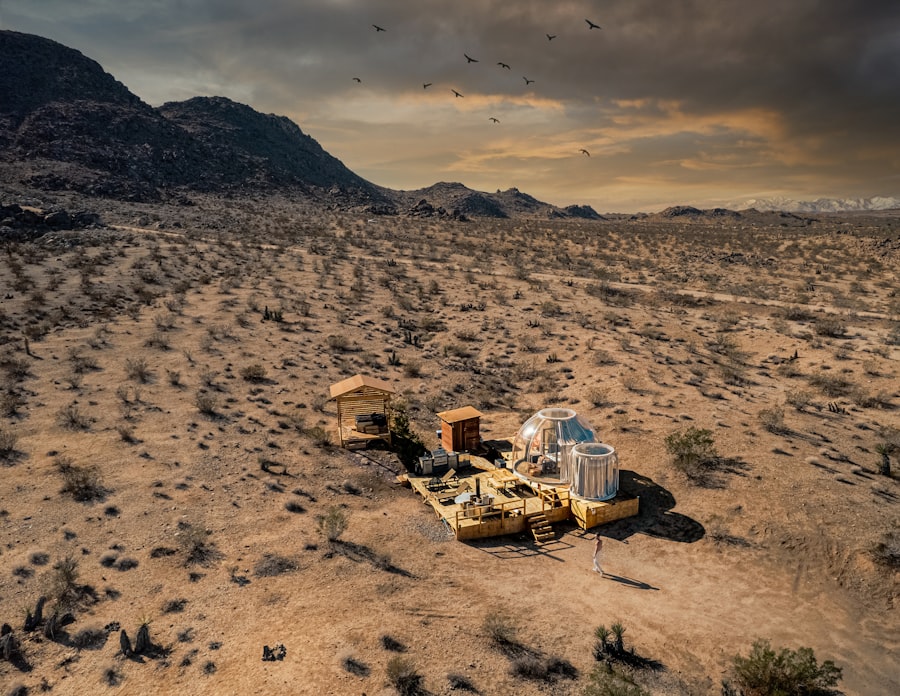
The establishment of Artemis Base Alpha will serve as a powerful catalyst for technological innovation, pushing the boundaries of what is currently possible and setting the stage for even more ambitious endeavors.
Robotics and Automation: The Unsung Heroes of the Moon
Robots will be indispensable partners to the human crew, performing hazardous tasks and extending the reach of the outpost.
Advanced Robotic Construction and Maintenance
Robots will be instrumental in the initial construction and ongoing maintenance of the base.
- Autonomous Construction Robots: Swarms of autonomous robots will be deployed to level terrain, excavate foundations, and begin the process of regolith manipulation for shielding and construction.
- In-Situ Repair and Diagnostics: Robotic systems will be capable of performing routine maintenance, diagnostics, and even repairs on critical infrastructure, reducing the need for risky human spacewalks.
- Remote Operation and Telepresence: Advanced telepresence capabilities will allow astronauts and ground control to remotely operate robots with high fidelity, enabling complex tasks to be performed with precision.
Scientific Robotic Explorers
Robots will venture beyond the immediate vicinity of the outpost, expanding the scientific scope of the mission.
- Lunar Rovers and Drones: Sophisticated rovers will explore vast lunar terrains, while aerial drones will provide aerial reconnaissance and access to challenging geological formations.
- Sample Return Missions: Robotic missions will be designed to collect and return scientifically valuable samples from remote or hazardous locations, reducing risk to human explorers.
- Deep Space Observatories: Robotic telescopes deployed on the far side of the Moon, shielded from Earth’s radio interference, will offer unparalleled views of the universe.
Interplanetary Logistics and Communication Networks
The establishment of a lunar outpost necessitates a robust logistical framework and advanced communication capabilities.
Developing Lunar-Based Launch and Landing Systems
The Moon itself will become a staging point for future space exploration.
- Lunar-Based Propellant Depots: The ability to produce propellant on the Moon will enable reusable lunar landers and ascent vehicles, significantly reducing the cost of operations.
- Gateway Station and Orbital Transfer: The Lunar Gateway, a planned space station in lunar orbit, will serve as a critical staging point for missions to the Moon and beyond, facilitating crew and cargo transfers.
- In-Space Manufacturing and Assembly: The development of in-space manufacturing and assembly capabilities on the Moon will be crucial for building larger spacecraft and infrastructure for future interplanetary missions.
The Lunar Communication Infrastructure
Seamless and reliable communication is vital for safety and scientific operations.
- Lunar Orbital Communication Satellites: A network of communication satellites in lunar orbit will provide continuous coverage and relay data between the outpost, Earth, and other lunar assets.
- High-Bandwidth Data Transmission: Advanced communication protocols and technologies will be employed to ensure high-bandwidth data transmission for scientific research, telemetry, and crew communications.
- Deep Space Communication Protocols: The development of robust deep space communication protocols will be essential for eventual missions to Mars and beyond, building upon the experience gained at Artemis Base Alpha.
The concept of a 12-man lunar outpost has garnered significant attention in recent years, particularly as space agencies and private companies explore the possibilities of sustainable human presence on the Moon. A related article discusses the technological advancements necessary for establishing such a base, emphasizing the importance of life support systems and habitat construction. For more insights on this topic, you can read the full article here. This exploration not only aims to enhance our understanding of lunar resources but also serves as a stepping stone for future missions to Mars and beyond.
The Future of Humanity: A Lunar Stepping Stone
| Aspect | Metric |
|---|---|
| Location | Lunar surface |
| Capacity | 12 astronauts |
| Duration | Extended stays |
| Purpose | Research and exploration |
| Support | Supplies from Earth |
Artemis Base Alpha is not an end in itself, but a pivotal stepping stone in humanity’s journey into the cosmos. The knowledge gained, the technologies developed, and the human experience accumulated on the Moon will pave the way for our continued expansion into the solar system and, ultimately, the stars.
Beyond the Moon: Mars and Beyond
The lessons learned at Artemis Base Alpha will be directly applicable to future missions to Mars and other celestial bodies.
Testing Life Support and Habitation Systems
The closed-loop life support systems and habitat designs tested and refined on the Moon will be critical for sustaining human life on the Red Planet.
- Radiation Mitigation Strategies: The effectiveness of various radiation shielding techniques developed for the Moon will inform the design of Martian habitats.
- Psychological Adaptation to Isolation: The understanding of psychological challenges and coping mechanisms developed for lunar crews will be invaluable for long-duration Mars missions.
- Resource Utilization for Self-Sufficiency: The development and application of ISRU technologies on the Moon will be a crucial precursor to establishing self-sustaining settlements on Mars.
Establishing a Multi-Planetary Civilization
Artemis Base Alpha represents the initial, tangible steps towards a future where humanity is no longer confined to a single planet.
- Developing Interplanetary Transportation: The logistical infrastructure and propulsion technologies developed for lunar operations will contribute to the development of efficient interplanetary transportation systems.
- Scientific and Economic Opportunities: The scientific discoveries and economic opportunities that emerge from lunar habitation will inspire and fund further exploration of the solar system.
- A New Era of Human Exploration: The establishment of a permanent lunar outpost signifies the dawn of a new era of human exploration, one defined by a bolder vision and an unyielding pursuit of knowledge and expansion.
The 12-man lunar outpost, Artemis Base Alpha, is more than just a collection of buildings and equipment; it is a testament to human ingenuity, perseverance, and our innate drive to explore the unknown. It is the embodiment of our aspiration to become a truly multi-planetary species, a beacon of hope and a promise of a future etched in the stardust of the cosmos. The next frontier beckons, and humanity is ready to answer its call.

America Planned a Military Moon Base Before Anyone Had Reached Orbit
FAQs
What is a 12 man lunar outpost?
A 12 man lunar outpost refers to a proposed permanent human settlement on the moon that can accommodate up to 12 astronauts at a time. This outpost would serve as a base for scientific research, exploration, and potentially even commercial activities on the moon.
What are the potential benefits of a 12 man lunar outpost?
A 12 man lunar outpost could provide valuable opportunities for scientific research, including studying the moon’s geology, conducting experiments in a low-gravity environment, and testing technologies for future space exploration. It could also serve as a stepping stone for future missions to Mars and beyond.
How would a 12 man lunar outpost be constructed?
The construction of a 12 man lunar outpost would likely involve sending multiple missions to the moon to transport supplies, equipment, and habitats. These habitats would need to be designed to withstand the harsh lunar environment, including extreme temperatures, radiation, and micrometeoroid impacts.
What challenges would astronauts face while living on a 12 man lunar outpost?
Astronauts living on a 12 man lunar outpost would face numerous challenges, including prolonged exposure to low gravity, limited access to essential resources such as water and oxygen, and the psychological effects of living in a confined and isolated environment for extended periods of time.
What is the timeline for establishing a 12 man lunar outpost?
While there is currently no set timeline for establishing a 12 man lunar outpost, several space agencies and private companies have expressed interest in returning humans to the moon in the coming decades. Efforts to establish a lunar outpost will likely depend on funding, technological advancements, and international collaboration.