
The persistent fascination with unidentified flying objects (UFOs) has long captivated the public imagination. From fleeting glimpses of strange lights in the night sky to detailed accounts of alleged encounters, the phenomenon of UFOs has consistently fueled debate and speculation. At the heart of this discourse lies a crucial distinction: the difference between claims and evidence. While claims are statements of belief or assertion, evidence is the factual basis that supports or refutes such assertions. Understanding this fundamental dichotomy is essential for any serious examination of the UFO phenomenon. This article will delve into the world of UFO claims, exploring the nature of the evidence presented, and the challenges involved in separating verifiable facts from speculative narratives.
UFO claims manifest in a myriad of forms, reflecting the diverse experiences and interpretations of those who report them. These claims can range from simple sightings of unusual aerial phenomena to more elaborate narratives involving close encounters, intelligent interactions, and even alleged abductions. The sheer volume and variety of these claims make it a complex undertaking to categorize and analyze them systematically.
Eyewitness Testimonies: The Foundation of Many Claims
The cornerstone of many UFO claims is the eyewitness testimony. Individuals, often ordinary citizens, report observing things that deviate from their understanding of conventional aircraft or natural phenomena. These testimonies can be compelling due to their personal nature and the conviction of the reporter. They often describe unusual shapes, movements, speeds, colors, and behaviors attributed to the observed objects.
The Subjectivity of Perception
However, eyewitness testimony, while valuable, is inherently subjective. Human perception is influenced by a multitude of factors, including lighting conditions, psychological state, prior experiences, and the observer’s expectations. A fleeting glimpse of an object, especially at a distance or under stressful circumstances, can be easily misinterpreted. The human brain is remarkably adept at filling in missing information, which can lead to the creation of a coherent, yet inaccurate, narrative. This is not to say that witnesses are intentionally deceptive, but rather that their perception can be fallible.
The Power of Suggestion
Furthermore, the power of suggestion can play a significant role. Once an individual suspects they might be observing something unusual, their attention may be heightened, leading them to interpret ambiguous stimuli in a way that confirms their initial suspicion. In cases where UFO sightings become a topic of public discussion or media attention, individuals who have seen something they cannot readily explain might be more inclined to label it as a UFO, influenced by the prevalent narratives.
Photographic and Video Evidence: A Visual Record
Beyond verbal accounts, photographic and video evidence constitutes another significant category of UFO claims. For decades, individuals have captured images and footage of what they believe to be extraterrestrial craft or advanced, unknown technology. These visual records are often presented as objective proof, seemingly offering a tangible representation of the purported phenomena.
The Challenge of Authenticity and Interpretation
The challenge with photographic and video evidence lies in its susceptibility to manipulation, misinterpretation, and natural explanations. Early photographic evidence, for instance, could be faked using simple techniques like double exposure or by attaching objects to strings. Modern digital technology has made sophisticated manipulation more accessible, raising the bar for verifying authenticity. Even when genuine, images and videos can be difficult to interpret due to poor quality, distance, atmospheric conditions, or the inherent limitations of two-dimensional representations of three-dimensional objects.
Common Explanations for Visual Anomalies
Many seemingly anomalous visual records can be attributed to conventional sources such as aircraft (especially those with unusual lighting configurations or experimental designs), drones, satellites, meteors, balloons (including weather balloons or party balloons), and even optical illusions created by atmospheric effects. Lens flares, reflections, and camera artifacts can also lead to misidentification. Without clear context and high-quality, verifiable data, attributing these visual anomalies to extraterrestrial craft remains speculative.
Documented Sightings and Official Reports: Authority and Credibility
In addition to individual claims, there are instances where UFO sightings have been documented by official bodies or reported by individuals in positions of authority. These might include reports from military pilots, air traffic controllers, or government agencies tasked with investigating such phenomena. The involvement of these entities often lends a degree of perceived credibility to the claims, as these individuals are generally trained to observe and report accurately.
Historical Investigations and Their Limitations
Historically, various governments have initiated investigations into UFO reports. The most notable of these in the United States include Project Blue Book, which ran from 1952 to 1969. While these projects did investigate a significant number of cases, often categorized as “unidentified,” a substantial percentage were ultimately explained as prosaic phenomena. The remaining unresolved cases, while intriguing, did not necessarily provide conclusive evidence for extraterrestrial visitation. The methods and standards of these investigations have also been subject to criticism over time, with some arguing they were not always sufficiently thorough or independent.
The Modern Era of UAP Investigations
More recently, there has been a resurgence of interest in UFOs, now often referred to as Unidentified Aerial Phenomena (UAP). The U.S. Department of Defense has released reports and declassified videos depicting encounters between military personnel and UAP, acknowledging that some of these phenomena remain unexplained. While this shift towards official acknowledgement is significant, it is crucial to note that “unexplained” does not equate to “extraterrestrial.” It simply signifies that, based on the available data, a definitive conventional explanation could not be determined.
In the ongoing debate surrounding UFOs, the distinction between evidence and claims is crucial for understanding the phenomenon. A related article that delves deeper into this topic can be found on XFile Findings, which explores various testimonies and the scientific scrutiny behind them. For more insights, you can read the article here: XFile Findings. This resource provides a comprehensive overview of the evidence presented in the UFO discourse, helping to clarify the often-blurred lines between credible information and mere speculation.
The Nature of Evidence in UFO Investigations
When discussing UFOs, the term “evidence” requires careful scrutiny. The quality and nature of evidence are paramount in establishing the validity of any claim, and in the realm of UFOs, this is particularly challenging. What constitutes compelling evidence for an extraordinary claim?
The Hierarchy of Evidence: From Anecdote to Hard Data
In scientific and investigative contexts, a hierarchy of evidence exists. At the lower end are anecdotal reports, which are personal stories and recollections. While valuable for generating hypotheses and identifying areas for further investigation, anecdotes are generally considered the weakest form of evidence due to their subjectivity and potential for inaccuracy.
Moving up the hierarchy, we find eyewitness testimonies. As discussed earlier, these can be more structured and detailed, but still carry the inherent limitations of human perception. More robust evidence includes photographic and video recordings, provided they are verifiable and of sufficient quality.
At the higher echelons of the evidence hierarchy are tangible artifacts, scientific measurements, sensor data, and corroborating testimonies from multiple independent sources using reliable instrumentation. The ultimate form of evidence would likely involve the direct study of an object or its components under controlled scientific conditions, or indisputable documentation that confirms extraordinary phenomena with no plausible conventional explanation.
Differentiating Evidence from Claims: The Crucial Step
The primary challenge in UFO investigations is the frequent conflation of claims with evidence. A claim is an assertion, such as “I saw an alien spaceship.” Evidence, on the other hand, is what supports that assertion. A blurry photograph of a light in the sky is not evidence of an alien spaceship; it is a photograph that requires interpretation. The claim is the interpretation; the photograph is the raw data.
The Burden of Proof
The burden of proof in extraordinary claims rests with the claimant. If someone asserts that UFOs are alien spacecraft, they must provide evidence that strongly supports this conclusion and, ideally, rules out all plausible conventional explanations. The absence of a conventional explanation, in itself, is not positive proof of the extraordinary. It simply means that more investigation is needed.
The “Unexplained” Is Not Necessarily “Alien”
A critical point of contention is the interpretation of “unexplained” cases. When official investigations or scientific bodies label a UFO sighting as “unexplained,” it means that, based on the totality of the available information at the time, no definitive conventional explanation could be established. This category often includes cases with insufficient data, ambiguous witness accounts, or unusual but ultimately unidentifiable aerial phenomena. It does not, however, automatically imply extraterrestrial origin.
Types of Evidence Presented in UFO Cases
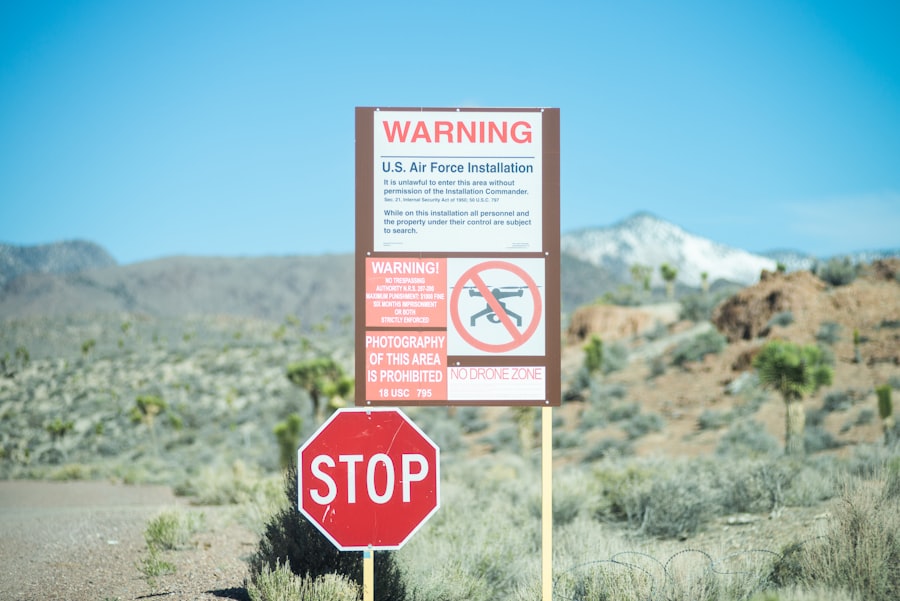
The types of evidence presented in UFO cases are as varied as the claims themselves. Understanding these different forms helps in evaluating their potential validity and limitations.
Witness Accounts and Their Limitations
As previously explored, witness accounts are the most pervasive form of “evidence” in UFO lore. These can be from individuals with no particular expertise or from trained professionals like pilots or radar operators. While the latter offer a higher degree of credibility due to their training and experience, even experienced observers can make errors in judgment or misinterpret stimuli.
Verifying Witness Credibility
When evaluating witness accounts, investigators typically consider factors such as the witness’s reliability, their state of mind at the time of the sighting, the duration and clarity of the observation, and whether their account has been corroborated by other independent witnesses. The consistency of a witness’s story over time is also important.
The Role of Trauma and Psychological Factors
It is also important to acknowledge the potential impact of psychological factors, including stress, fatigue, trauma, and even the influence of suggestion, on eyewitness accounts. While this does not invalidate all accounts, it necessitates a critical and open-minded approach to interpretation.
Photographic and Video Evidence: Quality and Context
Photographic and video evidence can be powerful, but their utility is heavily dependent on their quality and context.
Motionless Objects and Unexplained Movements
Photographs often capture what appear to be unusual objects or lights. However, without accompanying video or detailed contextual information, it can be difficult to ascertain the object’s nature or speed. A photograph of a stationary object, for instance, may be a much more mundane phenomenon than a rapidly moving one.
The Importance of Metadata and Source Verification
Verified metadata, such as timestamps, geographical location, and the specific equipment used, can be crucial for authenticating photographic and video evidence. The Chain of custody is also vital – ensuring the evidence has not been tampered with since its capture.
Known vs. Unknown Objects in Imagery
Many purportedly UFO images and videos have been identified as conventional aircraft, drones, atmospheric phenomena, or even hoaxes. The persistent difficulty lies in definitively identifying a small percentage of these visual records that appear to depict objects exhibiting behaviors or characteristics that defy easy explanation.
Radar and Sensor Data: Objective Measurement
Radar and sensor data represent a more objective form of evidence, as it involves instruments designed to detect and track objects in the atmosphere.
The Significance of Multiple Sensor Corroboration
When multiple independent sensor systems, such as radar, infrared, and visual spectrum cameras, detect the same anomaly simultaneously, it significantly increases the credibility of the sighting. This corroboration helps to rule out instrument malfunction or localized environmental distortions.
Anomalous Flight Characteristics
UAP reports often describe objects exhibiting flight characteristics that appear to defy known aerodynamic principles or human-made propulsion systems. This can include extreme acceleration, instantaneous changes in direction, or sustained high-speed flight without visible means of propulsion. Sensor data that captures these characteristics is of particular interest.
Limitations of Sensor Data Interpretation
However, sensor data is not infallible. Radar can experience clutter, false targets, and interference. The interpretation of complex sensor data requires specialized expertise, and even then, ambiguities can arise. Furthermore, the data itself needs to be corroborated with other forms of evidence to provide a comprehensive picture.
Physical Traces: The Elusive Artifact
The most compelling, yet exceedingly rare, type of evidence in UFO investigations would be physical traces left behind by alleged extraterrestrial craft.
The “Landing Marks” and Their Investigation
Throughout the history of UFO sightings, there have been reports of “landing marks” on the ground, unusual patterns in vegetation, or electromagnetic effects in the vicinity of a sighting. Investigations into these instances have sometimes yielded intriguing anomalies, such as altered soil composition or radiation levels.
The Scientific Scrutiny of Physical Evidence
However, such evidence is often difficult to definitively link to an unknown aerial phenomenon. Natural explanations, such as unusual geological formations, the activities of known aircraft, or even deliberate hoaxes, can often account for these traces. Scientific analysis of any purported physical evidence is crucial to determine its origin and significance. The lack of irrefutable, scientifically analyzed physical artifacts directly attributable to an extraterrestrial source remains a significant gap in the UFO evidence landscape.
Challenges in Evaluating UFO Evidence

The investigation of UFOs is fraught with challenges that make it difficult to draw definitive conclusions. These challenges stem from the nature of the phenomena themselves, the limitations of available data, and the societal context in which UFOs are discussed.
The Problem of Incomplete and Ambiguous Data
A recurring theme in UFO investigations is the pervasive issue of incomplete and ambiguous data. Many sightings occur fleetingly, under poor observational conditions, or are reported by individuals who lack the technical training to accurately document what they are seeing.
The “N of 1” Problem
Often, reports of unusual aerial phenomena are isolated incidents, meaning there is only a single observation or a very small number of observations that cannot be readily explained. This “N of 1” problem makes it difficult to establish patterns or statistical significance, and it leaves open the possibility of a rare but conventional explanation that has not yet been identified.
The Absence of a Controlled Environment
Unlike controlled scientific experiments, UFO sightings occur spontaneously in the natural environment. This means that investigators cannot dictate the conditions under which a phenomenon occurs, nor can they ensure that all relevant data will be captured. This makes it challenging to replicate observations or to gather the comprehensive data needed for rigorous analysis.
The Skeptic’s Perspective: Demanding Extraordinary Evidence
The skeptical viewpoint in the UFO debate is grounded in the principle that extraordinary claims require extraordinary evidence. This perspective emphasizes the need to exhaust all possible conventional explanations before considering more radical hypotheses.
The Principle of Occam’s Razor
Skeptics often invoke Occam’s Razor, the philosophical principle that suggests the simplest explanation that fits the evidence is usually the best. In the context of UFOs, this means favoring explanations involving misidentification, natural phenomena, or human error over the hypothesis of extraterrestrial visitation.
The Need for Repeatability and Testability
A cornerstone of the scientific method is repeatability and testability. If a phenomenon is consistently observed under controlled conditions and yields predictable results, it can be studied and understood. Because UFO sightings are sporadic and often unrepeatable, they present a significant challenge to the traditional scientific approach. Skeptics argue that until UFO phenomena can be subjected to rigorous, repeatable testing, they remain outside the purview of established science.
The Believer’s Perspective: The Weight of Accumulated Unexplained Cases
Conversely, proponents of the extraterrestrial hypothesis often point to the sheer volume of reported UFO sightings over decades and the persistent existence of a subset of cases that defy conventional explanation, even after extensive investigation.
The Argument from “Unexplained” Cases
Believers argue that the cumulative weight of these unexplained cases, particularly those involving multiple witnesses, radar confirmation, and apparently anomalous flight characteristics, suggests a pattern that cannot be dismissed as mere misidentification or error. They believe these cases, when viewed collectively, point to a genuine, unknown phenomenon.
The “Hidden” Evidence Argument
Some within the believer community also posit that a significant amount of credible evidence might be withheld by governments or other entities, further complicating the public’s understanding of the phenomenon. This often leads to theories about cover-ups and suppressed information.
The ongoing debate surrounding evidence versus claims in the realm of UFO sightings has garnered significant attention in recent years. Many enthusiasts and skeptics alike are eager to discern fact from fiction, leading to a plethora of discussions and analyses. For those interested in delving deeper into this topic, a related article offers valuable insights and perspectives on the subject. You can explore it further by visiting this link, which provides a comprehensive overview of the various claims and the evidence that supports or contradicts them.
The Scientific Approach to UFO Evidence
| Category | Evidence | Claims |
|---|---|---|
| Witness Testimonies | Multiple credible witnesses, including pilots and military personnel | Unsubstantiated claims from individuals without credible evidence |
| Photographic Evidence | Clear and unexplained photographs of unidentified flying objects | Blurry or easily debunked photos with no verifiable source |
| Radar Data | Recorded radar data showing unexplained aerial phenomena | Claims based on misinterpretation of radar signals or data |
| Government Disclosure | Official statements or declassified documents confirming UFO encounters | Speculative claims without official backing or evidence |
While the public discourse on UFOs is often polarized, a significant portion of the scientific community approaches the subject with a blend of curiosity and critical inquiry. The scientific method, with its emphasis on empirical observation, testability, and falsifiability, offers the most robust framework for evaluating claims about UFOs.
The Scientific Method and Its Application to Anomalies
The scientific method involves forming hypotheses, making predictions based on those hypotheses, and then testing those predictions through observation and experimentation. When applied to UFO phenomena, this means:
Identifying and Defining the Phenomenon
The first step is to clearly define what is being observed. Instead of broadly labeling something a “UFO,” scientists aim to categorize sightings based on observable characteristics. Is it a light? An object with a defined shape? Does it exhibit unusual movement?
Formulating Testable Hypotheses
Once the phenomenon is better defined, scientists can formulate hypotheses to explain it. These hypotheses can range from conventional explanations (e.g., misidentified aircraft, atmospheric effects) to more speculative ones (e.g., unknown natural phenomena, advanced terrestrial technology, or, in the most extreme cases, extraterrestrial visitation).
Gathering and Analyzing Data
This is where the quality of evidence becomes critical. Scientists seek verifiable data that can be objectively analyzed. This can include high-resolution imagery, radar data, atmospheric readings, sensor logs, and detailed, corroborated witness testimonies. The focus is on data that can be measured, quantified, and independently verified.
Testing and Falsifying Hypotheses
The goal of science is not to prove a hypothesis, but to test it. A strong scientific hypothesis is one that is falsifiable – that is, it can be proven wrong through observation or experimentation. If a hypothesis consistently fails to explain the observed data, it must be revised or discarded. For example, if the hypothesis of an extraterrestrial spacecraft is proposed for a particular sighting, scientists would actively seek evidence that could falsify this hypothesis by pointing to a conventional explanation.
- ### The Importance of Peer Review
A crucial element of scientific validation is peer review. When research findings are submitted for publication in scientific journals, they are reviewed by other experts in the field. This process helps to ensure the rigor of the research, the validity of the methods, and the soundness of the conclusions. In the context of UFOs, any claims that move beyond speculation and into the realm of scientific inquiry would undergo this rigorous scrutiny.
- ### The Role of Statistics and Probability
Statistical analysis can be employed to assess the likelihood of certain phenomena occurring by chance and to identify patterns in large datasets of sightings. While not an explanation in itself, statistical analysis can help to differentiate between truly anomalous events and those that can be explained by probability.
Moving Beyond Anecdote to Empirical Investigation
For the UFO phenomenon to gain greater traction within the scientific community, a shift from reliance on anecdotal evidence to rigorous, empirical investigation is necessary. This involves:
Developing Standardized Protocols for Data Collection
Just as meteorologists have standardized protocols for measuring atmospheric conditions, there needs to be a consistent approach to documenting and collecting data related to UAP sightings. This would ensure that the data gathered is as comprehensive and reliable as possible.
- ### Investing in Advanced Sensor Technology
The development and deployment of advanced sensor technology, specifically designed to detect and track anomalous aerial phenomena, would be invaluable. This would allow for objective, multi-spectrum data collection that is not reliant on the fallibility of human perception.
- ### Fostering Interdisciplinary Collaboration
Investigating UAP effectively requires collaboration between experts from various fields, including physics, aerospace engineering, psychology, meteorology, and computer science. Each discipline brings a unique set of tools and perspectives to the table, which can lead to more comprehensive analyses.
The Challenge of Public Perception and Scientific Stigma
Historically, the study of UFOs has been associated with fringe theories and sensationalism, leading to a degree of stigma within the broader scientific community. Some researchers may be hesitant to engage with the topic for fear of damaging their professional reputation. However, recent government declassifications and acknowledgements of unexplained aerial phenomena are beginning to chip away at this stigma, encouraging more open and serious scientific inquiry.
Conclusion: The Enduring Quest for Explanation
The enduring fascination with UFOs is a testament to humanity’s desire to understand the unknown and to confront the possibility of phenomena beyond our current comprehension. While the public discourse often oscillates between uncritical acceptance and outright dismissal, a balanced approach rooted in evidence and intellectual rigor is essential.
The distinction between claims and evidence remains paramount. Claims are ubiquitous, born from the myriad ways humans perceive and interpret the world around them. However, to move from speculation to understanding, these claims must be supported by robust, verifiable evidence. This evidence, when examined through the lens of scientific methodology, can help unravel the mysteries of the unexplained.
The challenges in UFO investigations are significant, stemming from the often fleeting and ambiguous nature of sightings, the limitations of human perception, and the inherent difficulties in replicating spontaneous phenomena. Yet, the increasing official acknowledgement of Unidentified Aerial Phenomena, coupled with advancements in sensor technology and a growing willingness for scientific engagement, offers a promising path forward.
Ultimately, the quest to understand UFOs is a quest to expand our knowledge of the universe and our place within it. By meticulously examining claims, demanding high-quality evidence, and applying the principles of scientific inquiry, we can hope to move beyond speculation and towards a more informed understanding of these enduring mysteries. The journey may be long and complex, but the pursuit of truth, grounded in evidence, is a worthy endeavor.

The Varginha UFO Incident: What the Evidence Really Shows
FAQs
What is the difference between evidence and claims in the context of UFO sightings?
Evidence refers to tangible, verifiable information that supports a particular claim, such as photographs, videos, radar data, and physical traces. Claims, on the other hand, are statements made by individuals about their experiences or observations of UFOs, which may or may not be supported by evidence.
What are some examples of evidence that have been used to support UFO sightings?
Examples of evidence that have been used to support UFO sightings include photographs and videos of unidentified aerial objects, radar data showing unexplained aerial phenomena, and physical traces such as crop circles or soil disturbances.
How can claims about UFO sightings be evaluated for credibility?
Claims about UFO sightings can be evaluated for credibility by examining the consistency and reliability of the witness accounts, the presence of corroborating evidence such as photographs or radar data, and the expertise and credibility of the individuals making the claims.
What are some common misconceptions about evidence and claims related to UFO sightings?
One common misconception is that all claims about UFO sightings are automatically dismissed as hoaxes or delusions. In reality, some claims are supported by credible evidence and are taken seriously by researchers. Another misconception is that all evidence of UFO sightings is irrefutable proof of extraterrestrial visitation, when in fact many sightings have natural or man-made explanations.
How does the scientific community approach the evaluation of evidence and claims related to UFO sightings?
The scientific community approaches the evaluation of evidence and claims related to UFO sightings with skepticism and critical thinking. Researchers seek to gather and analyze credible evidence using scientific methods, and they remain open to the possibility of unknown phenomena while also considering more conventional explanations.