The deep sea, a realm of perpetual darkness and immense pressure, has long been a frontier for scientific inquiry. Among its many mysteries, the potential for the coexistence of biological and synthetic entities within the gelatinous ecosystems found in its abyssal plains and trenches presents a compelling area of research. This article explores the theoretical framework and implications of bio-synthetic cohabitation in deep-sea gels, examining the challenges, opportunities, and the delicate balance required for such an integration to occur.
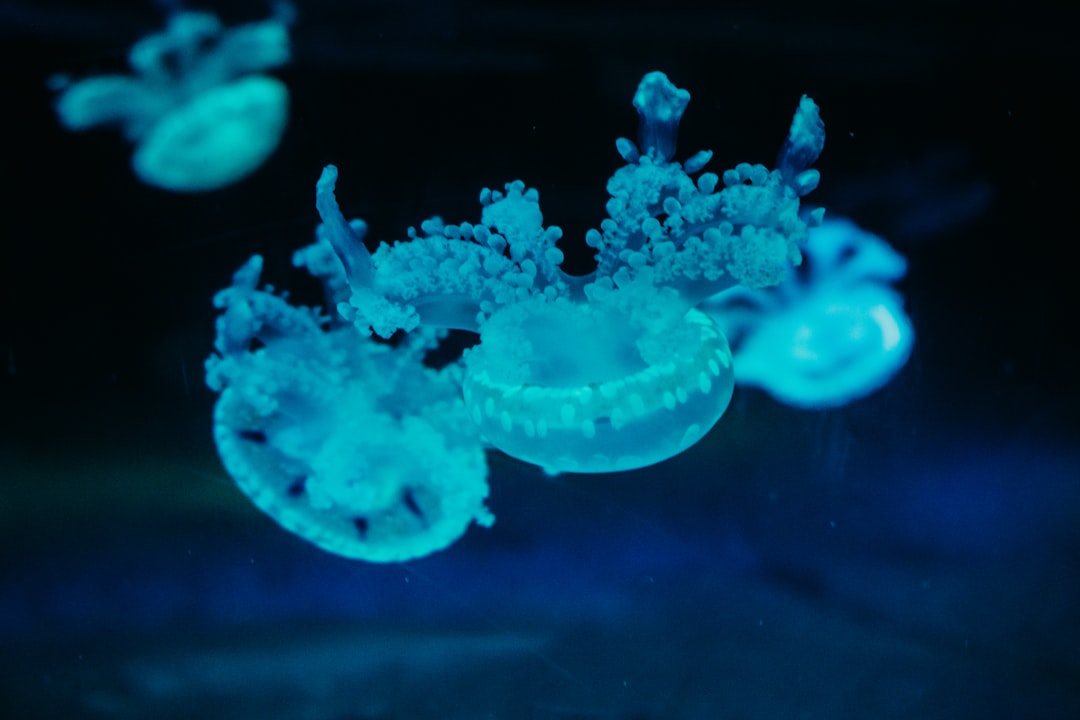
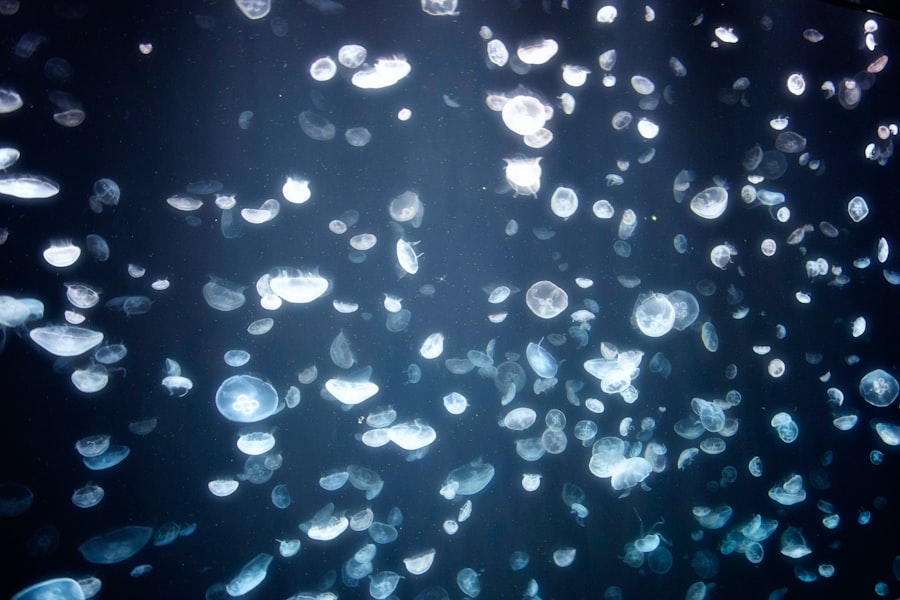
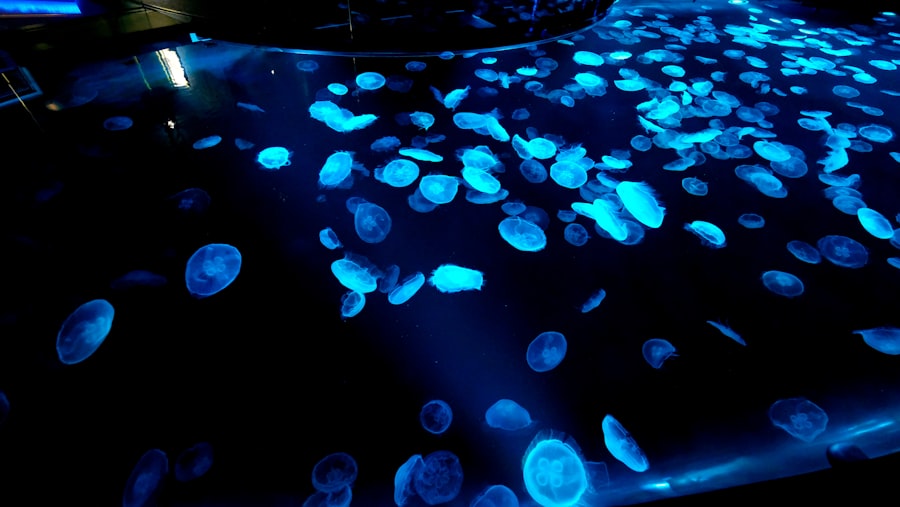
Deep-sea gels, often dominated by gelatinous zooplankton such as ctenophores (comb jellies) and cnidarians (jellyfish), form a substantial biomass in certain oceanic regions. These organisms are characterized by their high water content, delicate structures, and often slow metabolic rates, adaptations suited to the energy-limited and high-pressure conditions of the deep sea. Their extracellular matrix, a gel-like substance, plays a crucial role in their structural integrity and nutrient diffusion.
Gelatinous Zooplankton as a Foundation
The sheer abundance and ubiquity of gelatinous zooplankton in many deep-sea habitats make them an obvious candidate for consideration in any bio-synthetic cohabitation model. Their sessile or slow-moving nature, coupled with their prevalent presence, suggests they could provide a stable, albeit dynamic, substrate for synthetic components. Understanding the life cycles, feeding strategies, and reproductive mechanisms of these organisms is foundational to designing any integrated system. The gelatinous matrix itself, composed primarily of water and complex polysaccharides like hyaluronic acid, offers a unique medium for both biological and synthetic interactions.
Structural Properties of Gel Matrices
The viscoelastic properties of these deep-sea gels are of particular interest. Unlike rigid substrates, gels can deform under pressure and then recover their shape, a characteristic that might be advantageous for accommodating both biological and synthetic elements without causing significant physical stress. The pore sizes within these matrices, though variable, could potentially allow for the passage of nutrients and waste products, facilitating a degree of symbiotic exchange. Research into the molecular composition and mechanical behavior of these gels is crucial for predicting how synthetic materials might integrate and interact.
Nutritional Dynamics and Nutrient Exchange
Deep-sea gels are not inert masses; they are dynamic environments influenced by the metabolic activities of their constituent organisms and the surrounding water column. Nutrient availability is a significant limiting factor in the deep sea. Any bio-synthetic cohabitation would need to consider how synthetic components interact with the existing nutritional pathways, whether by competing for resources, facilitating nutrient uptake, or even introducing novel nutrient sources. The diffusion of dissolved organic matter and microbial populations within these gels also plays a role in their overall ecosystem dynamics.
Recent advancements in the field of biotechnological materials have led to the development of bio synthetic cohabitation deep sea gels, which are gaining attention for their potential applications in various industries. For a deeper understanding of this innovative topic, you can explore a related article that discusses the implications and future prospects of these materials. To read more, visit this article.
Conceptualizing Synthetic Integration
The term “synthetic integration” in this context refers to the introduction and sustained presence of non-biological components within the deep-sea gel environment. This could encompass a range of technologies, from inert materials designed to enhance structural integrity or nutrient capture to more active, sensor-laden devices capable of monitoring or even interacting with the local ecosystem. The key challenge lies in ensuring that these synthetic elements do not disrupt the delicate biological equilibrium.
Material Selection and Biocompatibility
The choice of synthetic materials is paramount. They must be able to withstand the extreme conditions of the deep sea, including high pressure, low temperatures, and corrosive seawater. Furthermore, they must exhibit a high degree of biocompatibility, meaning they should not elicit a harmful immune or toxic response from the resident biological organisms. Inert polymers, biostable ceramics, and certain advanced composites are potential candidates, but thorough testing for long-term degradation and leaching of harmful substances is essential.
Resistance to Extreme Pressures and Temperatures
The abyssal depths are characterized by pressures exceeding hundreds of atmospheres and temperatures close to freezing. Synthetic materials must retain their structural integrity and functional properties under these conditions. This might necessitate the use of materials with specific pressure-resistant formulations or encapsulation techniques that shield sensitive components. The thermal stability of materials is also a factor, as even small temperature fluctuations can impact the physics and chemistry of the surrounding gel.
Biocompatibility and Lack of Toxicity
Beyond physical robustness, the biological compatibility of synthetic materials is a critical consideration. Leaching of monomers, plasticizers, or other additives could have detrimental effects on the delicate marine life. Research into inert coatings, biodegradable polymers designed for specific degradation pathways, and materials that mimic biological extracellular matrices could offer solutions. Understanding the biological responses of gelatinous organisms to novel materials, perhaps through in vitro studies or controlled mesocosm experiments, is vital before any in situ deployment.
Design Paradigms for Synthetic Components
The design of synthetic components must be guided by principles of biomimicry and minimal invasiveness. Rather than introducing bulky, artificial structures, designs that complement or enhance existing biological functions are more likely to be successful. This could involve creating scaffolds that mimic the porous structure of the gel, or developing sensor arrays that can be deployed in a diffuse manner, distributed among the gelatinous organisms rather than concentrated in single locations.
Passive Integration and Mimicry
Passive integration aims to create synthetic components that blend seamlessly with the natural environment. This could involve materials with similar optical properties to minimize visual disruption, or structures that conform to the natural contours of the gel matrix. The principle of biomimicry suggests that by observing and replicating natural structures and processes, synthetic designs can be more readily accepted and integrated by biological systems.
Active Components and Sensor Networks
More advanced synthetic integration could involve active components, such as miniature sensors designed to monitor chemical gradients, microbial activity, or the physiological state of the gelatinous organisms. These sensors could form distributed networks, providing a comprehensive understanding of the gel ecosystem in real-time. Energy harvesting techniques, such as osmotic power generation or utilizing ambient currents, might be necessary to power these active components in the absence of readily available energy sources.
Challenges and Risks of Bio-Synthetic Cohabitation
The integration of synthetic elements into deep-sea gels is not without its inherent challenges and potential risks. Foremost among these is the potential for disruption of the existing ecosystem, leading to unforeseen ecological consequences. The delicate balance of life in these environments has evolved over millennia, and even seemingly minor anthropogenic interventions could have profound impacts.
Ecological Disruption and Unintended Consequences
Introducing foreign materials, even biocompatible ones, can alter the physical properties of the gel. This might affect the motility of organisms, their feeding efficiency, or their susceptibility to predation. Furthermore, synthetic components could become substrates for microbial colonization, potentially introducing novel pathogens or altering existing microbial communities. The long-term effects of such disruptions are difficult to predict and could ripple through the food web.
Alteration of Physical Gel Properties
The presence of synthetic particles or matrices within the gel could increase its viscosity, alter its diffusion rates, or change its shear modulus. These physical alterations might impede the movement of planktonic organisms, making it harder for them to navigate or escape predators. The efficiency of nutrient and waste exchange within the gel could also be compromised, impacting the metabolic processes of the resident fauna.
Microbial Colonization and Community Shifts
Synthetic surfaces provide new substrates for microbial biofilms to form. These biofilms can significantly alter the local chemical environment and potentially harbor pathogenic microbes that were not previously present in the deep-sea gel ecosystem. This could lead to increased disease prevalence in gelatinous organisms or even shifts in the dominant microbial species, with cascading effects on nutrient cycling.
Biogeochemical Feedback Loops
Synthetic components, particularly those that are not entirely inert, could engage in biogeochemical reactions with the surrounding seawater and seabed. This could lead to the release of undesirable compounds or the alteration of crucial nutrient cycles. For instance, if synthetic materials slowly degrade, they might release trace metals or organic compounds that could be toxic to deep-sea life or disrupt microbial nutrient processing.
Leaching of Compounds and Contamination
Even seemingly stable synthetic materials can, over extended periods, undergo slow degradation, releasing trace elements or organic compounds into the surrounding environment. These leached substances could be toxic to marine organisms, disrupt delicate physiological processes, or accumulate in the food web. Rigorous testing for long-term leaching profiles under deep-sea conditions is crucial.
Interference with Natural Cycles
The introduction of synthetic materials could interfere with natural biogeochemical cycles, such as carbon or nitrogen cycling. For example, a synthetic material that absorbs significant amounts of dissolved organic carbon could reduce the availability of this essential nutrient for heterotrophic microbes and other organisms. Conversely, a material that releases nitrates could lead to localized eutrophication effects.
Potential Applications and Benefits
Despite the significant challenges, the prospect of successful bio-synthetic cohabitation in deep-sea gels holds considerable potential for advancing scientific understanding and developing novel biotechnologies. The unique environment offers opportunities for research that would be impossible or impractical in other settings.
Enhanced Environmental Monitoring
Distributed sensor networks embedded within deep-sea gels could provide unprecedented real-time data on oceanographic conditions. These sensors could monitor parameters like temperature, salinity, dissolved oxygen, nutrient levels, and even the presence of specific chemical markers or biological signals. This continuous monitoring could offer early warnings of environmental changes, such as the onset of deoxygenation events or the spread of invasive species.
Real-time Oceanographic Data Collection
The ability to collect data directly from within these complex gelatinous environments, rather than relying solely on remote sensing or infrequent sampling, would revolutionize our understanding of deep-sea dynamics. This could inform climate modeling, track pollution events, and assess the health of marine ecosystems more effectively. The passive nature of some designs would minimize disturbance, allowing for more naturalistic observations.
Detection of Biological Signatures
Specialized sensors could be designed to detect unique biological signatures, such as bioluminescent patterns, chemical cues released by specific organisms, or even the genetic material of microbial communities. This could facilitate the study of elusive deep-sea species, reveal intricate symbiotic relationships, and track the spread of marine pathogens or beneficial microbes.
Novel Materials and Biomimetic Development
The interaction between synthetic materials and deep-sea biological systems could inspire the development of new biomimetic materials. By studying how biological entities interact with and even utilize synthetic components, scientists could gain insights into designing materials that are inherently more biocompatible, self-healing, or capable of specific enzymatic functions.
Inspiration for Advanced Biocompatible Materials
Observing the mechanisms by which deep-sea organisms interact with their gelatinous matrices and any potential synthetic inclusions could provide blueprints for novel biocompatible polymers. Understanding how these organisms maintain their structural integrity or process nutrients within these gels could inform the design of advanced medical implants or tissue engineering scaffolds.
Self-Assembling and Responsive Materials
The potential to develop synthetic components that can self-assemble or respond to specific environmental cues within the gel matrix is another exciting avenue. This could lead to materials that actively adapt to changing conditions, reinforce weakened areas of the gel, or release encapsulated beneficial substances in a controlled manner, mirroring biological self-regulation.
Recent advancements in the field of biochemistry have led to intriguing developments in the study of bio synthetic cohabitation deep sea gels, which are gaining attention for their potential applications in various industries. For those interested in exploring this topic further, a related article can be found at XFile Findings, where researchers delve into the unique properties and benefits of these innovative materials. The intersection of marine biology and synthetic chemistry presents exciting opportunities for future research and development.
Future Research Directions and Ethical Considerations
| Category | Metric |
|---|---|
| Depth | Deep sea |
| Material | Gels |
| Process | Bio synthetic cohabitation |
The exploration of bio-synthetic cohabitation in deep-sea gels necessitates a multidisciplinary approach, integrating expertise from marine biology, material science, robotics, and environmental ethics. Responsible exploration and rigorous ethical frameworks are paramount for navigating this novel scientific territory.
Interdisciplinary Collaboration and Research Methodologies
Future research must foster strong collaborations between diverse scientific disciplines. Marine biologists will be crucial for understanding the ecological context and potential impacts on deep-sea life. Material scientists will drive the development of robust and biocompatible synthetic components. Engineers will design and deploy the necessary infrastructure, while ethicists will guide responsible development and deployment strategies. Advanced modeling techniques, including computational fluid dynamics and agent-based simulations, will be essential for predicting system behavior.
Advanced Modeling and Simulation
Predicting the complex interactions between synthetic components and deep-sea biological systems requires sophisticated modeling. This includes simulating fluid dynamics within the gel matrix, modeling nutrient diffusion, and simulating the behavioral responses of gelatinous organisms to alterations in their environment. Agent-based modeling can be used to represent individual organisms and their interactions, allowing researchers to explore emergent behaviors of the integrated bio-synthetic system.
In Situ Experimentation and Long-Term Monitoring
Controlled in situ experiments, while challenging in the deep sea, will be vital for validating laboratory findings and observing long-term system behavior. This might involve deploying small-scale, contained bio-synthetic modules in carefully selected deep-sea environments. Continuous, long-term monitoring of these experimental sites will be crucial for assessing any unintended consequences and observing the gradual integration or rejection of synthetic components by the ecosystem.
Ethical Frameworks and Responsible Deployment
The potential implications of introducing synthetic elements into the deep ocean necessitate a cautious and ethically grounded approach. Robust ethical guidelines must be established to govern research and any potential future applications, prioritizing the preservation of deep-sea ecosystems.
Precautionary Principle and Risk Assessment
The precautionary principle, which advocates for taking preventative action in the face of uncertainty, should guide all research and deployment. Thorough risk assessments must be conducted at every stage of development, considering potential ecological, biogeochemical, and even broader societal impacts. The burden of proof should lie on demonstrating that a proposed intervention is safe and beneficial, rather than on proving it is harmful.
Public Engagement and Governance
Open dialogue and public engagement are crucial for building trust and ensuring societal acceptance of research involving deep-sea environments. Establishing clear governance structures and international consensus on the responsible exploration and utilization of these sensitive ecosystems will be vital. This includes developing protocols for environmental impact assessments and mechanisms for oversight and accountability for any future bio-synthetic deployments.
The exploration of bio-synthetic cohabitation in deep-sea gels represents a frontier of scientific possibility, offering the potential for profound insights and innovative applications. However, it is a frontier that demands meticulous research, rigorous ethical consideration, and a deep respect for the intricate and fragile ecosystems of the deep ocean. The integration of the biological and synthetic must be approached with caution, emphasizing understanding and stewardship over rapid technological advancement.
FAQs
What is bio synthetic cohabitation deep sea gels?
Bio synthetic cohabitation deep sea gels are a type of material that is created through the combination of biological and synthetic components, designed to mimic the properties of deep sea gels found in the ocean.
What are the potential applications of bio synthetic cohabitation deep sea gels?
Bio synthetic cohabitation deep sea gels have potential applications in various fields such as biomedical engineering, drug delivery systems, tissue engineering, and environmental remediation due to their unique properties and biocompatibility.
How are bio synthetic cohabitation deep sea gels created?
Bio synthetic cohabitation deep sea gels are created through a process that involves the synthesis of synthetic polymers combined with biological components such as proteins or peptides, to replicate the structure and properties of deep sea gels.
What are the advantages of using bio synthetic cohabitation deep sea gels?
The advantages of using bio synthetic cohabitation deep sea gels include their biocompatibility, tunable mechanical properties, and potential for controlled release of bioactive molecules, making them suitable for various biomedical and environmental applications.
What are some current research developments in the field of bio synthetic cohabitation deep sea gels?
Current research developments in the field of bio synthetic cohabitation deep sea gels include exploring new methods for their synthesis, investigating their potential applications in tissue regeneration, and studying their interactions with biological systems for improved understanding and utilization.