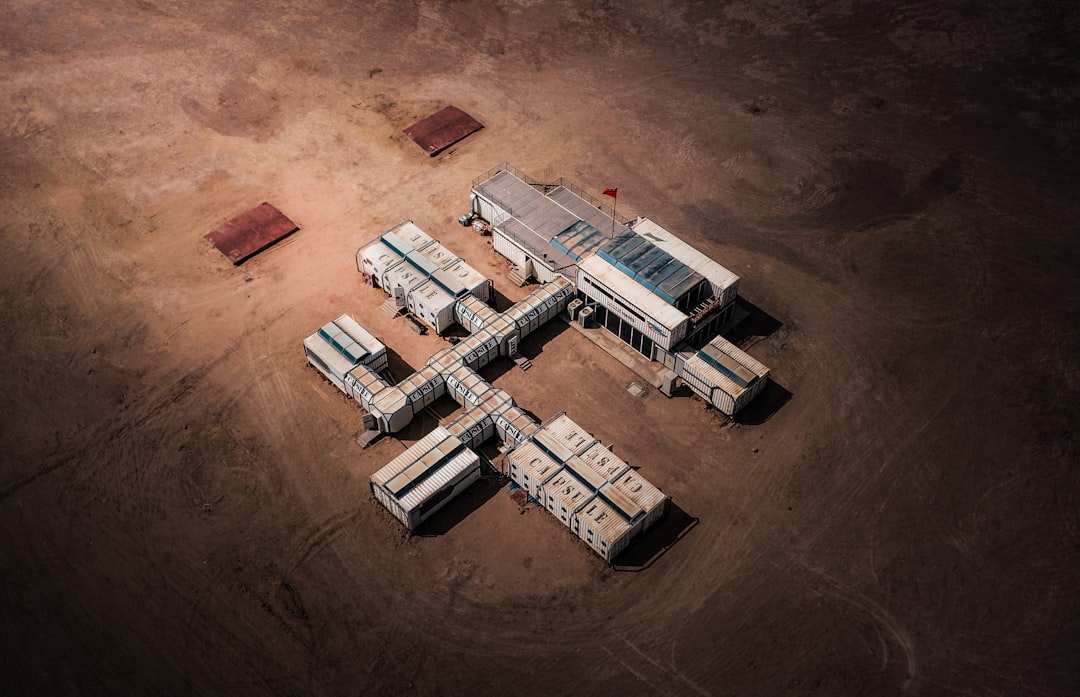
Mars exploration has been a focus of scientific research for over six decades, beginning with the Mariner program’s flyby missions in the 1960s. The planet’s distinctive red appearance, varied terrain features, and potential for harboring past or present microbial life have made it a primary target for planetary science missions. Modern robotic explorers, including the Curiosity rover (launched 2011) and Perseverance rover (launched 2020), have significantly advanced our understanding of Martian geology, atmospheric composition, and surface conditions.
These missions have provided critical data about Mars’ geological history, including evidence of ancient water activity, mineral composition, and seasonal atmospheric changes. The accumulated scientific knowledge has informed assessments of the planet’s past and present habitability potential, contributing to astrobiology research and planetary formation theories. Mars exploration serves multiple scientific and technological objectives beyond planetary science.
Current space agencies, including NASA, ESA, and others, are developing plans for human missions to Mars in the 2030s and beyond. These crewed missions present substantial engineering challenges, including life support systems, radiation protection, landing technologies for heavy payloads, and in-situ resource utilization. The technical requirements for human Mars missions necessitate coordinated design approaches across multiple engineering disciplines.
Mission planners must address propulsion systems, habitat design, communication networks, and emergency protocols while operating under the constraints of interplanetary distances, limited launch windows, and Mars’ harsh environmental conditions. These design challenges will significantly influence the development of future Mars exploration capabilities.
Key Takeaways
- Mars exploration requires specialized design approaches to address its unique environmental challenges.
- Coordinate-engineered design plays a crucial role in creating effective solutions for Mars missions.
- Advanced technology integration is essential for successful Mars exploration and habitat construction.
- Collaboration and innovation drive progress in overcoming design obstacles on Mars.
- The future of Mars missions depends on continued development and application of coordinate-engineered design principles.
The challenges of designing for Mars
Designing for Mars presents a myriad of challenges that stem from its harsh environment and distance from Earth. One of the most pressing issues is the planet’s thin atmosphere, which is composed mostly of carbon dioxide and offers little protection from cosmic radiation and solar flares. This necessitates the development of robust habitats and vehicles that can shield astronauts from these dangers while also providing life support systems capable of sustaining human life for extended periods.
Engineers must consider materials that can withstand extreme temperatures, which can swing from scorching heat during the day to frigid cold at night. Another significant challenge is the communication delay between Earth and Mars, which can range from 4 to 24 minutes depending on their relative positions in orbit. This delay complicates real-time decision-making and requires autonomous systems capable of operating independently.
Rovers and landers must be designed with advanced artificial intelligence to navigate and conduct experiments without immediate human intervention. The need for self-sufficiency extends to power generation as well; solar panels or nuclear power sources must be reliable enough to function in an environment where dust storms can obscure sunlight for extended periods.
The importance of coordinate-engineered design
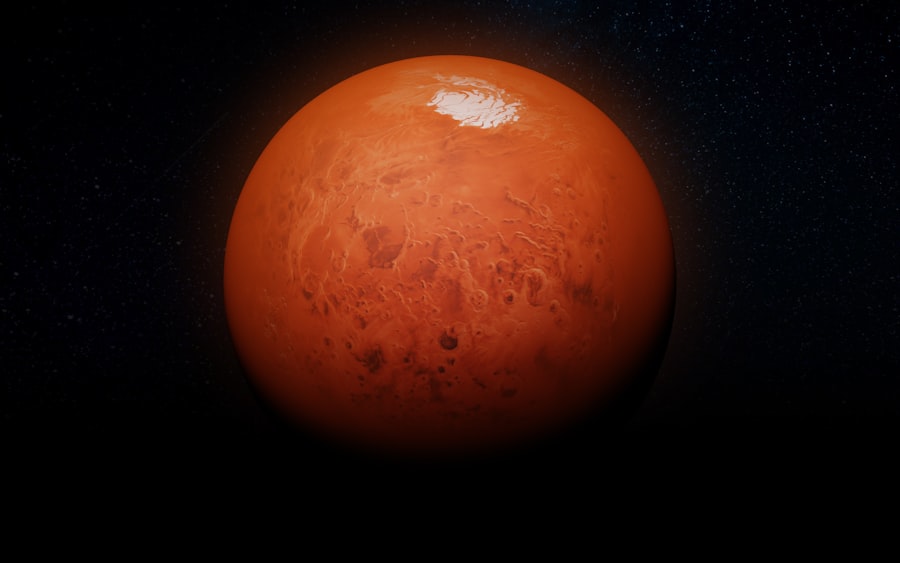
Coordinate-engineered design emerges as a critical approach in addressing the multifaceted challenges of Mars exploration. This methodology emphasizes precision and adaptability, allowing engineers to create systems that can respond dynamically to the unpredictable conditions on Mars. By integrating various engineering disciplines—mechanical, electrical, and software—coordinate-engineered design fosters a holistic view of mission requirements.
This interconnectedness ensures that every component works seamlessly together, enhancing overall mission success. Moreover, coordinate-engineered design facilitates rapid prototyping and testing, which is essential given the constraints of time and resources in space missions. Engineers can simulate Martian conditions on Earth to evaluate how designs will perform before they are deployed.
This iterative process allows for adjustments based on real-world data, ultimately leading to more resilient and effective designs.
Understanding the unique environment of Mars
To effectively design for Mars, it is crucial to understand its unique environmental characteristics. The planet’s surface is marked by vast plains, towering volcanoes, and deep canyons, all shaped by geological processes that differ significantly from those on Earth. The presence of dust storms, which can envelop the entire planet for weeks at a time, poses a significant threat to both equipment and human health.
These storms can reduce visibility and hinder solar power generation, necessitating designs that can withstand abrasive dust particles while maintaining functionality. Additionally, Mars experiences extreme temperature fluctuations that can impact both equipment and human physiology. Daytime temperatures near the equator can reach up to 70 degrees Fahrenheit (20 degrees Celsius), while nighttime temperatures can plummet to minus 100 degrees Fahrenheit (minus 73 degrees Celsius).
Such extremes require materials that can endure thermal stress without degrading over time. Furthermore, understanding the planet’s low gravity—about 38% that of Earth’s—can influence everything from habitat design to mobility systems for rovers and astronauts.
The role of technology in Mars exploration
| Metric | Description | Value | Unit |
|---|---|---|---|
| Latitude | Geographic coordinate specifying north-south position on Mars | 4.5 | Degrees North |
| Longitude | Geographic coordinate specifying east-west position on Mars | 137.4 | Degrees East |
| Elevation | Height above Mars datum (mean surface level) | -4500 | Meters |
| Surface Area | Area covered by the engineered design site | 2.5 | Square Kilometers |
| Structural Load Capacity | Maximum load the design can support | 1500 | Kg/m² |
| Thermal Insulation Rating | Effectiveness of insulation against Mars temperature extremes | 0.85 | R-value (m²·K/W) |
| Power Generation Capacity | Maximum electrical power output of the design | 5 | kW |
| Communication Range | Maximum distance for reliable communication | 1000 | Kilometers |
Technology plays an indispensable role in advancing Mars exploration efforts. Innovations in robotics have revolutionized how missions are conducted, enabling autonomous rovers to traverse the Martian landscape and conduct scientific experiments without direct human control. These robotic systems are equipped with sophisticated sensors and cameras that allow them to gather data on soil composition, atmospheric conditions, and potential signs of life.
As technology continues to evolve, so too does the capability of these machines to perform increasingly complex tasks. In addition to robotics, advancements in communication technology are crucial for maintaining contact with missions on Mars. High-frequency antennas and relay satellites are being developed to ensure consistent communication between Earth and Martian assets.
This connectivity is vital not only for data transmission but also for ensuring astronaut safety during crewed missions. Furthermore, innovations in life support systems are being explored to create sustainable environments for human habitation on Mars, including closed-loop systems that recycle air and water.
The benefits of coordinate-engineered design for Mars missions
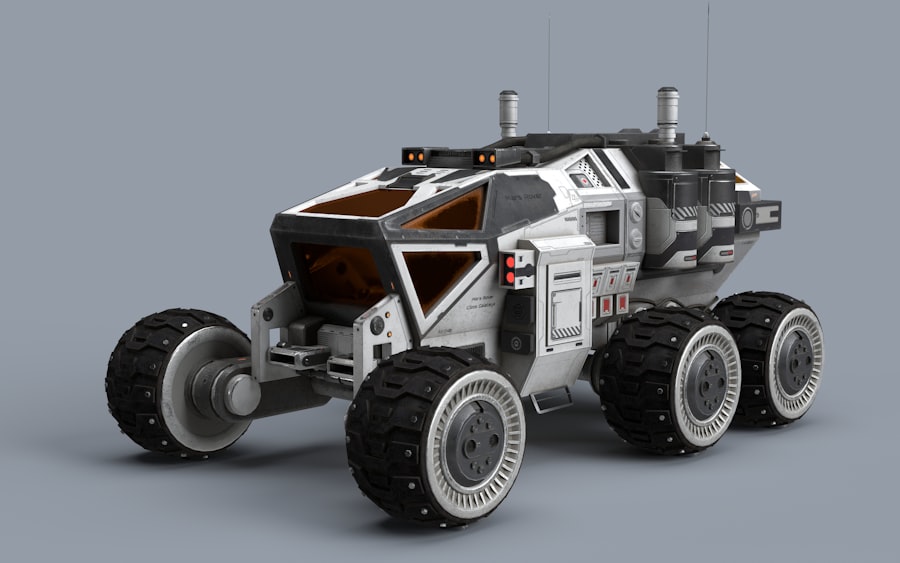
The adoption of coordinate-engineered design offers numerous benefits for Mars missions, particularly in enhancing mission reliability and efficiency. By fostering collaboration among various engineering disciplines, this approach ensures that all aspects of a mission are considered from the outset. This comprehensive perspective minimizes the risk of unforeseen complications arising during deployment or operation on Mars.
For instance, integrating mechanical design with software engineering allows for real-time monitoring and adjustments based on environmental conditions. Additionally, coordinate-engineered design promotes innovation by encouraging teams to think outside traditional boundaries. As engineers work together across disciplines, they can share insights and develop creative solutions that may not have been possible within siloed approaches.
This collaborative spirit is essential in addressing the unique challenges posed by Mars exploration, where conventional methods may fall short. Ultimately, this design philosophy enhances mission success rates while also reducing costs associated with redesigns or failures.
Examples of coordinate-engineered designs for Mars exploration
Several notable examples illustrate the effectiveness of coordinate-engineered design in Mars exploration. NASA’s Perseverance rover serves as a prime case study; its development involved extensive collaboration among engineers specializing in various fields such as robotics, materials science, and software development. The rover’s intricate systems work together seamlessly to conduct scientific research while navigating the Martian terrain autonomously.
Its ability to collect samples for future return missions exemplifies how coordinated efforts can lead to groundbreaking advancements in space exploration. Another example is SpaceX’s Starship program, which aims to facilitate crewed missions to Mars.
By employing a coordinate-engineered approach, SpaceX seeks to create a fully reusable spacecraft capable of transporting humans and cargo efficiently between Earth and Mars. This ambitious project highlights how innovative design strategies can pave the way for future interplanetary travel.
The future of coordinate-engineered design for Mars missions
Looking ahead, coordinate-engineered design will play an increasingly vital role in shaping future Mars missions. As humanity sets its sights on establishing a sustainable presence on the planet, engineers will need to develop habitats that can support long-term human habitation while minimizing resource consumption. This will require innovative designs that integrate renewable energy sources, advanced recycling systems, and efficient agricultural practices tailored to Martian conditions.
Moreover, as technology continues to advance at a rapid pace, engineers will have access to new tools and methodologies that enhance their ability to design for Mars effectively. Virtual reality simulations may allow teams to visualize complex systems in three dimensions before physical prototypes are built, streamlining the design process further. The future of coordinate-engineered design promises not only to improve mission outcomes but also to inspire new generations of engineers and scientists eager to explore the cosmos.
Collaboration and innovation in Mars exploration design
Collaboration is at the heart of successful Mars exploration design. As various organizations—governmental agencies like NASA and private companies like SpaceX—work together toward common goals, they bring diverse perspectives and expertise to the table. This collaborative environment fosters innovation by encouraging teams to share ideas and challenge conventional thinking.
Cross-disciplinary partnerships enable engineers to leverage advancements in one field—such as materials science—to inform developments in another—like habitat construction. Furthermore, international collaboration has become increasingly important as countries around the world express interest in exploring Mars. Joint missions or shared research initiatives can pool resources and knowledge, leading to more comprehensive solutions for overcoming challenges associated with Martian exploration.
By fostering a spirit of cooperation among nations and organizations, humanity can collectively advance its understanding of Mars while also laying the groundwork for future interplanetary endeavors.
Overcoming obstacles in coordinate-engineered design for Mars
Despite its many advantages, coordinate-engineered design is not without its obstacles when applied to Mars exploration. One significant challenge lies in ensuring effective communication among diverse teams working across different locations and time zones. Misalignment or misunderstandings can lead to delays or costly errors during critical phases of mission development.
To mitigate these risks, organizations must invest in robust project management tools that facilitate collaboration and maintain clear lines of communication. Additionally, engineers must navigate regulatory hurdles related to space exploration while adhering to safety standards that protect both astronauts and equipment during missions. Balancing innovation with compliance requires careful planning and foresight; however, overcoming these obstacles is essential for realizing successful outcomes on Mars.
By fostering a culture of adaptability within teams—encouraging them to pivot when faced with unexpected challenges—organizations can enhance their resilience in pursuing ambitious goals.
The potential of coordinate-engineered design for Mars exploration
In conclusion, coordinate-engineered design holds immense potential for revolutionizing Mars exploration efforts as humanity embarks on its journey toward becoming an interplanetary species. By addressing the unique challenges posed by the Martian environment through collaborative approaches that integrate various engineering disciplines, teams can develop innovative solutions that enhance mission success rates while minimizing risks associated with human spaceflight. As interest in exploring Mars continues to grow—driven by scientific curiosity as well as aspirations for future colonization—the importance of effective design strategies cannot be overstated.
The future of coordinate-engineered design promises not only advancements in technology but also a deeper understanding of our place within the universe as humanity reaches out toward new frontiers beyond Earth’s atmosphere.
In exploring the fascinating topic of Mars coordinate engineered design, one can gain further insights by reading the related article available on XFile Findings. This resource delves into various aspects of extraterrestrial engineering and the implications for future missions. For more information, you can check out the article [here](https://www.xfilefindings.com/).
FAQs
What is Mars coordinate engineered design?
Mars coordinate engineered design refers to the systematic planning and creation of structures, habitats, or systems on Mars using precise coordinate mapping and engineering principles tailored to the planet’s unique environment.
Why is coordinate design important for Mars exploration?
Coordinate design is crucial for accurately locating and constructing habitats, research stations, and other infrastructure on Mars. It ensures efficient use of space, safety, and optimal positioning relative to resources and environmental conditions.
What challenges does Mars coordinate engineered design address?
It addresses challenges such as extreme temperatures, radiation exposure, dust storms, low gravity, and the need for sustainable life support systems by integrating these factors into the design process based on precise planetary coordinates.
How are coordinates determined on Mars?
Coordinates on Mars are determined using a planetary coordinate system similar to Earth’s latitude and longitude, based on the planet’s prime meridian and equator, established through satellite imagery and rover data.
What technologies assist in Mars coordinate engineered design?
Technologies include satellite mapping, Geographic Information Systems (GIS), 3D modeling software, autonomous robotics, and simulation tools that help engineers design and test structures before deployment.
Can Mars coordinate engineered design be used for future colonization?
Yes, it is fundamental for future colonization efforts as it enables the precise planning and construction of habitats, resource extraction sites, and transportation networks necessary for sustainable human presence on Mars.
Who is involved in Mars coordinate engineered design?
Scientists, engineers, architects, planetary geologists, and space agencies collaborate to develop and implement Mars coordinate engineered designs, combining expertise in multiple disciplines.
Are there any existing Mars coordinate engineered designs?
While no permanent structures exist yet, conceptual designs and prototypes have been developed by space agencies and private companies, often using coordinate data from Mars missions to inform their plans.
How does Mars coordinate engineered design differ from Earth-based design?
Mars design must account for different gravity, atmospheric conditions, radiation levels, and terrain, requiring specialized materials and engineering approaches that differ significantly from Earth-based construction.
What role do Mars rovers play in coordinate engineered design?
Mars rovers collect detailed surface data, images, and environmental measurements that inform coordinate mapping and help engineers design structures suited to specific locations on Mars.