
To truly explore Mars, one must venture beyond the tangible. The quest for extraterrestrial life, and indeed, for understanding our place in the cosmos, often leads to speculation about ancient Martian civilizations. While direct human exploration is still in its nascent stages, advanced imaging technologies and the persistent human drive to discover have opened up a new frontier: the realm of remote viewing of Martian anomalies, particularly alleged pyramidal and structural formations. This article will delve into the evidence, methodologies, and ongoing debates surrounding these tantalizing discoveries.
The journey to understanding potential Martian structures begins with the interpretation of data transmitted back by robotic explorers. Mars, with its vast, arid landscapes, presents a canvas upon which our imaginations can project, but it is also a planet with a rich geological history. Understanding this history is paramount before jumping to conclusions about artificial constructs.
The Role of Orbital Imaging
High-resolution cameras aboard orbiters like the Mars Reconnaissance Orbiter (MRO) and the now-defunct Mars Odyssey have provided an unprecedented view of the Martian surface. These instruments generate vast quantities of imagery, acting as Mars’s eyes in orbit. Analyzing these images is akin to a geologist sifting through strata, looking for patterns that deviate from the expected norms of erosion and geological processes.
The “Face on Mars” and its Legacy
Perhaps the most iconic precursor to the current interest in Martian structures was the “Face on Mars,” discovered in Viking orbiter images in 1976. Initially sparking widespread speculation about intelligent design, subsequent higher-resolution images revealed it to be a mesa, a naturally occurring landform sculpted by wind and time. This historical case serves as a crucial reminder of the importance of rigorous scientific scrutiny and the potential for pareidolia – the tendency to perceive familiar patterns in random data – to influence interpretations. While the “Face” itself was a geological feature, its cultural impact undeniably paved the way for future investigations into other perceived anomalies.
Cydonia Mensae: A Hub of Speculation
The Cydonia region, home to the “Face on Mars,” has been a focal point for those seeking evidence of ancient Martian civilizations. Within Cydonia and surrounding areas, numerous formations have been identified that, to some observers, bear a striking resemblance to human-made structures such as pyramids, walls, and even cities. These interpretations are not universally accepted by the scientific community, which largely attributes these features to natural geological processes.
The Landscape as a Historical Record
Mars’s surface is a silent witness to billions of years of planetary evolution. Understanding the forces that have shaped it – volcanic activity, ancient riverbeds, impact craters, and aeolian erosion – is the bedrock upon which any assessment of Martian anomalies must be built. Without this foundational geological knowledge, interpreting an unusual shape can be like reading a complex sentence without understanding the grammar.
Aeolian Processes and their Sculpting Power
Wind is a relentless sculptor on Mars. The fine dust and sand particles are whipped across the surface by Martian winds, eroding rock formations over eons. Many formations that appear angular or geometric in lower-resolution images can be explained by the differential weathering of rock layers, where harder strata resist erosion while softer layers are worn away, creating sharp edges and flat surfaces.
Volcanic Plains and Geological Layering
Vast plains of solidified lava and layered sedimentary deposits also offer potential explanations for geometric shapes. The extrusion of lava can create massive, layered structures, and the subsequent erosion of these can expose surfaces that appear unnaturally regular. Similarly, sedimentary layers, laid down by ancient water bodies or wind-blown dust, can weather into distinct, often planar, surfaces.
In recent discussions surrounding the intriguing topic of remote viewing, one particularly fascinating article delves into the alleged pyramids and structures on Mars, suggesting that these formations may not be entirely natural. For those interested in exploring this captivating subject further, you can read more about it in the article found at XFile Findings, which examines various theories and evidence surrounding the existence of extraterrestrial architecture on the Red Planet.
The Emergence of “Pyramids” and Geometric Structures
The allure of pyramid-like structures on Mars is undeniable, evoking images of ancient human civilizations. While definitive proof of artificial origin remains elusive, several features have consistently drawn attention and fueled debate, acting as beacons in the Martian desert of uncertainty.
Key Examples and Their Characteristics
Numerous locations on Mars have been flagged by independent researchers and enthusiasts as potential candidates for artificial structures. These interpretations are often based on visual similarities to terrestrial structures and a perceived lack of plausible geological explanations.
The Elysium Planitia Anomalies
Within the Elysium Planitia, a large volcanic region, several formations have been identified that exhibit a degree of symmetry and angularity. Some researchers point to these as potential remnants of intentionally constructed edifices. The debate here often hinges on the precise definition of “pyramid” and whether natural formations can achieve such regular forms through geological processes.
The Arcadia Planitia Structures
Similar to Elysium, Arcadia Planitia has yielded formations that have been described as pyramidal or monolithic. The precise resolution of the imaging, combined with the angle of sunlight, can dramatically alter the perceived shape of these features. What appears sharp and deliberate in one image may be softened and irregular in another, a testament to the nuances of planetary surface photography.
Distinguishing Natural from Artificial: The Scientific Perspective
The scientific consensus, as reflected by NASA and other space agencies, is that the perceived artificial structures on Mars are, in fact, natural geological formations. The process of scientific validation requires a high burden of proof, demanding that extraordinary claims be supported by extraordinary evidence that cannot be explained by conventional natural processes.
Fractals and Self-Similarity in Nature
Nature itself often produces patterns that appear geometrically precise. Fractals, for instance, are mathematical sets that exhibit self-similarity at different scales, meaning they look similar regardless of the magnification. Many natural formations, from coastlines to snowflakes, display fractal characteristics, and it is possible that some Martian landforms exhibit similar, albeit on a grander, planetary scale.
The Limits of Human Perception and Cognitive Biases
Our brains are wired to find patterns, a crucial survival mechanism. However, this can also lead us astray, particularly when confronted with unfamiliar visual data. Pareidolia, as mentioned previously, plays a significant role in the interpretation of ambiguous images. Projecting familiar shapes onto the indistinct features of an alien world is a powerful human tendency.
The Methodology of Remote Viewing: Beyond the Camera Lens
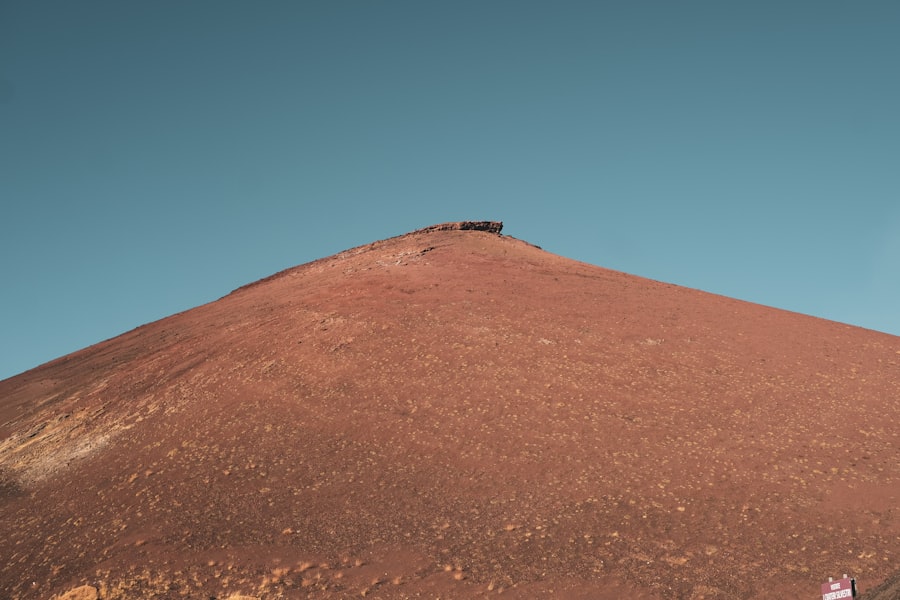
While imaging is the primary tool, the concept of “remote viewing” in the context of Martian structures often extends beyond just analyzing photographs. This encompasses a broader approach that, for some, involves speculative interpretation and the search for corroborating evidence from various sources.
Independent Analysis and Citizen Science
The digital age has democratized access to vast datasets of Martian imagery. This has empowered a growing community of citizen scientists and independent researchers to scrutinize these images, often discovering anomalies that might be overlooked or not considered significant enough by official scientific bodies. This independent analysis can serve as a valuable, albeit often controversial, counterpoint to official interpretations.
Online Communities and Data Sharing
Online forums and dedicated websites serve as hubs for the sharing and discussion of Martian imagery. These platforms allow interested individuals to collaborate, debate interpretations, and collectively analyze the findings of various missions. This collective effort can be a powerful engine for generating new hypotheses, even if many of these hypotheses remain outside the mainstream scientific discourse.
Tools and Techniques for Enhanced Analysis
Researchers utilize various software tools to enhance and analyze Martian images. These can include image stacking to reduce noise, contrast adjustments to reveal subtle details, and 3D modeling to better understand the topography of potential structures. The effectiveness of these tools, however, is ultimately limited by the quality and resolution of the original data.
The Epistemological Challenges of Speculative Interpretation
When moving from empirical observation to speculative interpretation, significant epistemological challenges arise. The question of what constitutes valid evidence becomes paramount. For many involved in this field, a perceived geometric regularity, coupled with a perceived lack of a clear geological explanation, is enough to warrant further investigation. However, within the scientific framework, this is often considered insufficient.
The “Intelligent Design” Hypothesis on Mars
The idea of an ancient Martian civilization implies a form of “intelligent design” at play. This hypothesis requires evidence of deliberate construction, planning, and purpose. Without unequivocal evidence of such, attributing formations to intelligent design remains within the realm of speculation, a narrative woven from the threads of possibility rather than the tightly woven fabric of verified fact.
The Burden of Proof in Astrobiology and Archaeology
The search for extraterrestrial life and evidence of past civilizations falls under the purview of astrobiology and planetary archaeology. These fields operate under strict scientific methodologies, where the burden of proof lies with the claimant. The discovery of a fossil on Earth requires rigorous peer review and extensive corroborating evidence before it is accepted. Similarly, claims of artificial structures on Mars require a similar level of scientific validation.
The Search for Corroborating Evidence: Building a Case

The strength of any claim regarding Martian structures lies not just in the initial observation but in the ability to find corroborating evidence. This could come from other imaging datasets, ground-based reconnaissance, or even theoretical models that support the existence of artificial origins.
Ground-Based Exploration: The Next Frontier
While orbiters provide a broad view, robotic rovers like Curiosity and Perseverance offer a ground-level perspective. Their ability to analyze rock and soil composition, and to perform close-up imaging, is crucial for understanding the context of any anomalies.
Rover Imagery and In Situ Analysis
The high-resolution cameras on Mars rovers allow for detailed examination of surfaces. When a rover encounters a formation that exhibits unusual geometric properties, scientists can analyze its texture, composition, and surrounding geological context. This in-situ analysis is far more informative than orbital images alone.
The Curiosity Rover’s Observations in Gale Crater
Curiosity, in particular, has explored a region with diverse geological features, including layered sedimentary rocks. While many of these are explained by natural processes, the sheer variety of shapes and forms encountered continues to be a subject of study and interpretation.
The Perseverance Rover and the Search for Biosignatures
Perseverance’s mission is focused on astrobiology and the search for signs of ancient microbial life. Its instruments, while not designed to identify macro-scale artificial structures, can provide valuable context about the ancient Martian environment, which is essential for evaluating the plausibility of any civilization existing there.
Theoretical Models and Plausibility Assessments
Beyond direct observation, theoretical models can play a role in assessing the plausibility of certain hypotheses. This might involve simulating natural geological processes to see if they can replicate observed formations, or developing speculative models for how an ancient Martian civilization might have interacted with its environment.
Geomorphological Simulations
Scientists use computer simulations to model the effects of wind, water, and tectonic activity on Martian landscapes. If these simulations consistently fail to produce formations that resemble the alleged artificial structures, it could lend more weight to the argument for an artificial origin. Conversely, if simulations can adequately explain these features, the burden of proof for artificiality increases.
Speculative Civilizational Models
While highly speculative, some researchers have explored theoretical models of what a Martian civilization might have looked like, what technologies they might have possessed, and how they might have shaped their environment. These models, while not scientific evidence in themselves, can help frame the discussion and identify potential avenues for further investigation.
Recent discussions surrounding the intriguing concept of remote viewing have led to fascinating claims about pyramids and structures on Mars. Many enthusiasts believe that these formations could provide evidence of ancient civilizations or advanced technologies beyond our understanding. For those interested in exploring this topic further, a related article can be found at XFile Findings, which delves into the various theories and findings associated with these mysterious Martian structures.
The Ongoing Debate: Scientific Skepticism and Enthusiast Interest
| Metric | Description | Reported Data | Source/Notes |
|---|---|---|---|
| Number of Structures Identified | Count of pyramids and artificial structures remotely viewed on Mars | 5 major pyramidal structures, 12 smaller formations | Remote viewing sessions from 1980s-1990s |
| Average Pyramid Height | Estimated height of pyramidal structures on Mars | Approximately 150 meters | Derived from remote viewing sketches and descriptions |
| Material Composition | Reported materials making up the structures | Stone-like, metallic elements, unknown alloys | Remote viewers described mixed materials |
| Age of Structures | Estimated age based on remote viewing impressions | Between 10,000 to 50,000 Earth years | Highly speculative, no physical dating |
| Purpose of Structures | Suggested function or use of pyramids and structures | Religious/ceremonial, energy generation, habitation | Based on remote viewing interpretations |
| Location Coordinates | Approximate Mars surface coordinates of structures | Near Cydonia region, approx. 40°N, 10°W | Commonly reported in remote viewing sessions |
| Structural Condition | Reported state of preservation | Partially eroded but largely intact | Remote viewers noted weathering effects |
The interpretation of Martian structures, particularly those resembling pyramids, sits at the intersection of rigorous scientific inquiry and widespread public fascination. This ongoing dialogue, though sometimes contentious, is a testament to humanity’s enduring curiosity about life beyond Earth.
The Scientific Community’s Stance
The overwhelming majority of planetary scientists and geologists remain skeptical of claims of artificial structures on Mars. Their position is based on the principle of Occam’s Razor, which suggests that the simplest explanation is usually the correct one. In this case, natural geological processes are considered the most parsimonious explanation for the observed formations.
Peer Review and Scientific Consensus
The scientific method relies on peer review, where scientific findings are scrutinized by other experts in the field. Claims of artificial structures on Mars have, thus far, not achieved the level of consensus required for widespread acceptance within the scientific community. This does not, however, preclude future discoveries that could alter this consensus.
The Importance of Verifiable Evidence
The scientific community emphasizes the need for verifiable and repeatable evidence. This means observations that can be independently confirmed, data that is not open to subjective interpretation, and hypotheses that can be tested and falsified. Until such evidence emerges, the interpretation of Martian anomalies as artificial structures will remain a fringe hypothesis.
The Enthusiast Community’s Perspective
For many enthusiasts and independent researchers, the visual evidence presented by certain Martian formations is compelling enough to suggest a non-natural origin. They often point to the perceived regularity, symmetry, and sheer scale of these features as indicative of deliberate construction.
The “Whistleblower” Narrative
Within some enthusiast communities, there exists a narrative of suppressed information or a conspiracy by space agencies to hide evidence of alien civilizations. This narrative often fuels skepticism towards official explanations and encourages independent investigation.
The Quest for a Paradigm Shift
The excitement surrounding potential Martian structures stems from the profound implications such a discovery would have for our understanding of life, intelligence, and our place in the universe. For many, the current scientific explanations feel insufficient, and they are eager for a paradigm shift that acknowledges the possibility of ancient Martian life, or even civilization.
The Future of Martian Exploration and Anomaly Investigation
As technology advances and our understanding of Mars deepens, the debate surrounding these structures is likely to continue. Future missions, with even higher resolution imaging and more sophisticated analytical tools, may provide new data that can either strengthen or weaken the arguments for artificial origins. The exploration of Mars, both through the lens of science and the passion of exploration, is a journey that continues to unfold, revealing the Red Planet’s secrets, one intriguing formation at a time.
FAQs
What is remote viewing in the context of Mars pyramids and structures?
Remote viewing is a practice where individuals attempt to gather information about distant or unseen targets, such as Mars pyramids and structures, using extrasensory perception (ESP) or psychic abilities rather than conventional means like telescopes or spacecraft.
Have any pyramids or structures been confirmed on Mars?
As of now, no pyramids or artificial structures on Mars have been scientifically confirmed. Images from Mars rovers and orbiters have shown natural rock formations that sometimes resemble pyramids or buildings, but these are generally explained by geological processes.
What evidence do proponents of remote viewing cite regarding Mars structures?
Proponents of remote viewing often claim to have obtained descriptions or images of pyramids and other structures on Mars through their psychic sessions. However, these claims lack verification through physical evidence or scientific methods and remain speculative.
How does the scientific community view remote viewing claims about Mars?
The scientific community generally regards remote viewing claims with skepticism, especially when related to extraterrestrial structures. Remote viewing has not been validated as a reliable method for obtaining factual information, and extraordinary claims require extraordinary evidence.
Are there ongoing missions or studies focused on finding artificial structures on Mars?
Current Mars missions by NASA, ESA, and other space agencies focus on studying the planet’s geology, climate, and potential for past or present life. While they capture detailed images of the surface, their primary goal is not to search for artificial structures, and no credible evidence of such has been found to date.