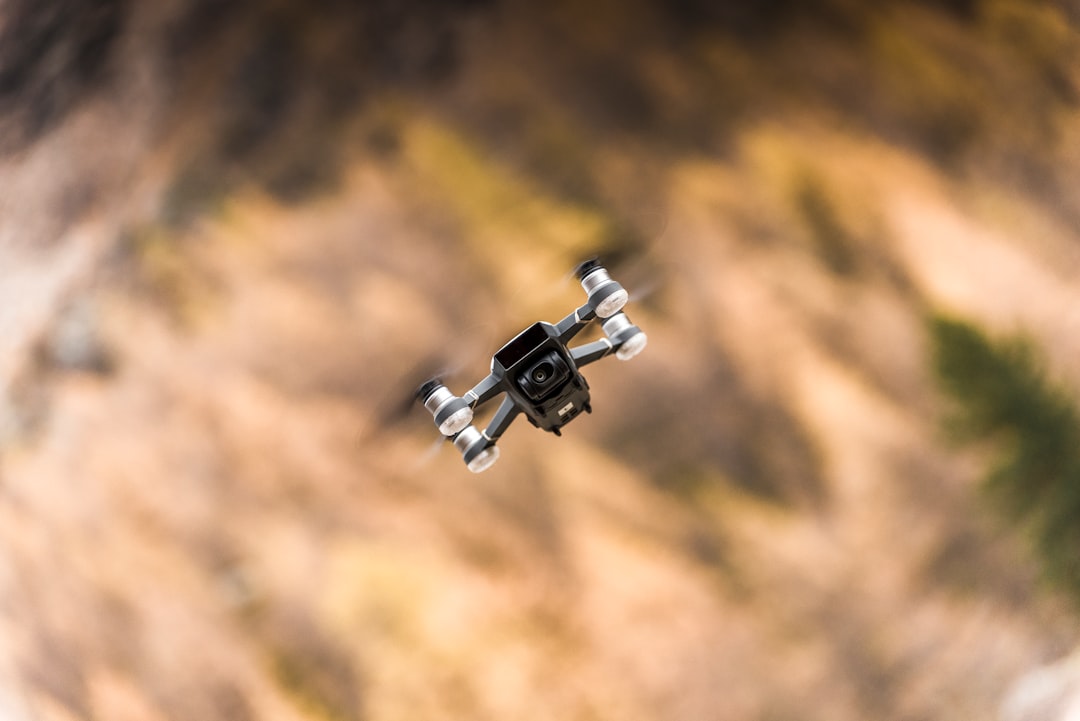
The advent of autonomous AI space probes marks a significant milestone in the realm of space exploration. These sophisticated machines, equipped with artificial intelligence, are designed to operate independently in the vastness of space, making decisions and executing tasks without the need for constant human oversight. This innovation not only enhances the efficiency of missions but also expands the possibilities of what can be achieved beyond Earth.
As humanity seeks to unravel the mysteries of the universe, autonomous AI space probes stand at the forefront, ready to explore distant planets, moons, and asteroids. The integration of AI into space probes has transformed traditional exploration methodologies. Historically, missions relied heavily on ground control for navigation and data analysis, which often resulted in delays and limitations in real-time decision-making.
However, with the introduction of autonomous systems, these probes can analyze their surroundings, adapt to unforeseen circumstances, and optimize their operations on-the-fly. This capability is particularly crucial in environments where communication delays with Earth can span minutes or even hours, making it impractical to rely solely on human intervention.
Key Takeaways
- Autonomous AI space probes enhance exploration by operating independently in distant and harsh environments.
- Machine learning enables these probes to adapt and make real-time decisions during missions.
- Technological advancements are driving a revolution in how we explore and understand the cosmos.
- Challenges include technical complexity, ethical concerns, and legal frameworks for autonomous operations.
- Collaborative efforts among agencies and organizations are crucial for advancing autonomous AI space probe missions.
The Advantages of Using Autonomous AI in Space Exploration
One of the primary advantages of employing autonomous AI in space exploration is the ability to conduct missions in environments that are too hazardous or remote for human astronauts. Autonomous probes can venture into extreme conditions, such as the intense radiation belts of Jupiter or the frigid temperatures of outer moons like Europa. By utilizing AI, these probes can gather valuable data from locations that would otherwise be inaccessible, thereby broadening the scope of scientific inquiry.
Moreover, autonomous AI systems significantly enhance mission efficiency. They can process vast amounts of data in real-time, allowing for immediate adjustments to mission parameters based on new findings.
As a result, space agencies can allocate resources more effectively and undertake more ambitious projects than ever before.
How Autonomous AI Space Probes are Revolutionizing the Exploration of the Cosmos

The impact of autonomous AI space probes on cosmic exploration is profound. These advanced machines are not merely tools; they are pioneers charting new territories in the universe. By operating independently, they can explore multiple celestial bodies within a single mission timeline, collecting data that would take years for human-led missions to achieve.
This capability allows scientists to gather insights into planetary formation, atmospheric conditions, and potential habitability at an unprecedented scale. Furthermore, autonomous AI probes are equipped with advanced sensors and imaging technologies that enable them to conduct detailed analyses of their surroundings. For instance, they can identify geological features, assess surface compositions, and even detect signs of water or organic materials.
Such discoveries are crucial for understanding the potential for life beyond Earth and for planning future human missions to these distant worlds. The ability to autonomously analyze and interpret data in real-time accelerates the pace of discovery and enhances humanity’s understanding of the cosmos.
The Technology Behind Autonomous AI Space Probes
The technology that powers autonomous AI space probes is a complex amalgamation of hardware and software designed to function seamlessly in the harsh environment of space. At the core of these systems lies advanced machine learning algorithms that enable the probes to learn from their experiences and improve their decision-making capabilities over time. These algorithms are trained on vast datasets, allowing them to recognize patterns and make predictions based on sensor inputs.
In addition to machine learning, autonomous probes are equipped with sophisticated navigation systems that utilize a combination of GPS-like technology and onboard sensors to determine their position and trajectory. This capability is essential for maneuvering through space and avoiding obstacles such as asteroids or debris. Furthermore, robust communication systems allow these probes to transmit data back to Earth while still maintaining a degree of autonomy in their operations.
The integration of these technologies creates a highly capable system that can adapt to dynamic environments and execute complex tasks with minimal human intervention.
The Role of Machine Learning in Autonomous AI Space Probes
| Metric | Value | Unit | Description |
|---|---|---|---|
| Autonomy Level | 5 | Scale 1-5 | Full autonomous decision-making capability |
| Communication Latency | 20 | Minutes | Average delay in communication with Earth |
| Power Source | Radioisotope Thermoelectric Generator (RTG) | N/A | Primary energy source for long-duration missions |
| Onboard Processing Speed | 2.5 | GHz | CPU speed for AI computations |
| Navigation Accuracy | 0.1 | km | Positional accuracy in deep space |
| Mission Duration | 10 | Years | Expected operational lifespan |
| Data Storage Capacity | 2 | TB | Onboard memory for scientific data |
| AI Model Size | 500 | MB | Size of the onboard AI software |
| Sensor Suite | 8 | Types | Number of different sensors onboard |
| Propulsion Type | Ion Thruster | N/A | Primary propulsion system |
Machine learning plays a pivotal role in enhancing the capabilities of autonomous AI space probes. By leveraging vast amounts of data collected from previous missions and simulations, these algorithms can identify trends and make informed decisions based on real-time inputs from onboard sensors. This ability to learn and adapt is crucial for navigating unpredictable environments where conditions may change rapidly.
For example, during a mission to Mars, an autonomous probe equipped with machine learning capabilities could analyze soil samples and determine their composition on-the-fly. If it detects signs of water or organic compounds, it can adjust its exploration strategy accordingly, prioritizing areas that warrant further investigation. This level of adaptability not only increases the efficiency of data collection but also allows scientists to focus on areas of interest without waiting for instructions from Earth.
The Challenges of Developing and Operating Autonomous AI Space Probes

Despite their numerous advantages, developing and operating autonomous AI space probes presents several challenges. One significant hurdle is ensuring reliability in extreme conditions. Space is an unforgiving environment where temperature fluctuations, radiation exposure, and microgravity can affect both hardware and software performance.
Engineers must rigorously test components and algorithms to ensure they can withstand these challenges over extended periods. Another challenge lies in the ethical implications of deploying autonomous systems in space exploration. As these probes become more capable of making independent decisions, questions arise regarding accountability and safety.
For instance, if an autonomous probe encounters a situation where it must choose between two equally viable paths—one that may lead to valuable scientific discoveries and another that poses potential risks—who is responsible for its actions? Addressing these ethical dilemmas is crucial as humanity continues to push the boundaries of exploration.
The Future of Autonomous AI Space Probes in Space Exploration
The future of autonomous AI space probes appears promising as advancements in technology continue to unfold. As machine learning algorithms become more sophisticated, these probes will be able to handle increasingly complex tasks with greater autonomy. Future missions may involve swarms of autonomous probes working collaboratively to explore vast regions of space or conduct detailed surveys of planetary surfaces.
Moreover, as humanity sets its sights on more ambitious goals—such as manned missions to Mars or the exploration of distant exoplanets—autonomous AI probes will play a critical role in preparing for these endeavors. They can scout potential landing sites, assess environmental conditions, and gather essential data that will inform human missions. The synergy between human ingenuity and autonomous technology will undoubtedly shape the next era of space exploration.
Examples of Successful Missions Conducted by Autonomous AI Space Probes
Several successful missions have already demonstrated the capabilities of autonomous AI space probes. One notable example is NASA’s Mars rovers, particularly Curiosity and Perseverance. These rovers are equipped with advanced AI systems that allow them to navigate the Martian terrain autonomously while conducting scientific experiments.
Their ability to analyze samples and make real-time decisions has led to groundbreaking discoveries about Mars’ geology and potential for past life. Another significant mission is ESA’s Rosetta spacecraft, which successfully orbited and landed on a comet in 2014. Rosetta’s autonomous systems enabled it to navigate complex gravitational fields while gathering data about the comet’s composition and behavior.
The mission provided invaluable insights into the origins of comets and their role in the solar system’s evolution.
The Ethical and Legal Considerations of Autonomous AI Space Probes
As autonomous AI space probes become more prevalent in exploration efforts, ethical and legal considerations must be addressed comprehensively. One major concern revolves around decision-making autonomy—specifically, how much independence should these machines have when faced with critical choices? Establishing guidelines for accountability is essential to ensure that actions taken by autonomous systems align with human values and safety standards.
Additionally, legal frameworks governing space exploration must evolve to accommodate the unique challenges posed by autonomous technology. Issues such as ownership of data collected by these probes, liability for potential accidents or malfunctions, and compliance with international treaties will require careful consideration as nations continue to invest in advanced space technologies.
Collaborations and Partnerships in the Development of Autonomous AI Space Probes
The development of autonomous AI space probes often involves collaborations between various organizations, including government agencies, private companies, and academic institutions. These partnerships leverage diverse expertise and resources to advance technology and enhance mission capabilities. For instance, NASA frequently collaborates with private aerospace companies to develop cutting-edge technologies that can be integrated into future missions.
International cooperation also plays a vital role in advancing autonomous exploration efforts. Joint missions between countries can pool resources and knowledge while fostering goodwill among nations as they work together toward common goals in space exploration. Such collaborations not only enhance scientific understanding but also promote peaceful uses of outer space.
The Impact of Autonomous AI Space Probes on Our Understanding of the Cosmos
In conclusion, autonomous AI space probes represent a transformative force in our quest to understand the cosmos. Their ability to operate independently in challenging environments allows humanity to explore regions previously thought unreachable while maximizing scientific returns from each mission. As technology continues to advance, these probes will become even more capable, paving the way for groundbreaking discoveries about our universe.
The implications extend beyond mere exploration; they challenge humanity’s understanding of ethics, accountability, and collaboration in an increasingly interconnected world. As we stand on the brink of a new era in space exploration driven by autonomous technology, it is essential to navigate these challenges thoughtfully while embracing the opportunities they present for expanding our knowledge of the universe we inhabit.
Recent advancements in autonomous AI technology have paved the way for innovative space exploration missions, such as the development of autonomous AI space probes. These probes are designed to navigate and conduct research in distant celestial environments without direct human intervention. For more insights into the implications and future of AI in space exploration, you can read a related article on this topic at