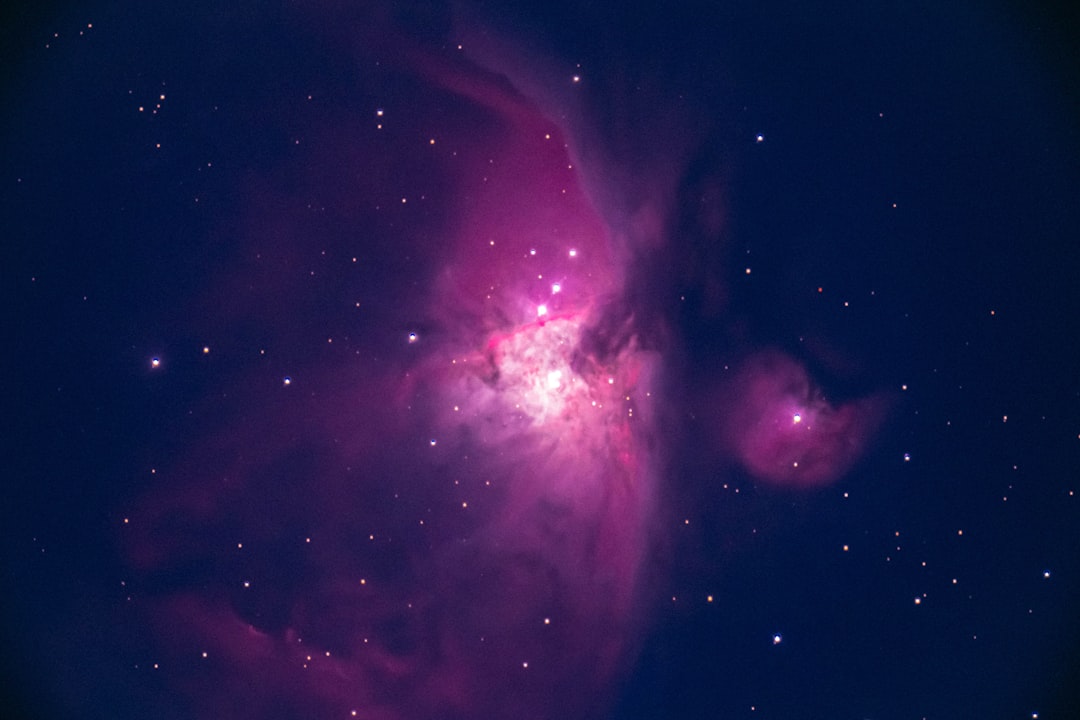
The celestial tapestry has always ignited humanity’s imagination, a silent, vast canvas dotted with distant fires. For millennia, our gaze has been directed upwards, seeking answers to fundamental questions about our place in the cosmos. Interstellar astronomy, the study of phenomena beyond our solar system, has been a cornerstone of this quest, pushing the boundaries of human knowledge and technological capability. As we stand on the precipice of a new era, the future of interstellar astronomy promises to be even more transformative, unveiling secrets currently hidden in the unfathomable depths of space.
The journey of interstellar astronomy has been a story of ever-increasing observational power. From the naked eye to the most sophisticated telescopes, each advancement has unlocked new vistas and revealed phenomena previously unimagined. This relentless march of technological progress is set to continue, promising unprecedented insights into the interstellar medium, exoplanetary systems, and the very fabric of spacetime.
Beyond the Visible Spectrum: Harnessing New Wavelengths
Our understanding of the universe has been dramatically expanded by venturing beyond the visible light spectrum. Radio astronomy, for instance, revealed the faint whispers of the cosmic microwave background radiation, a crucial piece of evidence for the Big Bang. Infrared astronomy pierces through dust clouds, allowing us to observe star formation in its nascent stages. Ultraviolet and X-ray telescopes detect the energetic processes of celestial bodies like black holes and neutron stars. The future promises even more sophisticated instruments capable of observing across the entire electromagnetic spectrum with greater sensitivity and resolution.
Infrared Dominance: Peering Through Cosmic Dust
Infrared telescopes, such as the James Webb Space Telescope, have already revolutionized our understanding of star formation and the early universe. The ability of infrared light to penetrate the dense clouds of gas and dust that obscure visible light allows astronomers to witness the birth of stars and planets in unprecedented detail. Future infrared observatories, both ground-based and space-based, will possess even greater sensitivity, enabling them to detect fainter, more distant objects and to characterize the atmospheres of exoplanets with remarkable precision. This will be crucial in the search for biosignatures, the chemical indicators of life.
The Power of Millimeter and Submillimeter Waves
These wavelengths are particularly adept at studying cold gas and dust, the building blocks of stars and planets. The Atacama Large Millimeter/submillimeter Array (ALMA) has already provided stunning images of protoplanetary disks, revealing the intricate processes of planet formation. Future generations of millimeter and submillimeter telescopes will offer even higher resolution and sensitivity, allowing for detailed mapping of molecular clouds and the chemical composition of interstellar gas. This will deepen our understanding of the conditions necessary for life to arise.
X-ray and Gamma-Ray Frontiers: Unveiling High-Energy Phenomena
These high-energy wavelengths probe the most extreme environments in the universe, from the accretion disks around black holes to the remnants of supernova explosions. Future X-ray and gamma-ray observatories will be designed to detect even fainter sources and to study transient events, such as gamma-ray bursts, with greater temporal and spatial resolution. This will shed light on the physics of matter under extreme conditions and the origin of cosmic rays.
The Dawn of Gravitational Wave Astronomy
The detection of gravitational waves by LIGO and Virgo in 2015 marked a paradigm shift in astronomy. These ripples in spacetime, generated by cataclysmic events like the merger of black holes and neutron stars, offer a completely new way to observe the universe, independent of electromagnetic radiation. The future of gravitational wave astronomy is exceptionally bright, with a new generation of detectors poised to open up entirely new avenues of research.
Next-Generation Ground-Based Detectors: Enhanced Sensitivity and Range
Existing gravitational wave detectors are continuously being upgraded for increased sensitivity and bandwidth. Future ground-based observatories, such as the Einstein Telescope and Cosmic Explorer, will be significantly larger and more sensitive, capable of detecting gravitational waves from a much wider range of astrophysical sources and at greater distances. This will allow for more frequent observations of black hole and neutron star mergers, providing invaluable data for testing theories of gravity and understanding the evolution of compact objects.
Space-Based Interferometers: Probing the Low-Frequency Universe
Space-based gravitational wave detectors, like the planned Laser Interferometer Space Antenna (LISA), will be able to detect gravitational waves in a lower frequency range than ground-based instruments. This will allow them to observe phenomena such as the mergers of supermassive black holes at the centers of galaxies and the gravitational waves emitted during the early moments of the universe. LISA promises to unlock a treasure trove of information about the evolution of galaxies and the very origins of the cosmos.
The Rise of Exoplanet Characterization
The discovery of thousands of exoplanets – planets orbiting stars other than our Sun – has transformed our understanding of planetary systems and the potential for life beyond Earth. Interstellar astronomy’s focus is increasingly shifting towards the detailed characterization of these distant worlds.
Atmospheric Spectroscopy: The Search for Biosignatures
The primary goal of exoplanet characterization is to understand their atmospheres. By analyzing the light that passes through or is reflected by an exoplanet’s atmosphere, astronomers can detect the presence of specific molecules. The future of this field lies in the development of extremely sensitive spectrographs capable of identifying molecules associated with life, such as oxygen, methane, and water, in the atmospheres of potentially habitable exoplanets. This is the frontier of the search for extraterrestrial life.
Direct Imaging Techniques: Seeing Exoplanets as Worlds
While transit photometry and radial velocity measurements have been instrumental in discovering exoplanets, direct imaging offers the tantalizing prospect of actually seeing these distant worlds. Advanced coronagraphs and adaptive optics on next-generation telescopes will allow astronomers to suppress the blinding light of their host stars and capture direct images of exoplanets. This will enable detailed studies of their surfaces, weather patterns, and even the presence of oceans or continents.
As we look toward the future of interstellar astronomy, the advancements in technology and our understanding of the cosmos are paving the way for groundbreaking discoveries. A related article that delves into the potential of interstellar exploration and the tools that may soon be at our disposal can be found at X File Findings. This resource provides insights into the latest research and developments that could shape our understanding of distant celestial bodies and the universe as a whole.
The Interstellar Medium: A Cosmic Canvas for Discovery
The space between stars, the interstellar medium (ISM), is not an empty void but a complex and dynamic environment filled with gas, dust, magnetic fields, and cosmic rays. Understanding the ISM is crucial for comprehending the birth and evolution of stars and galaxies. The future of interstellar astronomy will delve deeper into its intricacies.
Mapping the Galactic Ecosystem
The ISM is the raw material from which stars and planets are born. Its structure, composition, and dynamics play a critical role in the star formation process. Future observational campaigns will aim to create highly detailed three-dimensional maps of the ISM within our galaxy and beyond, revealing the intricate web of gas and dust that shapes galactic evolution.
Molecular Cloud Dynamics: Unraveling Star Formation Secrets
Molecular clouds are the nurseries of stars. Their density, temperature, and chemical composition dictate the types of stars that form within them. Advanced radio and millimeter telescopes will provide unprecedented resolution to study the complex dynamics within these clouds, revealing the subtle processes that trigger gravitational collapse and initiate stellar birth. Understanding these processes is fundamental to understanding the origin of planetary systems.
Interstellar Dust Properties: Sculpting Stellar Evolution
Interstellar dust plays a vital role in absorbing and scattering starlight, influencing stellar evolution and the formation of planets. Future research will focus on precisely characterizing the size, composition, and spatial distribution of dust grains in different interstellar environments. This will refine our models of stellar evolution, galaxy formation, and the conditions under which life can emerge.
Cosmic Rays and Magnetic Fields: The Invisible Forces
Cosmic rays, high-energy particles traveling through space, and magnetic fields are invisible forces that profoundly influence the interstellar medium. Their interactions shape the structure of galaxies and can even impact the development of planetary atmospheres.
Origin and Acceleration of Cosmic Rays: A Persistent Puzzle
The precise origin and acceleration mechanisms of the highest-energy cosmic rays remain a significant mystery. Future observatories, both ground-based and space-based, will be designed to detect and analyze these particles with greater precision, helping to pinpoint their sources and unravel the physics of their extreme acceleration. This has implications for our understanding of extreme astrophysical phenomena and fundamental particle physics.
The Role of Galactic Magnetic Fields: Guiding Stellar Winds and Formation
Magnetic fields permeate the interstellar medium, guiding the flow of gas, influencing star formation, and potentially shielding planetary atmospheres from harmful cosmic rays. Future observations using polarization techniques will allow for the mapping of these magnetic fields with unprecedented detail, revealing their complex structure and their influence on galactic evolution.
The Search for Extraterrestrial Intelligence (SETI) in a New Light

While not strictly observational astronomy in the traditional sense, SETI is a direct outgrowth of our interstellar curiosity. The future of SETI is being shaped by new technologies and a broader understanding of potential communication methods.
Expanding the Search Space: Beyond Radio Waves
For decades, SETI has primarily focused on searching for radio signals from extraterrestrial civilizations. However, the future of SETI is likely to involve a more diverse range of search strategies, including the exploration of optical and other electromagnetic signals, as well as the potential detection of technosignatures – evidence of advanced technology.
Optical SETI: Listening for Laser Pulses
The possibility of extraterrestrial civilizations using powerful lasers for communication or propulsion presents an exciting new avenue for SETI. Optical SETI projects are being developed to search for short, powerful pulses of light that could indicate artificial origin. Future advancements in telescope sensitivity and data processing will significantly enhance our ability to detect such signals.
Searching for Technosignatures: Evidence of Advanced Civilizations
Beyond direct communication, scientists are exploring the possibility of detecting indirect evidence of advanced alien civilizations, known as technosignatures. This could include megastructures, atmospheric pollution from industrial activity, or unusual energy emissions. The future of SETI will involve actively searching for these diverse indicators of advanced intelligence.
The Role of Artificial Intelligence in Signal Analysis
The sheer volume of data generated by modern astronomical surveys presents a significant challenge for human analysis. Artificial intelligence (AI) is emerging as a powerful tool for sifting through this data, identifying anomalies, and potentially detecting faint signals of extraterrestrial origin that might otherwise be missed.
Machine Learning for Anomaly Detection
AI algorithms, particularly those based on machine learning, are proving highly effective at identifying unusual patterns in astronomical data. These algorithms can be trained to recognize the characteristics of known celestial phenomena, allowing them to flag any deviations that might suggest an artificial source. This will significantly accelerate the pace of discovery in SETI.
Deep Learning for Complex Signal Identification
As SETI searches become more sophisticated, the signals being sought may become increasingly complex. Deep learning techniques, a subset of AI, offer the potential to identify subtle and intricate patterns that might be beyond the capabilities of simpler algorithms. This could be crucial in deciphering complex extraterrestrial transmissions.
The Technological Frontiers: Pushing the Limits of Observation
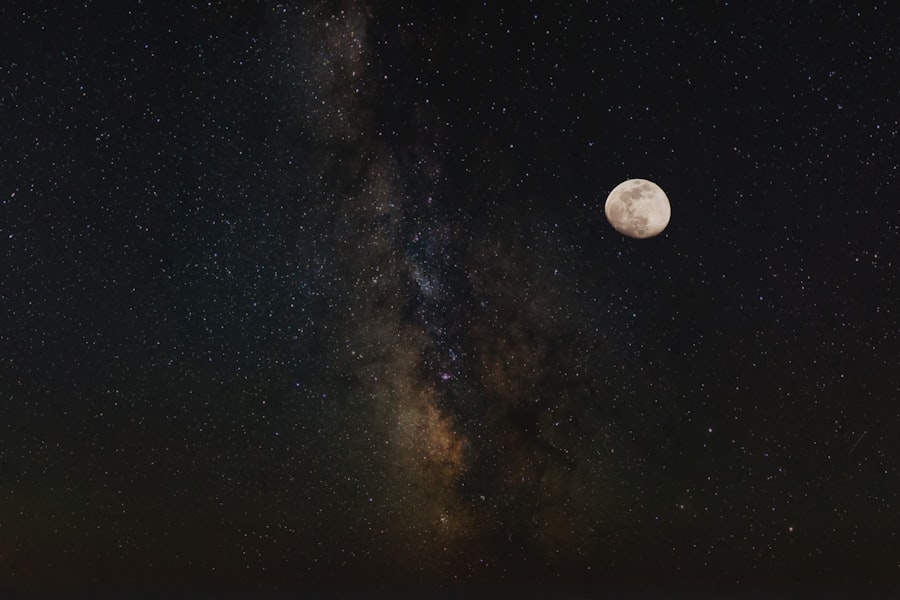
The advancement of interstellar astronomy is inextricably linked to the development of cutting-edge technologies. From novel telescope designs to advanced data processing techniques, innovation is the driving force behind our ability to explore the cosmos.
Next-Generation Telescopes: Bigger, Brighter, Bolder
The sheer ambition of future interstellar astronomy necessitates the construction of increasingly powerful telescopes. These will be larger, more sensitive, and capable of observing at higher resolutions than ever before.
Giant Segmented Mirrors: Unlocking Unprecedented Light Gathering
The development of larger primary mirrors is crucial for collecting more light from distant objects. Future telescopes will likely employ segmented mirror designs, where numerous smaller mirrors are precisely assembled to form a single, enormous collecting area. This approach allows for the construction of telescopes with diameters far exceeding what is currently possible with monolithic mirrors.
Advanced Adaptive Optics: Counteracting Atmospheric Distortions
For ground-based telescopes, atmospheric turbulence distorts incoming starlight, blurring images. Advanced adaptive optics systems, which use deformable mirrors to correct these distortions in real-time, are essential for achieving diffraction-limited performance. Future adaptive optics will be even more sophisticated, capable of correcting for a wider range of atmospheric conditions and for larger mirror segments.
The Revolution in Space-Based Observatories
While ground-based telescopes have made immense strides, the ultimate observational platform remains in space, free from the distortions of Earth’s atmosphere. The future will see an even greater emphasis on sophisticated space-based observatories.
Large Space Telescopes: Unveiling the Universe in its Purest Form
The successor to the Hubble Space Telescope, and the continuing work of the James Webb Space Telescope, demonstrate the power of large, dedicated space observatories. Future generations of these instruments will be even larger, equipped with more advanced instruments, and positioned in orbits that minimize interference. This will allow for observations of unparalleled clarity and depth.
Swarms of Nanosatellites: Distributed Observational Power
A more novel approach to space-based astronomy involves the deployment of swarms of small, interconnected nanosatellites. These constellations, working in unison, could act as distributed telescopes, offering flexibility, redundancy, and the ability to observe from multiple vantage points simultaneously. This distributed architecture could open up new possibilities for interferometry and novel observational techniques.
The Algorithmic Frontier: Making Sense of Big Data
The sheer volume of data generated by modern telescopes is staggering. The future of interstellar astronomy will rely heavily on advanced algorithms and artificial intelligence to process, analyze, and interpret this information.
AI-Driven Data Reduction and Calibration
Automated systems utilizing AI will be crucial for the initial reduction and calibration of astronomical data, ensuring consistency and accuracy. This will free up astronomers to focus on the scientific interpretation of the cleaned data.
Machine Learning for Pattern Recognition and Discovery
As mentioned in the context of SETI, machine learning will play an increasingly vital role in identifying subtle patterns and anomalies within vast datasets, leading to new discoveries about celestial objects and phenomena that might otherwise remain hidden.
As we look ahead to the future of interstellar astronomy, the advancements in technology and our understanding of the universe are paving the way for groundbreaking discoveries. A fascinating article that delves into these developments can be found here, highlighting how new telescopes and observational techniques are set to revolutionize our exploration of distant celestial bodies. With each leap in innovation, we inch closer to unraveling the mysteries of the cosmos and potentially discovering life beyond our solar system.
The Philosophical and Existential Implications
| Aspect | Metrics |
|---|---|
| Technological Advancements | Development of more powerful telescopes and instruments |
| Exploration | Increased focus on exoplanet research and potential for life beyond Earth |
| Collaboration | International partnerships for space missions and data sharing |
| Public Interest | Rising curiosity and engagement with space exploration |
| Challenges | Overcoming vast distances and limitations of current technology |
As interstellar astronomy pushes the boundaries of our knowledge, it inevitably forces us to confront profound philosophical and existential questions about our place in the universe and the nature of life itself.
The Prevalence of Life: Are We Alone?
The ongoing discovery of exoplanets, many of which reside in the habitable zones of their stars, strongly suggests that the conditions for life may be widespread. The future of interstellar astronomy will focus on determining the actual prevalence of life beyond Earth, a question that has captivated humanity for millennia.
Understanding Habitability: Beyond the Habitable Zone
While the “habitable zone” is a useful concept, future research will delve deeper into the complex factors that truly determine a planet’s habitability. This includes understanding atmospheric composition, geological activity, the presence of a magnetic field, and the stability of the host star. A more nuanced understanding of habitability will guide the search for life.
The Search for Biosignatures: The Ultimate Goal
The ultimate goal of exoplanet characterization is the detection of biosignatures – chemical or physical indicators that strongly suggest the presence of life. The development of highly sensitive instruments and sophisticated analytical techniques will be critical in this endeavor. The confirmation of biosignatures would be one of the most profound discoveries in human history, fundamentally altering our perception of ourselves and the universe.
Our Cosmic Context: Understanding Humanity’s Place
As we discover more about the vastness of the cosmos and the potential for other civilizations, our understanding of humanity’s place within this grand tapestry shifts. Interstellar astronomy provides the empirical data that informs these philosophical considerations.
The Fermi Paradox: Where Is Everybody?
The Fermi paradox, the apparent contradiction between the high probability of extraterrestrial civilizations and the lack of evidence for them, will continue to be a central theme in interstellar discussions. Future astronomical observations may provide clues to resolving this paradox, perhaps by revealing why civilizations are rare, short-lived, or simply undetectable by our current means.
The Future of Humanity: Long-Term Survival and Expansion
The ultimate implications of interstellar astronomy may extend to the long-term survival and expansion of humanity. If we discover the conditions necessary for life to thrive elsewhere, it could inspire future interstellar exploration and colonization. Understanding the universe better is not just about satisfying curiosity; it is also about understanding our own potential future.
The future of interstellar astronomy is a testament to human ingenuity, our insatiable curiosity, and our deep-seated desire to understand our place in the universe. From the development of revolutionary observational tools to the pursuit of profound philosophical questions, this field promises to continue unraveling the mysteries of the cosmos, pushing the boundaries of our knowledge, and perhaps, ultimately, answering the age-old question: Are we alone? The journey has just begun.

The New Interstellar Object That’s Dividing Scientists
FAQs
What is interstellar astronomy?
Interstellar astronomy is the study of astronomical objects and phenomena that exist outside the Earth’s solar system, including stars, planets, and other celestial bodies.
What is the future of interstellar astronomy?
The future of interstellar astronomy holds great promise with advancements in technology, such as more powerful telescopes and space missions, allowing for the exploration and study of distant celestial objects and phenomena.
How will interstellar astronomy benefit our understanding of the universe?
Interstellar astronomy will provide valuable insights into the formation and evolution of stars, planets, and galaxies, as well as the potential for discovering new exoplanets and potentially habitable worlds beyond our solar system.
What are some upcoming missions and projects in interstellar astronomy?
Upcoming missions and projects in interstellar astronomy include the James Webb Space Telescope, the European Space Agency’s PLATO mission, and the proposed Breakthrough Starshot initiative, which aims to send small spacecraft to nearby star systems.
What are the challenges in the future of interstellar astronomy?
Challenges in the future of interstellar astronomy include the vast distances involved, the need for advanced propulsion systems for interstellar travel, and the development of new technologies to overcome the limitations of current observational methods.