The Discoverer Satellite Program represents a critical milestone in space exploration and technological development. Initiated during the Cold War era, this program served as a strategic intelligence-gathering initiative designed to bolster national security through orbital reconnaissance. The program established the United States’ early capabilities for Earth observation from space, creating a foundation for subsequent satellite missions and exploration activities.
As the inaugural reconnaissance satellite series, Discoverer significantly influenced the evolution of both military and civilian satellite technologies. The program’s importance transcends its initial objectives. Discoverer embodied the intersection of technological innovation, strategic ambition, and geopolitical imperatives.
These satellites incorporated sophisticated imaging systems that delivered unprecedented surveillance capabilities, fundamentally transforming intelligence collection methodologies. As humanity entered the space age, the Discoverer program not only accomplished its primary mission but also catalyzed future developments in satellite technology and established precedents for international space activities.
Key Takeaways
- The Discoverer Satellite Program was a pioneering initiative that advanced space exploration and satellite technology.
- Initially developed during the Cold War, it played a crucial role in national security and reconnaissance.
- Discoverer satellites contributed significantly to scientific research and expanded our understanding of the universe.
- Despite technological challenges and limitations, the program laid the groundwork for future satellite missions.
- International collaboration and ongoing innovation continue to shape the legacy and future of the Discoverer Satellite Program.
The History and Development of the Discoverer Satellite Program
The origins of the Discoverer Satellite Program can be traced back to the early 1950s, a time when the United States was keenly aware of the need for enhanced reconnaissance capabilities. The Soviet Union’s successful launch of Sputnik in 1957 intensified this urgency, prompting American officials to accelerate their own space initiatives. The Discoverer program was officially initiated in 1959 under the auspices of the Central Intelligence Agency (CIA) and the U.S.
Air Force, marking a significant shift in how intelligence was gathered and processed. The first satellite, Discoverer 1, was launched on February 28, 1959, and although it did not achieve its primary mission of capturing photographic data, it successfully demonstrated the feasibility of satellite-based reconnaissance. Over the course of its operational life, the Discoverer program underwent numerous iterations and improvements.
The initial satellites were primarily designed to test various technologies and gather data on atmospheric conditions. However, as advancements were made, subsequent models incorporated sophisticated imaging systems capable of capturing high-resolution photographs of the Earth’s surface. By the time the program concluded in 1963, it had successfully launched a total of 38 satellites, each contributing valuable insights into both military strategy and scientific understanding.
The Role of Discoverer Satellites in Space Exploration
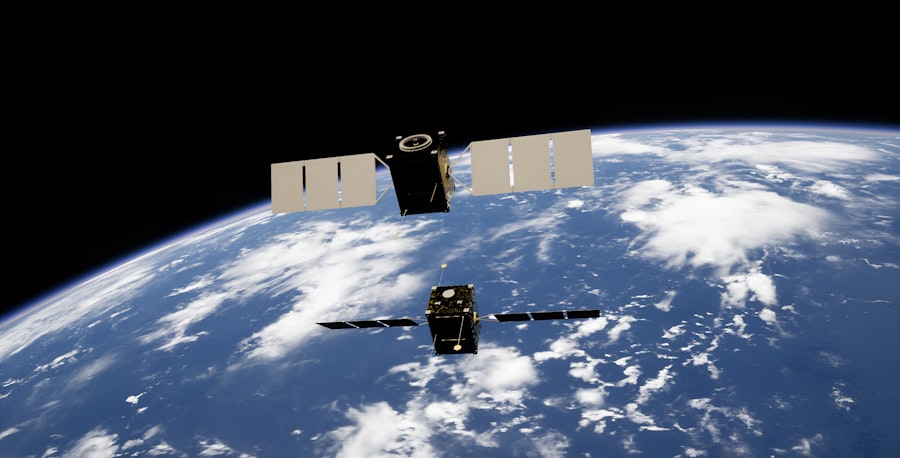
Discoverer satellites played an instrumental role in advancing space exploration beyond mere reconnaissance. They served as a testing ground for new technologies that would later be utilized in various civilian and scientific applications. The data collected from these satellites not only informed military strategies but also contributed to a broader understanding of Earth’s geography and environment.
This dual-purpose functionality exemplified how military initiatives could yield benefits for scientific research and exploration. Moreover, the Discoverer program laid the foundation for future satellite missions that would explore other celestial bodies. The technological advancements achieved through this program paved the way for more complex missions, including those aimed at studying planets, moons, and asteroids.
The lessons learned from operating these early satellites informed subsequent projects like the Landsat program, which focused on Earth observation for environmental monitoring and resource management.
The Technology and Capabilities of Discoverer Satellites
The technological innovations embedded within the Discoverer satellites were groundbreaking for their time. Equipped with advanced photographic systems, these satellites were capable of capturing images with remarkable clarity from orbiting altitudes. The early models utilized film-based imaging systems that required retrieval after each mission, while later iterations transitioned to electronic imaging technologies that allowed for real-time data transmission.
In addition to their imaging capabilities, Discoverer satellites were equipped with various sensors that could monitor atmospheric conditions and collect geospatial data. These instruments provided invaluable information about weather patterns, land use, and natural resources.
The integration of such diverse technologies within a single satellite platform exemplified the innovative spirit of the era and underscored the potential for satellites to serve multiple purposes beyond their original military objectives.
Discoverer Satellites and National Security
| Satellite Name | Launch Date | Mission Objective | Orbit Type | Operator | Notable Achievements |
|---|---|---|---|---|---|
| Discoverer 1 | February 28, 1959 | Test reentry vehicle and satellite tracking | Low Earth Orbit (LEO) | US Air Force / CORONA Program | First satellite launched under the Discoverer program |
| Discoverer 14 | August 18, 1960 | First successful recovery of film capsule from orbit | Low Earth Orbit (LEO) | US Air Force / CORONA Program | First successful photographic reconnaissance satellite |
| Discoverer 21 | January 20, 1961 | Photographic reconnaissance and satellite recovery | Low Earth Orbit (LEO) | US Air Force / CORONA Program | Improved camera system and film recovery techniques |
| Discoverer 37 | July 19, 1962 | High-resolution reconnaissance photography | Low Earth Orbit (LEO) | US Air Force / CORONA Program | Enhanced image resolution and mission duration |
| Discoverer 50 | April 18, 1963 | Advanced reconnaissance and film return | Low Earth Orbit (LEO) | US Air Force / CORONA Program | Last of the Discoverer series with film capsule recovery |
The primary impetus behind the Discoverer Satellite Program was national security. During a time of heightened tensions between superpowers, the ability to monitor adversaries became paramount. The Discoverer satellites provided critical intelligence that informed military strategies and diplomatic decisions.
By capturing images of enemy installations and troop movements, these satellites enabled U.S. military leaders to assess threats and respond accordingly. The impact of these reconnaissance efforts extended beyond immediate military applications; they also influenced international relations during a tumultuous period in history.
The intelligence gathered by Discoverer satellites played a crucial role in shaping U.S. foreign policy and strategic planning. As such, these satellites became integral components of a broader national security apparatus that sought to maintain an edge over potential adversaries.
Discoverer Satellites and Scientific Research
While primarily designed for military reconnaissance, Discoverer satellites inadvertently contributed to scientific research in significant ways. The data collected from these missions provided insights into various environmental phenomena, including weather patterns and climate changes. Researchers utilized this information to enhance their understanding of Earth’s systems, leading to advancements in meteorology and environmental science.
Furthermore, the technological advancements achieved through the Discoverer program laid the groundwork for future scientific missions. The imaging technologies developed during this period would later be adapted for civilian use in Earth observation programs aimed at monitoring natural disasters, urban development, and agricultural practices. Thus, while the primary focus of the Discoverer satellites was national security, their contributions to scientific research cannot be overlooked.
The Impact of Discoverer Satellites on our Understanding of the Universe
The legacy of the Discoverer Satellite Program extends beyond Earth observation; it has had profound implications for humanity’s understanding of the universe as a whole. By demonstrating the feasibility of satellite-based observation, the program inspired subsequent missions that ventured beyond Earth’s atmosphere. The technological innovations pioneered by Discoverer satellites laid the groundwork for more ambitious projects aimed at exploring other planets and celestial bodies.
Moreover, the data collected from these early missions contributed to a broader understanding of Earth’s place within the cosmos. By mapping terrestrial features and monitoring atmospheric conditions, scientists gained insights into how Earth functions as part of a larger system within our solar system. This foundational knowledge has been instrumental in shaping contemporary scientific inquiries into planetary science and astrobiology.
Challenges and Limitations of the Discoverer Satellite Program
Despite its many successes, the Discoverer Satellite Program faced numerous challenges and limitations throughout its operational life. One significant hurdle was the inherent difficulty in retrieving film-based imagery from orbiting satellites. Early models required complex recovery missions to retrieve capsules containing exposed film, which posed logistical challenges and risks to mission success.
This limitation underscored the need for advancements in data transmission technologies. Additionally, as technology evolved rapidly during this period, so too did the capabilities of potential adversaries. The effectiveness of reconnaissance efforts was often hampered by advancements in enemy countermeasures designed to evade detection.
This ongoing cat-and-mouse dynamic highlighted the challenges inherent in maintaining an edge in satellite reconnaissance during an era marked by rapid technological change.
Future of the Discoverer Satellite Program
As technology continues to advance at an unprecedented pace, discussions surrounding the future of satellite programs like Discoverer have become increasingly relevant. While the original Discoverer program concluded in 1963, its legacy endures through ongoing advancements in satellite technology and reconnaissance capabilities. Modern satellites are equipped with sophisticated sensors that can capture high-resolution imagery in real-time, enabling more effective monitoring of global events.
Looking ahead, there is potential for renewed interest in programs that build upon the foundational work established by Discoverer satellites. As nations grapple with emerging threats such as climate change and geopolitical tensions, satellite technology will play an essential role in addressing these challenges. Future initiatives may focus on enhancing collaboration between nations to leverage satellite capabilities for shared goals related to security and scientific research.
Discoverer Satellites and International Collaboration
The legacy of the Discoverer Satellite Program also highlights the importance of international collaboration in space exploration and satellite technology development. While initially conceived as a national security initiative, many of the technologies developed during this period have found applications beyond military contexts. As nations increasingly recognize the value of shared knowledge and resources in addressing global challenges, collaborative efforts in satellite technology are likely to expand.
International partnerships can facilitate joint missions aimed at monitoring climate change or responding to natural disasters—areas where satellite data is invaluable. By building upon the lessons learned from programs like Discoverer, nations can work together to enhance their collective understanding of Earth’s systems while fostering peaceful cooperation in space exploration.
The Legacy of the Discoverer Satellite Program
In conclusion, the Discoverer Satellite Program represents a landmark achievement in both military reconnaissance and scientific research. Its contributions have shaped not only national security strategies but also our understanding of Earth and its place within the universe. Through innovative technologies and groundbreaking missions, Discoverer satellites laid the groundwork for future advancements in space exploration.
As humanity continues to navigate complex challenges on Earth and beyond, the legacy of the Discoverer program serves as a reminder of what can be achieved through ambition, innovation, and collaboration. The lessons learned from this pioneering initiative will undoubtedly inform future endeavors in satellite technology and international cooperation as we strive to explore new frontiers in space.
The Discoverer satellite program played a crucial role in the early days of reconnaissance and intelligence gathering during the Cold War. For a deeper understanding of its significance and impact, you can explore a related article that delves into the history and technological advancements of the program. Check it out here: Discoverer Satellite Program Insights.
WATCH THIS! 🛰️125 Years of Hidden Signals: What NASA Just Admitted About the Black Knight Satellite
FAQs
What was the Discoverer satellite program?
The Discoverer satellite program was a series of American reconnaissance satellites launched during the late 1950s and early 1960s. It was part of the Corona program, which aimed to gather photographic intelligence during the Cold War.
When was the Discoverer satellite program active?
The Discoverer program was active primarily from 1959 to 1962, with a series of test flights and operational missions designed to develop and deploy early satellite reconnaissance technology.
What was the main purpose of the Discoverer satellites?
The main purpose of the Discoverer satellites was to conduct photographic surveillance of the Soviet Union and other areas of interest, providing intelligence through film-return capsules that were recovered on Earth.
Who managed the Discoverer satellite program?
The Discoverer program was managed by the United States Air Force in cooperation with the Central Intelligence Agency (CIA) and the U.S. Department of Defense.
How did the Discoverer satellites return images to Earth?
Discoverer satellites used film-based cameras to capture images from orbit. The exposed film was placed in a reentry capsule, which was ejected from the satellite and recovered mid-air by specially equipped aircraft or retrieved after landing.
What technological innovations were introduced by the Discoverer program?
The Discoverer program introduced several innovations, including the first successful use of satellite-based photographic reconnaissance, film-return capsules, and mid-air recovery techniques.
How many Discoverer missions were launched?
There were a total of 12 Discoverer missions launched between 1959 and 1962, with varying degrees of success in terms of satellite operation and film recovery.
What was the significance of the Discoverer program in space exploration?
The Discoverer program was significant as it marked the first successful use of satellites for reconnaissance purposes, paving the way for modern satellite intelligence and contributing to advancements in space technology during the early space race.
Were the Discoverer satellites publicly acknowledged at the time?
Initially, the Discoverer program was publicly presented as a scientific research project, and its true reconnaissance purpose was classified until decades later.
What replaced the Discoverer satellite program?
The Discoverer program was succeeded by more advanced reconnaissance satellite programs, including later iterations of the Corona program and other classified satellite initiatives that improved imaging technology and intelligence capabilities.