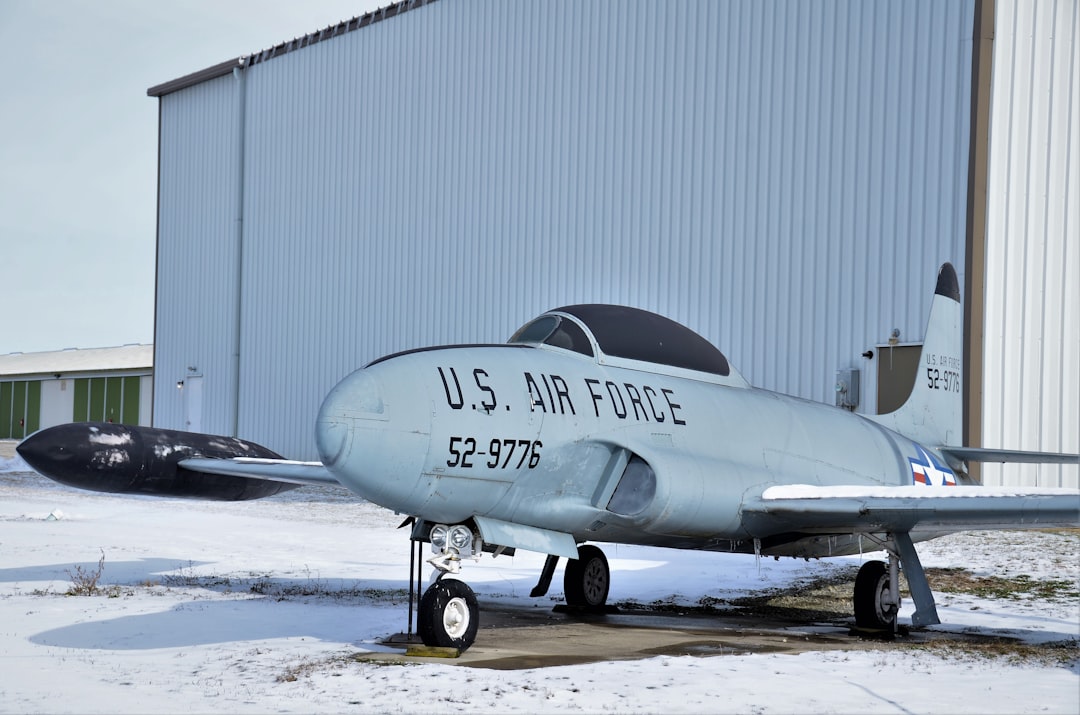
Wright Patterson Air Force Base, located in Dayton, Ohio, serves as a critical center for the United States Air Force. Founded in the early 20th century, it has developed into a premier facility for research, development, and logistics operations. Named after aviation pioneers Orville and Wilbur Wright, the base continues their legacy of innovation in aerospace technology.
The installation houses several significant organizations, including the Air Force Research Laboratory (AFRL) and the National Air and Space Intelligence Center (NASIC). These institutions conduct essential work ranging from advanced materials research to comprehensive intelligence analysis. Wright Patterson’s strategic importance is substantial, as it bridges the gap between military operations and technological innovation, helping maintain the Air Force’s technological edge in defense capabilities.
Key Takeaways
- Wright Patterson Air Force Base plays a crucial role in the research, development, and application of advanced aerospace materials.
- The base has a rich history of utilizing diverse materials, including metals, alloys, and advanced composites, to enhance Air Force capabilities.
- Innovations at the base focus on improving material performance while addressing environmental impacts and sustainability.
- Collaboration with industry partners is key to driving forward cutting-edge materials technology and aerospace advancements.
- Future trends at Wright Patterson emphasize the importance of materials science in maintaining Air Force operational superiority and technological leadership.
History of Materials Used at Wright Patterson Air Force Base
The history of materials used at Wright Patterson Air Force Base is rich and varied, reflecting the evolution of aviation technology over the decades. In its early years, the base primarily utilized traditional materials such as wood and fabric for aircraft construction. These materials were suitable for the biplanes and early monoplanes of the time, which relied on lightweight structures to achieve flight.
As aviation technology progressed, so too did the materials employed in aircraft design. During World War II, the demand for more durable and efficient materials led to significant advancements in metal alloys and composite materials. The base became a testing ground for these innovations, contributing to the development of aircraft that could withstand the rigors of combat.
The post-war era saw an explosion of technological advancements, with Wright Patterson at the forefront of research into new materials that would enhance performance and safety in aviation.
Advanced Composite Materials at Wright Patterson Air Force Base
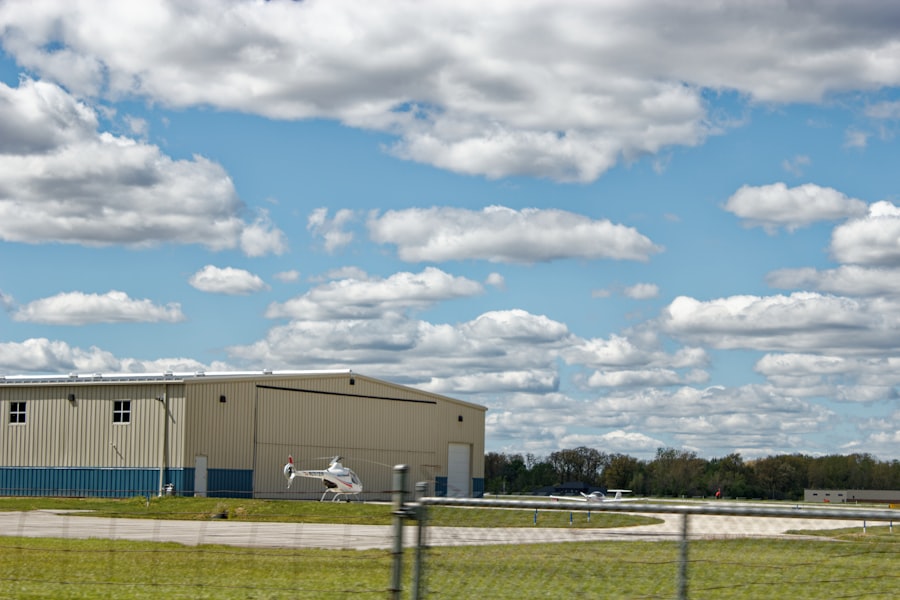
Advanced composite materials have become a cornerstone of modern aerospace engineering, and Wright Patterson Air Force Base has played a significant role in their development. Composites, which typically consist of a matrix material reinforced with fibers, offer numerous advantages over traditional materials. They are lighter, stronger, and more resistant to environmental degradation, making them ideal for use in aircraft structures.
At Wright Patterson, researchers have focused on optimizing composite materials for various applications, including airframes and propulsion systems. The base has been instrumental in developing new manufacturing techniques that enhance the performance characteristics of these materials. For instance, advancements in resin infusion processes have allowed for more efficient production methods, resulting in composites that are not only lighter but also more cost-effective.
Metals and Alloys Utilized at Wright Patterson Air Force Base
Metals and alloys have long been integral to aerospace engineering, and Wright Patterson Air Force Base has been at the forefront of their research and application. The base has explored a wide range of metallic materials, from aluminum alloys used in airframe construction to titanium alloys that provide exceptional strength-to-weight ratios for critical components. These materials are essential for ensuring the structural integrity and performance of military aircraft.
In addition to traditional metals, Wright Patterson has also investigated advanced alloys that exhibit superior properties under extreme conditions. For example, researchers have developed high-temperature superalloys that can withstand the intense heat generated by jet engines. These innovations not only enhance performance but also contribute to fuel efficiency and overall mission effectiveness.
Research and Development of Materials at Wright Patterson Air Force Base
| Material Type | Quantity (tons) | Usage | Storage Location | Last Inventory Date |
|---|---|---|---|---|
| Aluminum Alloys | 120 | Aircraft Components | Warehouse A | 2024-05-15 |
| Titanium Sheets | 45 | Engine Parts | Warehouse B | 2024-05-10 |
| Composite Materials | 75 | Airframe Structures | Warehouse C | 2024-05-12 |
| Steel Rods | 90 | Support Structures | Warehouse D | 2024-05-18 |
| Copper Wiring | 30 | Electrical Systems | Warehouse E | 2024-05-20 |
The research and development efforts at Wright Patterson Air Force Base are extensive and multifaceted. The base serves as a collaborative environment where scientists, engineers, and military personnel work together to push the boundaries of materials science. This collaborative approach fosters innovation and accelerates the transition from laboratory concepts to practical applications in the field.
One of the key focuses of R&D at Wright Patterson is the exploration of novel materials that can meet the evolving demands of modern warfare. This includes investigating biomimetic materials inspired by nature, which can offer unique properties such as self-healing capabilities or enhanced durability. By leveraging cutting-edge research techniques and state-of-the-art facilities, Wright Patterson continues to be a leader in materials innovation for aerospace applications.
Innovations in Aerospace Materials at Wright Patterson Air Force Base
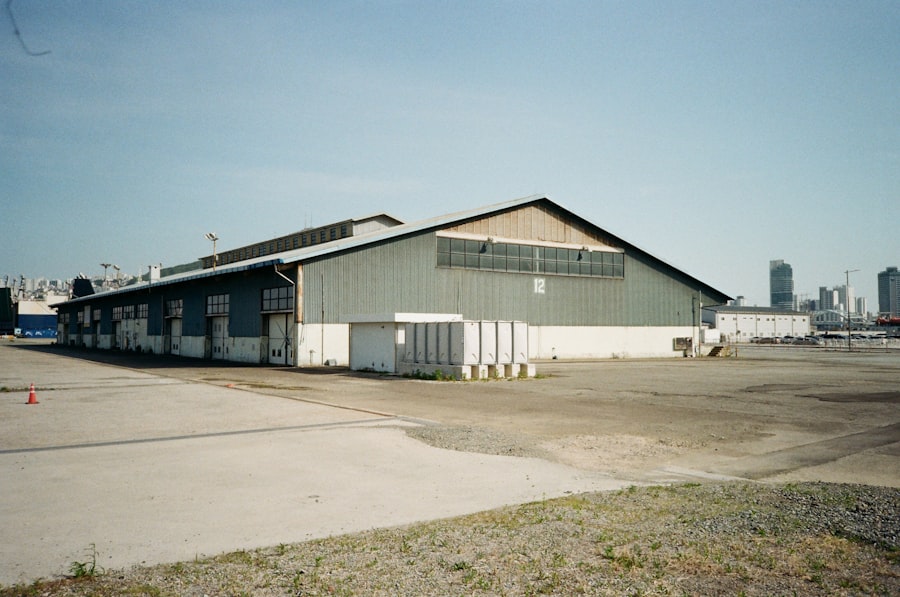
Innovations in aerospace materials at Wright Patterson Air Force Base have far-reaching implications for both military and civilian aviation. The base has been instrumental in developing lightweight materials that improve fuel efficiency while maintaining structural integrity. These innovations not only enhance aircraft performance but also contribute to reducing operational costs.
Moreover, Wright Patterson has been a pioneer in integrating smart materials into aerospace applications. These materials can respond dynamically to environmental changes or operational conditions, providing enhanced functionality and adaptability. For instance, researchers have explored shape-memory alloys that can change shape in response to temperature variations, offering potential applications in adaptive wing designs or morphing structures.
Environmental Impact of Materials at Wright Patterson Air Force Base
The environmental impact of materials used at Wright Patterson Air Force Base is an increasingly important consideration in research and development efforts. As awareness of sustainability grows within the aerospace industry, there is a concerted effort to minimize the ecological footprint associated with material production and disposal. The base has implemented initiatives aimed at reducing waste and promoting recycling practices.
Additionally, researchers at Wright Patterson are exploring bio-based materials that can serve as sustainable alternatives to traditional petroleum-based composites. These innovative materials not only reduce reliance on fossil fuels but also offer potential benefits in terms of biodegradability and lower emissions during production. By prioritizing environmentally friendly practices, Wright Patterson is positioning itself as a leader in sustainable aerospace material development.
Collaboration with Industry Partners for Materials at Wright Patterson Air Force Base
Collaboration with industry partners is a hallmark of the research initiatives at Wright Patterson Air Force Base. The base actively engages with private sector companies, academic institutions, and other government agencies to leverage expertise and resources in materials science. This collaborative approach fosters innovation by combining diverse perspectives and capabilities.
Through partnerships with industry leaders, Wright Patterson has access to cutting-edge technologies and manufacturing processes that can be applied to military applications. These collaborations often result in accelerated development timelines and improved outcomes for new materials. By working closely with industry partners, Wright Patterson ensures that its research remains relevant and aligned with current trends in aerospace technology.
Future Trends in Materials at Wright Patterson Air Force Base
As technology continues to evolve, future trends in materials research at Wright Patterson Air Force Base are likely to focus on enhancing performance while addressing sustainability challenges. One emerging trend is the integration of artificial intelligence (AI) into material design processes.
Another trend is the increasing emphasis on multifunctional materials that can serve multiple purposes within a single component. For example, researchers are exploring materials that can provide structural support while also incorporating sensors for monitoring performance or environmental conditions. This shift towards multifunctionality could revolutionize aircraft design by reducing weight and complexity while enhancing operational capabilities.
Importance of Materials in Air Force Operations
Materials play a critical role in the operational effectiveness of the United States Air Force. The choice of materials directly impacts aircraft performance, durability, and maintenance requirements. High-performance materials enable aircraft to operate efficiently under demanding conditions while ensuring crew safety and mission success.
Moreover, advancements in materials science contribute to the overall readiness of the Air Force by reducing downtime associated with maintenance and repairs. Lightweight composites and advanced alloys can lead to longer service life for aircraft components, ultimately enhancing mission availability. As such, ongoing research into new materials remains essential for maintaining the technological edge required for modern air operations.
Conclusion and Implications for the Future of Materials at Wright Patterson Air Force Base
In conclusion, Wright Patterson Air Force Base stands as a beacon of innovation in aerospace materials research and development. Its rich history reflects a commitment to advancing technology through collaboration and exploration. As the base continues to push the boundaries of materials science, it will undoubtedly play a pivotal role in shaping the future of military aviation.
The implications of ongoing research at Wright Patterson extend beyond military applications; they hold promise for civilian aviation as well.
As new challenges arise in both military and civilian contexts, the importance of innovative materials will only continue to grow, ensuring that Wright Patterson remains at the forefront of aerospace advancements for years to come.
Wright-Patterson Air Force Base has been a focal point for various research and development projects, particularly in the field of advanced materials. For those interested in exploring more about the innovative materials being utilized and developed at the base, you can read a related article on this topic at