
The concept of extraterrestrial modification of the human genome is a fascinating and often controversial topic that has captured the imagination of scientists, theorists, and the general public alike. As you delve into this subject, you may find yourself pondering the implications of such modifications on our species’ evolution and identity. The idea that beings from other worlds could have influenced our genetic makeup raises profound questions about what it means to be human and how our future might unfold in light of these possibilities.
In recent years, advancements in genetic engineering and a growing understanding of our own DNA have reignited interest in the potential for extraterrestrial intervention in human evolution. As you explore this topic, you will encounter a myriad of theories and speculations that suggest our genetic code may not be entirely of this Earth. This article aims to provide a comprehensive overview of the historical evidence, scientific theories, ethical considerations, and future implications surrounding the idea of extraterrestrial modification of the human genome.
Key Takeaways
- Extraterrestrial influence on human genetics is a topic explored through historical evidence and scientific theories.
- Genetic engineering may have been impacted or initiated by extraterrestrial intervention, affecting human evolution.
- Ethical, moral, and regulatory challenges arise from the possibility of extraterrestrial genetic manipulation.
- Scientific research investigates the potential benefits and risks associated with extraterrestrial genetic modification.
- The future of human evolution could be significantly shaped by extraterrestrial genetic engineering and international governance.
Historical Evidence of Extraterrestrial Influence on Human Evolution
Throughout history, there have been numerous accounts and artifacts that suggest the possibility of extraterrestrial influence on human evolution. Ancient texts, such as the Sumerian tablets and the biblical accounts of angels and divine beings, often describe encounters with otherworldly entities. As you examine these narratives, you may find that they contain elements that hint at advanced knowledge or technology beyond what was available at the time.
These stories can be interpreted as evidence that our ancestors may have had contact with extraterrestrial beings who played a role in shaping human development. Archaeological discoveries also lend credence to the idea of extraterrestrial influence. Structures like the pyramids of Egypt and the Nazca Lines in Peru exhibit engineering feats that seem to defy the capabilities of ancient civilizations.
You might consider whether these monumental achievements were the result of human ingenuity alone or if they were inspired or assisted by beings from other planets. The alignment of these structures with celestial bodies further fuels speculation about a connection between ancient humans and extraterrestrial visitors.
Theories and Speculations on Extraterrestrial Genetic Modification
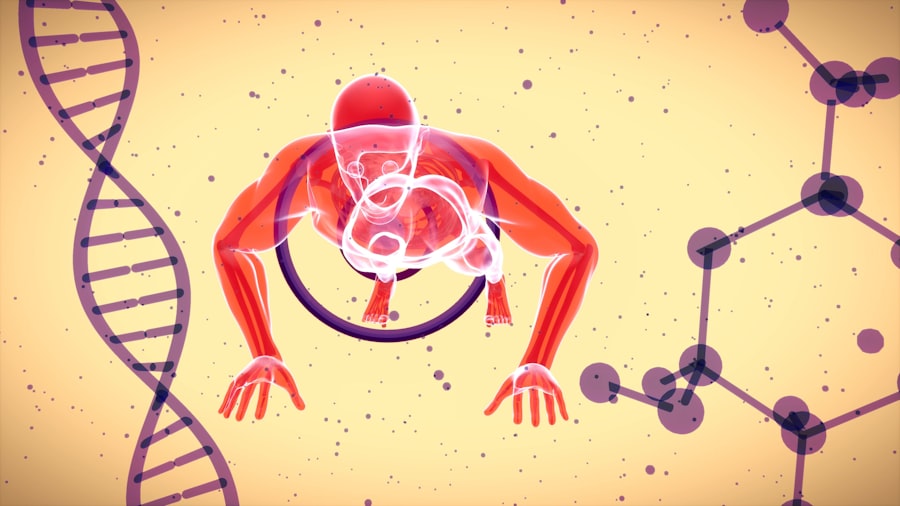
As you delve deeper into the theories surrounding extraterrestrial genetic modification, you will encounter a range of ideas that propose various mechanisms through which such interventions could have occurred. One prominent theory suggests that extraterrestrial beings may have directly manipulated human DNA to enhance certain traits or abilities. This idea posits that our ancestors were not merely passive recipients of genetic information but active participants in a grand experiment orchestrated by advanced civilizations.
Another intriguing speculation revolves around the concept of panspermia, which posits that life on Earth may have originated from microorganisms or genetic material brought here by comets or meteorites. If this theory holds any truth, it raises questions about the potential for extraterrestrial life forms to have seeded Earth with their own genetic material, thereby influencing our evolutionary trajectory. As you consider these theories, you may find yourself contemplating the implications of such interventions on our understanding of biology and the nature of life itself.
Genetic Engineering and the Possibility of Extraterrestrial Intervention
| Metric | Description | Value/Estimate | Source/Notes |
|---|---|---|---|
| Number of Genes Edited in Humans | Average number of genes targeted in current human genetic engineering experiments | 1-5 genes | CRISPR-Cas9 clinical trials (2023) |
| Estimated Age of Earliest Genetic Engineering | Hypothetical timeline for when extraterrestrial intervention might have introduced genetic modifications | 50,000 – 100,000 years ago | Speculative based on ancient astronaut theories |
| Percentage of Human Genome Edited by Natural Evolution | Proportion of genome changed through natural mutation and selection | ~0.1% per 1,000 years | Evolutionary biology estimates |
| Number of Confirmed Extraterrestrial Signals | Signals detected that could indicate extraterrestrial intelligence | 0 | SETI data as of 2024 |
| Number of Documented Cases of Horizontal Gene Transfer in Humans | Instances where genes from other species have been naturally incorporated into the human genome | Few documented cases | Scientific literature on horizontal gene transfer |
| CRISPR Gene Editing Efficiency | Success rate of targeted gene edits in laboratory settings | Up to 90% | Recent gene editing studies (2023) |
| Probability of Extraterrestrial Life in Milky Way | Estimated likelihood based on Drake Equation parameters | 1-10% | Astrobiology research estimates |
In recent decades, advancements in genetic engineering have opened new avenues for exploring the possibility of extraterrestrial intervention in human genetics. Techniques such as CRISPR-Cas9 allow scientists to edit genes with unprecedented precision, raising questions about the ethical implications of manipulating our own DNAs you reflect on these developments, you may wonder whether similar technologies could have been employed by extraterrestrial beings to modify human genomes in the past. The parallels between contemporary genetic engineering and potential extraterrestrial practices invite speculation about the motivations behind such interventions.
Were these beings attempting to create a more resilient or intelligent species? Or were they simply conducting experiments without fully understanding the consequences? As you ponder these questions, you may find yourself grappling with the complexities of intention and impact in the realm of genetic modification.
The Impact of Extraterrestrial Modification on Human Evolution
If extraterrestrial beings did indeed modify the human genome, the implications for our evolution would be profound. You might consider how such modifications could have influenced key aspects of human development, including cognitive abilities, physical traits, and even social structures. The introduction of advanced genetic traits could explain certain anomalies in human evolution that remain unexplained by traditional scientific theories.
Moreover, the impact of extraterrestrial modification could extend beyond individual traits to shape entire populations. You may find it intriguing to think about how these interventions could have led to the emergence of diverse cultures and civilizations across the globe. The potential for shared genetic heritage among different human groups raises questions about identity and unity in an increasingly interconnected world.
Ethical and Moral Implications of Extraterrestrial Genetic Manipulation

The prospect of extraterrestrial genetic manipulation brings forth a host of ethical and moral dilemmas that warrant careful consideration. As you explore these implications, you may find yourself grappling with questions about consent, autonomy, and the nature of humanity itself. If our genomes were altered without our knowledge or consent, what does that mean for our sense of self and agency?
Furthermore, the idea of manipulating human genetics raises concerns about potential abuses of power. You might reflect on how such technology could be weaponized or used to create divisions among populations based on perceived superiority or inferiority. The ethical landscape surrounding genetic modification becomes even more complex when considering the potential for unintended consequences that could arise from tampering with our fundamental biology.
Scientific Studies and Research on Extraterrestrial Genetic Modification
While much of the discussion surrounding extraterrestrial genetic modification remains speculative, there are scientific studies that explore related concepts. Research into ancient DNA has revealed surprising insights into human ancestry and migration patterns, suggesting that our genetic history is more complex than previously thought. As you examine these studies, you may find evidence that supports the idea of external influences on human genetics.
Additionally, ongoing research into extremophiles—organisms that thrive in extreme environments—provides valuable insights into the resilience and adaptability of life forms. This research could inform our understanding of how extraterrestrial life might exist and interact with Earth’s biosphere. As you consider these scientific endeavors, you may feel a sense of excitement about the potential for new discoveries that could shed light on humanity’s origins.
Potential Benefits and Risks of Extraterrestrial Genetic Engineering
The potential benefits and risks associated with extraterrestrial genetic engineering are vast and multifaceted.
The prospect of eradicating genetic diseases or enhancing physical capabilities could revolutionize medicine and improve quality of life.
However, alongside these benefits come significant risks that cannot be ignored. You may find yourself contemplating the ethical implications of creating “designer” humans or exacerbating existing inequalities through access to advanced genetic technologies. The potential for unintended consequences—such as unforeseen health issues or ecological disruptions—further complicates the conversation around extraterrestrial genetic engineering.
The Role of Government and International Organizations in Regulating Extraterrestrial Genetic Modification
As discussions about extraterrestrial genetic modification gain traction, the role of government and international organizations becomes increasingly important. You might consider how regulatory frameworks could be established to oversee research and applications related to genetic engineering, particularly in light of potential extraterrestrial influences. The challenge lies in balancing innovation with ethical considerations while ensuring public safety.
International cooperation will be essential in addressing these complex issues. You may envision a future where countries come together to establish guidelines for responsible research practices and ethical standards in genetic engineering. Such collaboration could help mitigate risks while fostering an environment conducive to scientific advancement.
The Future of Human Evolution in the Context of Extraterrestrial Genetic Modification
Looking ahead, the future of human evolution may be profoundly shaped by our understanding—and potential integration—of extraterrestrial genetic modification. As you contemplate this future, you might envision a world where humanity embraces its cosmic heritage while navigating the challenges posed by advanced genetic technologies. The interplay between natural evolution and artificial enhancement could redefine what it means to be human.
Moreover, as we continue to explore space and search for signs of extraterrestrial life, our understanding of our place in the universe will evolve. You may find it exciting to think about how future discoveries could reshape our perceptions of identity, belonging, and interconnectedness with other life forms across the cosmos.
Implications and Considerations for the Future of Humanity
In conclusion, the exploration of extraterrestrial modification of the human genome invites profound reflections on our past, present, and future as a species. As you consider the historical evidence, scientific theories, ethical dilemmas, and potential benefits and risks associated with this topic, it becomes clear that we stand at a crossroads in our understanding of what it means to be human. The implications for humanity are vast—ranging from enhanced capabilities to ethical quandaries surrounding identity and autonomy.
Ultimately, your engagement with these ideas will shape not only your understanding but also contribute to a broader dialogue about humanity’s place in an ever-expanding universe.
Recent discussions surrounding the potential for extraterrestrial modification of the human genome have sparked significant interest in the scientific community. A related article that delves into the implications and possibilities of such modifications can be found on XFile Findings. This article explores the intersection of genetics and extraterrestrial life, raising questions about the future of human evolution. For more insights, you can read the full article here.
WATCH THIS! The DNA Evidence That Proves Humans Are NOT From Earth
FAQs
What is meant by “human genome extraterrestrial modification”?
Human genome extraterrestrial modification refers to the hypothetical idea that the human genetic code has been altered or influenced by extraterrestrial beings or forces. This concept is often discussed in the context of ancient astronaut theories or speculative science fiction, but there is no scientific evidence supporting such claims.
Is there any scientific evidence supporting extraterrestrial modification of the human genome?
No, there is currently no credible scientific evidence that supports the idea that the human genome has been modified by extraterrestrial beings. The human genome has been extensively studied, and its evolution is well understood through natural processes such as mutation, natural selection, and genetic drift.
How is the human genome studied and understood by scientists?
Scientists study the human genome through techniques such as DNA sequencing, genetic mapping, and comparative genomics. The Human Genome Project, completed in 2003, provided a comprehensive map of human DNA, allowing researchers to understand genetic variations, hereditary diseases, and evolutionary history.
What are common misconceptions about extraterrestrial influence on human genetics?
Common misconceptions include the belief that advanced alien civilizations have directly altered human DNA to create or enhance humans, or that unexplained genetic traits are evidence of alien intervention. These ideas are not supported by scientific research and often stem from misinterpretations of genetic data or speculative fiction.
Can genetic modification be done by humans today?
Yes, modern science has developed technologies such as CRISPR-Cas9 that allow precise editing of the human genome. These techniques are used for research and potential medical treatments but are strictly regulated and have no connection to extraterrestrial activity.
Why do some people believe in extraterrestrial modification of the human genome?
Belief in extraterrestrial modification often arises from a combination of fascination with space, unexplained archaeological findings, and the desire to find alternative explanations for human origins. Popular culture, conspiracy theories, and pseudoscience also contribute to the spread of these ideas.
How does mainstream science explain the origin of the human genome?
Mainstream science explains the human genome as the result of millions of years of evolution through natural selection, genetic mutation, and adaptation. Fossil records, comparative anatomy, and genetic studies support the theory of human evolution from common ancestors shared with other primates.
Are there any ongoing studies related to extraterrestrial life and genetics?
While there are ongoing studies searching for extraterrestrial life through astrobiology and space exploration, these do not involve claims of extraterrestrial modification of human genetics. Research focuses on understanding the potential for life beyond Earth and the conditions that support it.