
Gary McKinnon, a self-taught computer enthusiast from Scotland, embarked on a cyber intrusion that would etch his name into the annals of hacking history. His target: NASA. His weapon: a dial-up modem. The year was 2001, and the world was just beginning to grapple with the pervasive nature of the internet and the potential vulnerabilities it presented. McKinnon’s motive, he claimed, was not malice or financial gain, but an insatiable curiosity driven by a lifelong fascination with UFOs and extraterrestrial life. He believed that NASA was hiding evidence of alien spacecraft and that he could find it within their vast digital archives. This audacious quest, undertaken from the confines of his modest London flat, would trigger a multi-year international manhunt and a protracted legal battle that highlighted the complexities of cybercrime jurisdiction and the blurry lines between national security and personal freedom.
The Genesis of a Cosmic Curiosity
McKinnon’s journey into the digital realm began innocuously enough. Like many of his generation, he was captivated by the promise of the internet, a new frontier for exploration and information. However, his exploration took a particular turn, fueled by a deeply held conviction about the existence of UFOs. He had spent years consuming science fiction, documentaries, and online forums dedicated to the unexplained, all of which seemed to point towards a deliberate obfuscation of truth by governmental bodies. For McKinnon, NASA, as the premier space agency, represented the ultimate repository of such hidden knowledge. His perceived lack of transparency from official channels only served to solidify his belief that direct investigation was necessary.
Early Digital Forays and the Allure of the Unknown
Before setting his sights on NASA, McKinnon had already honed his skills on various systems, learning the intricacies of network security and exploiting vulnerabilities. These early forays were driven by the same intellectual curiosity that would later propel him towards the stars, albeit digitally. He was not a malicious actor in the traditional sense; his aim was not to steal credit card numbers or disrupt critical infrastructure for personal enrichment. Instead, he sought to satisfy his own burning questions, to peel back the layers of secrecy he felt shrouded the possibility of extraterrestrial contact. The internet, for him, was a library, and he was determined to access every restricted section.
The UFO Hypothesis as a Driving Force
The persistent narrative surrounding UFO cover-ups in popular culture and certain scientific circles resonated deeply with McKinnon. He saw the official denials and the lack of concrete evidence presented to the public as a deliberate attempt to suppress the truth. This belief system provided him with a powerful motivation, transforming his technical skills into a tool for what he considered a righteous quest. He envisioned himself as a digital detective, sifting through classified data to uncover evidence that would, in his mind, revolutionize humanity’s understanding of its place in the cosmos. This profound conviction, however, would lead him down a path fraught with legal peril.
In exploring the infamous case of Gary McKinnon, who gained unauthorized access to NASA’s computer systems through a dial-up connection, one can gain further insights by reading a related article that delves into the implications of his actions and the broader context of cybersecurity. This article provides a comprehensive overview of the incident and its aftermath, shedding light on the vulnerabilities of government networks. For more information, you can visit the article at this link.
The Dial-Up Invasion: A Glimpse into NASA’s Digital Depths
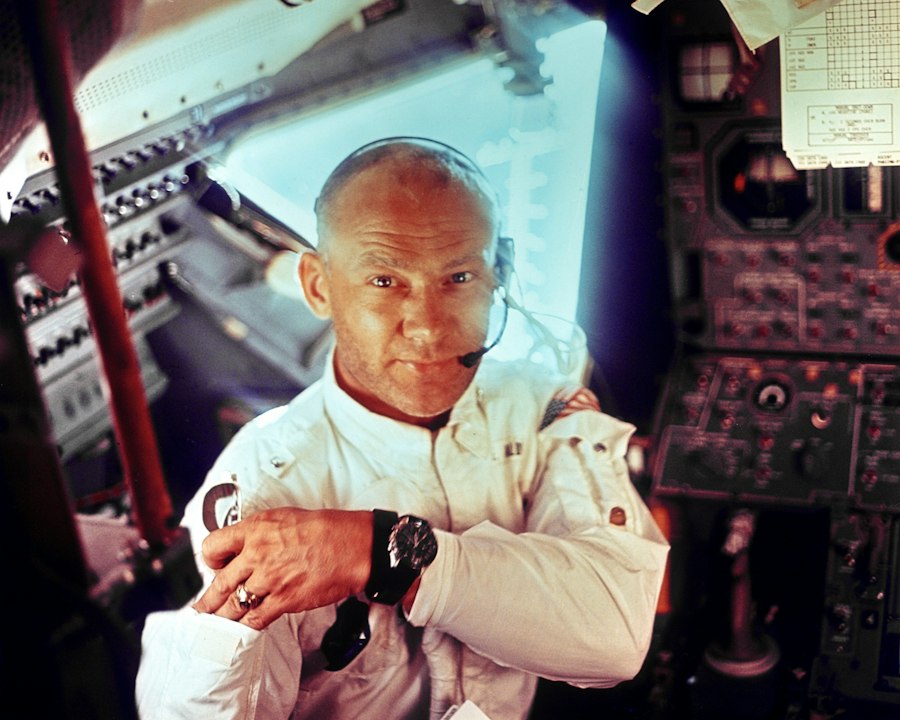
In 2001, with his objective firmly in mind, Gary McKinnon initiated his campaign to penetrate NASA’s computer systems. The technology available at the time, particularly the widespread use of dial-up internet connections, played a significant role in his strategy and the eventual discovery of his activities. His method, while rudimentary by today’s standards, was effective enough to bypass several security layers, revealing the surprising fragility of even the most advanced networks. The story of his intrusion is a testament to the ingenuity of a determined individual and a stark reminder of the cybersecurity challenges faced by institutions worldwide.
Exploiting System Weaknesses
McKinnon’s initial access was reportedly gained through exploiting weak passwords and unpatched vulnerabilities in the operating systems of NASA computers. He employed common hacking techniques, including brute-force attacks to guess passwords and leveraging known exploits for specific software. The reliance on dial-up meant that his connection was slower and more easily detectable than a high-speed broadband connection, yet this did not deter him. He meticulously worked through the network, mapping out its architecture and identifying further points of entry. His patience and persistence were key to his success in navigating the complex digital infrastructure.
The Search for Alien Evidence
Once inside, McKinnon’s primary objective was to locate files and data that he believed contained evidence of UFOs and extraterrestrial technology. He navigated through various servers, reportedly accessing systems that contained personnel records, maintenance logs, and even images. While he never claimed to have found definitive proof of alien spacecraft, he did report seeing images and documents that he interpreted as suggestive. His assertions of finding “clean UFOs” and “free energy” in NASA’s systems became central to his narrative and the public perception of his hack. He was not just a hacker; he was a cosmic truth-seeker.
The Unforeseen Consequences of a Digital Footprint
Despite his efforts to remain undetected, McKinnon inevitably left a digital trail. His repeated access to sensitive systems, even with a dial-up connection, triggered alerts within NASA’s security infrastructure. The sheer volume and nature of his inquiries, coupled with the unusual access patterns, raised red flags. It was a classic case of a determined intruder, albeit one with a peculiar motive, eventually being pinpointed by the very systems designed to protect the organization. The slow but steady drip of data left by his persistent access eventually led to his identification.
The International Manhunt and Legal Tangle

The discovery of McKinnon’s intrusion initiated a significant international investigation. NASA, along with the U.S. Department of Defense, launched a joint effort to track down the perpetrator. The case quickly escalated from a cybersecurity incident to a matter of national security, involving law enforcement agencies from both sides of the Atlantic. The subsequent legal proceedings would become a protracted and complex affair, highlighting the difficulties in prosecuting cybercrimes that transcend national borders and the ethical considerations surrounding extradition.
Tracing the Intruder Across Continents
The hunt for the elusive hacker involved extensive digital forensics and international cooperation. Investigators meticulously analyzed the digital footprints left behind, tracing IP addresses and login attempts across various networks. The fact that McKinnon was located in the United Kingdom, while his targets were in the United States, created a jurisdictional quagmire. The U.S. authorities were determined to bring him to justice, viewing his actions as a serious breach of national security. This trans-Atlantic chase was a technological and legal puzzle of immense proportions.
The Extradition Debate and Human Rights Concerns
The U.S. government sought to extradite Gary McKinnon to face charges, which carried potentially lengthy prison sentences. This sparked a fierce debate in the United Kingdom regarding extradition treaties and the protection of individuals’ human rights. Critics of the extradition argued that the U.S. justice system was overly harsh and that McKinnon, a man with Asperger’s syndrome, would not receive a fair trial or adequate care in American prisons. The legal battle became a focal point for discussions about the balance between international law enforcement and individual liberties, drawing in prominent human rights organizations.
A Symbol of the Cyber Age’s Legal Challenges
McKinnon’s case became a prominent example of the challenges posed by cybercrime in an increasingly interconnected world. It highlighted the need for clearer international legal frameworks to address cross-border hacking incidents and the ethical dilemmas involved in pursuing individuals across different jurisdictions. The case raised questions about the proportionality of charges, the definition of national security breaches in the digital age, and the impact of mental health conditions on legal proceedings. His story underscored the evolving landscape of law enforcement and the increasing complexity of prosecuting digital offenses.
McKinnon’s Defense and the Human Element
Throughout the legal proceedings, Gary McKinnon’s defense centered on his motivations and his mental health. His legal team argued that he was not a malicious actor but a curious individual driven by a genuine, albeit misguided, pursuit of knowledge. His diagnosis of Asperger’s syndrome was also a crucial element of his defense, with arguments put forth that it explained his obsessive focus and social difficulties, which contributed to his actions. This focus on the human element in what was fundamentally a technological crime humanized the case and sparked widespread sympathy.
The “UFO Hunter” Narrative
McKinnon consistently maintained that his primary motivation was to find evidence of extraterrestrial life and that he had no intention of causing harm or stealing sensitive information. He presented himself as a truth-seeker, a modern-day Galileo, driven by a belief that governments were withholding vital information from the public. This “UFO hunter” narrative resonated with a segment of the population that shared his skepticism and his fascination with the unexplained. It provided a sympathetic angle to his actions, portraying him as an underdog challenging powerful institutions.
The Impact of Asperger’s Syndrome
The legal defense team extensively highlighted McKinnon’s diagnosis of Asperger’s syndrome. They argued that his condition contributed to his obsessive focus on his hacking activities and his difficulty in understanding the potential consequences of his actions. The prosecution, however, viewed his condition not as an excuse, but as a factor to be considered within the broader context of his admitted illegal activities. The debate over how to treat individuals with neurodevelopmental disorders within the criminal justice system became a significant aspect of the case.
The Search for a Compromise
The protracted legal battle, coupled with concerns about McKinnon’s health and the complexities of extradition, led to a period of intense negotiation. Ultimately, a compromise was reached that averted extradition to the United States. This outcome, while controversial to some, acknowledged the unique circumstances of the case and the potential human costs of a full-blown prosecution. It represented a delicate balancing act between international legal obligations and domestic humanitarian considerations.
Gary McKinnon’s infamous hack into NASA’s systems through a dial-up connection has sparked significant interest in cybersecurity and hacking incidents. For those looking to delve deeper into similar cases and their implications, a related article can be found on XFile Findings, which explores various hacking stories and their impact on technology and security. You can read more about it here.
Legacy and Lessons Learned from the Dial-Up Hack
| Metric | Details |
|---|---|
| Name | Gary McKinnon |
| Type of Connection Used | Dial-up modem |
| Targeted Organization | NASA and U.S. Department of Defense |
| Year of Hack | 2001-2002 |
| Number of Systems Accessed | Approximately 97 |
| Duration of Access | Over 13 months |
| Method of Access | Exploited weak passwords and unsecured systems |
| Damage Caused | System shutdowns and data deletion; estimated downtime of 24 hours |
| Legal Outcome | Faced extradition to the U.S.; extradition blocked in UK due to health concerns |
| Motivation | Search for UFO-related information |
The Gary McKinnon case, despite its origins in a dial-up connection and a quest for alien evidence, left an indelible mark on the understanding of cybersecurity, international law, and the human element in cybercrime. His infamous intrusion served as a wake-up call for organizations and governments worldwide, highlighting vulnerabilities that were perhaps underestimated at the time. The protracted legal battle that ensued shed light on the complexities of prosecuting individuals who operate across national borders in the digital sphere.
Evolving Cybersecurity Measures
McKinnon’s breach, along with numerous other cyber incidents of the early 2000s, played a crucial role in driving the evolution of cybersecurity practices. The vulnerabilities he exploited, such as weak password policies and unpatched systems, became focal points for improvement. Institutions like NASA, and indeed governments globally, significantly increased their investment in network security, employing more sophisticated intrusion detection systems, multi-factor authentication, and regular vulnerability assessments. The “dial-up hack” served as a tangible, albeit low-tech, demonstration of how even seemingly minor security lapses could have significant repercussions.
Rethinking International Cybercrime Law
The challenges encountered in prosecuting Gary McKinnon underscored the inadequacies of existing international legal frameworks for dealing with cybercrime. The case highlighted the complexities of extradition treaties and the differing legal standards and sentencing guidelines between countries. It spurred ongoing discussions and efforts to harmonize international laws and improve cooperation between law enforcement agencies to combat cyber threats effectively. The McKinnon case became a case study in the need for more robust and universally applicable legal mechanisms to address the borderless nature of digital offenses.
The Enduring Symbol of the Curious Hacker
Gary McKinnon remains an enduring symbol of the “curious hacker” archetype – individuals driven by intellectual curiosity rather than malice. His story raises important questions about the ethics of hacking, the public’s right to information, and the potential for individual action in challenging perceived secrecy. While his methods were illegal, his story resonates with a sense of rebellion against authority and a yearning for knowledge. The dial-up hack of NASA, a seemingly antiquated approach in today’s high-speed world, serves as a potent reminder that the human element – curiosity, obsession, and the pursuit of truth – can still be the driving force behind significant digital intrusions, with far-reaching consequences.
The Man Who Hacked NASA’s Deepest Secret
FAQs
What is the Gary McKinnon NASA hack?
The Gary McKinnon NASA hack refers to the incident in 2001 and 2002 where Gary McKinnon, a British hacker, gained unauthorized access to 97 United States military and NASA computers.
How did Gary McKinnon hack into NASA’s systems?
Gary McKinnon hacked into NASA’s systems by exploiting vulnerabilities in their security, such as weak passwords and unpatched software. He used a program called Landsearch to scan for computers with no password protection.
What was Gary McKinnon looking for when he hacked into NASA?
Gary McKinnon claimed that he was looking for evidence of UFOs and free energy suppression. He believed that NASA was hiding information about extraterrestrial technology and wanted to expose it to the public.
What were the consequences of Gary McKinnon’s NASA hack?
As a result of the hack, Gary McKinnon faced extradition to the United States and was charged with several counts of computer-related crimes. The incident also highlighted the importance of cybersecurity for government agencies.
How did the Gary McKinnon NASA hack impact cybersecurity practices at NASA?
The Gary McKinnon NASA hack led to improvements in cybersecurity practices at NASA and other government agencies. It served as a wake-up call about the importance of securing sensitive information and implementing stronger security measures to prevent future breaches.